
Introduction
A pool liner replacement cost estimate is the first step before you fix an aging swimming pool. Vinyl liners last many years, but they do not last forever. Sun, chemicals, and time wear them down. When the liner fails, water leaks and the pool looks poor.
This guide explains what a new liner costs in 2026. It covers the price of the liner itself, the cost of labor, and the extras that can change your total. You will also learn how to choose a liner, how to care for it, and how to stay safe during the job. A pool is a large investment. A clear estimate helps you plan with care.
Why the Liner Matters: Pool Liner Replacement Cost Estimate
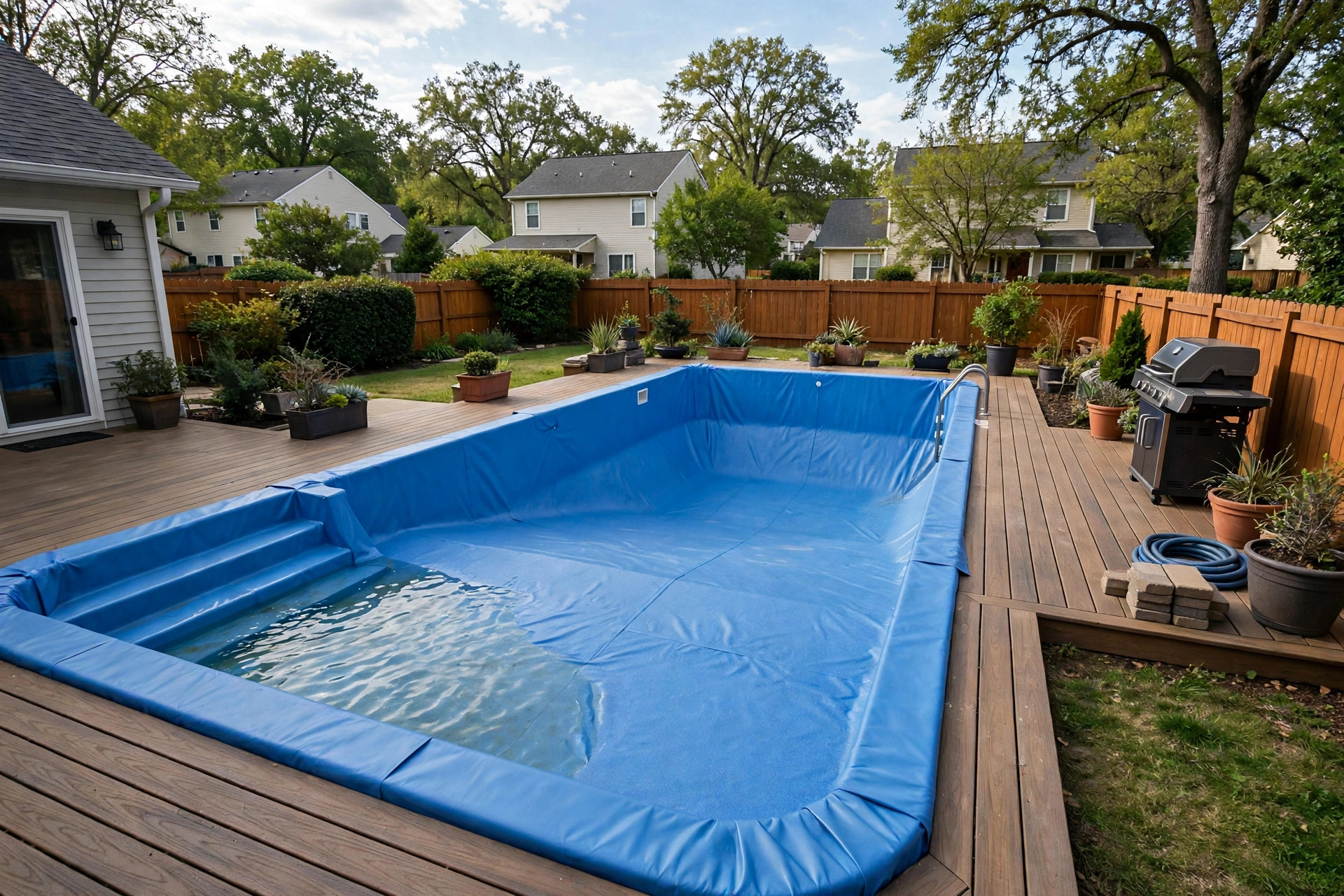
The liner is the skin of a vinyl pool. It holds the water and gives the pool its shape and color. A good liner stops leaks and protects the walls and floor beneath it. It also makes the pool look clean and inviting.
An old liner causes real problems. Small cracks let water escape. The ground around the pool can shift or sink. Chemical balance becomes hard to keep. The water may turn cloudy or green. Algae can grow behind loose spots in the liner.
A fresh liner fixes these problems at once. It seals the pool and restores the look. Energy costs can fall too. A tight liner keeps heat in the water, which is useful if you use a best pool heater for above ground or a full inground heating system. Replacing the liner on time is far cheaper than fixing a damaged pool later.
What to Look For in a New Liner
Thickness and Mil Rating
Liners are sold by thickness, measured in mils. A mil is one thousandth of an inch. Most home pools use 20 mil or 27 mil liners. Some thick liners reach 30 mil. Thicker liners resist tears and punctures better. They also handle harsh winters well. The 20 mil liner is common and costs less. The 27 mil liner costs more but lasts longer.
Material Quality
A liner is made from vinyl, also called PVC. Good liners have UV blockers mixed in. These slow down sun damage. Cheaper liners fade fast and crack early. Look for liners that promise strong seams. The seams are the welded joints. Poor seams are a common leak point.
Color and Pattern
Liners come in many colors and prints. Solid blue is the classic look. Tile borders and mosaic prints add style. Dark colors absorb heat and warm the water a bit. Light colors show dirt faster. Pattern choice is personal, but keep in mind that dark liners can fade more in strong sun.
Fit and Measurement
Every pool is different. The liner must match the exact shape and size of your pool. Poor fit causes wrinkles and stress points. Many dealers measure the pool before they order the liner. Some do the work with a tape and a sketch. Others use digital tools. Accurate measurement is worth the time.
Types of Pool Liners
Standard Vinyl Liners
The standard liner is the most common type. It is made from flexible vinyl sheets welded together. It works in most inground vinyl pools. The cost is fair and the styles are many. Most home pools use this type.
Beaded Liners
Beaded liners have a thick bead along the top edge. The bead snaps into a track at the top of the pool wall. This design makes replacement easier. You do not need to drain and rebuild as much of the pool edge. Many owners like beaded liners for this reason.
Overlap Liners
Overlap liners hang over the pool wall and fold down on the outside. They are common in above ground pools. They cost less than beaded liners. They are simpler to install. But they do not look as clean as a beaded edge.
Tile Print Liners
Tile print liners have a printed tile band at the waterline. They look like real tile at a glance. The price is higher than plain liners. They suit owners who want a high end look without the cost of real tile.
Pool Liner Replacement Cost Estimate: The Numbers
Average Total Cost
A pool liner replacement cost estimate for a standard inground pool often falls between $3,500 and $6,500. This includes the liner and the labor. Small pools cost less. Large pools with steps and corners cost more. Above ground pools cost far less, often between $300 and $1,000 for the liner alone.
Liner Material Cost
The liner itself is a large part of the bill. A standard vinyl liner for a 16 by 32 foot pool can cost $1,000 to $2,500. Thicker liners and fancy prints sit at the high end. Custom shapes cost more than standard rectangles.
Labor Cost
Labor is often half of the total. A crew must drain the pool, remove the old liner, check the walls and floor, make repairs, and fit the new liner. Labor for an inground pool often runs $1,500 to $3,000. The job takes one to three days in most cases.
Extra Repairs
Old pools often need small fixes during replacement. The floor may need a fresh layer of sand or a new foam base. The walls may need paint or patching. Plumbing and skimmers may need new gaskets. These extras can add $200 to $1,000 to your estimate. Ask your installer to check the pool before they quote a price.
Cost by Pool Size
Pool size is the main driver of your total. A small 12 by 24 foot pool uses less vinyl and less labor. The full job may cost $2,500 to $4,000. A medium 16 by 32 foot pool is the most common. The job often costs $3,500 to $6,500. A large 20 by 40 foot pool can cost $5,000 to $9,000. These ranges include both the liner and the crew. They do not include large repairs.
Shape adds to the bill. A simple rectangle needs fewer seams. A freeform pool with curves needs a custom cut. Custom liners take longer to make and longer to fit. Steps, benches, and sun shelves add work too. Each one must be measured and sealed by hand.
When to Replace
Timing affects price. Spring is busy season. Crews are booked and prices run high. Fall is a quieter season. Many dealers offer lower rates in fall. You also get first choice of dates. If the liner still holds water, waiting for fall can save money. Do not wait if the liner leaks badly. A bad leak can damage the pool floor and cost more later.
Warranty and Lifespan
Ask about the warranty. Most liners carry a pro rated warranty. This means the maker pays less as the years pass. A 15 year warranty sounds good, but read the terms. It may cover seams only. It may not cover fading or tears from chemicals. A fair warranty plus good care gives the best value. Keep your receipt and your water test logs. They help if you ever file a claim.
DIY Versus Professional
Some owners install the liner themselves. A DIY job saves on labor but brings risk. A bad fit or a wrinkle shortens the life of the liner. You also need tools and a dry week. Most owners find that a pro is worth the money. A pro can also spot wall damage you might miss.
Care and Upkeep
Water Chemistry
Keep the water balanced. High chlorine and low pH can eat away at vinyl. Test the water two or three times a week in swim season. Keep the pH between 7.2 and 7.6. Keep chlorine in the normal range. A balanced pool protects the liner and your skin.
Cleaning
Brush the walls and floor each week. This stops algae from taking hold. Use a soft brush made for vinyl. Hard brushes can scratch the surface. A pool vacuum or an auto cleaner helps too. You can read more about simple cleaning habits in guides on how to clean pool ladder steps, which applies the same gentle care to steps and ladders.
Opening and Closing
Open the pool in spring with care. Close it in fall with care. In cold areas, lower the water and cover the pool. Ice can tear a liner if water freezes inside the walls. A good winter cover and proper closing steps add years to the liner.
Watch for Damage
Walk the pool and look at the liner each month. Look for fading, small tears, and loose spots. Small tears can be patched with an underwater repair kit. Fix them early. A small tear can grow fast under water pressure. If you plan pool time with friends, a quick check keeps things ready for best pool for entertaining guests ideas without last minute surprises.
Safety During Replacement
Drain With Care
Never drain a pool without advice. Ground water can push an empty pool up out of the ground. This is a real risk in areas with high water tables. Many pros pump water out while they keep watch. They may also pump ground water away from the pool.
Chemical Storage
Store pool chemicals in a cool, dry place away from the work area. Keep them out of reach of children and pets. Do not mix chemicals. Follow the label on each product. The CPSC gives clear rules for safe pool chemical use.
Electrical Work
Turn off pumps and heaters before the job starts. Water and power are a bad mix. If lights or pumps need work, use a licensed electrician. Test the ground fault protection on pool circuits.
Keep Children Away
A drained pool is a fall hazard. Keep children and pets away from the work site. Fence the area if you can. This simple step prevents most accidents.
Frequently Asked Questions
How long does a vinyl pool liner last?
Most vinyl liners last 8 to 12 years. Thicker liners can last 15 years or more. Sun, chemicals, and weather set the real life. A well kept liner lasts longer.
Can I install a pool liner myself?
Yes, but it is hard work. You must measure the pool with care. You must set the liner without wrinkles. You must fill the pool slowly to let the liner settle. Most owners hire a pro to get a clean result.
What is the cheapest way to replace a pool liner?
Buy a standard 20 mil overlap liner and install it yourself. This can cost under $1,000 for an above ground pool. For inground pools, the cheapest pro job is a standard liner with no extra repairs.
Does the pool shape change the cost?
Yes. Rectangles are cheapest. Freeform shapes and pools with steps, benches, and corners cost more. The liner must be cut and sewn to fit each curve. Labor takes longer too.
Should I replace the liner in winter?
Fall and spring are good times. Installers are less busy and prices can be lower. Avoid the peak summer season when crews are booked solid. Cold areas should not leave a pool empty through winter.
How do I know the liner needs replacement?
Look for fading, tears, wrinkles, and leaks. A pool that loses water faster than normal may have a failing liner. High chemical use with no clear cause is another sign.
A Short Final Word
A pool liner replacement cost estimate is more than a number. It is a plan for the years ahead. Choose a liner that fits your pool, your budget, and your climate. Keep the water clean and balanced. Fix small tears fast. Do this, and your new liner will serve you well for many seasons.
Trusted shops and pool guides can help you compare liners and prices. For example, you can browse liner options at Leslie’s Pool Supplies, Pool Warehouse, and The Home Depot. Pool care guides at Swim University explain water balance in plain terms. Spa and hot tub care guides live at Hot Spring Spas and Bullfrog Spas. For reviews and buying advice, Consumer Reports, The Spruce, Bob Vila, and Family Handyman are worth a look.
References
Bob Vila. (n.d.). Home improvement advice. https://www.bobvila.com Bullfrog Spas. (n.d.). Hot tubs and spas. https://www.bullfrogspas.com Consumer Reports. (n.d.). Product reviews and ratings. https://www.consumerreports.org Family Handyman. (n.d.). DIY home repair and maintenance. https://www.familyhandyman.com Hot Spring Spas. (n.d.). Hot tubs and spas. https://www.hotspring.com Leslie’s Pool Supplies. (n.d.). Pool supplies and equipment. https://www.lesliespool.com Pool Warehouse. (n.d.). Pool equipment and supplies. https://www.poolwarehouse.com Swim University. (n.d.). Pool and hot tub care guides. https://www.swimuniversity.com The Home Depot. (n.d.). Home improvement products. https://www.homedepot.com The Spruce. (n.d.). Home and garden advice. https://www.thespruce.com U.S. Consumer Product Safety Commission. (n.d.). Product safety information. https://www.cpsc.gov
Was this guide helpful?

About Jennifer Lee
The My Garden US editorial team writes practical, in-depth home and garden guides for American homeowners — tested advice, no fluff.
You May Also Like
How to Clean Pool Tile Grout and Keep Your Waterline Bright
July 1, 2026 0 views
How to Balance Pool Water Chemistry: A Clear Guide for Pool Owners
June 3, 2026 0 views
How to Fix Cloudy Hot Tub Water: A Clear Guide for Owners
January 22, 2026 0 views