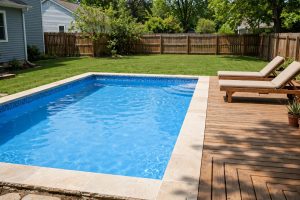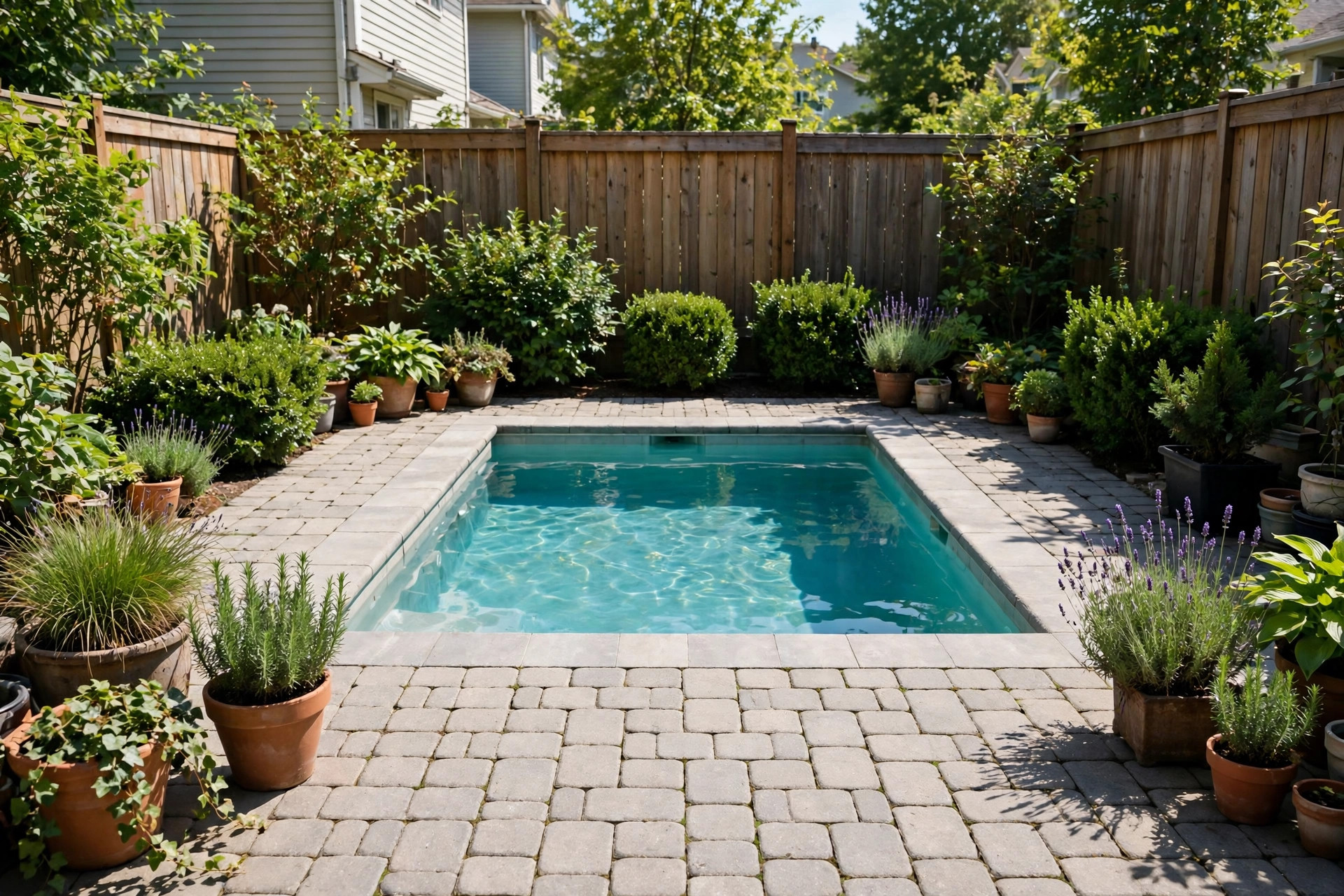
A small yard does not mean life without a pool. The best pool for small yards ideas prove that a narrow lot or a small patio can hold a place to cool off on a hot day. Homeowners across the country now choose plunge pools, spool pools, stock tank pools, and small above ground pools that fit in spaces where a full-size pool never could. With the right plan, a yard of a few hundred square feet can give a family the same joy as a big suburban pool.
Why a Small Yard Pool Matters
Water changes how a family uses a yard. A small pool gives children a place to play, adults a place to float and cool off, and the whole household a reason to step outside. Studies of home values often show that a well-kept pool area lifts the appeal of a house, and even a small plunge pool can add charm to a listing. The best pool for small yards ideas work because they fit the scale of the home. A pool that matches the yard looks planned and neat, while a pool that is too large makes the yard feel crowded.
Small pools also cost less to build and less to run. They use less water, need smaller pumps and filters, and take fewer chemicals. Many owners heat them for a longer season because the low volume warms fast. For a family with a tight lot, the question is no longer whether a pool is possible. It is which design fits best.
How to Choose the Best Pool for a Small Yard: Best Pool for Small Yards Ideas
Start by measuring the yard. Note the width, the depth, the distance from the house to the fence, and the location of doors, windows, trees, and utility lines. Draw a simple sketch on paper. Most codes require setbacks from fences and lot lines, so check local rules before you fall in love with a design. A pool builder or the city permit office can tell you the required clearances.
Next, think about use. Do you want to swim laps, float with a drink, let children splash, or soak in warm water after work? A person who wants exercise may prefer a long narrow lap pool. A person who wants to relax may prefer a plunge pool with a built-in bench. Depth matters too. A pool of four to five feet deep is enough for play and floating, and it uses far less water than a deep diving pool.
Budget comes third. Small pools range from a few hundred dollars for a stock tank setup to tens of thousands of dollars for a custom in-ground plunge pool. Decide your budget range early, then look at designs that fit inside it. Many shoppers find useful pool product and price guidance from large home centers such as Home Depot, which stock pools, pumps, and supplies in a wide range of prices.
Finally, plan the surroundings. A small yard pool needs a little deck space, a walkway, and room for a chair or two. Paving stone, gravel, or composite decking can frame the pool without eating much ground. Leave access for service panels on pumps and filters, and plan where the pool will drain.
Pool Types and Options for Small Yards
Plunge Pools
Plunge pools are small in-ground pools, often eight by twelve feet, built for cooling off rather than swimming laps. They sit low in the ground and look like a natural part of the patio. Many include a bench along one wall, a small step, and a bubbler or jets. Plunge pools suit yards where an above ground pool would block the view. They need a contractor and a permit, but they last for decades.
Spool Pools
A spool is a small pool that works as a spa. It combines a pool body with heated water and jets, so it serves as a cool dip in summer and a hot tub in winter. Spools run about eight to ten feet long. They cost less than a full spa plus a pool, and they fit neatly against a house wall or fence. Because the water stays warm, many owners use a spool year round in mild climates. For buyers weighing heated options, makers of heated spa and hot tub lines show how small heated shells can work in tight yards.
Stock Tank Pools
Stock tank pools use galvanized steel livestock tanks, usually eight or ten feet across, filled with water and fitted with a pump and filter. They cost a few hundred dollars plus the filter kit. They are shallow, often two feet deep, which makes them best for soaking and floating rather than swimming. Rust can appear over time, so many owners add a liner or coat the steel. They are a favorite do-it-yourself project and one of the cheapest best pool for small yards ideas.
Small Above Ground Pools
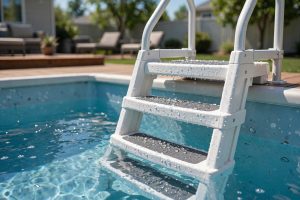
Round or oval above ground pools from twelve to eighteen feet across fit many small yards. They set up in a day or two, cost far less than in-ground pools, and can be taken down or moved. Ladders and filter pumps come in the package or as add-ons. Families often pick these models when they want real swim space at a low price. Our guide to the best above ground pool for families compares popular sizes and features.
Cocktail Pools
Cocktail pools are shallow in-ground pools, about ten feet across and three to four feet deep, built for lounging with a drink. They need little water and little heating. Tanning ledges, where the water is only a few inches deep, are a common feature. Cocktail pools look elegant next to a patio and cost less to build than a full-size pool because excavation is small.
Narrow Lap Pools
A yard that is long and narrow can hold a lap pool only eight feet wide and twenty to forty feet long. Lap pools suit exercise and look striking in a modern yard. They need a strong pump for the long shape, and many owners add a current generator so the pool feels longer than it is. Builders of small custom spa and plunge shells show how compact designs can still give a strong swim current.
Cost and Price
Prices vary by region and by design. A stock tank pool may cost five hundred to two thousand dollars all in. A small above ground pool with pump, ladder, and filter often costs two thousand to five thousand dollars. Plunge pools and cocktail pools, built in-ground by a contractor, often cost twenty thousand to forty thousand dollars, depending on soil, deck work, and features. Narrow lap pools cost about the same or a bit more.
Running costs stay modest for small pools. Expect a few dollars a month in electricity for a small pump, and a modest bill for chemicals. Heating changes the math. A heat pump or gas heater can add a real cost in a cool climate, while a simple solar cover warms the water for almost nothing. Our above ground pool installation cost guide breaks down the typical line items so you can budget with care.
Get at least two or three written quotes for any contractor-built pool. Ask what the quote covers: excavation, plumbing, electrical work, the filter system, decking, and permits. A low quote that leaves out electrical work or haul-away of soil can grow fast.
Care and Upkeep
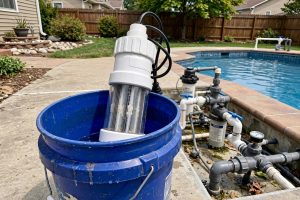
Small pools need the same care as large pools, just in smaller amounts. Test the water two or three times a week with a test kit or strips, and keep chlorine, pH, and alkalinity in the right range. Small bodies of water change chemistry faster than large ones, so do not skip tests. Clear water chemistry advice for home pools can help a new owner learn the basics of testing and dosing.
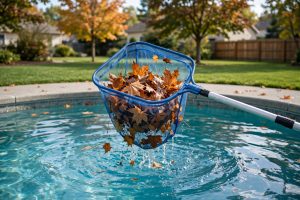
Skim leaves and debris daily, and brush the walls weekly to stop algae. Run the filter for the hours the maker advises, often six to eight hours a day in summer. Backwash or clean the filter on the schedule the manual gives. Cover the pool when it is not in use to cut debris and slow heat loss. Retailers that specialize in pool care supplies carry test kits, sanitizers, and covers sized for small pools.
Winter care depends on climate. In freezing areas, close the pool for winter: lower the water, blow out the lines, and cover it tight. In warm areas, keep the pump running on a shorter schedule and keep the chemistry balanced all year.
Safety
Safety comes first with any pool, and small pools are no exception. Most local codes require a fence around the pool with a self-closing, self-latching gate. The federal guidance on pool and spa safety sets out fence heights, drain cover rules, and supervision advice that every owner should follow. Never leave a child alone near the water, even for a minute.
Add a pool alarm that sounds when someone enters the water, and keep rescue gear within reach. Teach children to swim, and keep the area lit at night so no one falls in by accident. Mark the depth clearly on the deck, and keep glass containers away from the pool edge. If you extend the swim season with a heater, review heater safety in our guide to pool heater for above ground pools, which covers sizing, fuel types, and safe placement.
Frequently Asked Questions
What is the best pool for a very small backyard?
A plunge pool or a stock tank pool is often the best answer. A plunge pool of eight by twelve feet fits most small lots and looks permanent and tidy. A stock tank pool costs far less and needs no contractor. The right choice depends on budget and on whether you want a built-in look or a simple do-it-yourself project.
How small can a pool be and still be worth it?
Pools as small as eight feet across still give real value. They are fine for cooling off, floating, and play. They are not fine for lap swimming, so match the pool to how you plan to use it. Many owners say a small pool gets used more often than a big one because it is close at hand and easy to keep clean.
Do small pools need permits?
Often yes. Most cities treat any pool deeper than a set limit as a pool under the building code, which means a permit, a fence, and an inspection. Above ground pools often need permits too. Call the city permit office before you buy anything. Permit rules vary street by street in some towns.
How much does a plunge pool cost?
A contractor-built plunge pool often costs twenty thousand to forty thousand dollars, including basic deck work. Fancy finishes, heaters, and lights add to the total. Get written quotes and ask what each one covers so you can compare with care.
Can you heat a small pool?
Yes, and small pools heat faster than large ones because they hold less water. A small heat pump or gas heater works well, and a solar cover adds free heat on sunny days. Keep the water covered when you are not swimming to hold the warmth in. Major makers of pool heating and pump equipment publish sizing charts that help you pick a unit for a small volume of water.
How long does an above ground pool last?
A well-kept above ground pool often lasts seven to twelve years. The liner wears first and can be replaced. Keep the chemistry balanced, protect the pool from sharp objects, and store parts dry in winter. Equipment makers such as Hayward sell replacement pumps, filters, and parts that can extend the life of the setup.
A Short Final Word
The best pool for small yards ideas all share one trait: they fit the yard instead of fighting it. Measure first, choose the pool that matches how you will use it, and spend on the safety basics that every pool needs. A modest pool, well kept, will give a family years of cool summer evenings. For more home and yard planning ideas, the home guides at The Spruce cover pools, patios, and small-yard design in plain language.
References
Bullfrog Spas. (n.d.). Hot tubs and spas. https://www.bullfrogspas.com Hayward. (n.d.). Pool equipment and automation. https://www.hayward.com Hot Spring Spas. (n.d.). Hot tubs and spas. https://www.hotspring.com Leslie’s Pool Supplies. (n.d.). Pool supplies and equipment. https://www.lesliespool.com Pentair. (n.d.). Pool and spa equipment. https://www.pentair.com Swim University. (n.d.). Pool and hot tub care guides. https://www.swimuniversity.com The Home Depot. (n.d.). Home improvement products. https://www.homedepot.com The Spruce. (n.d.). Home and garden advice. https://www.thespruce.com U.S. Consumer Product Safety Commission. (n.d.). Product safety information. https://www.cpsc.gov
Was this guide helpful?

About Robert Taylor
The My Garden US editorial team writes practical, in-depth home and garden guides for American homeowners — tested advice, no fluff.