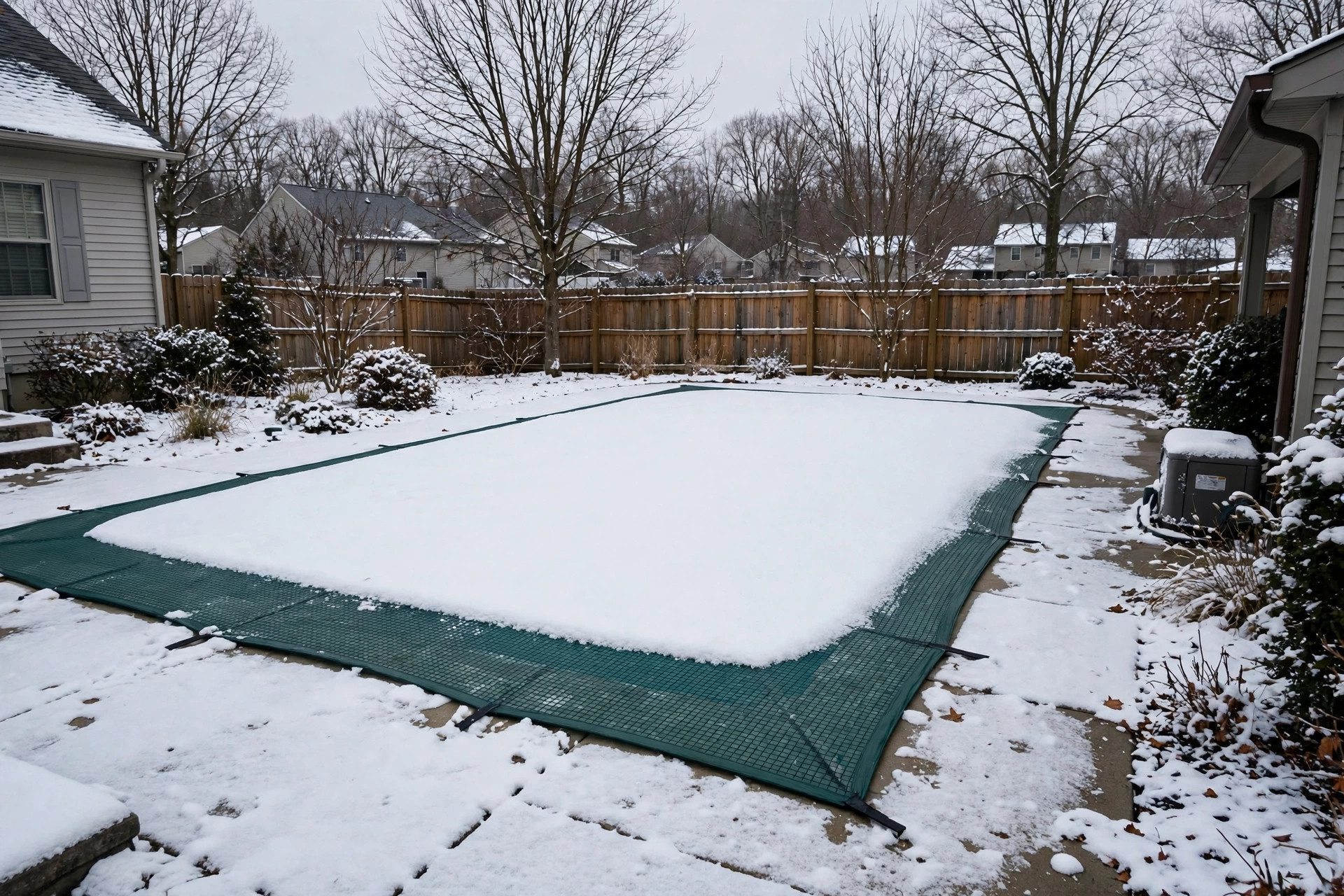

When the first snow falls, a pool owner has one job above all others: protect the water. The best pool cover for winter snow is the one that keeps the pool clean, holds the weight of snow and ice, and lasts for years without tearing. This guide explains each type of cover, how to pick the right one, what it costs, and how to care for it through the cold months.
Why a Good Winter Cover Matters
A pool left open through winter fills with leaves, dirt, and small animals. The water turns dark and thick. By spring, the clean-up takes days, and the cost of chemicals rises fast.
A winter cover stops most of this. It blocks light, so algae grow slowly. It keeps leaves and trash out of the water. It cuts the spring opening time in half in many homes.
Snow makes the job harder. A few inches of snow are light. A foot of wet snow is heavy. One cubic foot of wet snow can weigh more than twenty pounds. A weak cover tears under that weight. A strong cover holds it, or lets the melt water drain through.
A good cover also guards your investment. A pool is one of the most costly parts of a home. A torn cover can lead to a damaged liner, a broken pump, or stained walls. Spending a little more on the right cover now saves much more later.
Types of Winter Pool Covers: Best Pool Cover for Winter Snow
Standard Solid Covers
The most common winter cover is a sheet of thick vinyl or polyethylene. It lies flat over the pool and is held down by water bags or a cable. The sheet blocks all light. Nothing falls into the water.
Solid covers are cheap and easy to put on. Most last two to four seasons. They work well where snow is light. The weakness is weight. Rain and melt water pool on top of the sheet. A cover pump from a home supply store pulls the water off, but deep snow must be removed by hand or broom. If you skip this chore, the cover sags and can tear.
Mesh Covers
A mesh cover is made of woven fabric with tiny holes. Rain and melt water pass through into the pool. Leaves stay on top. Because water drains through, the cover does not sink as fast under snow. Many pool owners in snow country prefer mesh.
The trade-off is light. Some light passes through the holes, so a little algae can grow by spring. The water often opens green and needs shocking. Still, the cover itself stays in place better. For a full season of snow, many experts call mesh the best pool cover for winter snow because it sheds the weight on its own.
Safety Covers
A safety cover is a tight mesh or solid sheet anchored to the deck with springs and brass anchors. It stretches flat like a trampoline. It can hold the weight of a grown man, and most hold deep snow without trouble.
Safety covers cost more, but they last ten to fifteen years. They are the standard choice for families with small children or pets, because they stop a fall into the pool. A pool safety cover review guide can help you compare brands and spring counts.
Automatic Covers
An automatic cover rolls out from a track box at the push of a button. It is made of heavy vinyl slats. It is very safe and very neat. But it is the most costly option, often several thousand dollars. Heavy snow can jam the track or strain the motor. Most owners in snow regions still sweep the snow off by hand.
How to Choose the Right Cover for Heavy Snow
Start with the shape and size of your pool. Measure the pool at its widest and longest points. Add two or three feet to each side for overlap. A cover that is too small pulls at the edges and tears early.
Next, think about snow load. In places that get one or two light snows a year, a standard solid cover with water bags is fine. In places with deep, wet snow, choose a mesh or safety cover. The drain-through design cuts the weight on the fabric.
Check the material thickness. Vinyl covers list their weight in mils. Eight mils is light and cheap. Twelve to sixteen mils is strong and lasts longer. Woven polyethylene covers list scrim count. A higher scrim count means tighter weave and more strength.
Look at the seams. Heat-sealed seams hold better than stitched seams. Stitching lets water in and rots over time. Double-stitched edges with a taped seam are a good sign.
Think about the water level. Most covers sit on the water. If the water drops, the cover hangs in the air and the wind can lift it. Keep the water at the proper winter level all season. An inground pool winterizing guide explains the right level and the chemicals to add before you cover up. Winter closing kits and chemicals are sold at Leslie’s Pool Supplies.
Do not forget the small parts. Water bags, cables, winches, and springs wear out. Buy a few spares with the cover. Check the Consumer Product Safety Commission for current pool barrier and cover safety advice.
Cost and Price
Prices vary by pool size and cover type.
A basic solid winter cover for an above ground pool runs from about sixty to one hundred fifty dollars. For an inground pool of average size, expect one hundred to three hundred dollars.
Mesh winter covers cost a bit more. A mesh cover for an above ground pool runs from about eighty to two hundred dollars. An inground mesh cover runs from about one hundred fifty to four hundred dollars.
Safety covers are the dearest. A mesh safety cover for an average inground pool costs from about one thousand to two thousand five hundred dollars, plus the cost of a professional install in many cases. The long life of ten to fifteen years spreads that cost out.
Automatic covers cost from about five thousand to fifteen thousand dollars installed. They are a luxury choice, not a budget choice.
Add the extras to your budget. A cover pump costs about fifty to one hundred twenty dollars. Water bags cost a few dollars each, and a full set can add fifty to one hundred dollars. Air pillows for above ground pools cost about twenty to forty dollars each.
Cheap covers look like a bargain. They often tear in the first heavy snow. A mid-price cover from a known maker is the better deal for most homes. Reading winter pool cover reviews before you buy can save you from a false economy.
How to Care for Your Cover Through Winter
A cover is not a thing you put on and forget. A little care each month keeps it sound.
Sweep snow off after each storm. Use a soft broom or a plastic roof rake. Never use a metal shovel. A shovel edge can slice the fabric in one stroke. Clear the snow down to a thin layer. You do not need bare fabric, but deep piles must go.
Pump standing water off solid covers. A small automatic pump can do this for you. Place it in the lowest spot. Check the cord and the outlet each month. Guides from Swim University show the best pump placement for different cover shapes.
Keep the water bags full. Water bags hold the edge of the cover down. Sun and frost crack them over a season. A half-empty bag lets the wind get under the cover. Top them up or swap in spares when they go soft.
Watch the water level under the cover. If it drops far, rain and snow press the cover down onto the pool floor and strain the fabric. Add water with a garden hose on a mild day if the level is low.
Check for sagging in the middle. A cover that sags deep is holding too much weight. Clear it and pump it dry. If the fabric has stretched, it may need to be taken off and reset.
At season end, clean the cover before you store it. Sweep off all dirt. Wash it with mild soap and water. Let it dry fully in the sun. A damp cover grows mold in storage. Fold it loosely and keep it in a dry place out of the sun.
Safety First
A winter cover can look like solid ground to a child. Standard solid and mesh covers are not strong enough to hold a person. They can trap a child or pet under the fabric and the water.
If safety is your main need, buy a true safety cover. It must meet the ASTM standard for pool covers. The label on the box should say so. Keep the springs tight and the anchors firm. A loose safety cover is not safe.
Never let children play on a snow-covered pool. The snow hides the edge. A child can slide in and get trapped. Keep the gate locked and the alarm on all winter. Many local codes demand a fence and a gate alarm even when the pool is covered.
Teach everyone in the house the rule: the pool is closed in winter. No walking on the cover. No playing near the edge. If you own a spa as well as a pool, give the spa its own cover and lock. Spa makers such as Hot Spring and Bullfrog Spas sell locking hard covers made for winter use.
Frequently Asked Questions
What is the best pool cover for winter snow in a snowy state? For heavy snow country, a mesh safety cover is the top pick. It drains melt water, holds snow weight, and lasts a decade or more. A standard mesh winter cover is the best budget pick for snow, since water passes through instead of pooling on top.
Can I leave the snow on the cover all winter? No. Light dustings are fine, but deep snow must be cleared. Wet snow is very heavy. It stretches the fabric and can tear seams or pull out anchors. Clear the cover after each big storm.
Should the pump run under a winter cover? Most pools shut the pump down for winter. In mild areas some owners run the pump a few hours a day to keep water moving. If you winterize fully with chemicals, the pump can stay off until spring. Ask your pool shop what fits your climate.
How long does a winter pool cover last? A basic solid cover lasts two to four seasons. A mesh cover lasts three to five seasons. A safety cover lasts ten to fifteen years with new springs now and then. Sun, ice, and poor storage shorten the life of any cover.
Do I need an air pillow under an above ground pool cover? An air pillow is a good idea. It floats in the middle and pushes the cover up into a dome. Rain and snow slide off instead of pooling in the center. It also gives ice room to expand without pressing on the walls. Most above ground covers last longer with one in place. If you swim late into fall, a pool heater for above ground pools can stretch the season before you close up.
Where can I compare winter covers side by side? Our winter pool cover reviews page compares top brands by fabric strength, price, and snow handling, so you can match a cover to your winter.
When should I put the winter cover on? Cover the pool when daytime highs stay below about sixty-five degrees and you are done swimming. Wait too long and leaves fill the pool. Cover too early and warm water grows algae under the dark cover. Late fall is the right time in most states.
A Final Word
The best pool cover for winter snow is the one that matches your climate, your pool, and your budget. Light snow regions do fine with a solid cover and a good pump. Heavy snow regions need mesh or a safety cover that sheds the weight. Whatever you choose, clear the snow, keep the water level right, and check the cover through the season. Come spring, the pool will open clean, and the work will be short. For many pool owners, the cover is the cheapest insurance the pool will ever have.
References
Bullfrog Spas. (n.d.). Hot tubs and spas. https://www.bullfrogspas.com Hot Spring Spas. (n.d.). Hot tubs and spas. https://www.hotspring.com Leslie’s Pool Supplies. (n.d.). Pool supplies and equipment. https://www.lesliespool.com Pool Warehouse. (n.d.). Pool equipment and supplies. https://www.poolwarehouse.com Swim University. (n.d.). Pool and hot tub care guides. https://www.swimuniversity.com The Home Depot. (n.d.). Home improvement products. https://www.homedepot.com The Spruce. (n.d.). Home and garden advice. https://www.thespruce.com U.S. Consumer Product Safety Commission. (n.d.). Product safety information. https://www.cpsc.gov
Was this guide helpful?

About James Carter
The My Garden US editorial team writes practical, in-depth home and garden guides for American homeowners — tested advice, no fluff.
You May Also Like
How to Fix Pool Filter Leaking: A Practical Guide for Pool Owners
June 11, 2026 0 views
How to Maintain Hot Tub Water Chemistry the Simple, Safe Way
April 24, 2026 0 views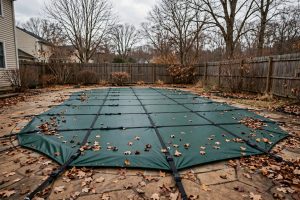
Best Pool Cover for Winter Reviews: A Plain Guide to Keeping Your Pool Safe All Winter
October 5, 2026 0 views