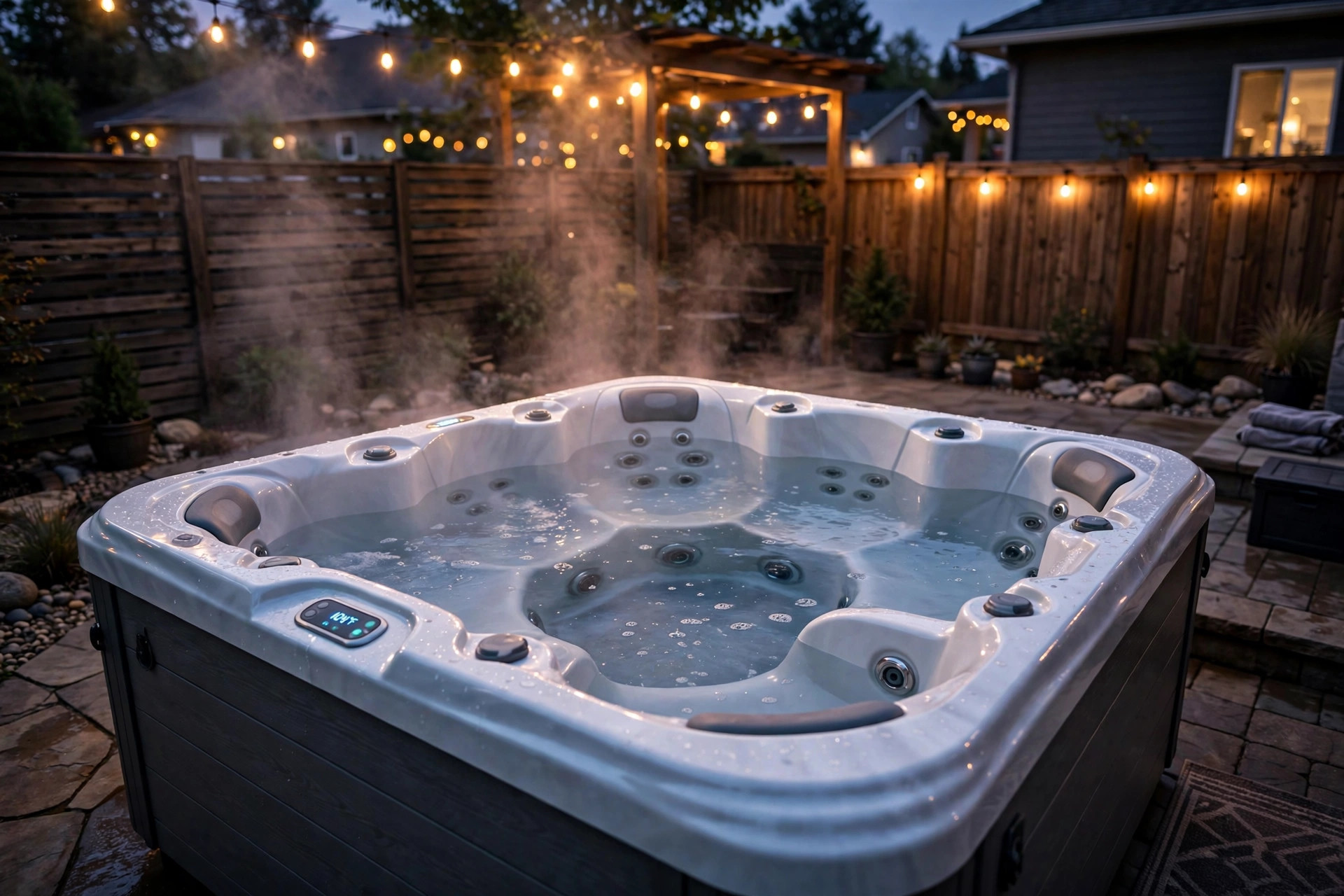

When you search for the best hot tub for hydrotherapy benefits, you are not shopping for a party tub. You are shopping for a tool that eases pain and melts stress. Hydrotherapy is the use of warm water, buoyancy, and massage jets to help the body heal. Doctors, trainers, and physical therapists have used it for many years. Now the same benefits can live on your back patio.
A hot tub built for therapy is different from a basic spa. The seats fit the body. The jets hit the right spots. The water stays hot and clean. This guide will help you learn what matters, what does not, and how to spend your money with care.
Why Hydrotherapy Matters for the Body
Warm water does three things at once. First, it relaxes tight muscles. Heat widens the blood vessels and lets blood flow more freely. Sore muscles get more oxygen. Waste products leave faster. Many people feel relief after twenty minutes in warm water.
Second, water takes the load off the joints. When you sit in a hot tub, your body feels lighter. This is buoyancy. Your knees, hips, and lower back get a rest. People with arthritis or old sports injuries often move more easily in the tub than on land. The gentle pressure of the water also helps blood move back toward the heart.
Third, massage jets add a deeper benefit. Strong streams of water knead the muscles. They work like a warm massage you can enjoy at home. Neck pain, back pain, and shoulder tension respond well to steady jet pressure. Many users say their sleep improves after an evening soak.
Stress relief is another real benefit. Warm water lowers the level of stress hormones in the blood. Heart rate slows. Breathing slows. A daily soak can become a calm habit at the end of a long day. The therapeutic spa guides at The Spruce give a clear picture of how families use their tubs for relaxation and recovery.
No hot tub can replace a doctor. If you have a heart problem, high blood pressure, or a joint injury, ask your doctor before you buy. But for many healthy adults, a well-built spa is a simple way to feel better each day.
What to Look For When You Choose: Best Hot Tub for Hydrotherapy Benefits
Shopping for a therapy spa takes a little study. Keep these points in mind.
Seat design comes first. The best hot tub for hydrotherapy benefits has seats that fit real bodies. Look for deep seats that let the water reach your shoulders. A full-length lounger lets your whole body stretch out. Seats with leg jets help tired calves and feet. Corner seats with neck jets are good for stiff shoulders.
Jet count matters less than jet quality. A tub with forty weak jets can feel worse than a tub with twenty strong jets. Look for jets you can turn, aim, and adjust. Rotary jets move in a circle. Directional jets point at one spot. A mix of both gives the best massage. Ask to test the jets before you buy. A good dealer will let you sit in a filled tub.
Water temperature control must be simple. Hot tubs heat water to 100 to 104 degrees. For therapy, most people soak at 101 to 103 degrees. Look for a digital control panel that holds the set point within one degree. Small swings in temperature make the soak less pleasant.
Pump strength drives the jets. One pump can serve a small tub with a few seats. Larger tubs need two pumps so every seat gets full pressure. If too many jets share one pump, each jet feels weak. This is why premium models cost more. They have the power to run every jet at full force.
Size and depth affect comfort. Taller people need deeper tubs. Shallow water over the knees leaves the shoulders cold. Most therapy spas hold 300 to 500 gallons. Six-person tubs are common, but a four-person tub often gives each seat more space. Sit in the model you plan to buy. Your knees should bend without pain. Your feet should reach the floor of the foot well.
Insulation keeps the heat in. If you live where winters are cold, full-foam insulation is worth the money. It keeps the water hot and lowers the power bill. For more on cold-weather models, see our guide to the best hot tub for cold climates.
Jet Systems and Massage Styles
Jet systems fall into three main styles. Open-seat jets sit low in the wall and hit the lower back. Shoulder jets sit high and work the neck. Foot jets sit in the floor and massage the soles. The best therapy spas combine all three. Some brands build interchangeable jet faces. You can swap a rotary jet for a pulsing jet in seconds. This lets each person tune the seat to their own sore spots.
Look for air controls too. A small dial near the seat lets you add air to the water stream. Air makes the jet feel sharper. Closing the dial makes the stream softer. This simple control adds a lot to the massage.
Types of Hot Tubs for Home Hydrotherapy
Portable acrylic spas are the most common choice. They sit on a pad or deck. They hold 300 to 500 gallons. They come with 20 to 60 jets, one or two pumps, and a heater. Prices run from about 3,500 to over 16,000 dollars. Most therapy seekers buy in this group. Brands such as Hot Spring and Bullfrog Spas have built their names on strong jet systems and deep, comfortable seats.
Inflatable spas are a low-cost way to start. They cost 300 to 800 dollars. You fill them with a garden hose and plug them into a normal outlet. The jets are air bubbles rather than water streams. They feel nice but they are weak. For real muscle therapy, an inflatable tub is only a first step. Still, they are useful for people who want to test whether warm water helps before they spend more.
Plug-and-play spas sit between the two. They are hard-shell tubs that run on a standard 120-volt outlet. They cost 2,500 to 5,000 dollars. They heat slowly and the jets are modest. Some owners later pay an electrician to wire them for 220 volts. That upgrade makes the heater and jets much stronger.
Swim spas are long tubs with swim currents and hot tub seats at one end. They cost 15,000 to 35,000 dollars. They suit people who want both exercise and therapy in one unit. They need a large pad and a heavy electrical supply. For most buyers they are more than needed.
Cost and Price: What You Will Pay
A therapy hot tub costs more than a basic spa, but the price is tied to real features. Here is a plain look at the market.
Entry-level portable spas cost 3,500 to 6,000 dollars. You get solid seats, a decent heater, and enough jets for mild therapy. Mid-range models cost 6,000 to 10,000 dollars. You get stronger pumps, better jets, full insulation, and nicer controls. Premium models cost 10,000 to 16,000 dollars or more. You get top jet systems, deep loungers, ozone or salt systems, and fine cabinet work.
Running costs are modest. Most owners pay 30 to 60 dollars a month for power in mild climates. Cold climates cost more if the tub is poorly insulated. Water and chemicals add about 20 dollars a month. A good cover cuts heat loss by half. Replace a worn cover before winter.
Set a budget and sit in tubs at two or three price levels. Feel the difference in the jets. The right step up is the one where the massage feels clearly better. Retailers such as The Home Depot list prices across many models, which helps you compare before you visit a dealer.
Care and Upkeep of Your Spa Water
Clean water is part of therapy. Dirty water can irritate the skin and eyes. Hot tubs are small, so water chemistry changes fast. Learn the basics before your first fill.
Test the water two or three times a week. A test strip or liquid kit shows pH, alkalinity, and sanitizer level. Keep pH between 7.2 and 7.6. Use chlorine or bromine to kill germs. Shock the water weekly to burn off waste. The water-care guides at Swim University explain each step in plain words.
Change the water every three or four months. Heavy use calls for more frequent changes. Rinse the filter each month and replace it yearly. Keep the cover on when the tub is not in use. It keeps dirt out and heat in.
For a full routine, read our article on how to maintain hot tub water chemistry. If you are new to spa chemicals, our piece on the best hot tub chemicals starter kit lists what to buy first. Shops like Leslie’s stock test kits, filters, and cover care products in one place.
Safety Rules for Warm-Water Therapy
Hydrotherapy is safe when you follow a few rules. The U.S. Consumer Product Safety Commission sets 104 degrees as the top limit for hot tubs. For therapy soaks, 101 to 103 degrees is plenty. Hotter water raises body temperature faster than you think.
Limit soaks to 15 or 20 minutes at a time. Get out if you feel dizzy, light-headed, or too warm. Drink water before and after your soak. Alcohol and hot tubs are a bad mix. Alcohol lowers judgment and raises the risk of fainting.
Children need close watch. Keep the water below 100 degrees for kids and limit them to ten minutes. Use a locking cover when the tub is not in use. Never leave a child alone near any spa.
Some people should be extra careful. Pregnant women, people with heart disease, and people with high blood pressure should ask a doctor first. People with skin infections should stay out until the skin heals. Diabetics should check feet carefully after soaking, since hot water can hide small injuries.
Accessories matter too. A sturdy step makes entry safe. A cover lifter, sold by stores like Pool Warehouse, makes the heavy cover easy to move without straining your back. Good lighting around the tub prevents slips at night.
Frequently Asked Questions
How hot should the water be for hydrotherapy? Most people do best at 101 to 103 degrees. This range relaxes muscles without overheating the body. Start at 100 degrees if you are new to hot tubs. Never set the water above 104 degrees.
How long should each therapy session last? Fifteen to twenty minutes is enough for most people. That is time for heat and jets to loosen tight muscles. Longer soaks can cause dizziness or dry skin. Take a break, drink water, and get back in later if you like.
Can a hot tub help arthritis and back pain? Many people with arthritis and back pain find real relief in warm water. Heat loosens stiff joints. Buoyancy takes weight off the spine. Jets knead sore muscles. A hot tub is not a cure, but it can make daily life easier. Talk to your doctor about adding warm-water soaks to your care plan.
Will an evening soak help me sleep? For many people, yes. Warm water raises body temperature. When you get out, your body cools down. That drop in temperature signals the brain that it is time to sleep. Soak 60 to 90 minutes before bed for the best effect.
Are inflatable hot tubs good enough for hydrotherapy? Inflatable tubs give warm water and bubbles, which feel pleasant. But their jets are weak air bubbles, not strong water streams. For real muscle massage, a hard-shell spa with real pumps is far better. Use an inflatable tub to test the idea, then upgrade if warm water helps you.
How often must I change the hot tub water? Plan on a full water change every three to four months with normal use. Change it sooner if the water smells odd, feels slimy, or will not clear up with chemicals. Regular testing and filter care make each fill last longer.
A Short Final Word
The best hot tub for hydrotherapy benefits is the one that fits your body, your budget, and your health needs. Deep seats, strong adjustable jets, and steady heat matter most. Sit in the tub before you buy. Feel the massage on your neck and back. Check the warranty and the dealer’s service record. A hot tub is a long-term friend. Choose with care, keep the water clean, and soak in good health.
References
Bullfrog Spas. (n.d.). Hot tubs and spas. https://www.bullfrogspas.com Hot Spring Spas. (n.d.). Hot tubs and spas. https://www.hotspring.com Leslie’s Pool Supplies. (n.d.). Pool supplies and equipment. https://www.lesliespool.com Pool Warehouse. (n.d.). Pool equipment and supplies. https://www.poolwarehouse.com Swim University. (n.d.). Pool and hot tub care guides. https://www.swimuniversity.com The Home Depot. (n.d.). Home improvement products. https://www.homedepot.com The Spruce. (n.d.). Home and garden advice. https://www.thespruce.com U.S. Consumer Product Safety Commission. (n.d.). Product safety information. https://www.cpsc.gov
Was this guide helpful?

About Sarah Mitchell
The My Garden US editorial team writes practical, in-depth home and garden guides for American homeowners — tested advice, no fluff.
You May Also Like
Best Pool Chlorine Tablets for a Bulk Buy: A Complete Guide
May 22, 2026 0 views
How to Open Pool for Summer Season: A Complete Step-by-Step Guide
April 1, 2026 0 views
Best Pool Cover for Leaves Autumn: Keep Your Pool Clear All Season
February 13, 2026 0 views