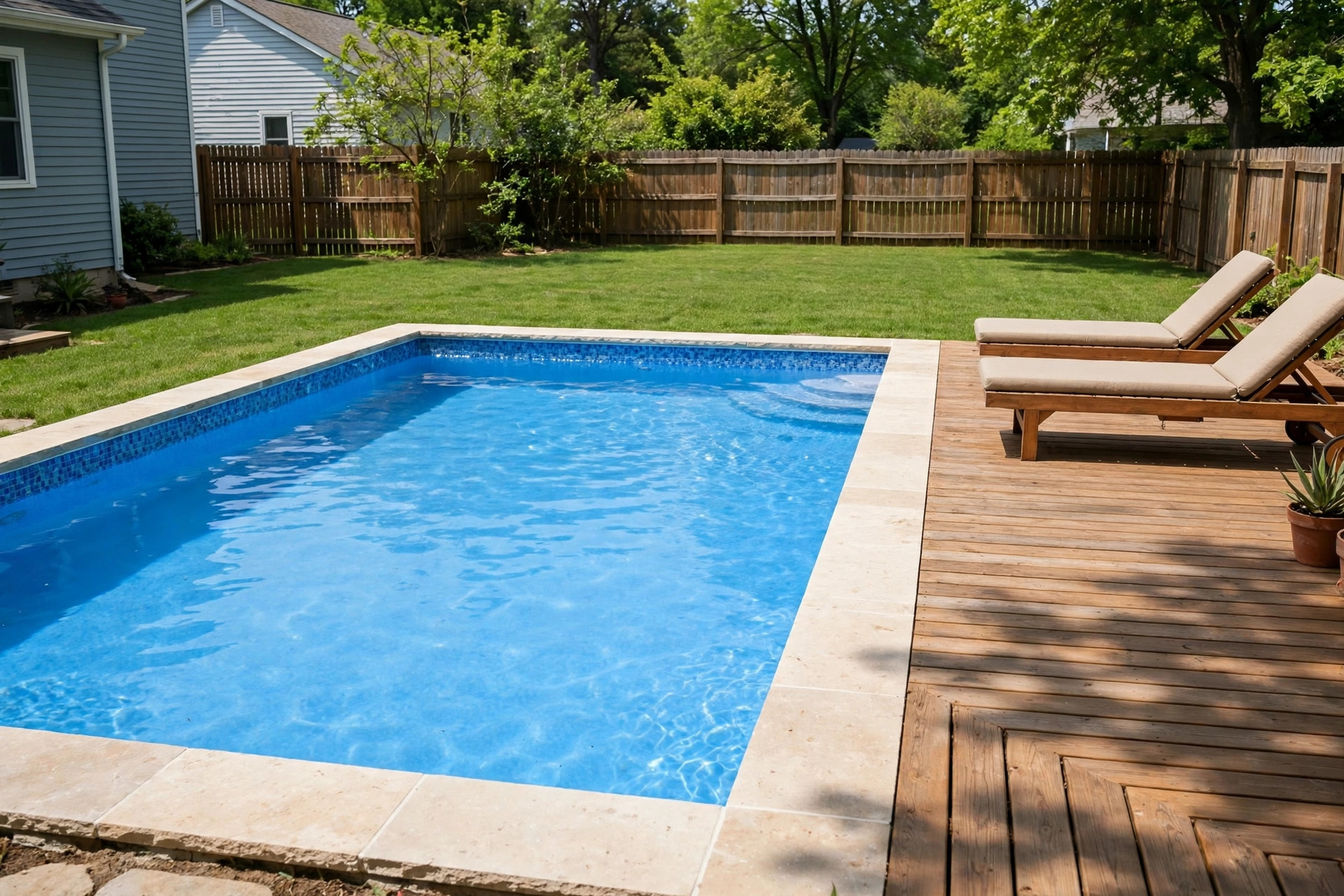

Every pool owner faces the same question at some point. The pool surface looks worn. Stains will not brush away. The finish feels rough underfoot. When simple pool resurfacing options pros cons thinking starts, it helps to slow down and learn the facts first. A new pool surface is a large job. It costs real money and it lasts for many years. The right choice gives you a smooth, safe pool that looks clean and holds its color.
This guide walks through the main pool resurfacing options with their pros and cons. It covers white plaster, quartz finishes, pebble finishes, fiberglass, and tile. It also covers cost, care, and safety. Read it through before you call a contractor.
Why Pool Resurfacing Matters
The pool surface does more work than most people think. It is not just for looks. The finish seals the pool shell and keeps water from leaking into the ground. It also keeps algae from getting a grip. A smooth, sealed surface makes the pool easy to brush and easy to vacuum. A rough or cracked surface does the opposite. Algae hide in the cracks. Stains set into rough spots. Chemicals work less well because dirt never fully leaves.
An old finish also affects comfort. Many owners first notice the need for resurfacing with their feet. The floor feels sharp or gritty. Swimmers complain of scraped knees and sore feet. Steps may look chalky or stained. These are signs that the finish has worn thin.
Resurfacing at the right time saves money in the long run. If you wait too long, water can seep behind the finish and damage the shell. That repair costs far more than a planned resurfacing job.
What to Look for Before You Choose: Pool Resurfacing Options Pros Cons
Before you pick a finish, check the current state of your pool. A contractor will do this too, but your own notes help you ask better questions.
Signs Your Pool Needs a New Surface
Watch for these common signs:
– Stains that do not fade after shock treatment and brushing. – A rough, sandpaper feel on the floor or walls. – Visible cracks, chips, or hollow spots that sound dull when tapped. – Patches where the finish has worn through to gray or dark spots. – Water that turns cloudy soon after cleaning, even when chemicals test normal.
If you see two or more of these signs, the surface is near the end of its life. A pool with vinyl walls has its own signs, and owners of vinyl pools often compare best pool vacuum head for vinyl guides to keep their liners in good shape between replacements.
Things to Ask a Contractor
A good contractor will answer plain questions with plain answers. Ask how many years they have done resurfacing work. Ask to see photos of recent jobs. Ask what the full job includes: drain, prep, repair of hollow spots, new finish, startup chemicals, and cleanup. Ask about the warranty in writing.
Also ask about water chemistry for the new finish. Some finishes need special care in the first month. This is called startup. Guides from places like Swim University also cover startup basics if you want to read ahead.
Main Pool Resurfacing Options
Here are the main choices, with honest pros and cons for each. No single option is best for every pool. Your budget, your climate, and how you use the pool all matter.
White Plaster (Marcite)
White plaster is the old standard. It is a mix of cement, marble dust, and water. It has been used in pools for many decades. Many older pools already have it.
Pros: It costs less than most other finishes. It gives the classic bright blue pool color. It feels smooth when new. Repairs are simple and most contractors know how to apply it well.
Cons: It lasts the shortest time, often seven to ten years. It stains more easily than other finishes. It is sensitive to water chemistry. Low pH or low calcium can etch it. High pH can cause scale. It needs more acid and more testing than tougher finishes.
White plaster suits owners who want a low price now and do not mind resurfacing again in less than a decade.
Quartz Aggregate
Quartz finishes mix quartz crystals into the plaster. The crystals show as small colored specks. Brands vary, but the idea is the same: harder material means a tougher surface.
Pros: It lasts longer than plain plaster, often ten to fifteen years. It resists stains and etching better. It comes in many colors, from light blue to dark slate. It still looks and feels like a smooth plaster pool.
Cons: It costs more than plain plaster. The surface can feel slightly rough compared to new white plaster. Color can vary a bit between batches, so matching later repairs is hard.
Quartz is a good middle choice. It costs more up front but asks for less care over the years.
Pebble Aggregate
Pebble finishes embed small smooth stones into the plaster base. The stones come in many natural colors. When the plaster is washed back, the pebbles show through and form the surface.
Pros: It lasts the longest of the cement-based finishes, often fifteen to twenty years or more. It hides stains and small flaws very well. It comes in many rich colors. It is very tough against chemicals and weather.
Cons: It costs the most of the cement-based options. The surface feels rougher underfoot than plaster or quartz. Small children may find it rough on soft feet. Dark colors can make the pool floor hard to see in deep water.
Many owners love pebble finishes for their look and long life. If you are comparing plaster and pebble in detail, see our guide on pool plaster vs pebble finish comparison.
Fiberglass and Gel Coat
Fiberglass is a hard shell made of glass fibers and resin. It can be applied as a coating over an old plaster pool, or a whole pool can be built from fiberglass. The top layer is called gel coat.
Pros: It is very smooth and easy to clean. Algae have little to grip. It resists stains well. It is less sensitive to chemical ups and downs than plaster.
Cons: A gel coat job can fade or chalk in strong sun over time. Repairs must be done by people who know fiberglass work. Costs can be high, close to pebble in some markets.
Fiberglass works well in areas with shifting soil, since the shell flexes a little instead of cracking.
Tile Overlays and Full Tile
Some pools get a tile finish on steps, benches, and waterlines. A full tile pool is rare in homes because the cost is high. Most often, tile is used with another finish.
Pros: Tile lasts a very long time. It looks rich and clean. It is easy to wipe down at the waterline. Glass tile adds sparkle and depth.
Cons: Full tile is very costly. It takes longer to install. Grout lines need care to stay clean. Loose tiles must be fixed before they fall.
Tile is best seen as an accent choice for most homes. It pairs well with plaster, quartz, or pebble below the waterline.
Vinyl Liners
Vinyl is not a resurfacing finish in the strict sense, but many owners consider it when the old surface is shot. A vinyl liner is a thick sheet fitted over the pool walls and floor. It is common in pools built for liners.
Pros: It is smooth and kind to feet. It is one of the lowest-cost full replacements. Many patterns and colors exist.
Cons: Liners tear and puncture. They last about seven to twelve years. Sun and chemicals fade them. They cannot be used on every pool shape unless the pool was built for a liner.
If you own a vinyl pool, keep the right tools on hand. A vacuum head made for vinyl avoids tears in the liner during weekly cleaning.
Cost and Price
Price is the part every owner wants to pin down first. Real numbers vary by region, pool size, and prep work needed. Still, some ranges help with planning.
For a standard home pool, white plaster often costs the least. Quartz costs more than plaster by a clear step. Pebble costs the most of the three. Fiberglass coating can land near pebble, while full fiberglass shell pools are priced with the pool build itself. Full tile can cost several times more than plaster.
What drives the price up? Prep work is the big one. If the old surface must be chipped out, the labor grows. Crack repairs add cost. New tile at the waterline adds cost. Startup chemicals and water fill add a smaller amount. Always get the full job in writing. A low bid that skips prep can fail early and cost more later.
Get three written quotes. Ask each bidder the same questions. Be wary of any price that is far below the others. That usually means missing steps, thin material, or no warranty. Retailers such as The Home Depot and Pool Warehouse list many resurfacing materials, which can help you sense-check material prices on your own. An empty pool is also a good time to review equipment, so some owners look into inground pool heater installation cost while the pool is drained.
Care and Upkeep After Resurfacing
A new finish needs the right start. The first month matters most. Follow the startup plan your contractor gives you. In general, brush the whole pool daily for the first two weeks. Test the water often. Keep pH in the safe range. Do not let the pool sit with bad chemistry during startup, since plaster dust and fresh surfaces are soft.
After startup, settle into a steady routine:
– Test water two or three times per week. Keep chlorine, pH, and alkalinity in range. – Brush the walls and floor weekly, even when the pool looks clean. – Run the filter enough hours each day for your pool size. – Vacuum weekly or use an automatic cleaner. – Keep calcium levels right for plaster-based finishes to avoid etching or scale.
Learn what your finish needs. Pebble and quartz forgive small lapses. Plain plaster does not. Stores like Leslie’s carry test kits and chemicals for pool owners.
For hot tub owners reading along, the same care ideas apply on a smaller scale. Spa brands such as Bullfrog Spas and Hot Spring publish water care guides for their tubs, and the chemistry basics carry over.
Watch the waterline. Oils, sunscreen, and dirt build a ring there. Wipe it down often. A clean waterline keeps the finish looking new for years.
Safety
A pool surface job touches safety in real ways. Take these points to heart.
First, an empty pool is a fall hazard. Keep children and pets away from the work area while the pool is drained. A fence or barrier should stay up during the whole job. The U.S. Consumer Product Safety Commission publishes pool safety guidance that every owner should know.
Second, fresh finishes can be slippery in new ways. Pebble can be rough, and smooth plaster can be slick when wet. Warn swimmers, and watch small children on steps until everyone learns the new feel.
Third, chemicals used in startup and weekly care need safe storage. Keep them in a cool, dry place. Lock them away from children. Never mix chemicals together. Add them to water one at a time, as the labels say.
Fourth, check drains and covers while the pool is empty. A missing or broken drain cover is a serious hazard. Replace any worn covers before refilling. This is a cheap fix that can save a life.
FAQ
How long does pool resurfacing take?
Most jobs take one to three weeks from drain to swim. Prep work takes the most time. Weather can slow outdoor work. Ask your contractor for a written schedule.
Can I resurface my pool myself?
Small patch repairs are possible for handy owners, and Family Handyman has guides for minor pool repairs. But a full resurface is not a weekend job. It needs the pool drained, the old surface prepped, and the new finish applied evenly and cured right.
Which finish lasts the longest?
Pebble aggregate usually lasts longest, often fifteen to twenty years or more. Quartz comes next. Plain plaster lasts the least. Fiberglass can also last long, but sun exposure can wear the gel coat over time.
Will resurfacing fix leaks?
It can fix leaks caused by a failing surface. But leaks can also come from pipes, fittings, or the shell itself. A good contractor will check for the true cause before promising a fix.
How do I keep the new finish looking new?
Brush weekly, test water often, and keep chemistry in range. Clean the waterline. Fix small chips fast before they grow. Home guides from The Spruce cover weekly pool routines in plain terms.
Does color choice affect the pool?
Yes. Light colors make the water look bright blue and make the floor easy to see. Dark colors give a lagoon look but can make deep areas harder to read. Dark finishes also absorb more heat, which can warm the water a bit in sunny climates.
A Final Word
Choosing among pool resurfacing options comes down to honest math and honest needs. Plain plaster costs less now and asks for more care. Quartz sits in the middle. Pebble costs more and lasts longest. Fiberglass gives a smooth, low-grip surface.
Get the prep in writing. Get the warranty in writing. Care for the finish in its first month, and it will pay you back for years. A pool with a sound surface is a pool you can trust: clean water, safe footing, and summers that start on time.
References
Bullfrog Spas. (n.d.). Hot tubs and spas. https://www.bullfrogspas.com Family Handyman. (n.d.). DIY home repair and maintenance. https://www.familyhandyman.com Hot Spring Spas. (n.d.). Hot tubs and spas. https://www.hotspring.com Leslie’s Pool Supplies. (n.d.). Pool supplies and equipment. https://www.lesliespool.com Pool Warehouse. (n.d.). Pool equipment and supplies. https://www.poolwarehouse.com Swim University. (n.d.). Pool and hot tub care guides. https://www.swimuniversity.com The Home Depot. (n.d.). Home improvement products. https://www.homedepot.com The Spruce. (n.d.). Home and garden advice. https://www.thespruce.com U.S. Consumer Product Safety Commission. (n.d.). Product safety information. https://www.cpsc.gov
Was this guide helpful?

About Emily Rodriguez
The My Garden US editorial team writes practical, in-depth home and garden guides for American homeowners — tested advice, no fluff.
You May Also Like
Best Pool Skimmer for Inground Pools: A Complete Buying Guide
September 4, 2026 0 views
Best Pool Net for Cleaning Leaves: A Complete Guide
August 28, 2026 0 views
Best Pool Toys for Teenagers Reviews: A Practical Guide for Families
April 27, 2026 0 views