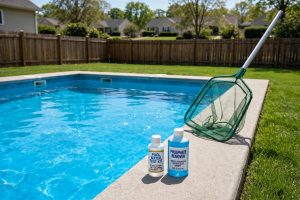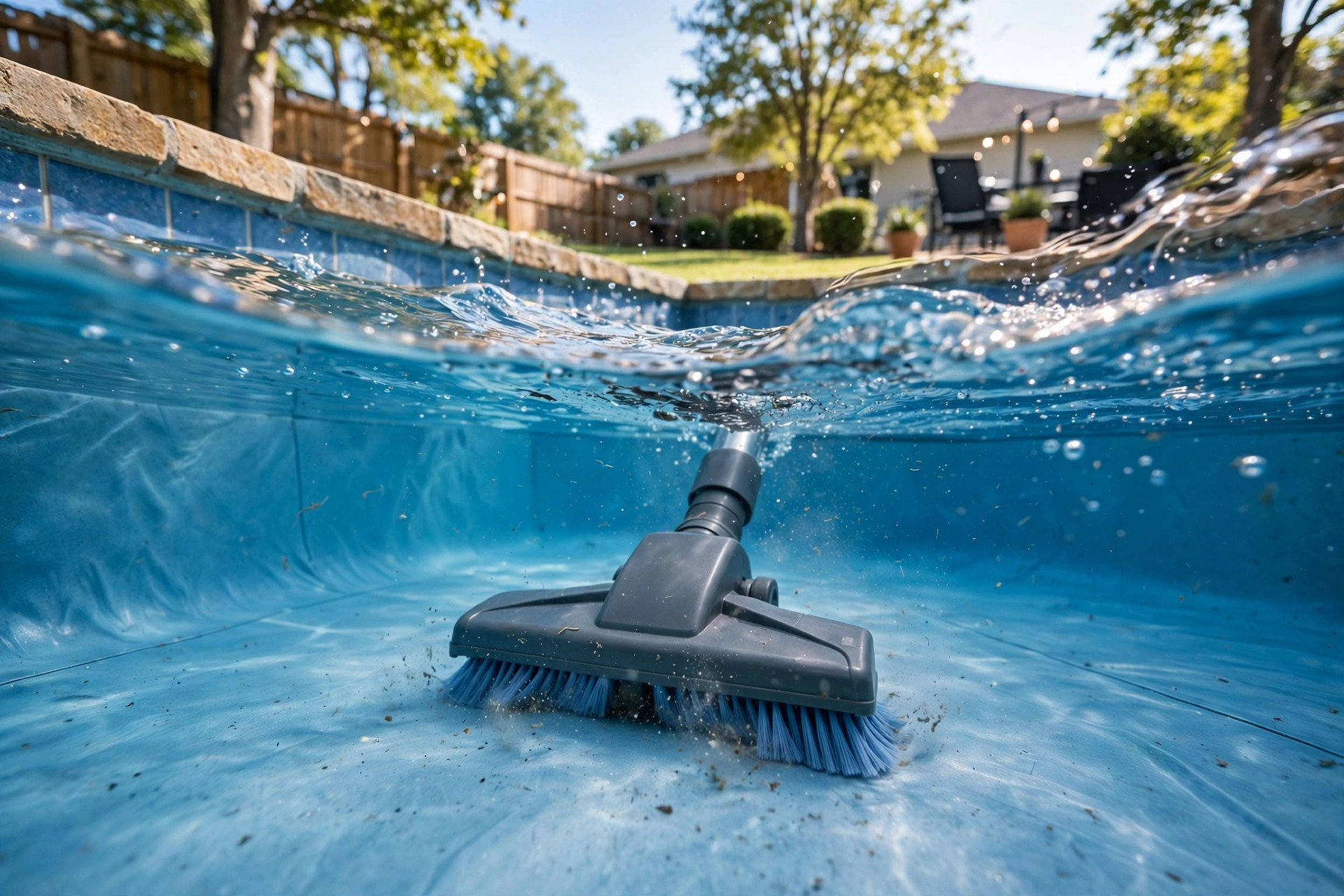

A vinyl pool needs steady care. Dirt falls in each day. Leaves blow in with the wind. Sand tracks in on wet feet. If you own a vinyl pool, the best pool vacuum head for vinyl is the tool that keeps the liner clean and safe. A cheap or rough head can scratch the liner. A good one lifts dirt and leaves the surface smooth.
Many pool owners vacuum by hand once a week. The vacuum head is the part that touches the pool floor and walls. It connects to a telescopic pole and a vacuum hose. Water flows through it into the filter. Picking the right head makes the job faster and kinder to your liner.
This guide explains what matters when you shop. It covers the types of heads, the brush question, weights, wheels, cost, and upkeep. It also answers the questions pool owners ask most often. By the end, you will know how to pick the best pool vacuum head for vinyl liners with confidence.
Why the Vacuum Head Matters for Vinyl Pools
A vinyl liner is soft. It is made of flexible vinyl stretched over the pool walls and floor. A sharp edge or a stiff brush can tear it. A tear lets water reach the wall behind the liner. That repair is costly and messy.
The vacuum head is the only part of the vacuum that touches the liner. The pole stays in your hands. The hose floats in the water. The head moves across the floor, up the walls, and into the corners. Every inch of the liner may feel its edge. A head made for vinyl has soft parts. Its brushes are gentle. Its body has no sharp corners.
Manual vacuuming also protects the whole pool. When dirt sits on the liner, algae can grow under it and stains can form. Regular vacuuming stops these problems before they start. A clear floor also helps you see the liner. You can spot a small wrinkle or tear early, when it is cheap to fix.
What to Look For When You Choose: Best Pool Vacuum Head for Vinyl
Start with the brush material. The best pool vacuum head for vinyl uses soft bristles. Nylon bristles are a common choice. They lift dirt but are soft enough not to scratch. Stay away from heads with metal parts that touch the floor. Metal edges and wire brushes are made for concrete pools. They will gouge a vinyl liner.
Next, look at the weight. A vacuum head needs some weight to stay on the pool floor. If it is too light, it floats and flips. That wastes your time. If it is too heavy, it can press hard on the liner. Most good vinyl heads weigh between one and two pounds. Some have lead weights sealed inside the plastic body. The weight should feel balanced, not clumsy.
Check the wheels. Many quality heads roll on wheels. Wheels let the head glide over the liner instead of dragging. Four wheels are common on wide heads. The wheels should turn freely and be made of smooth plastic. A stuck wheel can drag and leave a mark. Before you buy, read whether the wheels are replaceable. Wheels wear out with use.
Size matters too. A wide head covers more floor with each pass. Heads run from about 10 inches to 20 inches wide. A wide head saves time on a large pool but is harder to steer into corners and steps. A small pool, or a pool with many curves, does better with a narrower head.
The hose connection is simple but worth a look. Most vacuum heads accept a standard one-and-a-quarter inch or one-and-a-half inch vacuum hose. The fitting should grip tight. Some heads come with a swivel adapter that lets the hose turn without twisting the pole. Also check the pole fitting: it should suit a standard telescopic pool pole, which most heads do.
Types of Pool Vacuum Heads
Weighted Vacuum Heads
Weighted heads are the most common type. They have weights inside the body that press them to the pool floor. They work well for routine cleaning of dirt, sand, and fine silt. A weighted head with soft brushes is the classic pick for vinyl pools. It moves slow and steady. It picks up what the filter misses. Guides at SwimUniversity explain how manual vacuuming fits a weekly pool routine.
Flexible Vacuum Heads
Flexible heads bend to follow the pool shape. The body flexes over curved floors and coved corners where the floor meets the wall. Vinyl pools often have these gentle curves. A rigid head can bridge over them and miss the dirt. A flexible head keeps contact and cleans the dip. These heads cost a bit more but clean odd shapes well.
Triangle and Corner Heads
Some heads have a pointed triangle shape. They are made to reach into corners and along steps. The wide weighted head handles the open floor. The triangle head handles the tight spots.
Leaf and Debris Heads
After a storm, a pool can fill with leaves and twigs. A normal weighted head can clog. Leaf heads have a wider mouth that gathers large debris. They do not replace a fine-dirt head. Think of the leaf head as the rough tool and the weighted brush head as the fine tool.
Wheeled Versus Brush-Only Heads
Some heads rely on wheels and a suction slot. Others rely on brushes. For vinyl, a mix is best: soft brushes around the edge and smooth wheels under the body. The brushes stir up fine dirt so the suction can take it. The wheels keep the body gliding.
Brushes, Wheels, and Liner Safety
The liner is the heart of the matter. A new vinyl liner can last ten to twenty years with good care. A scratched or torn liner may need repair or replacement far sooner. Every part of the vacuum head that touches the liner should be smooth plastic or soft bristle.
Test the head before first use. Run your hand along its bottom edge. Feel for burrs, rough seams, or sharp plastic flashing from the mold. A minute of light sanding with fine sandpaper can smooth them. This small step protects a liner worth thousands of dollars.
Brushes wear down with use. Check them each season. If bristles are bent flat or missing in patches, replace the brush plate or the head. A worn brush does a poor job and can scratch.
Wheels need care too. Pull out hair and thread that wraps around the axles. A wheel that will not turn drags across the liner. Spare wheels are cheap and sold by most pool supply stores.
Watch the hose while you work. A hose with a sharp or broken cuff can scrape the liner at the wall. Check the cuffs each season. Keep the hose full of water so it sinks and does not whip around the pool.
For general pool safety guidance, the U.S. Consumer Product Safety Commission publishes advice on pool upkeep and safe equipment use. Safe tools and safe habits go hand in hand.
Cost and Price
Pool vacuum heads are not costly. Most sell for between twenty and sixty dollars. Basic weighted heads with soft brushes sit at the low end. Flexible heads and wide commercial-style heads sit at the high end. Large retailers such as Home Depot, Lowe’s, and Walmart carry vacuum heads at many price points, so comparing specs side by side is easy.
Price does not always tell the whole story. A twenty-dollar head with soft brushes and smooth wheels can clean a vinyl pool for years. A sixty-dollar head with fancy features may clean no better if the basics are weak. Spend your money on smooth edges, good brushes, and a solid hose fitting. Skip heads with gimmicks you do not need.
Remember the full system cost. You also need a telescopic pole, a vacuum hose, and a skim vac plate or a way to connect the hose to the skimmer. If you are starting from nothing, the full set may cost one hundred to two hundred dollars. That set lasts many seasons with basic care.
Replacement is part of the cost too. Brushes wear. Wheels break. Plan to replace a heavily used head every two to four years. A head that costs thirty dollars and lasts three years costs ten dollars a year. That is a small price to protect a liner that costs thousands to replace.
Care and Upkeep
A vacuum head lasts longer with simple care. Rinse it with fresh water after each use. Pool water holds chlorine and minerals that can stiffen brushes and corrode metal clips. A quick rinse takes one minute.
Store the head out of the sun. Ultraviolet light breaks down plastic and bristles over time. A garage shelf or a pool equipment box works well.
Check the hose fitting each month during swim season. The cuff should fit snug with no cracks. A loose cuff leaks suction and slows cleaning. Replace cuffs when they crack.
Inspect brushes and wheels before each use. It takes only a moment. Look for flat bristles, missing tufts, stuck wheels, and rough edges. Fix small problems at once. They grow worse if ignored.
Winter care matters in cold states. Drain the head and hose before storage. Water left inside can freeze and crack the plastic. Come spring, the head is ready for the first cleaning of the year.
If your pool water chemistry drifts, cleaning gets harder. Algae clings to the liner and stains form. Keeping chlorine, pH, and alkalinity in range makes vacuuming easier. Our guide on how to maintain hot tub water chemistry covers the same testing habits that apply to pool water. The Spruce also offers plain seasonal checklists for pool care.
Safety
Vacuuming is safe work, but a few rules keep it that way. Never let small children play with the vacuum hose or pole. A hose can coil and trap a swimmer. Keep the work area clear while you vacuum.
Turn off any automatic cleaner before manual vacuuming. A robotic cleaner moving under your feet can trip you or tangle the hose. Unplug it or lift it from the pool first.
Watch your footing on wet decks. Pool decks get slick. Wear shoes with grip while you work the pole. Move slow around the pool edge.
Electrical safety matters near water. Keep radios, extension cords, and power tools away from the pool edge. If you use a pool pump on a timer, know where the switch is. Never handle electrical gear with wet hands.
Chemical safety counts too. Store chlorine and shock locked away from children and pets. Add chemicals to water, never water to chemicals, and follow the label. Good chemistry and good vacuuming together keep the pool safe to swim in.
Frequently Asked Questions
Can I use any vacuum head on a vinyl liner?
No. Use only a head made or rated safe for vinyl. Heads with metal edges or stiff wire brushes are made for concrete and plaster pools. They will scratch or tear vinyl. Look for soft nylon bristles and smooth plastic edges. When in doubt, ask the seller whether the head suits vinyl liners.
How often should I vacuum a vinyl pool?
Most owners vacuum once a week. Pools near trees or in dusty areas may need it twice a week. After a storm, vacuum as soon as the water clears. Regular light cleaning beats a rare heavy cleaning.
Should I vacuum to waste or through the filter?
For normal dirt, vacuum through the filter. For heavy algae or fine silt after a storm, vacuum to waste if your system allows it. That sends dirty water out of the pool instead of through the filter. You will need to add fresh water after.
What size head is best for a vinyl pool?
For most home pools, a 14-inch to 18-inch weighted head is a good main tool. It covers the floor fast and still steers well. Small pools and pools with many curves do better with a 10-inch to 12-inch head.
My vacuum head keeps floating. What is wrong?
Air is trapped in the head or hose. Hold the head under water and tilt it until the bubbles stop. Fill the hose with water before you connect it to the skimmer. Push the hose down slowly so it fills as it sinks.
How do I clean the pool steps without scratching them?
Use a small head with soft brushes and go slow. Steps collect dirt in the corners. A triangle head fits the step shape well. Do not press hard. Let the suction do the work.
A Final Word
The best pool vacuum head for vinyl is not the costliest one. It is the one with soft bristles, smooth edges, steady weight, and free-rolling wheels. It fits your pole and your hose. It suits the size and shape of your pool. With that head in hand and a steady weekly routine, your liner stays clean, smooth, and safe for years.
Take time to compare a few models before you buy. Read the specs. Ask whether the head is rated for vinyl liners. The few minutes you spend choosing will pay back every week you vacuum. A clean pool is a safe pool, and the right head makes clean simple.
If your pool has a sand bottom area or a beach entry, different surfaces need different tools. Our guide to the best pool vacuum for sand bottom explains those choices. And if you manage a vacation rental with a pool, our look at the best hot tub for rental property covers durable gear that stands up to guest use. For brand overviews, HotSpring and Bullfrog Spas show how makers design for easy upkeep.
References
Bullfrog Spas. (n.d.). Hot tubs and spas. https://www.bullfrogspas.com Hot Spring Spas. (n.d.). Hot tubs and spas. https://www.hotspring.com Lowe’s. (n.d.). Home improvement products. https://www.lowes.com Swim University. (n.d.). Pool and hot tub care guides. https://www.swimuniversity.com The Home Depot. (n.d.). Home improvement products. https://www.homedepot.com The Spruce. (n.d.). Home and garden advice. https://www.thespruce.com U.S. Consumer Product Safety Commission. (n.d.). Product safety information. https://www.cpsc.gov Walmart. (n.d.). Everyday low prices. https://www.walmart.com
Was this guide helpful?

About David Wilson
The My Garden US editorial team writes practical, in-depth home and garden guides for American homeowners — tested advice, no fluff.
You May Also Like
How to Fix Cloudy Pool Water and Keep It Clear All Summer
April 17, 2026 0 views
Best Pool Skimmer Basket Replacement: A Complete Guide
July 25, 2026 0 views
How to Winterize Inground Pool Properly: A Complete Guide
August 22, 2026 0 views