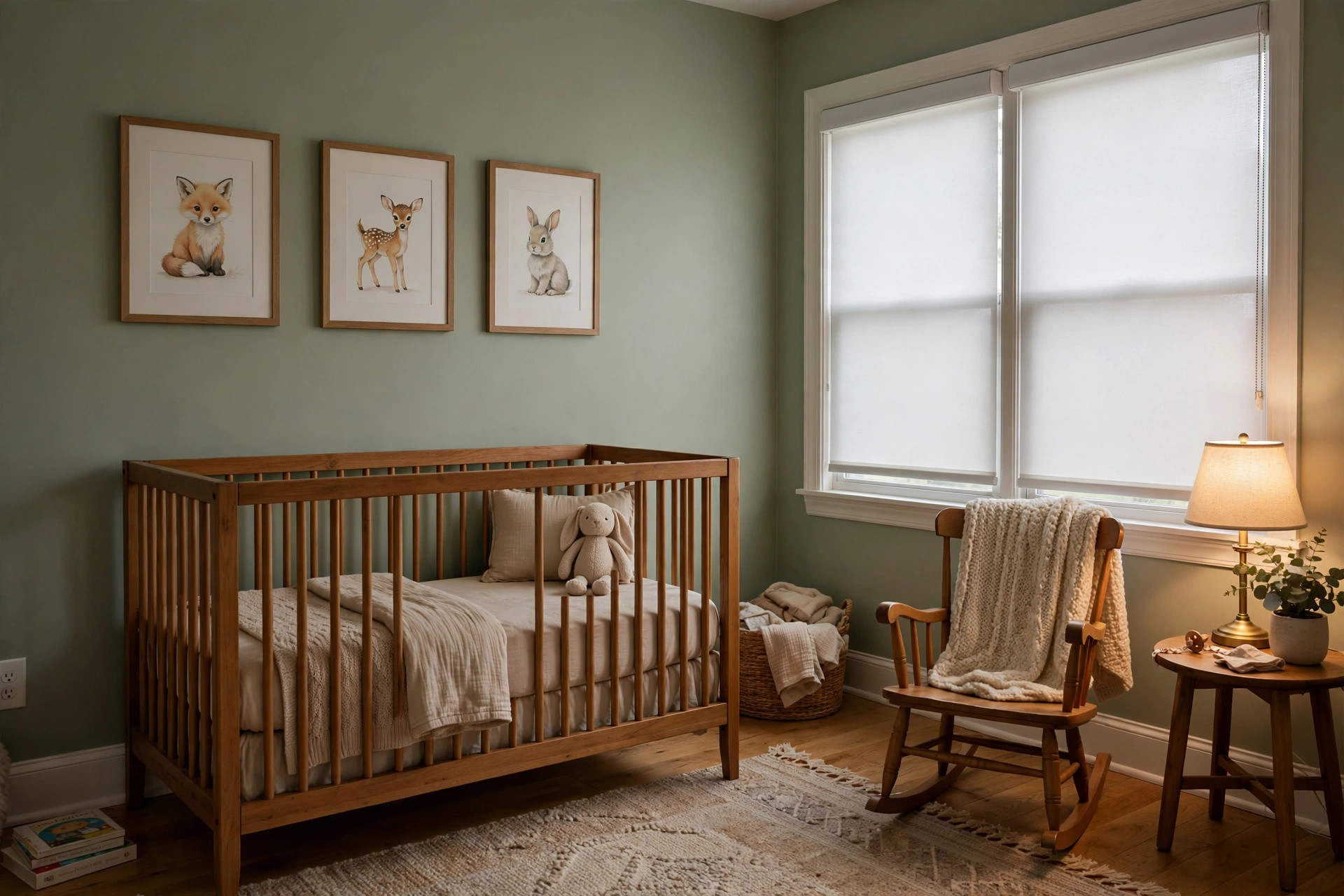

A baby who sleeps well is a gift to the whole family. Yet many parents find that light keeps their child awake. In the Midwest, summer days run long and bright. Evening sun can pour through a nursery window until nine at night. That is why so many parents look for affordable nursery room darkening shades for midwest homes. These shades cut the light, keep the room calm, and cost far less than most people expect. This guide walks through why they matter, how to choose them, what kinds exist, and how to keep them safe and clean.
Why Darkening Shades Matter in a Nursery
Babies and small children sleep better in dark rooms. Doctors and sleep books have said this for years. Darkness tells the body that it is time to rest. Light tells the body to stay awake. When the sun shines through thin curtains, a baby may wake early in the morning or fight a nap in the afternoon. A dark room removes that problem.
The Midwest makes this harder than other places. Summer sunsets arrive late in June and July. In Chicago, Minneapolis, and Kansas City, the sky may stay light past nine in the evening. In winter, the problem flips. Bright sun bounces off snow and floods the room. A nursery that faces east catches strong morning light. One that faces west gets hot afternoon sun. Darkening shades solve both cases. They block most of the light so the room stays dim at any hour.
There is another reason parents choose them. Many Midwest towns sit on busy roads. Streetlights, car headlights, and neon signs can shine into a bedroom at night. Top rated blackout curtains for bedrooms solve the same problem for adults. For a baby, the stakes feel higher. A dark nursery supports naps, and naps support the whole household.
Darkening shades also help with temperature. Midwest winters bring bitter cold, and summers bring heavy heat. Shades that block light also slow the flow of heat through the glass. A room that stays warm in January and cool in July is easier to keep at a steady, safe sleeping temperature.
What to Look For When You Shop: Affordable Nursery Room Darkening Shades for Midwest Homes
Start with darkness level. Shades come in three rough groups: light filtering, room darkening, and blackout. Light filtering shades soften light but do not block it. Room darkening shades block most of the light, often 95 percent or more. Blackout shades block nearly all of it. For a nursery, room darkening or blackout is the right pick. Many brands print a darkness rating on the box or the web page. Read it before you buy.
Next, check how the shade is raised. Cordless shades are the safest choice for a nursery. Long hanging cords can wrap around a small child, and that is a known danger. The U.S. Consumer Product Safety Commission warns parents to keep corded window coverings away from cribs and play areas. Cordless shades lift with a gentle push or pull on the bottom rail. Many also come with a remote or a motor. If you already own corded shades, cut the loop or move the crib far from the window, but replacing them is the safer path.
Fit matters too. Measure the window before you shop. Note the width at the top, middle, and bottom, because old houses often have frames that are not square. An inside mount sits within the frame and looks neat. An outside mount covers the frame and blocks more light around the edges. In a nursery, an outside mount often works better because it leaves no light gaps at the sides. Blinds.com offers measuring guides that walk you through both methods step by step.
Material counts as well. Thick fabric, foam-backed cloth, and multi-layer vinyl all block light well. Thin vinyl or sheer cloth will not darken the room much. Hold the shade up to a store light if you shop in person. If you shop online, read the product details for words like “blackout” or “room darkening” and look for customer photos. Stores like Target and Wayfair carry wide ranges at many price points, and their reviews often mention how dark a shade truly makes a room.
Color is a small point but worth a note. Dark colors block light best on their own. Yet many blackout shades are white or light gray on the outside to reflect heat, with a dark layer inside. Either design works. Pick a color that fits the nursery. Soft white, cream, and pale gray suit most rooms and keep the space calm.
Types and Options
Roller shades. These are the simplest kind. One sheet of fabric rolls down from the top. They sit flat against the window, cost little, and come in true blackout versions. Many parents pair blackout roller shades with a plain valance for a finished look.
Cellular shades. Also called honeycomb shades, these have pockets of air between two fabric layers. The pockets trap air and add insulation. That helps in cold Midwest winters and hot summers. Cordless cellular shades are widely sold and come in blackout fabric. They cost more than roller shades but pay back in comfort.
Roman shades. These fold up in neat pleats when raised. They look like soft drapery panels. Blackout-lined Roman shades darken well and give the nursery a warm, classic feel. They usually cost more than roller or cellular shades.
Blackout curtains with shades. Some parents layer a shade with curtains. The shade does the main work, and the curtain adds style and a bit more darkness. This costs more but looks finished. If you go this route, hang the curtain rod wide so the panels cover the window edges fully.
Portable blackout panels. These stick to the glass with suction cups or hook-and-loop tabs. They are cheap and handy for travel or for grandparents’ houses. They do not look as nice as mounted shades, but they work well as a short-term fix while you shop for permanent ones.
Motorized shades. These rise and lower with a remote or a phone app. No cords hang anywhere, which is ideal for a nursery. They cost the most, but prices have fallen in recent years. IKEA sells simple motorized roller shades at prices many budgets can handle.
Design sites such as HGTV show many nursery styles that pair darkening shades with soft wall colors and simple furniture. The look stays calm, and the room stays dark when it needs to be.
Cost and Price
This is good news. Darkening shades for a nursery need not cost much. A basic cordless blackout roller shade for a standard window often sells for twenty to fifty dollars. Big home stores price them by size, so a small nursery window costs less than a wide living room window. The Home Depot and Lowe’s stock ready-made sizes in their stores and online, and sales are common in late summer when families prepare rooms for fall.
Cellular blackout shades run higher. Expect forty to one hundred dollars per window for ready-made sizes. Custom sizes cost more, often one hundred fifty to three hundred dollars per window. For a nursery with one or two windows, even custom shades stay within reach for most budgets.
Motorized shades start near one hundred dollars and climb from there. They are a luxury, not a need. A cordless manual shade darkens just as well.
To save money, shop ready-made sizes first. Standard windows in Midwest homes often fit stock shades with no trimming. Buy during store sales, which cluster around holidays and back-to-school season. Skip the add-ons you do not need. A plain white roller shade darkens a room as well as a patterned one. Also check whether your town has a local blind shop that offers free measuring. A wrong-size shade wastes money, and a quick measure avoids that.
Care and Upkeep
Darkening shades are easy to care for. Dust them once a month with a dry cloth or a soft brush. Most fabric shades can be spot cleaned with a damp cloth and mild soap. Do not soak them. Water can warp the rollers or leave stains on the fabric. Vinyl roller shades wipe clean with a damp sponge and dry fast.
Keep the cords, if any, clean and untangled. Check the shade twice a year. Make sure the brackets hold firm and the shade rises and falls smoothly. A shade that sticks or falls may need new brackets, which cost little at any hardware store. The Spruce publishes simple cleaning guides for every common shade type, with steps for fabric, vinyl, and wood styles.
Sun can fade fabric over time. South-facing windows get the most sun and wear shades fastest. If one shade fades faster than the others, rotate is not possible, but a replacement roller shade is cheap. Most shades last five to ten years with light care. In a nursery, plan to replace them when the child outgrows the room or the fabric shows wear.
Safety
Safety comes first in any nursery. The rules are simple.
Keep all cords out of reach. Choose cordless shades when you can. If your shade has cords, tie them high with a cleat or a tension device so a child cannot reach them. Move the crib, bed, and changing table away from the window. Children climb. A toddler standing in a crib can reach a window that looks far away to an adult.
Mount shades firmly. A falling shade can hurt a small child. Use the brackets and screws that come in the box. If the wall is plaster, common in older Midwest homes, use the right anchors. A loose bracket in plaster will pull out.
Check for lead and chemicals only in very old shades. Shades made decades ago may contain lead in the paint or unsafe coatings. If you rent an older home and the shades look ancient, replace them. New shades sold in the United States meet current safety rules.
Ventilation is another point. A dark room should not be a stuffy room. Keep the nursery at a safe sleep temperature, near sixty-eight to seventy-two degrees. Crack the door or run a fan on low so air moves. Darkening shades help here by blocking hot sun that would warm the room too much.
Frequently Asked Questions
How dark should a nursery be? Dark enough that you cannot read a book comfortably. A nightlight is fine. The goal is dim, calm light, not a sealed cave. Room darkening shades reach this level in most homes.
Do darkening shades keep out heat and cold too? Yes, to a degree. Cellular shades insulate best because of their air pockets. Roller shades help some. No shade replaces good windows or weather stripping, but shades make a real difference on the coldest and hottest days.
Can I install the shades myself? Most people can. Ready-made shades come with brackets and simple steps. You need a drill, a level, and about thirty minutes per window. If the window is very high or the wall is tile or concrete, hire a handyman.
Are blackout shades safe for newborns? Yes. The shade itself is safe. Keep the room at a safe temperature and keep cords away from the baby. Follow the safe sleep rules your doctor gives you. Darkness supports sleep, and safe sleep supports health.
How much should I spend on nursery shades? For most Midwest homes, fifty to one hundred fifty dollars per window buys a good cordless darkening shade. Spend less on a plain roller shade, more on cellular or custom sizes. There is no need to buy the most costly option.
What if my windows are odd sizes? Old farmhouses and city homes in the Midwest often have odd windows. Order custom shades cut to your exact measure, or buy a slightly larger ready-made shade and mount it outside the frame. Both paths work well.
A Short Final Word
Choosing affordable nursery room darkening shades for midwest homes is one of the simplest upgrades a parent can make. The room gets darker, the baby sleeps longer, and the cost stays low. Measure the windows, pick a cordless blackout or room darkening shade, mount it firm, and keep cords out of reach. Do that, and the long summer evenings and bright winter mornings will no longer run the sleep schedule. The whole house will rest easier.
References
Blinds.com. (n.d.). Window blinds, shades, and shutters. https://www.blinds.com HGTV. (n.d.). Home and garden ideas. https://www.hgtv.com IKEA. (n.d.). Home furnishings. https://www.ikea.com Lowe’s. (n.d.). Home improvement products. https://www.lowes.com Target. (n.d.). Retail store. https://www.target.com The Home Depot. (n.d.). Home improvement products. https://www.homedepot.com The Spruce. (n.d.). Home and garden advice. https://www.thespruce.com U.S. Consumer Product Safety Commission. (n.d.). Product safety information. https://www.cpsc.gov Wayfair. (n.d.). Furniture and home goods. https://www.wayfair.com
Was this guide helpful?

About Lisa Anderson
The My Garden US editorial team writes practical, in-depth home and garden guides for American homeowners — tested advice, no fluff.
You May Also Like
Luxury Motorized Roller Shades Buying Guide
March 18, 2026 0 views
Bamboo Roman Shades Price Comparison USA: A Plain Guide to What They Cost
February 11, 2026 0 views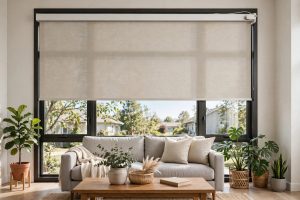
The Best Motorized Roller Shades for USA Homes: A Plain Buyer’s Guide
March 31, 2026 0 views