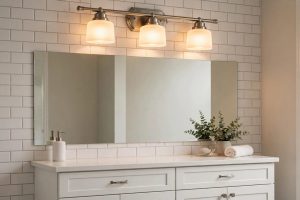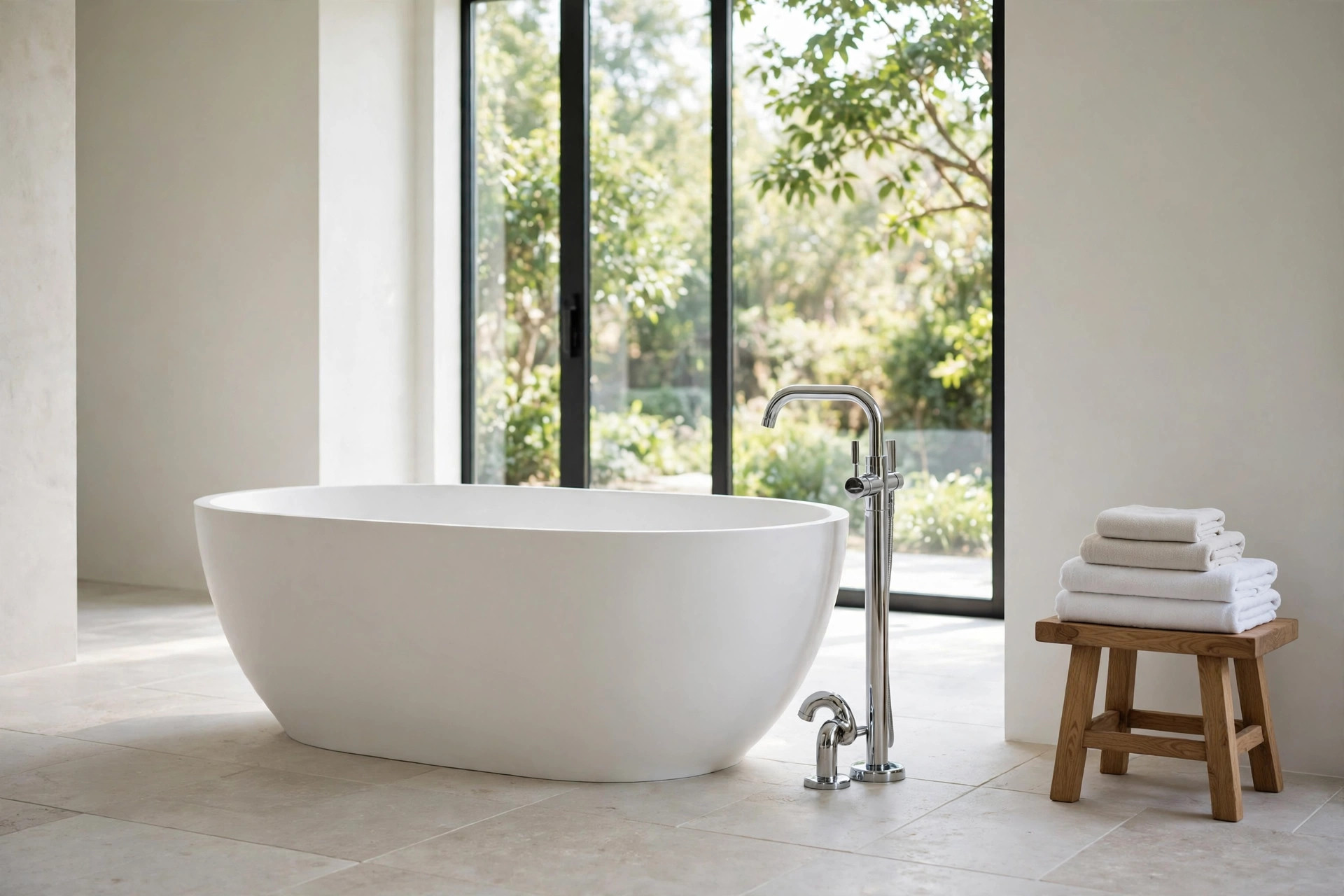

The freestanding soaking tubs california homes usa buyers choose are deep, quiet, and built to hold heat. They stand alone in the room, away from the wall. They ask for more floor space than a standard tub. They also ask for more water. For many California owners, the trade is worth it. A long soak at the end of the day is one of the plain joys of a remodeled bath. It asks for little. It gives back much.
But California is not like other states. Water rules change from county to county. Many cities run under water limits. Some offer rebates for low-flow fixtures. Homes in the hills may sit on slabs that set hard limits on weight. Older ranch houses may need drain work before a big tub can go in. This guide walks through it all in plain terms. It covers why the tubs matter, how to pick one, what they cost, and how to keep them clean and safe. Read it end to end before you shop. You will save money and trouble.
Why Freestanding Soaking Tubs Matter in California Homes
A freestanding tub changes the whole feel of a bathroom. It does not hug the wall. It does not hide behind tile. It stands in the open like a piece of furniture. The eye goes to it first. The room feels larger and calmer. Design publications have shown this look in thousands of homes. California owners take to it fast.
The soak is the real point. A soaking tub is deeper than a standard tub. The water should reach the chest when you sit. The heat should stay in the water for twenty minutes or more. Thick walls help. So does a small surface area at the top. Less surface means less heat loss to the air. A good soak eases tired muscles. It slows the mind. Doctors have long praised warm baths for rest and sleep.
California buyers face one special fact. Water is precious here. A deep tub uses more gallons per bath. That is a real cost in a dry state. It is also a real cost on the water bill. Still, many owners bath only twice a week. They take short showers on the other days. A walk-in shower kit for daily use pairs well with a tub for slow nights. Our walk-in shower kit buying guide covers that side of the plan.
There is also resale. A well-placed freestanding tub lifts the value of a master bath. Appraisers notice it. Buyers in Los Angeles, San Diego, and the Bay Area expect a strong bath in a mid-range home. A tub is not a full remodel. But it reads like one. It is one of the few fixtures that both relaxes the owner and impresses the buyer.
How to Choose the Right Tub: Freestanding Soaking Tubs California Homes Usa
Choice comes down to size, shape, and material. Get those three right and the rest is detail. Measure twice. Order once. Returns on tubs are costly.
Size and Fit
Start with the room. A freestanding tub needs air around it. Plan on at least six inches of clear floor on each side. Twelve inches is better. The tub itself runs from 55 to 72 inches long. Most adults do well with 60 to 67 inches. Taller bathers want the longer end.
Now think of the door. The tub must pass through it. Measure every door on the path from the street to the bath. Hall turns are the usual trap. A 72-inch tub will not bend around a tight corner. Some tubs ship in two shells to fix this. Ask before you buy.
Water depth matters more than length. Look at the depth to the overflow drain. Sixteen to eighteen inches is true soaking depth. Fourteen inches is just a deep standard tub. Check the spec sheet. Do not trust the photo alone.
Weight is the last part of fit. A filled tub can weigh 500 to 900 pounds. Some stone and cast iron models pass 1,000 pounds. A ground-floor slab can take it. An upper wood floor may need bracing. A licensed contractor should check the joists. Home improvement advice sites stress this point for second-floor baths.
Shape and Style
Oval tubs are the most common. They fit many bodies. They look soft in the room. Rectangular tubs give a modern line. They sit well in square baths. Slipper tubs raise one end like an old clawfoot. The high back supports the neck. Double-slipper tubs raise both ends. Two bathers can face each other.
Freestanding does not mean the plumbing floats. The drain still runs through the floor. The faucet can be floor-mounted or wall-mounted. Floor-mounted fillers stand beside the tub. They look fine but cost more. Wall-mounted spouts ask for a wall near the tub. Plan the plumbing before the floor tile goes down.
Style should match the house. A Spanish ranch in San Diego suits a rounded tub with warm lines. A glass condo in San Francisco suits a sharp rectangular shell. When in doubt, pick the plain shape. Plain ages well. Trendy shapes date fast.
Material
Acrylic is the top seller. It is light, warm to the touch, and holds heat well. It resists chips. It costs less than most rivals. An acrylic freestanding tub is the safe pick for most California homes. Scratches can be buffed out with care.
Cast iron is the old king. It holds heat the longest. It feels solid under the hand. It is also very heavy. An upper floor may not take it without work. The enamel can chip if struck hard. Chips can be repaired by a pro.
Stone resin is a mix of ground stone and resin. It looks like carved rock. It holds heat well. It is heavy but lighter than cast iron. Prices run mid to high. Solid surface is a close cousin. It sands out scratches. It keeps a matte finish.
Copper tubs are rare and costly. They kill germs on contact. They gain a dark patina with age. Some owners love the look. Others find upkeep too fussy. For most buyers, acrylic or stone resin is the wise lane.
Types of Freestanding Soaking Tubs
Makers group their tubs in a few clear types. Each has a plain use.
The oval soaker is the workhorse. It holds one bather in deep water. It fits baths from 60 square feet up. Prices start low. It is the type most guides recommend first. Our freestanding soaking tub buying guide walks through models in more depth.
The slipper tub suits readers and resters. The raised back holds the head. The water line sits high on the chest. Tall bathers should test the length. The double slipper suits couples. Both ends rise. Two can soak face to face.
The rectangular soaker fits modern baths. Its flat sides use floor space well. Some hold two bathers side by side. They need a wide room. The Japanese-style deep tub is short and very deep. The bather sits upright, knees bent. It uses less floor and less water than a long tub. Small California baths gain much from this type. A soaking tub for small bathroom california floor plans often takes this form.
Air tubs add jets of warm air through small holes. The bubbles feel soft. They cool the water faster than still water. Whirlpool tubs add water jets. They give a strong massage. They need more cleaning. Jets can grow film inside the lines. Plain soakers need the least care. Most owners pick plain.
Cost and Price in California
Prices move in wide bands. A plain acrylic freestanding tub costs 800 to 2,000 dollars. Mid-range stone resin runs 2,000 to 4,500 dollars. High-end cast iron or copper can pass 6,000 dollars. Big-box stores and large home centers carry the low end. Showrooms carry the high end.
Freestanding tub installation cost is the part buyers miss. The tub is only half the bill. A floor-mounted filler costs 300 to 900 dollars. Rough plumbing runs 500 to 1,500 dollars if the drain must move. Floor bracing adds 400 to 1,200 dollars. Tile repair around the new drain adds more. A simple swap in place may cost 1,500 dollars all in. A full move across the room may cost 5,000 dollars or more.
California labor runs high. The Bay Area and Los Angeles sit at the top. The Central Valley costs less. Always get three bids. Ask each bidder to list the drain work, the filler, and the floor check as separate lines. Vague bids hide vague work. Remodeling directories let you read past reviews of local plumbers before you call.
Water cost is the quiet line item. A 60-gallon bath at California rates may cost 1 to 3 dollars in water and sewer fees. Two baths a week is a small sum. Daily deep baths add up. Check your city tier rates. Some cities charge steep rates past a set monthly use. A low-flow showerhead for daily use keeps the bill in check.
Permits are simple here. Most cities want a permit for new plumbing. The fee is small. The inspection is quick. Skip the permit and you risk trouble at resale. Buyers ask for permits now. Keep the paper.
Care and Upkeep
A freestanding tub is easy to keep. The open sides mean you can reach all of it. No tile ledge gathers grime. Wipe the shell after each bath. A soft cloth is enough. Mild dish soap cuts body oil. Rinse well. Dry the rim to stop spots.
Acrylic asks for gentle care. Never use scouring powder. Never use a stiff brush. Scratches haze the shine. Buff light marks with a plastic polish. Stone resin takes the same gentle touch. Cast iron enamel can take a bit more, but chips are the enemy. Do not drop heavy bottles in the tub.
Hard water is the California curse. White scale builds on any tub. Wipe the tub dry after use in hard-water towns. A mix of white vinegar and water cuts scale. Spray it on, wait ten minutes, wipe off. Do not let vinegar sit on stone or copper. It can dull the finish. Test any cleaner on a hidden spot first.
The drain needs a look twice a year. Hair is the main clog. A simple strainer stops most of it. Pull the strainer and clear it weekly. Once a year, run very hot water down the overflow for a minute. The filler finish wants a soft wipe. Hard water spots dull chrome fast. Dry the filler after each bath.
A bathroom towel warmer near the tub is a small luxury with a real use. Warm towels dry you faster after a soak. Less damp air means less mildew. Our bathroom towel warmer buying guide covers safe picks for damp rooms.
Safety Notes
Hot water can burn. Set the water heater to 120 degrees. That is the safe line for homes with kids or elders. Test the bath with your wrist before you step in. The wrist reads heat well. Never leave a small child alone in a filled tub. Not for a moment.
The floor around a freestanding tub gets wet. Feet drip on the way out. A bath mat with a rubber back cuts slips. Keep the path to the door clear. Some owners set the tub on a slight tile pad with a drain. The pad catches drips. It is a smart add in a remodel.
Getting in and out is the hard part for older bathers. The tub wall is high. The floor is slick. A wall-mounted grab bar near the tub helps much. Place it where the hand lands on entry. A tub-side bench gives a seat for swinging legs over. Veteran remodeling guidance covers safe bath layouts in plain detail.
Ventilation matters. A long hot bath fills the room with steam. Run the exhaust fan during the bath and for twenty minutes after. Steam left in the room feeds mold. In damp coastal towns, this step is not optional. Check the fan moves enough air. Weak fans are common in older homes.
Frequently Asked Questions
How much water does a freestanding soaking tub use? Most use 50 to 80 gallons per bath. A standard tub uses 30 to 40. The depth sets the number. A Japanese-style deep tub may use only 40 to 50 gallons. It is short but deep. That is the thrifty pick for dry counties.
Can I put a freestanding tub on a second floor? Yes, in most cases. But the floor must be checked first. A filled tub plus a bather can top 800 pounds on a small patch. A contractor may add bracing between joists. Ground floors on slab need no such work. Never skip the check on wood floors.
Do freestanding tubs need special faucets? They need a freestanding filler or a wall spout. A standard tub faucet will not reach. Floor-mounted fillers stand on the floor by the tub. They need a water line under the floor. Wall spouts need a wall close by. Pick the faucet before the plumber roughs in the lines.
Are soaking tubs hard to clean? No. They are easier than tiled alcove tubs. The smooth shell wipes down fast. There is no grout to scrub. The open sides give full reach. Weekly wiping keeps them bright. Hard water towns need a quick dry after each use.
What is the best material for a California home? Acrylic wins for most buyers. It is light, warm, and kind to the budget. It holds heat well enough for a twenty-minute soak. Stone resin is the step up. It looks rich and holds heat longer. Cast iron suits ground floors where weight is no worry.
Will a freestanding tub raise my home value? It often helps in the master bath. Buyers pay for a bath that feels like a retreat. The tub alone will not carry a bad remodel. But in a clean, well-lit bath, it is a strong draw. Home television networks feature these baths for a reason. They photograph well and they sell the room.
A Final Word
The freestanding soaking tubs california homes usa owners love best are not the dearest ones. They are the ones that fit the room, fit the floor, and fit the water budget. Measure first. Check the drain. Pick a plain shape in a kind material. Hire a careful plumber. Then fill it, step in, and let the day go. Home guides and home improvement advice can fill in the small gaps. Better Homes and Gardens shows the style side. The rest is up to you and the hot water.
References
Architectural Digest. (n.d.). Home design ideas. https://www.architecturaldigest.com Better Homes & Gardens. (n.d.). Home and garden ideas. https://www.bhg.com Bob Vila. (n.d.). Home improvement advice. https://www.bobvila.com HGTV. (n.d.). Home and garden ideas. https://www.hgtv.com Houzz. (n.d.). Home design and remodeling. https://www.houzz.com The Home Depot. (n.d.). Home improvement products. https://www.homedepot.com The Spruce. (n.d.). Home and garden advice. https://www.thespruce.com This Old House. (n.d.). Home renovation guidance. https://www.thisoldhouse.com
Was this guide helpful?

About Sarah Mitchell
The My Garden US editorial team writes practical, in-depth home and garden guides for American homeowners — tested advice, no fluff.
You May Also Like
Bathtub Refinishing Kits for Sale USA: A Complete Buyer Guide
March 28, 2026 0 views
Walk In Shower Kits American Homes Guide
June 3, 2026 0 views
Bathroom Sink Vanities for Texas Homes USA: A Practical Buying Guide
September 23, 2026 0 views