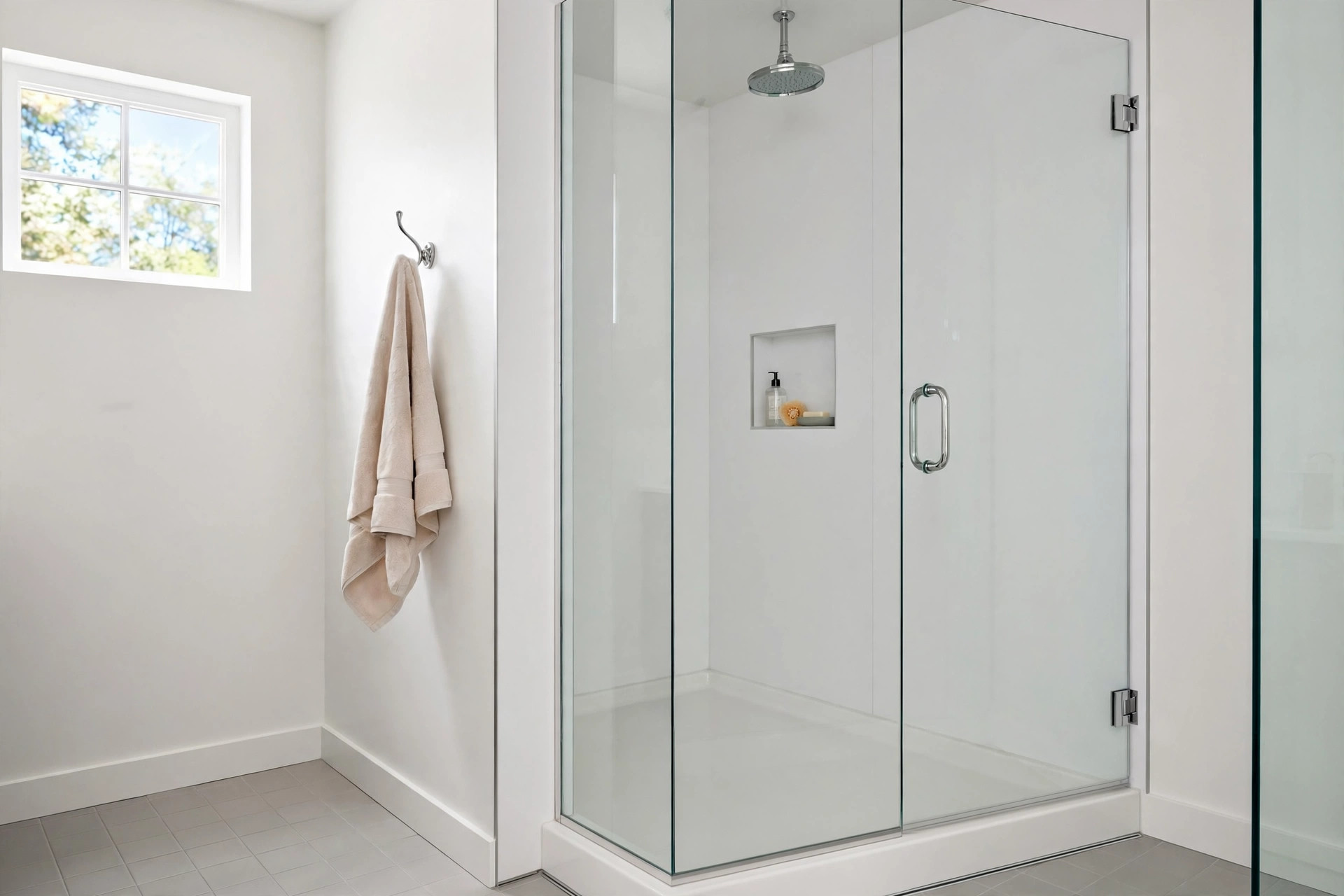

A good bathroom starts with a shower that fits the room and the people who use it. This walk in shower kits buying guide usa will help you learn what a kit holds, how to pick one, and what to watch for before you buy. A walk-in shower kit is a bundle of parts sold together. The bundle often has a shower base, wall panels, a door or entry frame, and the trim parts. Some kits also hold a drain, a bench seat, and shelving. You can buy these parts one by one. The kit simply makes the job easier. All the main parts are made to work as one set.
Many buyers feel lost in the first hour of shopping. There are dozens of sizes and wall styles. Prices run from a few hundred dollars to several thousand. This guide keeps the language plain. It walks you through each choice in order. By the end, you will know what size you need, what wall you want, and how much you should plan to spend.
Why More Homes Choose Walk-In Showers
A walk-in shower has no high curb to step over. The entry sits at floor level or just a few inches above it. That low entry helps older adults and people with sore knees or bad hips. It also helps parents with small children. The open feel makes a small bathroom look larger. That is why many remodel jobs in the United States now drop the old tub for a walk-in unit.
Safety is the main reason people make the switch. Falls in the bathroom send many people to the hospital each year. A curbless entry cuts one common trip point. A textured floor cuts another. Kohler and American Standard both make kits with slip-resistant bases for this reason. Many states and local codes now ask for grab-bar blocking in new shower walls, even in small remodels.
Style matters too. A walk-in shower looks clean and modern. Glass panels open the sight line across the room. Big wall panels have few seams, so they look neat and stay neat. HGTV design features often show walk-in showers as the center of a calm, bright bathroom. If you plan to sell your home in a few years, a good shower can help. Buyers notice bathrooms. A worn tub and shower turn buyers off. A fresh walk-in unit turns them on.
How to Choose a Walk-In Shower Kit: Walk in Shower Kits Buying Guide Usa
Start with facts, not with looks. The right kit must fit your space, your plumbing, and your skill level. Work through these points in order. Do not buy a kit before you know the answers.
Measure Your Space First
Take a tape measure and get the full length and width of the area where the shower will sit. Note the height from the floor to the ceiling. Note where the door swings and where the window sits. Note where the drain line runs under the floor. The kit you buy must match these facts.
Common kit sizes are 32 by 48 inches, 36 by 48 inches, 48 by 60 inches, and 60 by 60 inches. Small baths often take a 36-inch square or a corner unit. Many old tub spaces measure 60 inches wide. That is why the 60-by-30 or 60-by-32 tub replacement kit is popular. It drops into the old tub spot with little change to the walls. The Home Depot sells many tub replacement kits in this shape.
Check the rough opening, not just the finished look. Walls in old homes are rarely square. Leave room for shims and caulk. If the space is tight, pick a kit a half inch smaller than the opening. A snug fit looks good but leaves no room to fix a bent stud.
Base or Pan Options
The base is the floor of the shower. It must slope toward the drain so water flows away. Kit bases come in three main types. Acrylic bases are light and warm to the touch. They are easy to set and easy to clean. Fiberglass bases cost less but can flex and feel thin. Cultured stone or solid-surface bases cost more. They feel like real stone and hold up for many years.
Check the drain spot on the base. Some bases drain at the left, some at the right, some in the center. Your drain pipe in the floor must line up. Moving a drain pipe is costly work. It means cutting the floor and hiring a plumber. Pick a kit whose drain matches the pipe you already have. Lowe’s kit listings show the drain position in the spec sheet. Read that line before you order.
A low-threshold base has a curb of one to two inches. A curbless base sits flush with the floor. Curbless kits need a floor that can slope the right way. They also need a full water guard at the entry. For most buyers, a low threshold is the safe middle choice.
Wall Material
Kit walls come in several kinds. Acrylic wall panels are light and smooth. They wipe clean and never need grout. Fiberglass walls cost less but scratch more easily. Solid-surface walls look like stone. They are thick and can be sanded if they stain. Some kits ship with walls you glue over green board or cement board. Others bring their own panels that lock into the base.
Tile-ready kits are a different path. They give you a waterproof base and backer walls, and you set your own tile on top. This path costs more in labor. It gives a high-end look. For a full tile look, see our guide to bathroom wall tiles. For most first-time buyers, a smooth panel kit is the better pick. Panels go up in a day. Tile takes days and skill.
Door or Open Entry
Many kits ship with a glass door. Frameless glass doors look light and modern. They cost more than framed doors. Framed doors cost less and hide small flaws in the wall. Some kits leave the entry open with no door at all. An open entry needs a deep shower floor so water does not reach the room. Read our guide to frameless shower doors if you plan to buy the door apart from the kit.
Think about who will use the shower. A person who uses a walker needs a wide, clear entry. A bench near the door helps a person who must sit. Moen sells shower packages with fold-down seats that fit many kits. If the door swings, make sure it will not hit the toilet or vanity.
Main Types of Walk-In Shower Kits
One-Piece Units
A one-piece unit molds the base and walls in a single shell. It has no seams where the walls meet the base. That means almost no leak points. The unit is strong and goes in fast. The catch is size. A one-piece unit must pass through the bathroom door and the hall. Many large units will not fit through a standard door frame. One-piece kits work best in new builds where the shell goes in before the walls close.
Multi-Piece Kits
A multi-piece kit ships as a base plus two or three wall panels. You set the base first, then lock or glue the walls in place. These kits fit through normal doors. They work in remodel jobs where the bathroom stays in use. The seams between panels are sealed with silicone. Take time with the caulk. Good caulk work is what keeps a multi-piece kit dry for years. This Old House has clear step guides for setting multi-piece units.
Tile-Ready Kits
A tile-ready kit gives you a waterproof base and a backer system. You add your own tile and grout. This path lets you match the shower to the rest of the room. It is the best choice if you love the look of real tile. It is also the slowest choice. Tile work calls for skill and patience. If you hire the tile out, the labor bill will be the largest part of the job.
Cost and Price
Prices for walk-in shower kits in the USA fall in wide bands. A basic fiberglass kit can run from 400 to 900 dollars. A mid-range acrylic kit runs from 900 to 2,000 dollars. A high-end solid-surface kit runs from 2,000 to 5,000 dollars. A tile-ready system can cost 1,500 to 3,500 dollars before tile and labor.
These prices cover the kit only. They do not cover labor, plumbing changes, or tile. A plumber may charge 500 to 1,500 dollars to set the base and hook up the drain. Wall work and trim add more. A full remodel with a walk-in kit often runs from 3,000 to 10,000 dollars in total. Price guides from Bob Vila and The Spruce track these ranges by region.
Buy the best kit you can afford, but do not stretch past your plan. A mid-range acrylic kit with good caulk will outlast a high-end kit set in a hurry. Set aside ten percent of the budget for surprises. Old pipes, rot in the wall, and bad floors show up often in remodel jobs.
Watch the small parts. The valve, the shower head, and the trim can add 200 to 800 dollars. A rain shower head is a common upgrade with walk-in kits. Read its guide before you buy so the head matches the valve you pick. Delta Faucet sells valve and trim sets made to pair with its own shower kits.
Care and Upkeep
Walk-in kits are easy to care for if you form two habits. First, squeegee the walls and glass after each shower. This takes one minute. It stops water spots and soap film. Second, wipe the base once a week with a soft cloth and a mild cleaner. Do not use harsh scrub pads on acrylic. They leave small scratches that catch dirt.
Caulk lines need a look twice a year. If the caulk pulls away from the wall, cut it out and lay a fresh bead. Keep the drain clear of hair. A simple drain screen costs a few dollars and saves a plumber call. For solid-surface walls, a light buff with a fine pad removes most stains.
Hard water leaves white marks on glass and panels. A mix of white vinegar and water breaks most of it down. Spray, wait ten minutes, and wipe. Do not use vinegar on natural stone tile. It can etch the stone. For tile-ready kits, seal the grout once a year if the maker calls for it.
Safety
A walk-in shower is safer than a tub, but it still needs care. Pick a base with a textured, slip-resistant floor. Add grab bars at the entry and along the back wall. Bars must screw into studs or solid blocking. A bar that pulls out of drywall is worse than no bar at all. Read our full guide to shower grab bars before you drill.
Set the water heater to 120 degrees Fahrenheit. Hotter water can scald skin in seconds. This matters most in homes with children and older adults. A pressure-balance or thermostatic valve holds the heat steady. Most new kits ask for this type of valve.
Good light cuts falls too. A small wet-rated light over the shower helps you see the floor. Make sure the light fixture is rated for wet spots. Keep a bath mat just outside the entry. Dry the floor past the door after each use.
Frequently Asked Questions
Can I install a walk-in shower kit myself? Many handy owners set a multi-piece kit on their own. The work needs basic tools, a level, and care with caulk. The plumbing part may call for a pro. If the drain must move or the valve must change, hire a licensed plumber. Bad plumbing leaks inside the wall, where you cannot see it.
What size kit fits a standard tub space? Most old tub alcoves measure 60 inches wide and 30 to 32 inches deep. A 60-by-30 tub replacement kit fits this spot. Measure your own alcove before you order. Studs, pipes, and out-of-square walls can change what fits.
Are walk-in shower kits waterproof? A well-set kit is watertight at the base and the sealed seams. The kit itself does not make the whole room waterproof. Walls behind the panels and the floor past the entry still need care. Tile-ready kits add a waterproof membrane under the tile. Always follow the maker sheet for each part.
How long does a walk-in shower kit last? A good acrylic kit can last 15 to 20 years with normal care. Solid-surface kits can last longer. The weak points are caulk lines and the drain seal. Re-caulk when you see gaps. Cheap kits with thin walls may crack or stain sooner.
Do I need a permit to install one? Many towns ask for a permit when plumbing moves or when walls change. A simple swap in the same spot may not need one. Call your local building office before you start. The call takes five minutes and can save a fine.
A Final Word
A walk-in shower kit is one of the kindest upgrades a home can get. It makes daily life easier and safer. It freshens the whole bathroom. Take your time with the measures. Pick a wall you can clean in minutes. Match the drain you have. Spend what the budget allows, and save room for the small parts. Do these things and the kit will serve you well for many years.
References
American Standard. (n.d.). Bathroom and kitchen products. https://www.americanstandard.com Bob Vila. (n.d.). Home improvement advice. https://www.bobvila.com Delta Faucet. (n.d.). Kitchen and bathroom faucets. https://www.deltafaucet.com HGTV. (n.d.). Home and garden ideas. https://www.hgtv.com Kohler. (n.d.). Bathroom and kitchen fixtures. https://www.kohler.com Lowe’s. (n.d.). Home improvement products. https://www.lowes.com Moen. (n.d.). Faucets and plumbing fixtures. https://www.moen.com The Home Depot. (n.d.). Home improvement products. https://www.homedepot.com The Spruce. (n.d.). Home and garden advice. https://www.thespruce.com This Old House. (n.d.). Home renovation guidance. https://www.thisoldhouse.com
Was this guide helpful?

About Michael Thompson
The My Garden US editorial team writes practical, in-depth home and garden guides for American homeowners — tested advice, no fluff.
You May Also Like

Heated Floor Kits Where to Buy USA: A Complete Guide
March 5, 2026 0 views
Walk In Shower Kits for Sale USA: A Plain Guide for Homeowners
June 3, 2026 0 views
Brushed Towel Holders: Reviews and Buying Guide for USA Homes
May 7, 2026 0 views