
Why Shower Niche Inserts Belong in This shower niche inserts american homes guide
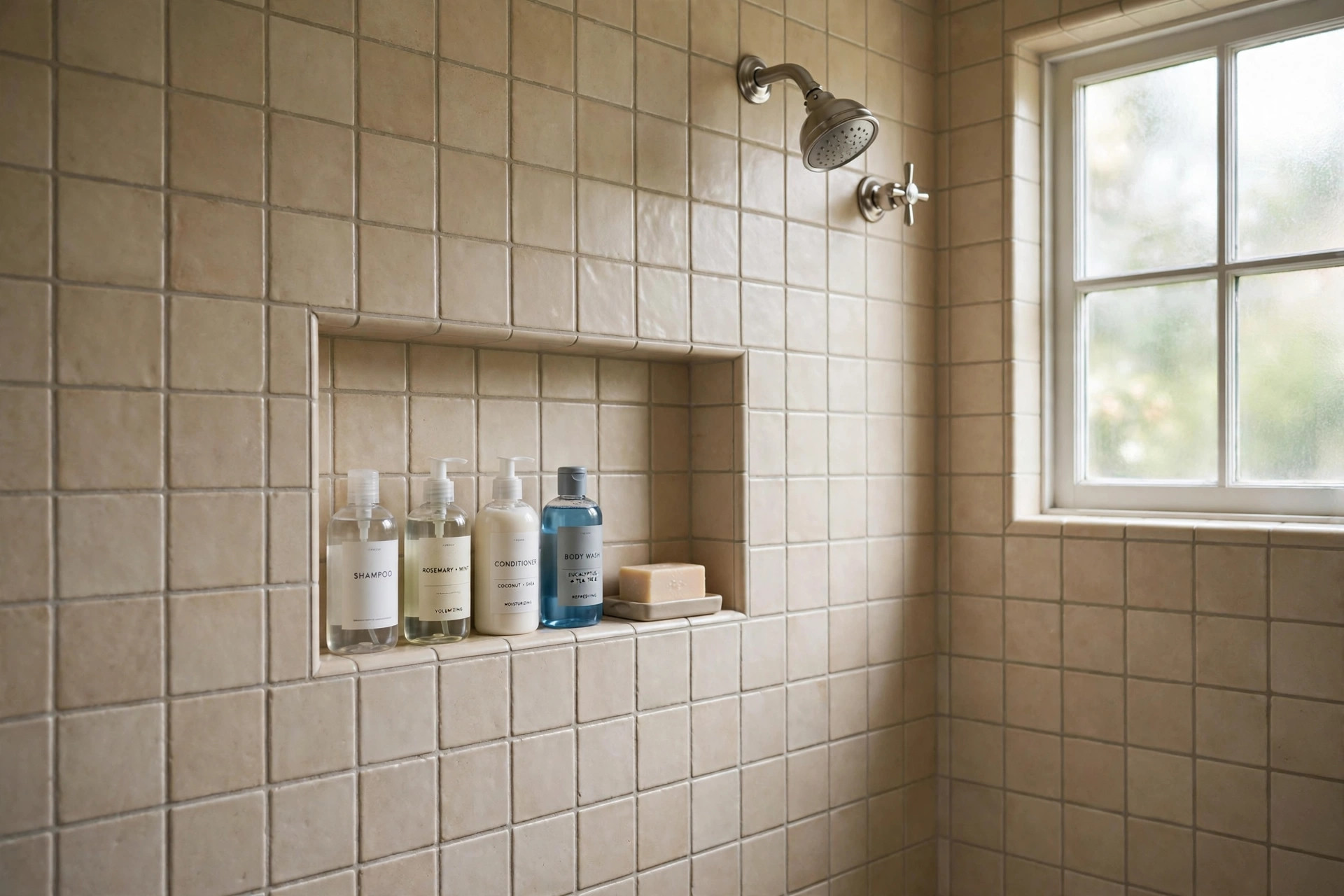
A shower niche is a box set into the wall of a shower. It holds shampoo, soap, and razors. A shower niche insert is the ready-made unit that forms that box. It goes into the wall before tile goes on. When the job is done, the insert looks like part of the wall.
American homes have moved toward niches in the last few decades. Loose shelves and corner caddies slip. They rust. They clog the drain of style. A niche stays put. It drains well. It cleans with one wipe. That is why this shower niche inserts american homes guide starts with a simple claim: if you are tiling a shower, plan a niche.
The insert makes the work easier. Without one, a tile setter builds the box from boards and foam. That takes skill and time. With a preformed insert, the box arrives ready. The setter cuts a hole, sets the unit, and tiles around it. Fewer steps mean fewer leaks.
How to Choose the Right Insert: Shower Niche Inserts American Homes Guide
Start with the wall. Most American homes frame bath walls with two-by-four studs. The space between studs sets the width. A common bay is about fourteen and a half inches wide. Many inserts fit that bay. Measure first. Do not buy first.
Next, think about depth. A shallow niche fits small bottles. A deep one fits tall pumps. Wall depth sets the limit. A standard stud wall allows a niche about three and a half inches deep. If you want more depth, plan the wall for it.
Size matters more than style. A single wide niche fits a whole family of bottles. Two stacked niches split items by user. One tall niche fits pump bottles upright. Count your bottles before you shop. Place them on a table. Measure the tallest one. Add an inch.
Pick the face finish. Some inserts come bare and take tile on every face. That gives a clean, all-tile look. Others come with a finished face in white or brushed metal. The finished face skips the tile step. It suits a fast remodel.
Check the waterproof claim. A good insert is waterproof by design, not by wish. The unit itself should shed water. The flange around its face should seal to the wall board. Ask how it seals. Read the maker sheet. This point matters more than any finish.
Think about grout color too. A niche framed in dark grout stands out as a design note. A niche in matching grout blends in. Both look good. Pick the one that fits the room. And plan the tile cuts around the niche before the first tile is set. Small cuts at the niche edge look neat when planned. They look fussy when forced.
Types and Options on the Market
Tile-ready foam inserts are the most common. They weigh little. They cut with a knife. They take thinset and tile on all faces. Tile setters like them. The foam core will not rot. The face is ready for mortar.
Stainless steel inserts are a step up in style. The face is brushed or matte. The box is welded and watertight. No tile goes inside. The look suits modern baths. They cost more than foam. They also install faster.
Plastic and acrylic inserts sit at the low end of price. They are light and simple. Some are meant to tile over. Others have a finished face. Quality varies. Read reviews before you buy. A thin unit can flex and crack grout.
Stone and solid-surface inserts appear in high-end baths. They match a stone vanity top. They cost far more. They weigh more too. The wall must carry the load. These suit a full custom remodel.
Some homes use a horizontal ledge niche. It runs wide and low across the back wall. It holds many bottles in a row. Others use a vertical niche. It runs tall and narrow beside the shower head. It keeps items out of the spray line. Both work. The wall space decides.
There are also shelf inserts that sit on the surface. They mount with adhesive or screws. They are not true niches. They help renters. They help quick fixes. But they can fail in a wet zone. A true recessed niche lasts longer.
Cost and Price Ranges
A foam tile-ready insert costs between thirty and ninety dollars. Size sets the price. A small single box sits at the low end. A large double box sits at the high end. Stainless inserts run from one hundred to three hundred dollars. Plastic units run twenty to sixty.
Labor is the bigger cost. Setting an insert in a new tile shower adds one to three hours of work. In a full remodel, the tiler folds it into the job. Expect one hundred to three hundred dollars in labor for the niche alone. That is on top of the unit price.
A full shower retile with a new niche runs three to six thousand dollars in most markets. High-cost cities run higher. The niche itself is a small share. Skipping it saves little. Adding it later costs a lot. Plan it now.
If you hire out the whole bath, get the niche in writing. State the size and spot on the plan. A verbal promise fades. A note on the contract holds. Small details make or break a bath job.
Installation: What the Process Looks Like
First the framer or remodeler marks the spot. He checks for studs, pipes, and wires. A niche cannot sit where a pipe runs. It cannot sit where a wire crosses. A stud finder and a small probe hole prevent a bad cut.
Then the installer cuts the wall. In new work, he frames a box between studs. In a remodel, he cuts into the old wall. The insert drops in. He sets it plumb and level. A crooked niche shows in every tile line.
Waterproofing comes next. The flange of the insert seals to the backer board. The maker gives a method. Follow it. Some call for a band of waterproof tape. Others call for a coat of liquid membrane. Do not skip this step. The shower wall is a wet zone. Every seam must shed water.
Tile goes on last. The setter runs tile to the edge of the insert. He leaves a small joint. He fills it with grout or sealant. The shelf of the niche needs a slight slope. Water must run out, not in. A level shelf pools water. A sloped shelf drains.
If you plan a second bath project, such as bathtub refinishing kits, finish the shower first. Tile dust harms fresh finishes. Order the work so the dirty job ends before the clean one starts.
Care and Upkeep
Clean the niche with the shower. A soft cloth and mild soap do the job. Skip harsh acids. They etch grout and dull steel. Rinse well. Dry the shelf now and then.
Watch the grout lines at the niche edge. They take the most water. If grout cracks, fix it fast. A small crack lets water in. Behind the tile, water does slow harm. A tube of matching grout costs little. A leak repair costs much.
Stainless inserts need a wipe to stop spots. Hard water leaves white marks. A mix of water and mild dish soap lifts them. Dry after. Plastic inserts can stain from tinted shampoo. Rinse them weekly.
Check the sealant joint once a year. Press it with a finger. If it feels loose, cut it out and redo it. Ten minutes of care beats a wall repair.
Keep bottles off the shelf edge. Heavy pumps tip. A falling bottle can crack tile. Use small baskets inside a deep niche. They keep items upright and the shelf clean.
Safety Notes
A niche is safe when it is set right. The main risk is water in the wall. Follow the maker sheet for sealing. When in doubt, add a second coat of membrane. Belt and suspenders serve a wet wall well.
Keep glass bottles out of the niche. They break. They cut feet. Use plastic pumps in the shower. This is a small habit with a big payoff.
Place the niche out of the main spray if you can. Less direct water means less wear. It also means dry hands when you reach for soap. A side wall or the wall farthest from the head works well.
Mind the height. A niche set too low forces bending. A niche set too high strains shoulders. Chest height suits most adults. In a family bath, split the height with two niches. In a double sink vanity household, the same rule holds: set shared items where each user can reach.
Vent the bath. Steam feeds mold. A good fan keeps grout dry between showers. Run the fan twenty minutes after the shower. That one habit protects the whole room.
FAQ
What is a shower niche insert, in plain words? It is a ready-made box that sits in the shower wall. It forms a recessed shelf for bath items. Tile runs around it. When done, it looks built in.
Can I add a niche to an old shower? Yes, if the wall can be opened and retiled. A tile setter cuts the wall, sets the insert, and retiles the area. It is not a small job. The tile around the cut must blend. Plan for a full day or more.
What size should I buy? Match the stud bay for width. Pick depth from your wall. Pick height from your bottles. A twelve by twenty-four inch box suits most homes. Measure your tallest pump before you buy.
Do niche inserts leak? The insert itself should not leak. Leaks come from bad sealing at the flange. Follow the maker method. Slope the shelf outward. Check grout each year. Done right, a niche lasts as long as the tile.
Tile-ready or finished face: which is better? Tile-ready gives a seamless look. It takes more labor. A finished face installs fast and suits simple remodels. Pick the one that fits your budget and your tile plan.
How do I clean a tiled niche? Use mild soap and a soft cloth. Rinse well. Skip bleach and strong acids on grout. Dry the shelf after cleaning. Recaulk the edge joint when it wears.
A Short Final Word
A shower niche is a small thing that changes a daily habit. Bottles stand in a row. The shower floor stays clear. Cleaning takes a minute. The insert makes this easy to build and easy to keep.
Plan the size on paper. Check the wall before you cut. Seal every seam. Then enjoy the result for years. For the rest of the bath, good storage follows the same rule: measure first, buy second. A bathroom linen cabinet planned with the same care keeps towels and spares as tidy as the niche keeps soap.
When you shop, start with the big home stores and the fixture makers. The Home Depot and Lowe’s carry foam and steel units in stock. Kohler, Moen, Delta Faucet, and American Standard publish good bath planning guides. For how-to detail, This Old House, The Spruce, and HGTV all cover shower remodels in plain terms.
References
American Standard. (n.d.). Bathroom and kitchen products. https://www.americanstandard.com Delta Faucet. (n.d.). Kitchen and bathroom faucets. https://www.deltafaucet.com HGTV. (n.d.). Home and garden ideas. https://www.hgtv.com Kohler. (n.d.). Bathroom and kitchen fixtures. https://www.kohler.com Lowe’s. (n.d.). Home improvement products. https://www.lowes.com Moen. (n.d.). Faucets and plumbing fixtures. https://www.moen.com The Home Depot. (n.d.). Home improvement products. https://www.homedepot.com The Spruce. (n.d.). Home and garden advice. https://www.thespruce.com This Old House. (n.d.). Home renovation guidance. https://www.thisoldhouse.com
Was this guide helpful?

About Lisa Anderson
The My Garden US editorial team writes practical, in-depth home and garden guides for American homeowners — tested advice, no fluff.
You May Also Like

LED Bathroom Mirrors: Where to Buy Them in the USA
October 2, 2026 0 views
Bathroom Sink Vanities Buying Guide USA: Choose the Right Vanity for Your Home
May 27, 2026 0 views
Frameless Shower Doors: A Plain Guide to Deals Near Me
October 3, 2026 0 views