
A Simple Start to Your Tile Search
This bathroom wall tiles buying guide usa begins with a plain truth. Wall tile is one of the hardest working parts of a bathroom. It keeps water out of the walls. It sets the look of the room. And once it is set in place, it stays there for years. That is why a little study before you buy pays off well.
Many shoppers feel lost in the tile aisle. The choices are wide. Ceramic, porcelain, glass, and stone all line the shelves. Colors run from soft white to deep blue. Sizes run from tiny mosaics to large slabs. Prices move up and down. This guide walks you through each point in simple terms so you can buy with a clear head.
Start with the space you have. A small powder room and a large master bath do not need the same tile. A shower wall and a dry vanity wall do not face the same stress. Keep your own room in mind as you read. The right tile for your home is the tile that fits your walls, your water, and your budget.
Why Wall Tile Choice Matters: Bathroom Wall Tiles Buying Guide Usa
Bathroom walls take more punishment than most walls in a house. Steam rises each morning. Water splashes near the tub and sink. Soap and cleaner touch the surface day after day. A plain painted wall breaks down fast in this setting. Good tile stands up to it.
Wall tile also guards the structure behind it. When tile is set over a proper backer board with sound grout, water cannot reach the studs and sheathing. A failure here is costly. Rot spreads behind walls where no one can see it. Fixing it means tearing out whole sections. Buying tile that suits wet use is not just about looks. It is about guarding the bones of your home.
Good guidance helps here. Many buyers read step-by-step help from This Old House before they plan a bath project, and the site covers tiling work in plain detail.
How to Choose: What to Look For
Water Rating and PEI
For walls, the wear rating matters less than it does for floors, since feet do not tread the wall. Still, look for tile rated for wet areas. Glazed ceramic and glazed porcelain both suit bathroom walls well. The glaze forms a hard shell that sheds water and soap.
Size and Scale
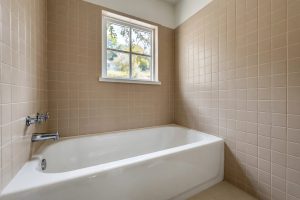
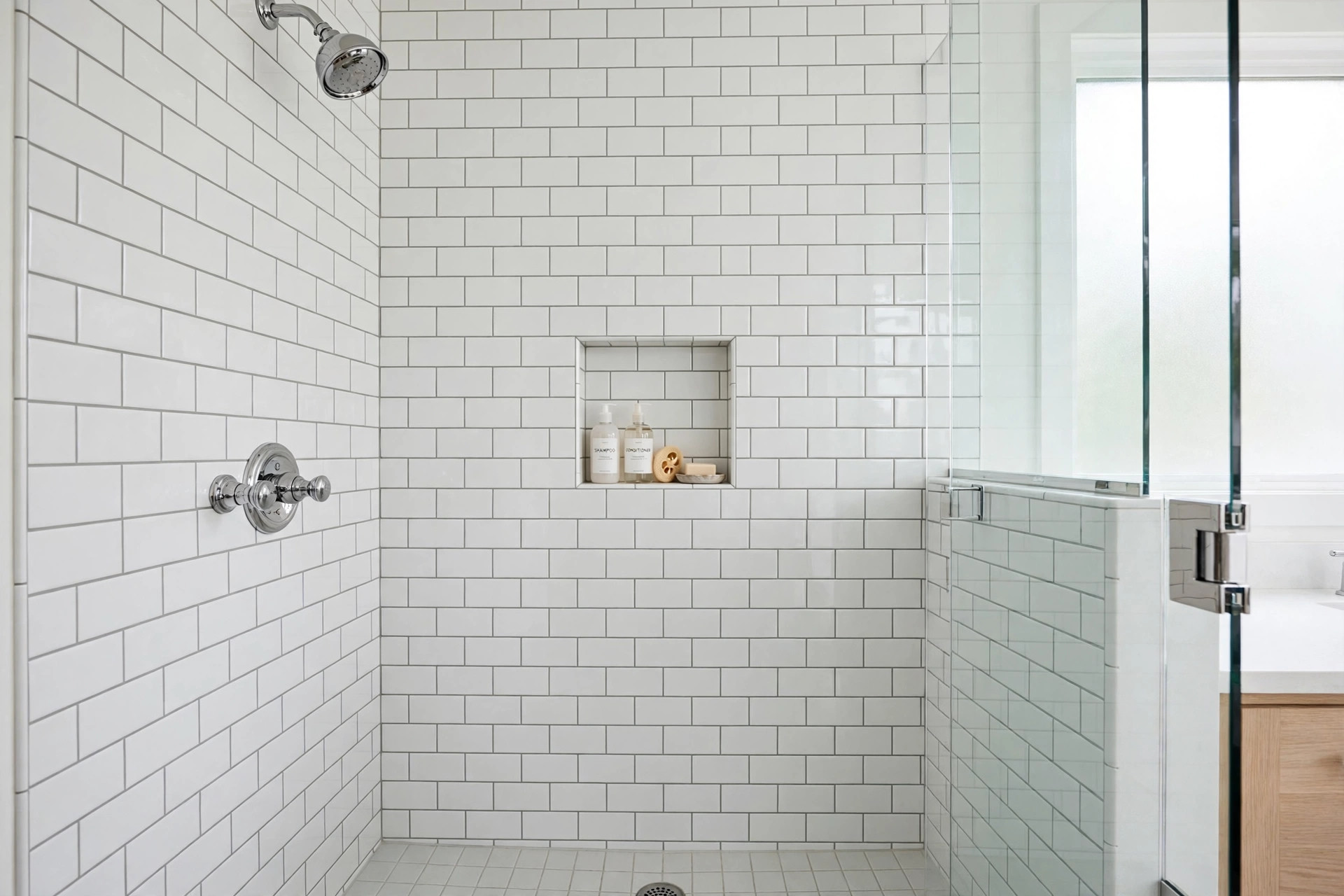
Tile size shapes how a room feels. Small tiles add grip and detail but need more grout lines. Large tiles cut down on grout and can make a small bath feel larger, but they may need cutting around pipes and valves. A classic 3 by 6 inch subway tile is a safe middle ground for most American bathrooms.
Color and Finish
Light colors lift a dark bath. Dark colors add depth but show water spots more. Matte finishes hide smudges and feel calm. Glossy finishes bounce light around and wipe clean with ease. In a shower, glossy tile is easy to keep clean but shows soap film, so plan on a quick squeegee.
Thickness and Weight
Wall tile should be made for walls. Some heavy stone and large-format pieces need strong walls and the right mortar. Read the maker’s guide before you buy heavy tile for a thin wall. Product lines from makers such as Kohler and American Standard often show how their fixtures pair with common tile depths, which helps when you plan the whole bath at once.
Types of Bathroom Wall Tile
Glazed Ceramic Tile
Glazed ceramic is the most common wall tile in the United States. It is fired from clay and coated with a glass-like glaze. It costs less than most rivals. It cuts cleanly with a basic tile cutter. It comes in more colors and patterns than any other type. For walls that do not take direct floor-level wear, ceramic does the job well.
Porcelain Tile
Porcelain is fired at higher heat from finer clay. The result is denser and less porous than standard ceramic. It handles steam and splash with ease. Many porcelain tiles now mimic marble, wood, or cement at a lower price than the real stone. It is a strong pick for shower walls and tub surrounds.
Glass Tile
Glass tile gives a bright, rich look that no clay tile can match. It is often sold as mosaic sheets for accent strips, borders, and niches. Full glass walls cost more and take more care to set right. Use glass where you want a focal point, such as behind the vanity or as a band in the shower.
Natural Stone Tile
Marble, travertine, and slate bring real stone beauty to the wall. They also ask more of the owner. Stone is porous and needs sealing on a set schedule. Some stone stains when soap and hard water sit on it. If you love the look, plan for the upkeep. Stone pairs well with quality fixtures from brands like Moen and Delta Faucet, whose finishes are made to sit beside natural materials.
Peel-and-Stick and Vinyl Tile
For a fast refresh or a rental, stick-on tile is an option. It does not equal the life of set tile. It can work on a dry wall behind a toilet or on a small backsplash. Do not use it inside a shower or tub surround where standing water will reach it.
Cost and Price in the USA
Tile prices in the United States vary widely. Basic glazed ceramic wall tile often runs from two to six dollars per square foot. Mid-range porcelain runs from five to twelve dollars per square foot. Glass mosaic can run from ten to thirty dollars per square foot. Natural stone often starts near ten dollars and climbs much higher for fine marble.
Material is only part of the bill. Setting labor often runs from five to fifteen dollars per square foot, based on the tile size and the layout. Small mosaics and complex patterns cost more to set because they take more time. Removing old tile adds cost too.
Do not forget the extras. Backer board, mortar, grout, and sealant add to the total. Trim pieces and edge profiles finish the job and cost more per foot than field tile. A smart buyer prices the whole job, not just the tile on the shelf. Large home stores such as Home Depot and Lowes list tile, mortar, and trim in one place, which makes side-by-side price checks simple.
Plan for waste. Buy ten to fifteen percent more tile than your wall measure calls for. Cuts, breaks, and future repairs all draw from this extra stock. Tile lines change over the years, so a box set aside now saves trouble later.
Where Tile Meets the Rest of the Bath
Wall tile never stands alone. It meets the tub, the shower base, the vanity, and the floor. Plan these joints early. A freestanding soaking tub buying guide can help you match tub height to your tile layout, so the tile line lands cleanly above the rim.
If your bath has radiant heat, your wall tile and floor plan should be set together. Read about heated floor kits where to buy before you lock in materials, since the floor system can affect how wall base trim is set.
Storage matters too. A mirrored medicine cabinet for sale search will show you cabinet depths, and your tile layout around the vanity should leave room for the unit to sit flat against the finished wall.
Care and Upkeep
Good care starts with the right grout. Sanded grout suits wider joints. Unsanded grout suits narrow joints. Epoxy grout costs more but resists stains far better than cement grout. Seal cement grout after it cures, and reseal it on the maker’s schedule.
Clean tile with mild soap and warm water. A soft cloth or sponge does most of the work. Stay away from harsh acids and strong bleach on a daily basis, since they can dull glaze and wear grout over time. In the shower, a quick squeegee after each use cuts soap film and keeps the tile bright.
Watch the grout lines and the caulk at corners. These are the weak points. If grout crumbles or caulk pulls away, water finds a path behind the tile. Recaulk once a year in wet corners. Regrout worn spots before they grow. The Spruce and Bob Vila both keep clear care guides for tile grout that walk through each step.
Safety Notes
Wet tile can be slick, so plan grip where it counts. On shower walls this matters less than on floors, but a grab bar set into tile still needs solid blocking behind the wall. If you are adding bars, open the wall or use a proper anchor rated for tile.
Cutting tile makes sharp edges and fine dust. Wear safety glasses and a dust mask when you cut. Keep small cut pieces picked up, since their edges are keen. If you hire the work out, make sure the installer vents dust and keeps the work area clean.
Steam and heat need a path out. A bath fan sized to the room keeps moisture off the tile and grout. Let the fan run twenty minutes after a shower. This one habit does more for tile life than any cleaner.
Design sources like HGTV show how safe layouts and good venting fit into real bath plans, which is worth a look before you finalize your design.
Frequently Asked Questions
What is the best tile for bathroom walls?
Glazed ceramic and glazed porcelain are the best all-around picks for most bathroom walls in the USA. They shed water, come in wide styles, and cost less than glass or stone. Porcelain is denser and suits shower walls best. Ceramic is fine for dry vanity walls and half baths.
What size tile is best for a small bathroom?
Medium sizes such as 3 by 6 inch subway tile or 4 by 12 inch planks suit small baths well. They keep grout lines in balance and need fewer cuts. Very large tile can work in a small room too, but it may need many cuts around valves and niches, which adds labor cost.
Can I use floor tile on bathroom walls?
In most cases, yes. Floor tile is made to take more stress, so it performs well on walls. Wall tile should not go on floors, since it lacks the strength and slip rating. Always check the maker’s rating on the box before you switch a tile from floor to wall use.
How much does it cost to tile bathroom walls in the USA?
A common range runs from seven to twenty-five dollars per square foot for tile plus setting labor. Basic ceramic in a simple layout sits near the low end. Glass mosaic or marble in a complex layout sits near the high end. Backer board, grout, trim, and old tile removal add to the total.
Do bathroom wall tiles need sealing?
Glazed ceramic, porcelain, and glass tile do not need sealing on the tile face. Natural stone tile does, and cement grout needs sealing too. Follow the sealer maker’s schedule. In a shower, reseal stone once a year or as water stops beading on the surface.
How long does bathroom wall tile last?
Well-set wall tile lasts twenty years or more, and often far longer. Grout and caulk wear out sooner and need touch-ups. The tile itself fails only when water gets behind it or the wall moves. Good backer board and sound setting are what give tile its long life.
A Final Word
Buying bathroom wall tile is not hard once you know the basics. Pick a tile rated for wet walls. Match the size and color to your room. Price the whole job, not just the tile. Seal what needs sealing, and care for the grout. Follow these steps and your walls will look good and stay dry for many years.
References
American Standard. (n.d.). Bathroom and kitchen products. https://www.americanstandard.com Bob Vila. (n.d.). Home improvement advice. https://www.bobvila.com Delta Faucet. (n.d.). Kitchen and bathroom faucets. https://www.deltafaucet.com HGTV. (n.d.). Home and garden ideas. https://www.hgtv.com Kohler. (n.d.). Bathroom and kitchen fixtures. https://www.kohler.com Lowe’s. (n.d.). Home improvement products. https://www.lowes.com Moen. (n.d.). Faucets and plumbing fixtures. https://www.moen.com The Home Depot. (n.d.). Home improvement products. https://www.homedepot.com The Spruce. (n.d.). Home and garden advice. https://www.thespruce.com This Old House. (n.d.). Home renovation guidance. https://www.thisoldhouse.com
Was this guide helpful?

About Emily Rodriguez
The My Garden US editorial team writes practical, in-depth home and garden guides for American homeowners — tested advice, no fluff.
You May Also Like
Bathtub Refinishing Kits for Sale USA: A Complete Buyer Guide
March 28, 2026 0 views
Brushed Nickel Faucets for Florida Homes: A Buyer’s Guide
June 8, 2026 0 views
LED Bathroom Mirrors for Sale in the USA: A Complete Buyer’s Guide
May 22, 2026 0 views