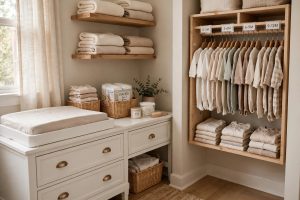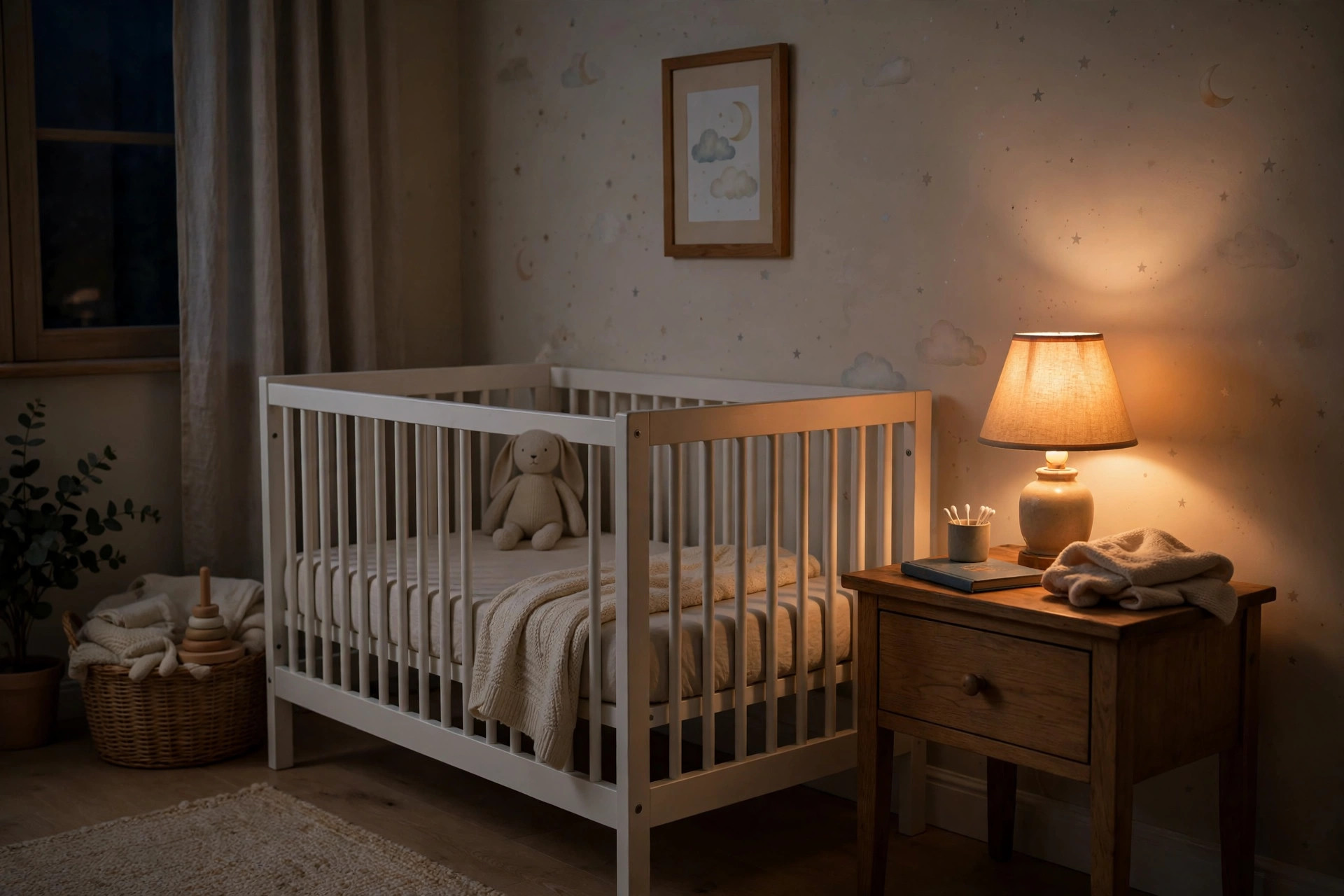

A nursery lamp with soft warm light for night is one of the most useful items in a baby room. New parents wake many times each night. They must feed the baby. They must change diapers. They must calm a crying child. A bright overhead light makes these tasks hard. It wakes the baby fully. It wakes the parent fully too. A small lamp with soft warm light solves this problem. It gives just enough light to see. It keeps the room calm and dark. This guide explains what such a lamp is, why it matters, and how to choose one.
Why It Matters
Babies sleep in short stretches. Newborns wake every two to three hours. Parents must rise with them. A dark room helps the baby fall back asleep. Light tells the brain to wake up. A bright white light signals morning. A soft warm glow does not send that signal. It is gentle on tired eyes.
Warm light also feels safer for small children. Many toddlers fear the dark. A faint warm glow helps them rest. It marks the room as familiar. Parents like it too. They can check on the child without a harsh flash of light.
Health experts often give sleep advice for young children. HealthyChildren.org shares tips on infant sleep habits. These tips stress a calm, dark sleep space. A low warm lamp fits that advice well. Parents can read more on their site.
Night feeding is a main reason for the lamp. Feeding takes twenty to forty minutes. The parent holds the baby in a chair. The room should stay dim. A warm lamp lets the parent see the baby. It does not startle the child awake. What to Expect offers many guides on night feeding. Those guides describe the long nights new parents face.
A lamp also helps with diaper changes. A parent can see what they are doing. They do not need to turn on the ceiling light. The baby stays sleepy. The task ends sooner. The whole house sleeps better.
How to Choose the Right Lamp: Nursery Lamp with Soft Warm Light for Night
Choosing a nursery lamp with soft warm light for night takes some thought. Not every lamp works in a baby room. Look at these points before you buy.
First, check the color of the light. Look for a warm tone. Warm light has a yellow or amber color. Lamp boxes often list color temperature. A number near 2700K means warm light. Avoid cool white light. Cool light looks blue. It can wake a child.
Second, look for a dimmer. A dimmer lets you lower the light. You may want a bit more light for a diaper change. You may want almost no light for feeding. A dimmer gives you both. Some lamps have touch controls. You tap the lamp to change the brightness. Others have a small dial or a remote.
Third, check the size. A nursery lamp should be small. It sits on a nightstand or a dresser. A large lamp takes too much room. A small lamp also tips less easily. Stable bases matter in a home with children.
Fourth, think about the shade. A good shade softens the light. Fabric shades spread light gently. Frosted glass also works well. Avoid open bulbs. An open bulb shines straight into the eyes. A shade blocks that glare.
Fifth, consider how the lamp turns on. Some lamps have pull chains. Pull chains can break. Some have simple switches. Simple switches are best. A switch on the cord is easy to find in the dark. Touch lamps are also simple. One tap turns them on.
If you want more detail on dimmer night lights, see our guide to a nursery night light with dimmer for feeding. It covers dimmer styles in more depth.
Placement in the Room
Place the lamp near your feeding chair. The light should fall on you and the baby. It should not shine at the crib from across the room. Keep the cord short and tucked away. Loose cords are a hazard. Place the lamp where a crawling child cannot reach it. A high dresser is safer than a low table.
Pair the lamp with dark windows. Light from the street can enter the room. Blackout curtains for nursery windows block that outside light. The lamp then becomes the only light source. The room stays calm.
Types and Options
Many kinds of lamps suit a nursery. Each has strengths. The list below covers the most common types.
Table lamps. These are the classic choice. They sit on a nightstand. Many come with warm bulbs. They are easy to move. They are easy to replace.
Touch lamps. A touch lamp turns on with a tap. You do not need to find a switch. This helps when your hands are full. Many touch lamps have three brightness levels. Tap once for low. Tap again for medium. Tap a third time for high.
Salt lamps. Himalayan salt lamps give a soft orange glow. They are popular in nurseries. They are heavy and stable. Make sure the bulb stays cool.
Plug-in night lights. These go straight into the wall outlet. They give very low light. They work well as a second light. They mark the path to the crib. They are cheap to run.
Projector lights. These cast stars or shapes on the ceiling. They entertain toddlers. They are less useful for newborns. If you like this style, read our notes on the best kids night light projector for bedroom use.
Smart lamps. Some lamps link to a phone app. You can set timers. You can change colors. You can dim them from bed. They cost more. They add features some parents love.
Retailers carry many of these styles. Lamps Plus lists a wide range of lamp types for every room. IKEA also sells simple and low cost nursery lamps. Browsing both sites shows the range of choices.
Cost and Price
A nursery lamp with soft warm light for night does not need to cost much. Simple plug-in night lights cost a few dollars. Small table lamps cost between fifteen and forty dollars. Touch lamps sit in the same range.
Designer lamps cost more. Some nursery brands sell lamps for eighty dollars or more. Pottery Barn Kids offers nursery decor with matching lamps. These lamps look fine. They also match other nursery items. You pay extra for the design.
Smart lamps are the most costly. They can cost fifty to one hundred dollars. They include apps and timers. Decide if you will use those features. Many parents find a simple dimmer lamp is enough.
Bulbs add to the cost. LED bulbs last for years. They use little power. They stay cool. Buy a warm LED bulb in the 2700K range. One bulb can serve for the whole first year. Wayfair sells lamps and bulbs together in many listings. You can compare prices there.
Think about value, not just price. A lamp you use every night for two years is worth more than a cheap lamp that breaks in a month. Read reviews. Check the warranty. A one year warranty is a good sign.
Care and Upkeep
A nursery lamp needs little care. Dust it once a week. Dust on the shade can dim the light. A damp cloth works on most bases. Unplug the lamp before you clean it.
Check the bulb now and then. LED bulbs last long. They still burn out in time. Keep a spare warm bulb in the house. You do not want to shop at midnight.
Check the cord each month. Look for wear or cracks. A worn cord is unsafe. Replace the lamp if the cord is damaged. Keep cords out of reach as the child grows. Toddlers pull on cords.
Clean fabric shades with care. Do not soak them. A light brush removes dust. The Spruce shares many home care guides. Their lamp cleaning tips work for nursery lamps too.
Safety
Safety comes first in a nursery. Lamps add heat and cords to a baby room. Follow these rules.
Use LED bulbs. LEDs stay cool to the touch. Old style bulbs grow hot. A hot bulb can burn a curious toddler. It can also scorch a shade.
Keep the lamp out of reach. Place it where a standing toddler cannot grab it. A lamp can fall. A falling lamp can break. Broken glass near a child is dangerous. Wall shelves set high can hold a small lamp. A tall dresser also works.
Secure all cords. Tape cords to the wall. Use cord covers. The U.S. Consumer Product Safety Commission gives guidance on nursery safety. Their site lists common hazards in baby rooms. Cords are high on that list.
Do not place a lamp inside the crib. Do not hang a lamp low over the crib. The American Academy of Pediatrics advises a clear sleep space. The crib should hold only the baby and a firm mattress. Keep lamps, toys, and blankets out.
Check that the lamp is stable. A wide heavy base resists tipping. Light plastic lamps tip with ease. If the lamp wobbles, move it or replace it.
Turn the lamp off when you leave the room for a long time. A timer can do this for you. Some smart lamps have built in timers. A simple outlet timer also works.
Frequently Asked Questions
What color light is best for a nursery at night? Warm light is best. Look for a yellow or amber glow. A color temperature near 2700K is ideal. Warm light keeps the room calm. It does not signal the brain to wake. Cool white or blue light can disturb sleep.
How bright should the lamp be? As dim as you can manage. You need enough light to see the baby and your hands. You do not need to read by it. A dimmer lets you adjust. Start low. Raise it only if you must.
Can I leave the lamp on all night? Yes, if the lamp is safe. Use a cool LED bulb. Make sure the lamp cannot tip. Many parents leave a low night light on all night. It helps with checks and late feedings. A timer can turn it off near morning.
Where should I put the lamp? Put it near your feeding chair. It should light your lap, not the crib. Keep it high and out of reach. Keep cords hidden. Do not place it where the child can pull it down.
Are salt lamps safe for nurseries? Salt lamps can work if placed with care. They give a soft warm glow. They are heavy and stable. Keep them out of reach. Some children may lick the salt. That can harm a small child. Place the lamp where the child cannot touch it.
Do I need a smart lamp or will a simple lamp do? A simple lamp does the job. A dimmer and a warm bulb are the key features. Smart lamps add timers and phone control. They are nice but not needed. Spend the extra money only if you want those features.
A Short Final Word
A nursery lamp with soft warm light for night is a small item with a large effect. It turns hard nights into calm ones. It lets parents feed, change, and soothe in soft light. The baby stays sleepy. The parent stays calm. Choose a warm tone. Choose a dimmer. Keep it safe and out of reach. The right lamp will serve your family for years, long after the night feedings end.
For more background, see Target.
References
American Academy of Pediatrics. (n.d.). HealthyChildren.org. https://www.healthychildren.org IKEA. (n.d.). Home furnishings. https://www.ikea.com Pottery Barn Kids. (n.d.). Kids furniture and decor. https://www.potterybarnkids.com Target. (n.d.). Retail store. https://www.target.com The Spruce. (n.d.). Home and garden advice. https://www.thespruce.com U.S. Consumer Product Safety Commission. (n.d.). Product safety information. https://www.cpsc.gov Wayfair. (n.d.). Furniture and home goods. https://www.wayfair.com What to Expect. (n.d.). Pregnancy and parenting guidance. https://www.whattoexpect.com
Was this guide helpful?

About Sarah Mitchell
The My Garden US editorial team writes practical, in-depth home and garden guides for American homeowners — tested advice, no fluff.
You May Also Like

Nursery Wall Letters Personalized Baby Name: A Parent’s Guide
September 28, 2026 0 views
Nursery Crib Mobile Musical for Baby Sleep: A Complete Guide
January 22, 2026 0 views
Best Toddler Bed for Small Bedroom Spaces
May 10, 2026 0 views