
Why the Best Blackout Curtains for Nursery Windows Matter
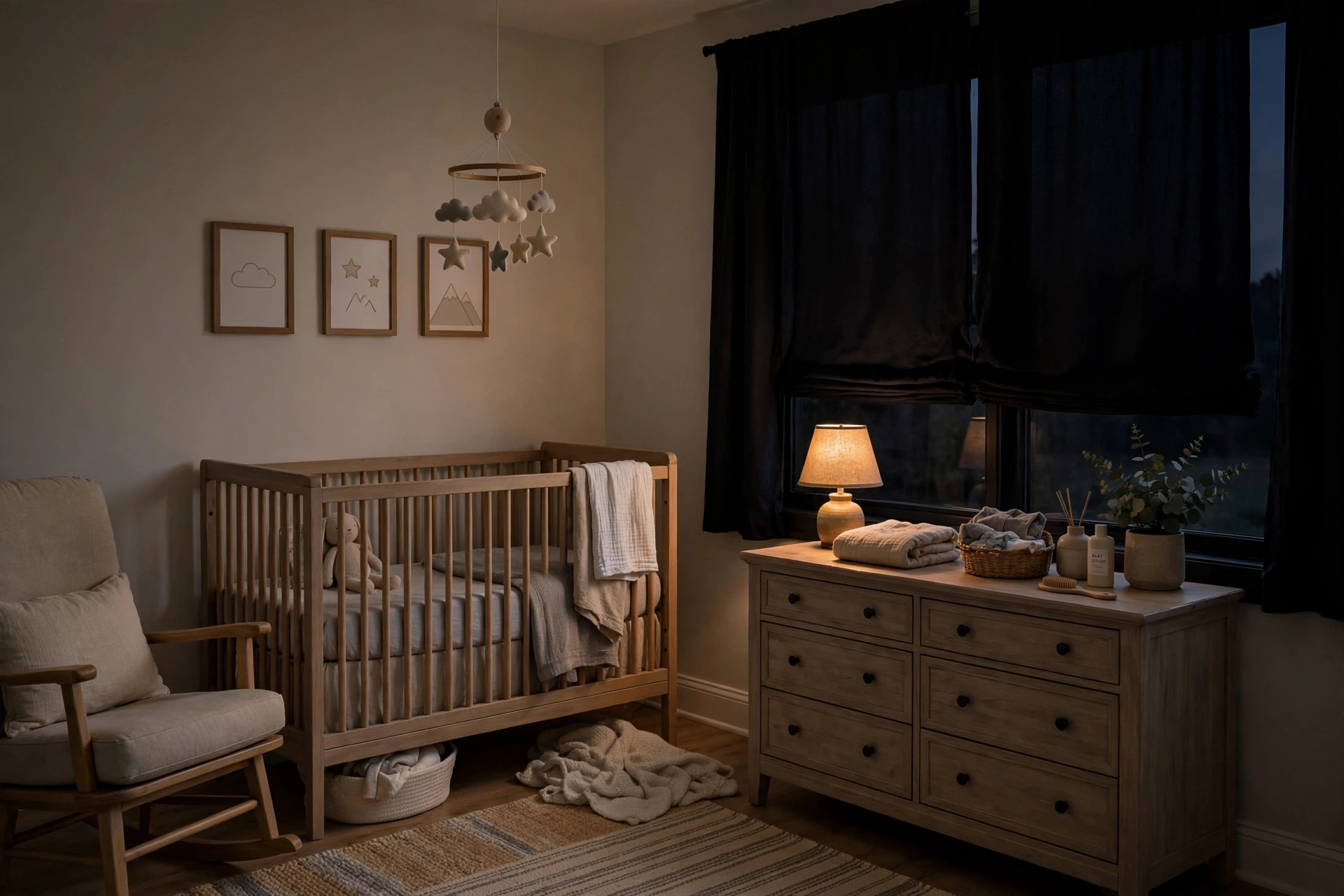
A baby who sleeps well is a gift to the whole house. Daylight is one of the main reasons babies wake from naps too soon. Even a small beam of light can end a nap. That is why parents across the USA search for the best blackout curtains for nursery windows usa before the baby comes home. Dark rooms signal sleep to the brain. They help babies nap in the middle of the day. They help early risers sleep a little longer in the morning. A good set of blackout curtains is one of the simplest changes a parent can make. It costs far less than a new crib. It takes one afternoon to install.
Sleep experts note that darkness supports the natural sleep cycle. The American Academy of Pediatrics explains that consistent sleep habits matter for babies, and a dark room is part of that plan. You can read more at the healthy children site. A dark nursery also helps with bedtime routines. When the curtains close, the room goes quiet and dim. The baby learns that this change means sleep. Over time, this cue works on its own. Parents who hang blackout curtains early often find that nap time fights drop fast.
Another point is privacy. A nursery on the ground floor faces the street or a neighbor. Blackout curtains keep the room private day and night. They also block outside noise to a small degree. Thick fabric softens street sounds. It does not silence them, but it helps. Parents also like that blackout curtains help control room temperature. They keep summer heat out and winter drafts at bay. That means a steadier room for the baby through the seasons.
What to Look for When You Choose Blackout Curtains: Best Blackout Curtains for Nursery Windows Usa
Not every curtain labeled “blackout” blocks the same light. Some block ninety percent. Some block nearly all of it. Look for curtains described as true blackout or one hundred percent blackout. Check the weave and the backing. A dense triple weave or a foam backing on the rear face is a good sign. Hold the fabric up to a bright lamp in the store if you can. If light passes through, naps will suffer.
Size matters more than most buyers think. Panels should be wider than the window. Aim for a total width at least twice the window width. This lets the folds overlap and keeps light from sneaking around the sides. Length should reach past the sill by several inches, or all the way to the floor for a full seal. A wrap-around rod or a rod mounted well above the frame lets the fabric cover the top gap too. Light leaks at the edges are the most common complaint. Good coverage solves it.
Fabric choice affects both look and function. Polyester blackout panels are the most common. They resist wrinkles and cost less. Cotton blends look softer and feel natural, but they may need a separate blackout liner. Liners are a fine option for a nursery. They let you keep pretty front curtains while the liner does the darkening work. Some parents choose thermal blackout curtains. These add a layer that holds heat in during winter and keeps heat out during summer. For a full buying guide on nursery window treatments, see the pottery barn kids guide.
Color is a personal choice, but it has a practical side. Dark colors block light better on their own. Light colors need a real blackout backing to perform. Neutral shades like gray, beige, or white blend with most nursery themes. Busy patterns can be fun, but they fade in bright sun over time.
Washability is easy to overlook. Nursery life is messy. Panels should be machine washable or easy to wipe down. Check the label before you buy. Also check for smell. Some new foam-backed curtains carry a strong chemical odor. Air them out for a day or two before hanging. If the smell stays strong, choose another brand. A nursery should smell like nothing at all.
Types and Options on the Market
Blackout curtains come in several forms. Standard blackout panels are the simplest. They hang on a rod like normal drapes. They come in many colors and sizes. Most parents start here. Panels with grommets slide easily, which is handy when you close them one-handed while holding a baby.
Blackout liners attach behind a decorative curtain. They clip or hook on to the back. Liners are smart when you already own nursery curtains you love. They cost less than a full new set. They also let you change the look later without losing the darkening layer.
Blackout shades are a second option. Roller shades with blackout fabric mount inside the window frame. They roll up neat and leave the wall free. Many parents pair a blackout shade with side curtains. The shade blocks the center. The curtains cover the edges. Together they give near total darkness. Stores like IKEA and Wayfair carry both panels and shades in nursery friendly styles.
Portable blackout curtains are worth a look for renters and travelers. These are fabric sheets with suction cups or velcro tabs. They press onto the window glass and pull off in seconds. They are not as pretty as real curtains, but they work well in hotel rooms and grandparent visits. Some parents keep one set for travel and a nicer set at home.
Cordless options deserve special note. Anything with cords near a crib is a hazard. Choose cordless roller shades or curtains on a simple rod. If you must use corded blinds, keep cords high, tied, and far from the crib. The federal safety agency gives clear guidance on window cord hazards at the CPSC site. Read it before you shop.
Cost and Price in the USA
Prices vary by size, brand, and fabric. A basic pair of blackout panels for a standard nursery window runs from twenty to sixty dollars. Big box stores carry these at fair prices, as you can see at Home Depot and Target. Mid range sets from sixty to one hundred twenty dollars offer better fabric and truer blackout. Premium brands and custom sizes can reach one hundred fifty dollars or more per pair.
Blackout shades cost more than panels. A single cordless blackout roller shade for a standard window runs forty to one hundred dollars. Custom cut shades run higher. Liners are the budget choice. A blackout liner pair often costs fifteen to forty dollars. It turns existing curtains into blackout curtains for less.
Measure before you buy. Write down the window width and height. Add extra inches for overlap. Buying the wrong size is the most common waste of money. Many stores list exact panel dimensions online. Compare them to your numbers. If the window is wide, two panels may not be enough. Plan for three or four panels on large windows. Extra panels cost more, but they stop edge leaks that ruin the dark.
Sales help. Curtains go on sale around major holidays and back to school season. Watch for clearance in January. A good set bought on sale can cost half of the full price. Do not wait too long, though. Hang the curtains before the baby arrives. You want the room ready, not a project for the first sleepless week.
Care and Upkeep
Blackout curtains need little care. Dust them once a month with a soft brush or a vacuum with a brush head. This keeps dust mites down. That matters for a baby with sensitive airways. Wash them when the label allows. Most polyester panels wash well on gentle cycle. Dry on low heat or hang to dry. Foam backed panels need gentler care. Harsh heat can crack the backing. Read the label and follow it.
Check the backing once or twice a year. Foam backings can peel or flake with age. If flakes appear, replace the panel. Old fabric that sheds is not good for nursery air. Rotate panels if one side gets more sun.
Keep the rod and hardware tight. Babies grow into toddlers who pull on everything. A loose rod can fall. Test the brackets every few months. Tighten screws as needed. If the rod sits above the crib side of the room, consider moving the crib away from the window entirely. That is the safest layout.
Steam wrinkles out of new panels. A handheld steamer works well. Hold it a few inches from the fabric. Do not press an iron on foam backing. Heat ruins it. For cotton front curtains, a cool iron is fine. Keep the nursery curtains looking fresh, and the room stays calm and pleasant.
Safety in the Nursery
Safety comes first with any nursery window treatment. Corded blinds and shades can strangle a young child. The CPSC warns parents about this danger in plain terms on the CPSC safety page. Choose cordless products for the nursery. If the home already has corded blinds, replace them or fit them with cord cleats kept high on the wall. Cut looped cords. Never leave cords within reach of the crib.
Mount curtains on a sturdy rod anchored to studs or with proper wall anchors. A heavy blackout panel pulls hard on the rod. Weak brackets fail over time. Falling rods and curtains can land on a child. Check that finials on rod ends are tight and have no sharp points. Round ends are best.
Keep the crib away from windows. This is a basic rule. Babies pull curtains. Toddlers climb. A crib under a window invites trouble. Place the crib on a solid interior wall. Keep cords, curtain ties, and blind pulls far from little hands. When the child starts to stand, move anything grabbable higher or out of reach.
Fire safety matters too. Keep curtains away from lamps, heaters, and candles. Blackout fabric is thick and can catch fire like any drape. Choose panels labeled flame resistant if the window sits near a heat source. Never place a space heater under a curtained window. The What to Expect parenting site offers more nursery safety checklists for new parents.
Allergies are another quiet concern. Thick curtains trap dust. Vacuum them often. Wash them on schedule. If the baby shows signs of dust allergy, consider a washable shade instead of heavy fabric. A clean curtain is a safe curtain. For fabric care ideas, the home guides at The Spruce are a useful read.
Frequently Asked Questions
Do blackout curtains really help babies sleep longer? Yes. Darkness supports melatonin, the hormone that brings sleep. Many parents report longer naps and later wake times after hanging true blackout curtains. Every baby is different, but darkness is one of the most proven sleep aids.
Should I use blackout curtains for every nap? Most sleep guides say yes. A dark room for naps teaches the baby that dark means sleep. This builds a strong habit. Some parents keep one nap in light so the baby learns day from night. For newborns, a little daylight during naps is fine. For older babies, full dark works best.
Are blackout curtains safe for a newborn nursery? They are safe when hung right. Use cordless types. Mount the rod firm. Keep the crib away from the window. Air out new curtains before hanging to clear any factory smell. Check the fabric for loose threads or flaking backing. Follow these steps and the curtains are as safe as any drape.
Can I layer blackout curtains with regular curtains? Yes, and many parents do. Hang a blackout liner or shade behind pretty front curtains. You get the look you want and the dark you need. Layering also helps with insulation. The extra layer holds warmth in winter and keeps heat out in summer. Make sure the rod can hold the combined weight.
What size blackout curtains fit a standard nursery window? A standard nursery window is about thirty six inches wide. Two panels of fifty inches wide each give good coverage with overlap. Length depends on your taste. Sill length panels end just past the sill. Floor length panels give a fuller seal. Measure your own window before you order, since sizes vary by home.
Do I need blackout curtains if the nursery faces north? North facing windows get less direct sun, but they still let in plenty of daylight. Morning light in summer starts early. Street lights at night can also shine in. Blackout curtains still help. They give you full control of the light at any hour. Many parents in shaded rooms still choose them.
A Short Final Word
The best blackout curtains for nursery windows usa do one job well. They make day feel like night when the baby needs rest. Pick true blackout fabric. Size it wide and long. Hang it firm and cordless. Keep the crib away from the window. A soft rug underfoot and a dim night light for feeds round out the room, as our guides on the best nursery rug soft for crawling babies and the nursery night light with dimmer for feeding explain. Add a best rocking chair for nursery small spaces for late night feeds, and the room is ready. Rest is precious in the first year. Good curtains help the whole family get more of it. For registry ideas and gear lists, Babylist is a handy stop. Hang the curtains before the baby comes home, and enjoy the quiet dark.
References
American Academy of Pediatrics. (n.d.). HealthyChildren.org. https://www.healthychildren.org Babylist. (n.d.). Baby registry and gear guides. https://www.babylist.com IKEA. (n.d.). Home furnishings. https://www.ikea.com Pottery Barn Kids. (n.d.). Kids furniture and decor. https://www.potterybarnkids.com Target. (n.d.). Retail store. https://www.target.com The Home Depot. (n.d.). Home improvement products. https://www.homedepot.com The Spruce. (n.d.). Home and garden advice. https://www.thespruce.com U.S. Consumer Product Safety Commission. (n.d.). Product safety information. https://www.cpsc.gov Wayfair. (n.d.). Furniture and home goods. https://www.wayfair.com What to Expect. (n.d.). Pregnancy and parenting guidance. https://www.whattoexpect.com
Was this guide helpful?

About Sarah Mitchell
The My Garden US editorial team writes practical, in-depth home and garden guides for American homeowners — tested advice, no fluff.
You May Also Like

A Kids Bedroom Fan with Light for the Ceiling: A Plain Buying Guide
March 28, 2026 0 views
Nursery Rocker With Lumbar Support Pillow: A Parent’s Complete Guide
April 25, 2026 0 views
Toddler Duvet Cover Set for First Big Bed: A Simple Guide for Parents
April 7, 2026 0 views