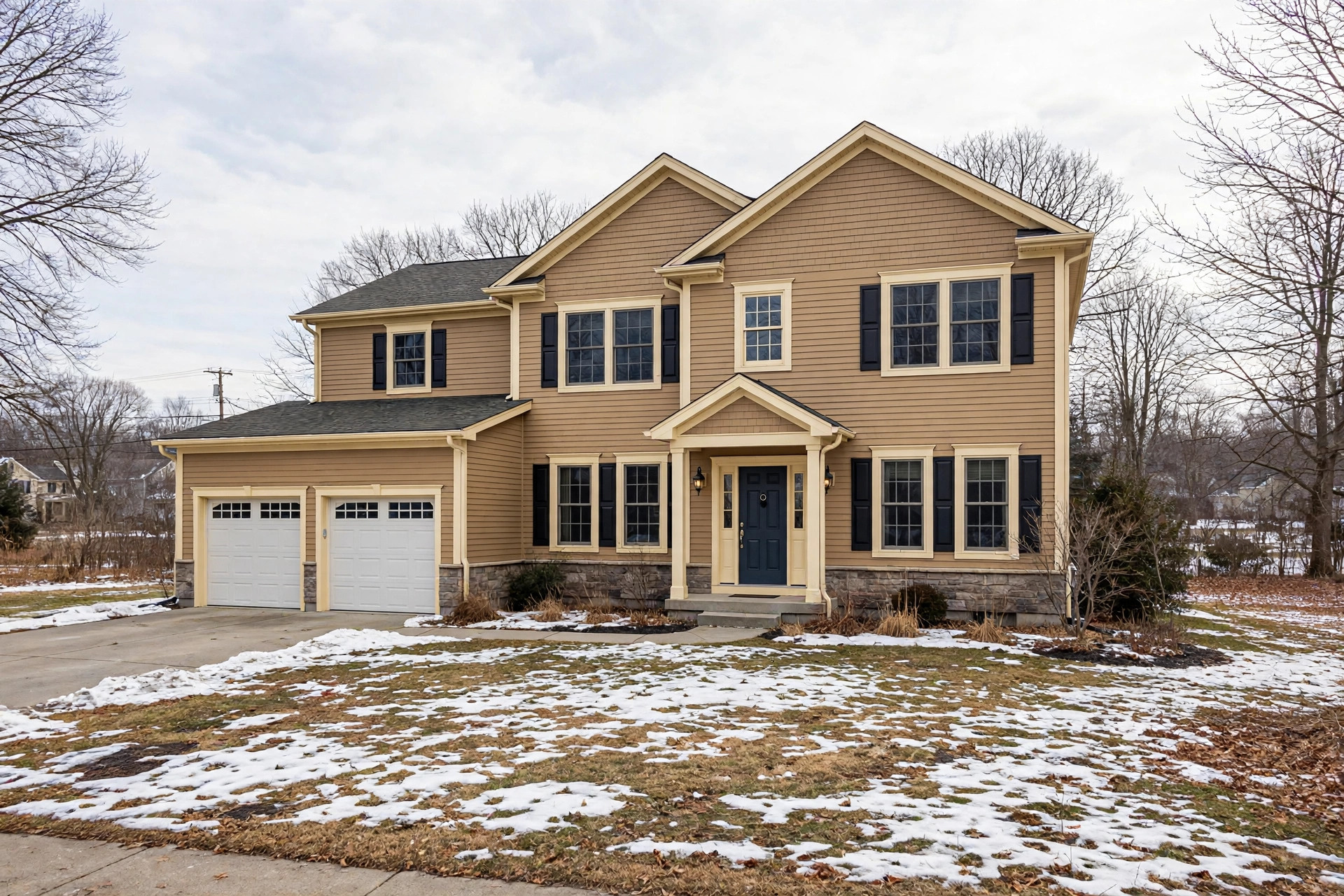

Choosing a siding color in a cold region is not the same as choosing one in a mild one. Snow throws light up at the walls. Long winters turn grey light into the normal light. Freeze and thaw cycles test every board and panel. That is why the best siding color visualizer tools for cold climates have become so useful for homeowners. They let you see a new color on your own house before a single board is ordered.
A visualizer is a simple program or web page. You upload a photo of your home. You pick a siding color from a list. The tool paints your house with that color on the screen. You can try ten shades in ten minutes. No paint is bought. No contractor is called. For homes in the north, where a wrong color can look dull for six months of snow, this preview step is worth its weight.
Why Color Choice Matters in Cold Climates
Winter changes how a house looks. Fresh snow is a bright reflector. It bounces light up onto the lower walls and can wash out pale colors. Dark colors, on the other hand, can look harsh against a white landscape. A shade that seems rich in the summer sun may seem flat under the flat grey sky of January.
Cold also punishes the wrong material. Boards expand and shrink as the temperature swings from night to day. Panels that are not made for freeze zones can crack at the joints. Color is tied to this problem. Dark siding absorbs winter sun and warms fast during the day, then cools fast at night. That extra movement can stress the joints over time. A visualizer cannot fix a bad material, but it can keep you from pairing a dark color with a panel that will not take it.
Resale value matters too. In cold regions, buyers look for homes that feel warm and solid through winter. A front that looks welcoming in February photographs well and sells well. The right siding color visualizer for cold climates approach helps you test that feeling before you commit money.
What to Look for in a Siding Color Visualizer Tool: Best Siding Color Visualizer Tools for Cold Climates
Not every visualizer is built the same. The best siding color visualizer tools for cold climates share a few traits. Look for these before you trust one with your decision.
Photo Upload and Live Preview
The core job of the tool is simple. It must take a clear photo of your home and paint it well. Cheap tools leave rough edges around windows and trim. Good tools trace the siding area and keep the roof, glass, and doors clean. Test it with your own photo, not a stock house. Your roofline and porch posts are what matter.
Climate and Light Settings
Some tools let you change the scene. You can view the color in morning light, noon light, or dusk. A few let you add snow to the yard. This is gold for northern homes. A warm tan that looks fine in August sun can look cold and pink under snow glare. Try the color in the worst light you will see, which is winter.
Deep Color Palettes
A tool with only twelve colors is a toy. You want the full line from a siding maker. Fiber cement siding makers like James Hardie publish wide color ranges, and their visualizers carry them. Vinyl siding lines from CertainTeed do the same. The wider the list, the closer your test gets to the real swatch.
Save and Compare
The best tools let you save two or three looks side by side. Your eye forgets a shade within a minute. A saved pair lets you judge fairly. Print the finalists on paper if you can. Screens lie about color, and a printout viewed in daylight tells the truth.
Types of Visualizer Tools You Can Use
You have three broad choices. Each has its own strengths.
Manufacturer Tools
Siding makers run their own visualizers on their sites. These are tuned to their exact products. The colors you see match the boards they sell. If you know you want fiber cement or engineered wood, start here. The match between screen and sample board is usually close.
Retailer Tools
Major home improvement retailers host visualizers that cover many brands at once. They are handy when you are still shopping around. You can jump from one brand to another in one session. Major home improvement retailers and large hardware chains both offer such tools online. The trade-off is that the color list is broad but not always deep for one brand.
Standalone Apps and Websites
Some apps are not tied to any seller. They let you paint any surface in any color code. These are flexible but need more care. You must type in the exact color code from a real swatch. If you skip that step, the screen color may not exist in any product line. Use them for rough ideas, then confirm with a maker or retailer tool.
For background reading, seasoned renovation guides and trusted home improvement advice explain how to read color samples in real daylight. DIY project guides walk through the photo setup step so your upload paints cleanly.
How to Pick Colors That Survive Cold Weather
Tools do the testing, but you still need a method. Cold-climate siding color work follows a few plain rules.
First, lean toward mid-tone colors with warm roots. Soft tans, warm greys, sage greens, and muted reds tend to look steady under snow glare and grey skies. Stark whites can look icy. Very dark browns and blacks can look bleak against snow for months.
Second, mind the trim. A two-tone scheme with lighter trim warms the whole front. Test the trim color in the visualizer too. Do not leave it at the default white without trying it. Cream, warm beige, and soft putty often beat pure white in winter light.
Third, check the sun side. The south and west walls take the most winter sun. They fade first and move most with temperature swings. A mid-tone on those walls fades less noticeably than a deep color. Use the visualizer on a photo of the sunny side, not just the front.
Fourth, borrow from the neighborhood. A house that clashes with the street can lose value. Drive around in winter and note which homes look good. Then test those families of colors on your own house. Home design resources carry many photo galleries of northern homes that show which palettes hold up.
Fifth, order real samples. The visualizer narrows the field to three finalists. Then you get physical swatches or sample boards and prop them against the wall. Look at them at dawn, noon, and dusk. Look at them with snow on the ground. The board in your hand is the final judge.
If you are also weighing matching garage door replacement options, run the garage door color through the same visualizer session. A door that fights the siding can undo an otherwise fine scheme. The same holds for pergola installation kits in the backyard; wood stains and painted posts should sit in the same color family as the house.
Cost and Price
The good news is that the tools themselves cost nothing. Nearly every siding color visualizer on the market is free. Makers and retailers give them away because they sell the siding you pick. Standalone apps may show ads, but the basic painting function is usually free as well.
The real money is in the siding job. Vinyl siding on a typical two-story home can run from several thousand dollars up to the low teens, depending on region and labor rates. Fiber cement costs more, often half again as much, because the boards are heavier and the install is slower. Engineered wood sits between the two in most markets.
A professional color consultation is a middle step worth knowing about. Some designers charge a flat fee, often a few hundred dollars, to visit with large samples and advise on palette. If your home is large or the neighborhood has strict rules, that fee can save a costly repaint.
Remember that the roof frames the siding. If you are comparing roofing and shingle choices at the same time, test roof and siding colors together in the visualizer. A new grey roof can shift which siding shade works, and doing both at once avoids a mismatch that lasts twenty years.
Independent product ratings from Consumer Reports can help you compare siding brands on durability before you fall in love with a color. The prettiest shade is no bargain if the board behind it fails in five winters.
Care and Upkeep of Siding Color in Winter Regions
A good color stays good only with basic care. Cold regions add a few chores.
Wash the siding once a year, in late spring. Road salt, sand, and grime splash up during winter and dull the color. A garden hose and a soft brush handle most of it. A pressure washer works too, but keep the stream gentle and the nozzle moving so you do not drive water behind the panels.
Inspect after the thaw. Walk the house each spring and look at the joints, corners, and the bottom course. Freeze and thaw can open small gaps. Caulk and sealant crack in the cold. Fix small gaps early. Water that gets behind siding in winter can freeze, expand, and push boards loose.
Repaint on schedule if your siding is painted wood or fiber cement. Most quality paint jobs last seven to twelve years in cold zones, less on the sunny sides. When the color starts to chalk or fade unevenly, it is time. Run the visualizer again before you repaint. Tastes change, and the tool is free.
Trim bushes back from the walls. Branches that rub siding in winter winds wear the finish off in streaks. A foot of clearance is enough for most shrubs.
Safety Notes Before You Start
Color work is safe, but the steps around it deserve care. If you climb a ladder to photograph the upper walls, keep three points of contact and never lean past the rails. A phone on a selfie stick from the ground is safer than a ladder for most shots.
Older homes may carry lead paint under the old siding or on the trim. If your house was built before 1978 and you plan to scrape or sand, test for lead first. Federal guidance and local rules cover how to handle it. Do not sand lead paint dry.
Work with a buddy when handling large sample boards on a ladder. A four-by-eight sheet catches wind like a sail. On a cold windy day, that is a real hazard.
If the job grows beyond samples into a full re-side, get three written quotes and check references. A low bid that skips house wrap or proper flashing will cost more later. Take your time. The visualizer lets you decide the color at your own pace, and the contractor decision deserves the same care.
Frequently Asked Questions
Do siding color visualizers show true colors? They show close colors, not exact ones. Screens vary, and daylight varies. Use the tool to cut a long list down to three finalists. Then judge with real sample boards held against the house.
Which siding colors are best for snowy regions? Mid-tone colors with warm roots do best. Warm greys, tans, sage greens, and muted barn reds look steady under snow glare. Very dark colors can look harsh against snow for months, and stark whites can look icy.
Are the visualizer tools really free? Yes, almost all of them. Siding makers and big retailers offer them at no charge. Some standalone apps show ads or sell extra features, but the basic color painting is free.
Can I test trim and door colors too? Most good tools let you paint the trim, shutters, and front door along with the siding. Do this. The trim color changes how the siding reads, and a front door is the accent that ties the scheme together.
How long does siding color last in a cold climate? Factory finishes on vinyl and fiber cement often carry long warranties, sometimes decades. Painted wood or fiber cement usually needs a new coat every seven to twelve years in the north. The sunny sides fade first.
Should I pick the color before or after choosing the siding material? Choose the material first, or at least narrow it to two. Color lists differ by material, and a shade you love may not exist in the product you need. The visualizer works best when it shows colors you can actually buy.
A Final Word
A house in a cold climate wears its color for the long winter. The best siding color visualizer tools for cold climates take the guesswork out of that choice. Upload a photo, test the shades in winter light, save your finalists, and then confirm with real boards in your own yard. The hour you spend on the screen can save you from years of looking at a color you wish you had not picked. Start with the free tools, trust the sample boards, and pick the shade that still looks right in February.
References
Bob Vila. (n.d.). Home improvement advice. https://www.bobvila.com CertainTeed. (n.d.). Building materials and exterior products. https://www.certainteed.com Consumer Reports. (n.d.). Product reviews and ratings. https://www.consumerreports.org Family Handyman. (n.d.). DIY home repair and maintenance. https://www.familyhandyman.com HGTV. (n.d.). Home and garden ideas. https://www.hgtv.com James Hardie. (n.d.). Fiber cement siding and exterior products. https://www.jameshardie.com Lowe’s. (n.d.). Home improvement products. https://www.lowes.com The Home Depot. (n.d.). Home improvement products. https://www.homedepot.com The Spruce. (n.d.). Home and garden advice. https://www.thespruce.com This Old House. (n.d.). Home renovation guidance. https://www.thisoldhouse.com
Was this guide helpful?

About James Carter
The My Garden US editorial team writes practical, in-depth home and garden guides for American homeowners — tested advice, no fluff.
You May Also Like
Professional Grade Exterior Door Replacement for Homeowners
January 13, 2026 0 views
Deck Building Contractors Cost Guide USA
January 30, 2026 0 views
Budget Friendly Exterior House Painting Services Near Me: How to Get a Quality Job for Less
September 30, 2026 0 views