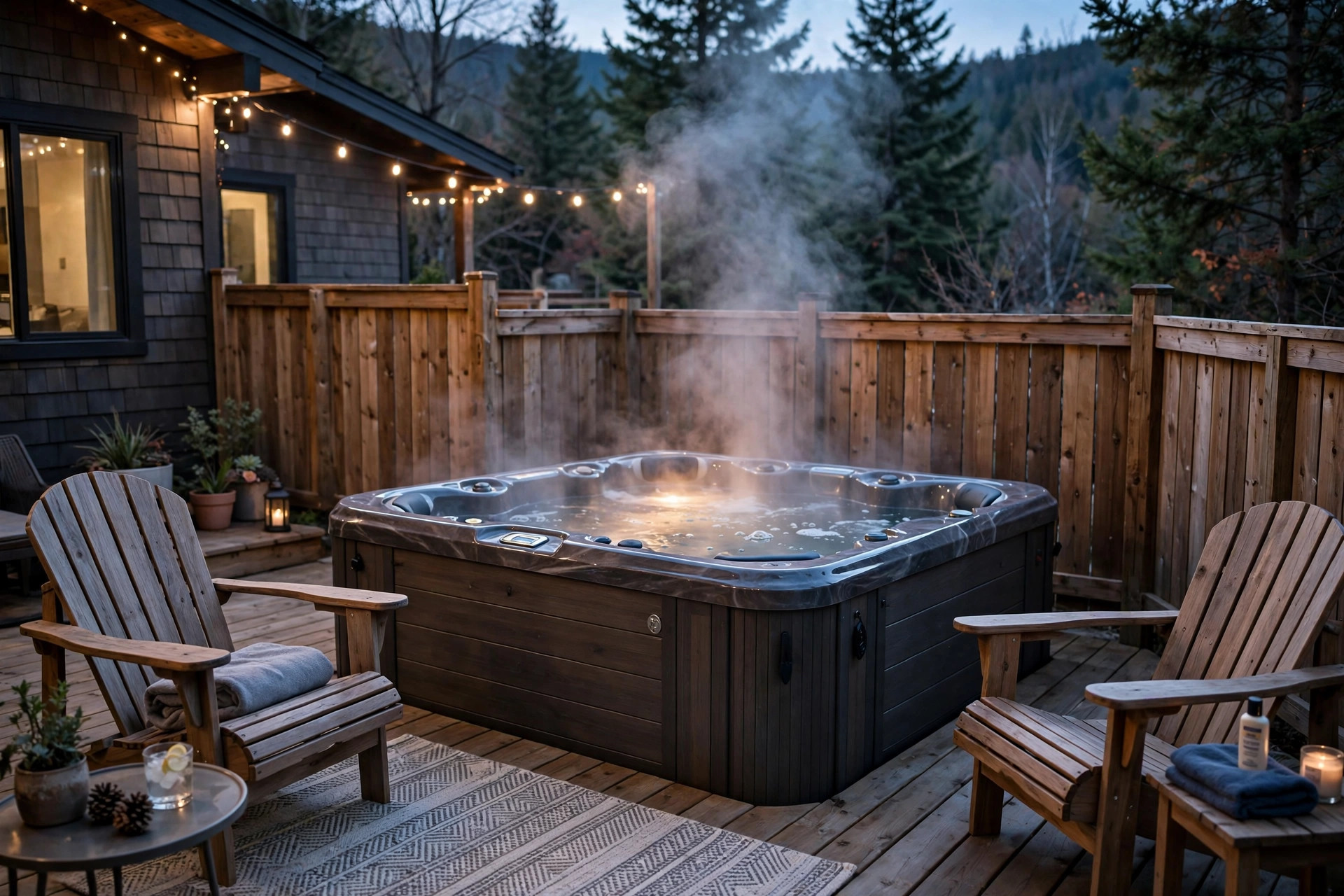

A hot tub can make a rental home stand out. Guests look for it when they book. They pay more per night when it is there. They leave better reviews. But a hot tub in a rental is not the same as a hot tub at home. Strangers will use it. You will not be there to watch it. The search for the best hot tub for rental property starts with that simple fact.
Rental owners face real risks. A guest may leave the cover off in a storm. Another may drop the wrong chemicals in the water. A third may bring glass bottles into the tub. Every one of these events costs money. The wrong tub will break, leak, or run up your power bill. The right tub will survive guest after guest with little trouble.
This guide walks through the whole choice. It covers the best types of tubs for rentals, what to look for, and what they cost. It explains care, upkeep, and safety rules. It answers the common questions that landlords and vacation rental hosts ask. By the end, you will know how to pick the best hot tub for rental property use with confidence.
Why a Hot Tub Matters for a Rental
A hot tub is one of the strongest booking tools a rental owner has. Travelers scroll through dozens of listings. The one with a hot tub catches the eye. Many guests filter their search for homes with spas. Without one, your listing may never appear in their results.
The numbers support the move. Owners report higher nightly rates after adding a tub. They also report longer stays. Guests who find a hot tub often choose a longer trip. They picture evenings in warm water after a day of travel. That picture sells the booking.
Repeat guests matter too. A family that had a great time in your hot tub will book again next year. They will tell friends. Word of mouth is free advertising. A tub that works every time builds trust. A tub that is green or broken does the opposite. The best hot tub for rental property use is one that is always ready and always clean.
Short-term rental sites also reward good reviews. A hot tub is a common line in five-star reviews. Guests mention it by name. They post photos of it. That content works for you long after they leave.
How to Choose the Best Hot Tub for Rental Property
Rental use is hard use. Choose with durability first and comfort second. A tub that cannot handle strangers will cost more than it earns.
Pick a Simple, Tough Design
Look for a tub with a strong shell. Acrylic over fiberglass is the common standard. It resists cracks and holds heat well. Avoid fancy wood frames that need paint or stain each year. A solid synthetic cabinet needs only a wash.
Fewer jets can be better than many. Each jet is a part that can clog or break. A mid-range jet count gives guests a good soak with fewer failures. Skip complex sound systems and light shows. Guests do not need them. Each added feature is one more thing to fix.
Size and Seating
For most rentals, a five or six person tub fits the need. It serves families and small groups. It also uses less water and power than a large tub. Larger tubs suit luxury homes that host big groups. Match the tub to the home, not to your dreams.
Energy Use
Power bills matter to landlords. A well insulated tub costs less to run. Full foam insulation keeps heat in. A tight, heavy cover keeps heat from escaping. Ask about the cost per month to run the tub. Retailers and makers publish these numbers. The Home Depot lists hot tub models with energy facts that help owners compare. A tub that costs little to heat protects your profit.
Plug-and-Play vs. Hardwired
Some tubs run on a standard 120-volt outlet. These are called plug-and-play tubs. They heat water more slowly. They suit mild climates and small tubs. Most rental owners pick a hardwired 240-volt tub. It heats faster and keeps temperature with guests using it all day. It needs an electrician for setup. Plan for that cost.
Types of Hot Tubs for Rentals
Standard Portable Acrylic Tubs
This is the best choice for most rentals. The tub sits on a pad or deck. It plugs in or wires in. It lasts for years with care. When you sell the home, you can take it with you. Makers such as Hot Spring Spas and Bullfrog Spas sell durable models that suit rental life. These brands are known for strong shells and good insulation.
Inflatable Hot Tubs
Inflatable tubs cost far less up front. They are easy to set up and move. Some owners use them as a test before buying a real tub. But they do not last. Guests can puncture them. They lose heat fast in cold weather. They look cheap in photos. For a serious rental, an inflatable tub is a poor fit. It may work for a trial season, but plan to upgrade.
In-Ground Spas
In-ground spas sit level with the deck or patio. They look high end. They add real value to a luxury home. They cost much more to build. They also cost more to repair. Pumps and pipes sit below grade and are hard to reach. Choose this only for a high-end rental where the price justifies the cost.
Wood-Fired Tubs
Wood-fired tubs heat with a stove, not power. They suit off-grid cabins. They give a rustic feel that guests love. But they need constant care. Someone must tend the fire. A guest left alone with a wood stove is a risk. Most owners should avoid them.
For most owners, the best hot tub for rental property is a standard portable acrylic tub. It balances cost, life span, and ease of care.
Cost and Price
A good rental tub costs between five thousand and twelve thousand dollars. That range covers solid mid-range models. Basic models start near three thousand. Luxury models can pass fifteen thousand.
Setup adds to the bill. Plan for these costs:
– Electrical work: five hundred to two thousand dollars for a 240-volt line. – Pad or deck work: three hundred to two thousand dollars. – Delivery and crane: two hundred to one thousand dollars if access is tight. – Steps and cover lifter: one hundred to five hundred dollars.
Running costs add up each month. Power can cost thirty to eighty dollars per month. Water and chemicals add another twenty to fifty. Repairs average a few hundred per year. Budget for all of it before you buy. Compare long-term costs when you shop, not just the sticker price. Guides at The Spruce break down spa ownership costs in plain terms.
Care and Upkeep
Care is where rental tubs succeed or fail. Guests will not maintain your tub. You or your cleaner must do it between every stay.
Water Chemistry
Test the water after each guest leaves. Use test strips or a digital tester. Keep chlorine or bromine at safe levels. Keep pH in range. A starter set of chemicals makes this simple. If you want a full list of what to buy, see our guide to the best hot tub chemicals starter kit. That guide lists each product a new owner needs.
Drain and refill the tub every two to three months. Heavy guest use dirties water fast. Fresh water is easier to balance. It also feels better to guests.
Filters
Clean the filter every month. Rinse it with a hose. Soak it in filter cleaner twice a year. Replace it once a year. A dirty filter makes the pump work hard. That shortens the life of the pump.
Cover Care
The cover is your first defense. It keeps heat in and dirt out. It also keeps children and animals out. Clean it with mild soap twice a year. Treat vinyl covers to stop cracks. Replace a waterlogged cover at once. A heavy cover tells guests the tub is neglected. A good cover lifter makes the cover easy to use, so guests actually put it back on.
Between-Guest Checklist
Give your cleaner a short list:
1. Test and balance the water. 2. Wipe the waterline and seats. 3. Check the cover and lock it after use. 4. Skim leaves and debris. 5. Check that jets and lights work. 6. Restock towels and the rule sheet.
Swim University publishes step-by-step hot tub care lessons that you can share with your cleaner or property manager. Training the person who touches the tub is money well spent.
Safety Rules for Rental Hot Tubs
Safety is not optional. A rental hot tub is a place of risk. Owners must take it seriously.
Post clear rules where guests will see them. Laminate the sheet and hang it by the tub. Rules should include:
– No children under five in the tub without an adult present. – No glass near the tub. Use plastic cups only. – Shower before use. – Limit soaks to fifteen or twenty minutes. – No use while drunk or under the influence. – Keep the cover locked when the tub is not in use.
The U.S. Consumer Product Safety Commission offers official spa safety guidance that every rental owner should read. Their rules cover drains, covers, and child safety. Follow them.
Locking covers matter most. A locked cover stops a child from climbing in alone. Many states and towns require barriers or locking covers by law. Check your local rules before you open the tub to guests.
Insurance is another must. Tell your insurer about the tub. Make sure your policy covers spa injuries. Some owners add an umbrella policy. The cost is small next to the risk.
Temperature also matters. Keep the water at or below 104 degrees Fahrenheit. Higher heat risks fainting and worse. A simple thermometer check each week keeps you safe.
Hot Tubs in Cold Climates
Cold weather changes the math. A tub in a snowy region must hold heat through winter storms. Full foam insulation is a must. A cheap cover will fail in the first winter. Buy the best cover you can afford.
Power loss is the real danger. If the pump stops in deep cold, pipes can freeze and crack. Some owners add a backup plan for outages. Others drain the tub for the coldest months. If your rental sits in a cold region, read our guide to the best hot tub for cold climates. It covers insulation, covers, and winter care in detail.
Buying Tips for Owners
Buy from a dealer with a service team. Online deals look good until the tub breaks. A local dealer can send a tech fast. That matters when guests arrive on Friday.
Ask about the warranty. A good tub carries a five-year shell warranty or better. Read what the warranty covers. Some warranties shrink for rental or commercial use. Ask the dealer to confirm rental use in writing.
Check delivery access. Measure gates, paths, and deck openings. A tub that cannot reach the deck is useless. Crane delivery costs more, so plan early.
Buy supplies in bulk. Chemical suppliers such as Leslie’s Pool Supplies and Pool Warehouse sell spa chemicals at fair prices. Bulk buying cuts your cost per guest.
FAQ
How much does the best hot tub for rental property cost to run?
Expect thirty to eighty dollars per month for power. Add twenty to fifty for chemicals and water. Costs rise in cold climates and with heavy guest use. A well insulated tub with a tight cover keeps bills low.
What size hot tub is best for a vacation rental?
A five or six person tub suits most rentals. It fits families and small groups. It uses less water and power than larger tubs. Luxury homes that host large groups may need seven or eight seats.
Should I let guests use the hot tub in winter?
Yes, if the tub is built for it. Guests love a hot tub in snow. Make sure the tub has full insulation and a strong cover. Keep a clear path to the tub. Shovel snow and lay down mats to stop slips.
How often should I clean a rental hot tub?
Test and balance the water between every guest stay. Clean the filter monthly. Drain and refill every two to three months. Wipe seats and the waterline each turnover. A strict schedule keeps the water safe.
Do I need special insurance for a rental hot tub?
Yes. Tell your insurer about the tub. Confirm that your policy covers spa-related injuries. Many owners add an umbrella policy for extra protection. The added cost is small next to the risk of a claim.
Can a hot tub raise my rental income?
In most cases, yes. Listings with hot tubs earn higher nightly rates. They also get more bookings and better reviews. The tub usually pays for itself within one to three years, depending on your market.
A Short Final Word
The best hot tub for rental property is not the fanciest one. It is the toughest, simplest tub that fits your home and your budget. Buy a solid acrylic tub from a dealer who will service it. Keep the water clean between every guest. Lock the cover. Post the rules. Do these things and the tub will pay for itself in bookings, reviews, and repeat guests for years.
References
Bullfrog Spas. (n.d.). Hot tubs and spas. https://www.bullfrogspas.com Hot Spring Spas. (n.d.). Hot tubs and spas. https://www.hotspring.com Leslie’s Pool Supplies. (n.d.). Pool supplies and equipment. https://www.lesliespool.com Pool Warehouse. (n.d.). Pool equipment and supplies. https://www.poolwarehouse.com Swim University. (n.d.). Pool and hot tub care guides. https://www.swimuniversity.com The Home Depot. (n.d.). Home improvement products. https://www.homedepot.com The Spruce. (n.d.). Home and garden advice. https://www.thespruce.com U.S. Consumer Product Safety Commission. (n.d.). Product safety information. https://www.cpsc.gov
Was this guide helpful?

About Sarah Mitchell
The My Garden US editorial team writes practical, in-depth home and garden guides for American homeowners — tested advice, no fluff.
You May Also Like
Best Pool Filter for Saltwater Systems: A Practical Homeowner Guide
August 26, 2026 0 views
Best Pool Floats for Pool Parties: A Practical Buying Guide
July 4, 2026 0 views
Best Pool for Entertaining Guests Ideas: Choosing a Backyard Pool Built for Parties
May 4, 2026 0 views