
Getting Started
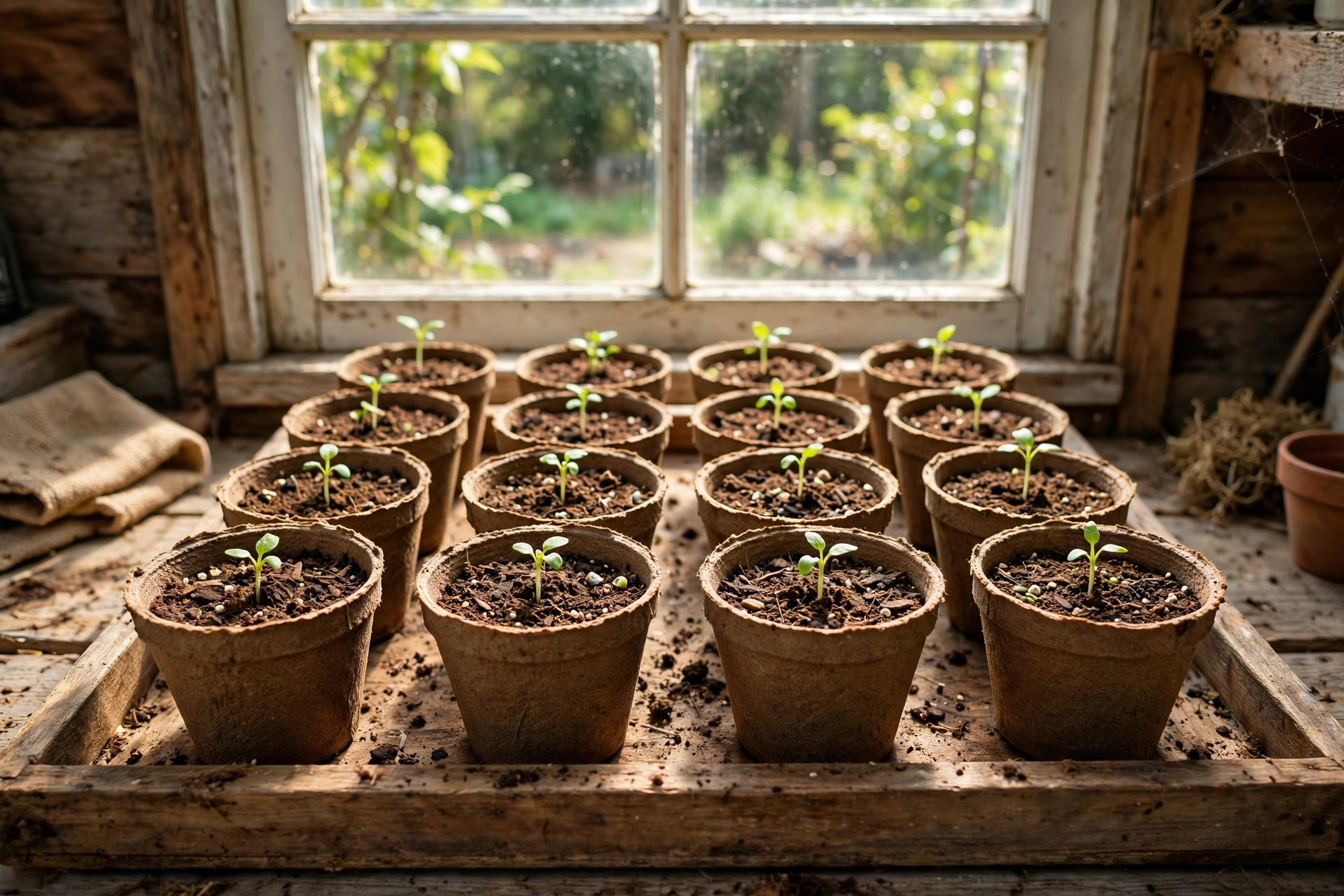
Every spring, gardeners across the country face the same small but important choice. When they look at peat pots seedlings for sale usa listings, they are really asking one simple question: how do I give my young plants the best start? A peat pot is a small cup made from pressed peat moss. It holds a seedling while it grows indoors, and then it goes straight into the ground, cup and all. The roots grow through the soft walls. There is no pulling, no tugging, and no shock to the plant. That simple idea is why peat pots have stayed popular for decades.
This guide walks through the full picture. You will learn why these pots work, what to look for when you shop, the sizes on the market, the prices you can expect, and how to care for the pots until planting day. You will also find answers to the questions buyers ask most. By the end, you will know exactly what to put in your cart when you browse peat pots seedlings for sale usa offers online or at the local store.
Why Peat Pots Matter for Seedlings: Peat Pots Seedlings for Sale Usa
A young seedling is a delicate thing. Its roots are thin threads. Its stem is soft. Any rough handling can set the plant back by weeks or kill it outright. Traditional plastic pots force the gardener to tip the plant out at transplant time. The root ball often cracks. Roots tear. The plant must recover while also adjusting to the open garden. That recovery takes time and energy.
A peat pot removes that problem. When the weather warms and the soil is ready, you dig a hole, set the whole pot in it, and cover it with soil. The pot breaks down in the ground. Water and soil life soften the walls, and the roots pass through into the surrounding earth. The plant never knows it moved. Many gardeners report stronger early growth from plants started this way, especially with crops that dislike root disturbance.
Tomatoes, peppers, cucumbers, squash, and melons are good examples. These plants hate to have their roots touched. Flowers like cosmos, zinnias, and marigolds also respond well. For herbs started from seed, such as basil and parsley, a peat pot gives the small root system room to spread without interruption. The advice in The Old Farmer’s Almanac seed-starting calendar on timing your sowing pairs well with this method, since you can start indoors and move plants out exactly on schedule.
What to Look for When You Buy
Not every peat pot on the shelf is the same. A careful buyer checks a few details before spending money.
Size and Shape
Peat pots come in round and square shapes. Round pots are the classic form. Square pots pack tighter on a windowsill tray, so you can fit more seedlings in the same space. Diameters usually run from about two inches for herbs and small flowers up to four or five inches for larger vegetables. Pick a pot that will hold the plant until the garden is ready. A pot that is too small will dry out fast and cramp the roots. A pot that is too large wastes soil mix and windowsill space.
Wall Thickness and Strength
The wall must be strong enough to survive watering and handling, yet thin enough to break down in the soil. Cheap pots sometimes arrive cracked or crumble in the hand. Quality pots feel firm and even. When you see peat pots seedlings for sale usa in bulk packs, read the reviews for words like “sturdy” and “thick-walled.” The buying advice at Burpee’s seed-starting supplies page also covers pot quality, since Burpee has sold seed-starting goods to home gardeners for generations.
Moisture Behavior
Peat holds water well, which is both a blessing and a warning. A good pot releases moisture slowly and evenly. Poor pots dry at the rim first and stay soggy at the base. That uneven pattern can stress roots. Before you buy in large quantity, test a small pack. Fill the pots with damp seed-starting mix, water them, and watch how they dry over two or three days. If you are also setting up seed starting trays, choose trays with raised ribs so the pot bottoms do not sit in standing water.
What Is Actually Inside
True peat pots are made of peat moss, sometimes blended with wood fiber for strength. Some products sold as “peat pots” are really made of coconut coir or compressed paper. Those have their own uses, but they behave differently in the ground. If you want the classic peat pot, read the label. It should name peat as the main material.
Types and Options on the Market
Shoppers browsing peat pots seedlings for sale usa listings will meet several product styles.
Round individual pots are the standard. They are sold in packs of ten, twenty-four, fifty, or one hundred. Square individual pots come in similar counts and suit growers who count every inch of bench space.
Strip pots join a row of small cups in one strip, like a tray of cells. You sow one seed per cell and tear off the strip when planting. They save space and cost less per plant, but the cups are small and best for fast growers.
Large transplant pots, four to five inches across, serve plants staying indoors longer. Tomatoes and peppers often start in a small pot and move up to a larger peat pot before the garden is warm enough. This step gives roots room without ever forcing a transplant out of plastic.
Biodegradable pot kits bundle peat pots with a tray, a clear dome, and sometimes compressed soil pellets. These kits suit beginners. Everything needed to start sits in one box. The dome holds humidity, which helps seeds sprout.
For buyers who also want guidance on the seeds themselves, the general peat pots seedlings buying guide covers the pot side in more depth, while growers starting culinary plants may find the organic herb seeds buying guide useful for matching seed to pot size.
Cost and Prices in the United States
Peat pots are one of the cheapest parts of a garden. Prices stay low because the material is simple and the pots are sold in bulk.
Small round pots, two inches wide, often sell for eight to fifteen cents each in packs of one hundred. Medium pots, three inches, run about fifteen to twenty-five cents each in similar bulk packs. Large four-inch pots cost thirty to fifty cents each. Strip pots usually work out to five to ten cents per cell.
Retail packs at garden centers cost a bit more per pot than bulk online orders. A pack of twenty-four three-inch pots at a big-box store might sell for six to nine dollars. Shipping adds to the cost of online orders, but bulk packs of one hundred or more often beat store prices even after shipping. Watch for spring sales in March and April, when many retailers discount seed-starting supplies.
The cheapest price is not always the best deal. Very cheap pots sometimes arrive cracked or vary in size. A pot that falls apart before planting day wastes the soil, the seed, and the weeks of care you put in. Spend a little more on a pack with a good reputation.
Budget planning is simple. A home gardener starting fifty vegetable plants might need about ten to fifteen dollars worth of pots. That is a small fraction of the value of the harvest those plants will produce. The cost breakdowns and product comparisons at The Spruce seed-starting reviews can help you compare value across brands before you order.
Care and Upkeep Before Planting Day
Buying the pots is only half the job. How you care for them during the weeks indoors decides how well they perform.
Water from the bottom when possible. Set the pots in a shallow tray and pour water into the tray. The pots will wick the moisture up through their walls. This method keeps the seed surface undisturbed and lowers the risk of damping-off, the fungal disease that kills seedlings at the soil line. Empty the tray after an hour so the pots do not sit in water all day.
Watch the rims. As peat pots dry, the top edge can wick moisture out of the soil faster than the plant can use it. If the rim stays white and dry, water a little more often. Some gardeners tear off the top rim of the pot at planting time so no peat sticks above the soil line.
Give the seedlings enough light. A sunny south-facing window works in many cases, but a simple shop light hung a few inches above the pots works better. Weak light makes tall, pale seedlings that struggle outside. Keep lights on for fourteen to sixteen hours a day. Step-by-step timing charts from Gardening Know How seed-starting guides help match light schedules to sowing dates.
Harden the seedlings off before planting. For seven to ten days before the move, set the pots outside in a sheltered spot for a few hours each day. Increase the time daily. This slow exposure to sun, wind, and cooler nights prepares the plants for garden life. Plants moved straight from a warm windowsill to open ground often suffer, even in a peat pot.
At planting time, soak each pot in water for a few minutes. A dry pot will steal moisture from the surrounding soil. Dig a hole deep enough that the whole pot sits below the surface. Cover it completely. Any peat left above the soil line will act like a wick and dry the root zone. The plant guides at Proven Winners plant care library offer more detail on planting depth and first-week watering for popular bedding plants.
Safety Notes
Peat pots are safe and simple, but a few cautions apply.
Buy pots from a clean source and store them dry until use. Old pots kept in a damp shed can grow mold. If you see green or white fuzz on stored pots, discard them. Moldy pots can carry disease to young seedlings.
Peat is mildly acidic. This suits most vegetables and flowers, but it is worth knowing if you grow plants that dislike acid soil. A pinch of garden lime mixed into the soil at planting balances this.
Peat moss is a natural resource harvested from bogs. Some gardeners prefer coconut coir pots to reduce peat use. Both types break down in the ground. Choose the material that fits your own values. Information on peat and wetland care from the USDA National Institute of Food and Agriculture gives useful background on how these materials are produced and studied.
Keep peat pots and seed-starting supplies away from children and pets. The pots are not toxic, but damp peat can harbor mold spores, and seed packets often carry treatments. Store everything on a high shelf.
Finally, check your local planting calendar. A peat pot does not protect a plant from frost. Move seedlings outside only after the last expected frost date for your area. The planting guidance at Gurney’s growing guides includes zone charts that help you time the move.
Frequently Asked Questions
Can I plant the whole peat pot in the ground?
Yes. That is the entire point of the design. Soak the pot first, set it in the hole, and cover it fully with soil. The walls break down over several weeks while the roots grow through them.
Will the pot really break down in the soil?
In most garden soils, yes. Moisture, soil life, and warmth soften the peat within a few weeks. In very dry or sandy soil, breakdown is slower. Watering well at planting and during the first weeks speeds the process. Tearing the bottom of the pot before planting helps stubborn cases.
How long before planting should I start seeds in peat pots?
It depends on the plant. Tomatoes and peppers often start six to eight weeks before the last frost. Fast flowers like zinnias need only three to four weeks. Check the seed packet for the recommended lead time, then count back from your frost date.
Can I reuse peat pots?
No. They are made for one season. Once a pot has been used, it is soft, stained, and may carry disease. Discard used pots in the compost pile. Fresh pots are cheap enough that reuse is not worth the risk.
Are peat pots better than plastic pots?
Each has a place. Plastic pots last for years and cost less over time. Peat pots win at transplant time because the plant never leaves its container. For plants that hate root disturbance, such as cucumbers and melons, peat pots are the better choice. The product testing team at Monrovia’s gardening resources discusses container choice for sensitive transplants.
Where can I find peat pots seedlings for sale usa at the best price?
Garden centers, hardware stores, and farm supply shops all carry them in spring. Online, large packs from seed companies and marketplaces offer the lowest price per pot. Compare the price per pot, not the price per pack, and read reviews for notes on sturdiness. New introductions and seasonal collections at White Flower Farm sometimes include starter kits that pair pots with their young plants.
A Final Word
Peat pots are a small tool with a large effect. They cost little, ask little of the gardener, and spare young plants the shock of transplanting. When you look through peat pots seedlings for sale usa listings, keep the basics in mind: choose a sturdy pot of the right size, water from below, give the seedlings good light, and bury the whole pot at planting time. A plant that begins life without stress grows faster, flowers sooner, and fruits heavier. That is a fine return on a pot that costs a few cents.
References
Burpee. (n.d.). Seeds, plants, and gardening supplies. https://www.burpee.com Gardening Know How. (n.d.). Gardening guides and plant care. https://www.gardeningknowhow.com Gurney’s Seed & Nursery Co. (n.d.). Seeds, plants, and garden supplies. https://www.gurneys.com Monrovia. (n.d.). Plants for home gardens. https://www.monrovia.com National Institute of Food and Agriculture. (n.d.). Agricultural research and extension. https://www.nifa.usda.gov Proven Winners. (n.d.). Plants and gardening inspiration. https://www.provenwinners.com The Old Farmer’s Almanac. (n.d.). Gardening calendars and advice. https://www.almanac.com The Spruce. (n.d.). Home and garden advice. https://www.thespruce.com White Flower Farm. (n.d.). Plants, bulbs, and garden supplies. https://www.whiteflowerfarm.com
Was this guide helpful?

About Jennifer Lee
The My Garden US editorial team writes practical, in-depth home and garden guides for American homeowners — tested advice, no fluff.
You May Also Like
Air Plants Bulk Reviews Buying Guide USA: How to Buy Healthy Tillandsia in Large Packs
July 20, 2026 0 views
Wildflower Seed Mixes American Homes Guide: Planting Wild Beauty Around Your House
June 24, 2026 0 views
How to Grow Winter Squash: Cure & Store
October 7, 2026 0 views