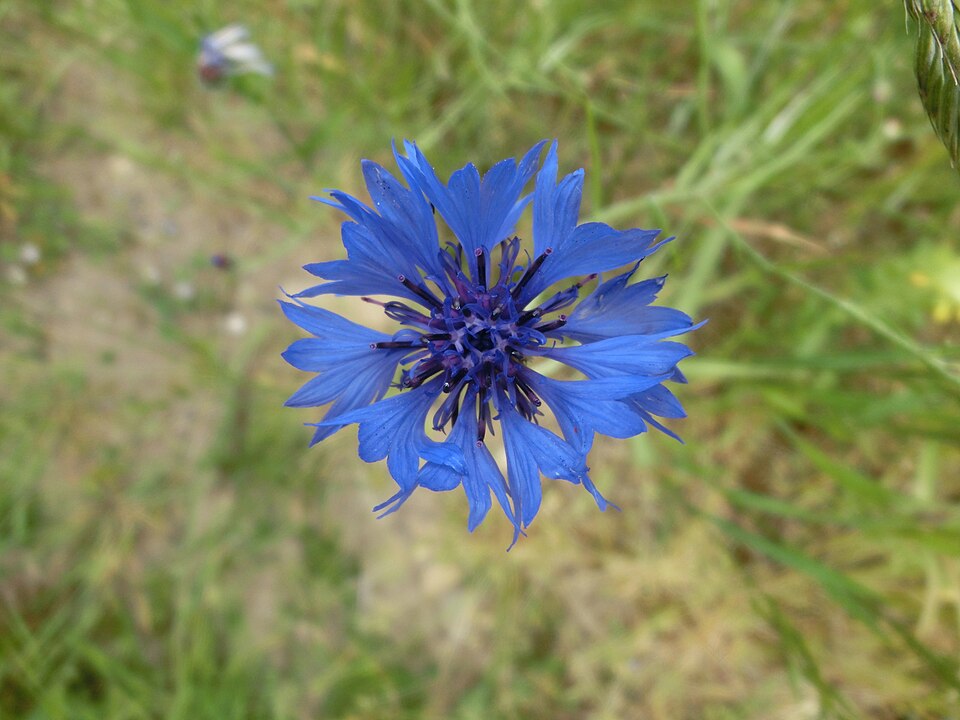
Cornflower (Centaurea cyanus) earns its garden space the honest way: with color, and lots of it. Whether you are filling a border, a cutting bed, or a few pots by the door, this is a flower that delivers. Learning how to grow cornflowers takes no special skill, just the right timing and a little routine care. This guide covers it all, from choosing plants to the last bloom.
Table of Contents
Table of Contents
It helps to know what you are signing up for. Cornflower grows in USDA zones 2 through 11, and expect harvest roughly 65 to 85 days after sowing. Keep those numbers in mind as you read: they explain the why behind the timing and spacing advice. For general background, the Old Farmer's Almanac maintains thorough growing guides worth bookmarking.

Photo: Wikimedia Commons
Choosing a Variety
When it comes to how to grow cornflowers, getting the details right makes all the difference.

Many homeowners find that how to grow cornflowers is easier than they expected once they know the basics.
Variety choice matters less than timing and soil for cornflower, but it still pays to shop smart. Seed sown directly in the garden, since seedlings dislike transplanting. Choose varieties described as suited to your part of the country, and favor disease resistance when the catalog mentions it. Dwarf types suit containers and edging; tall types are the ones for cutting. Double-flowered forms look lush but produce less pollen for bees.
Buy from sources that know plants. A garden center that can tell you the variety's habits beats a discount rack every time. Cross-check descriptions at Gardenia.net, which keeps detailed plant profiles, and lean toward suppliers who state the botanical name plainly. With cornflower, honest labeling matters more than fancy packaging.
If you already grow herbs or vegetables, you may enjoy our companion guide to growing hosta for ideas on what to plant alongside.
When to Plant Cornflowers
Many homeowners find that how to grow cornflowers is easier than they expected once they know the basics.
The key to how to grow cornflowers is choosing the right approach for your space and budget.
Timing is the single biggest lever in growing cornflower. Get it right and the plants practically grow themselves; get it wrong and nothing else fully compensates. Direct sow about 2 weeks before your last spring frost. Set out transplants right around your last spring frost. Sow for a fall crop about 6 weeks before your first fall frost.
Those offsets are relative to your frost dates, not anyone else's, so check your USDA zone planting dates on our planting calendar and write down your last spring frost and first fall frost before you sow. The Old Farmer's Almanac planting calendar lets you look up dates by zip code, which takes the guesswork out of it. For the botanical details and native range, the USDA PLANTS database is the authoritative reference.
When in doubt, sow a small test patch first. If cornflower sprouts strongly within the expected window, sow the rest with confidence. This two-step habit has saved many gardeners from replanting an entire bed after a late cold spell.
Keep notes on what worked. Cornflower grown in your own soil, in your own weather, teaches you more in one season than any guide can, and next year's planting will be sharper for it.
Soil and Sun
The key to how to grow cornflowers is choosing the right approach for your space and budget.
With a little planning, how to grow cornflowers can fit even a busy schedule.
Site selection is the step most gardeners rush, and the one they most regret rushing. Cornflower needs Full sun, and it performs best in soil that is Well-drained average soil. Spend an afternoon watching sun and shade patterns before you commit to a bed.
Drainage deserves special attention. Dig a hole, fill it with water, and watch: if it drains within a few hours, you are fine. If water sits all day, plant cornflower in a raised bed or mound instead. The UF IFAS Gardening Solutions site has excellent primers on Florida-style drainage problems that apply anywhere soils stay wet.
Moisture needs at establishment: moderate. Soak the bed well at planting, mulch lightly, and keep up steady water until the plants are clearly growing on their own.
Planting Step by Step
With a little planning, how to grow cornflowers can fit even a busy schedule.
Before you start, it helps to understand how how to grow cornflowers works in real homes.
Direct sow cornflower seed where it will grow, since seedlings dislike transplanting. Sow 1/4 inch deep and 8 to 12 inches apart in full sun. Work the soil loose but do not enrich it heavily, because overly rich soil makes stems floppy. Cornflowers tolerate poor, even chalky soil and germinate best in cool conditions.
Here is the planting routine for cornflower, in order:
1. Prepare the bed a week or two ahead: loosen the soil, work in compost, and rake it level.
2. Sow or set each plant a quarter inch deep, then firm the soil gently over it.
3. Space plants about 8 inches apart each way, giving each one room to reach full size without crowding.
4. Water the bed thoroughly right after planting so the soil settles around the roots or seed.
5. Mulch lightly to hold moisture and discourage weeds, keeping mulch a couple of inches back from stems.
6. Label the row with the variety and date; you will thank yourself later.
Work on a calm, overcast day if you can; transplants establish faster without sun and wind stress. The UF IFAS Gardening Solutions planting guides walk through the same steps with photos, if you want a visual reference.
Watering and Feeding
Before you start, it helps to understand how how to grow cornflowers works in real homes.
A good plan for how to grow cornflowers saves time, money, and frustration.
Cornflower needs moderate. That is the headline; the details are about consistency. Even moisture matters more than volume: plants stressed by alternating drought and flood never perform their best.
Water deeply and less often rather than sprinkling daily; deep watering trains roots downward where the soil stays cool. A rain gauge or even a tuna can under the sprinkler tells you how much actually fell. The Clemson Home & Garden Information Center has practical irrigation guidance for home-scale gardens.
Go easy on fertilizer. Compost worked into the bed at planting plus a light mid-season feeding is plenty for cornflower. Overfed plants grow lush and weak, with more pests and less flavor: restraint is a virtue here.
Care Through the Season
A good plan for how to grow cornflowers saves time, money, and frustration.
For most people, how to grow cornflowers comes down to a few smart choices.
Established cornflower plants are tougher than seedlings, but the season is not on autopilot yet. Keep up with watering and weeding, check the undersides of leaves now and then, and the plants will carry themselves to harvest.
The Lady Bird Johnson Wildflower Center publishes native-plant growing notes that pair well with the routine above, especially for gardeners leaning toward naturalistic plantings.
Water sparingly once established, as cornflowers are quite drought tolerant. Deadhead spent blooms to stretch flowering and to stop rampant self-seeding. Stake tall varieties in windy spots. The main pests are aphids and rust in wet weather. Thin crowded seedlings so air moves freely between plants.
Keep up with the small jobs and the season mostly runs itself. If you grow other plants in the same category, our guide to growing love-in-a-mist covers seasonal routines that transfer well.
Watch the weather, not the calendar. A stretch of hot, dry wind calls for extra water; a cool, wet spell calls for better air flow and a break from the hose. The gardener who adjusts to conditions beats the one who follows a rigid schedule.
Grower's tip: Direct sow for strongest plants. Succession sow every 2 weeks for continuous cutting flowers.
Harvest
For most people, how to grow cornflowers comes down to a few smart choices.
If you are new to how to grow cornflowers, start with the simplest option and build from there.
Picking at the right moment is a skill, and cornflower rewards gardeners who learn it. The harvest window and the handling notes below will help you bring in the best possible crop.
The Old Farmer's Almanac harvest guides add useful checklists for judging ripeness and timing the pick, and they are written for home gardeners rather than commercial growers.
Cut stems for bouquets when the first petals open fully, and they will last well over a week in water. Petals are edible and pretty scattered over salads. Let a few heads go to seed if you want free plants next season. Pro tip: sow a new row every few weeks for a continuous supply of cut flowers all season.
Do not wait for perfection. Most crops have a peak window, and picking slightly early beats picking late. Taste and observe as the season goes: your palate is the final judge.
For more harvest-timing ideas across the garden, see our guide to growing hyacinth.
Troubleshooting
If you are new to how to grow cornflowers, start with the simplest option and build from there.
When it comes to how to grow cornflowers, getting the details right makes all the difference.
Even easy plants run into trouble, and cornflower is no exception. Most problems trace back to three causes: wrong timing, stressed plants, or poor air flow. The fixes below handle the great majority of what you will ever see.
Fades fast in extreme heat; best as a spring flower in warm zones.
Healthy plants resist problems best, so most troubleshooting starts with the basics: right plant, right place, right water. When pests or disease do appear, identify them before acting. Your state extension service and the Clemson Home & Garden Information Center both publish photo-rich pest guides for home gardeners.
Quick-Grow Facts
When it comes to how to grow cornflowers, getting the details right makes all the difference.
Many homeowners find that how to grow cornflowers is easier than they expected once they know the basics.
- Botanical name: Centaurea cyanus
- USDA zones: 2 to 11
- Sun: Full sun
- Soil: Well-drained average soil
- Water: Moderate
- Spacing: about 8 inches apart
- Planting depth: a quarter inch deep
- Days to maturity: 65 to 85
There is real satisfaction in a crop you grew yourself, and cornflower delivers it without demanding expert skills. Follow the timing, mind the water, harvest at the peak moment, and enjoy the results. Your garden, and your table, will be better for it.
References
Old Farmer's Almanac. (n.d.). Home gardening growing guides. https://www.almanac.com/
Gardenia.net. (n.d.). Plant profiles and growing requirements. https://www.gardenia.net/
Old Farmer's Almanac. (n.d.). Planting calendar by zip code. https://www.almanac.com/planting-calendar
U.S. Department of Agriculture. (n.d.). PLANTS database. https://plants.usda.gov/home
University of Florida IFAS Extension. (n.d.). Gardening solutions. https://gardeningsolutions.ifas.ufl.edu/
Was this guide helpful?

About My Garden US
The My Garden US editorial team writes practical, in-depth home and garden guides for American homeowners — tested advice, no fluff.