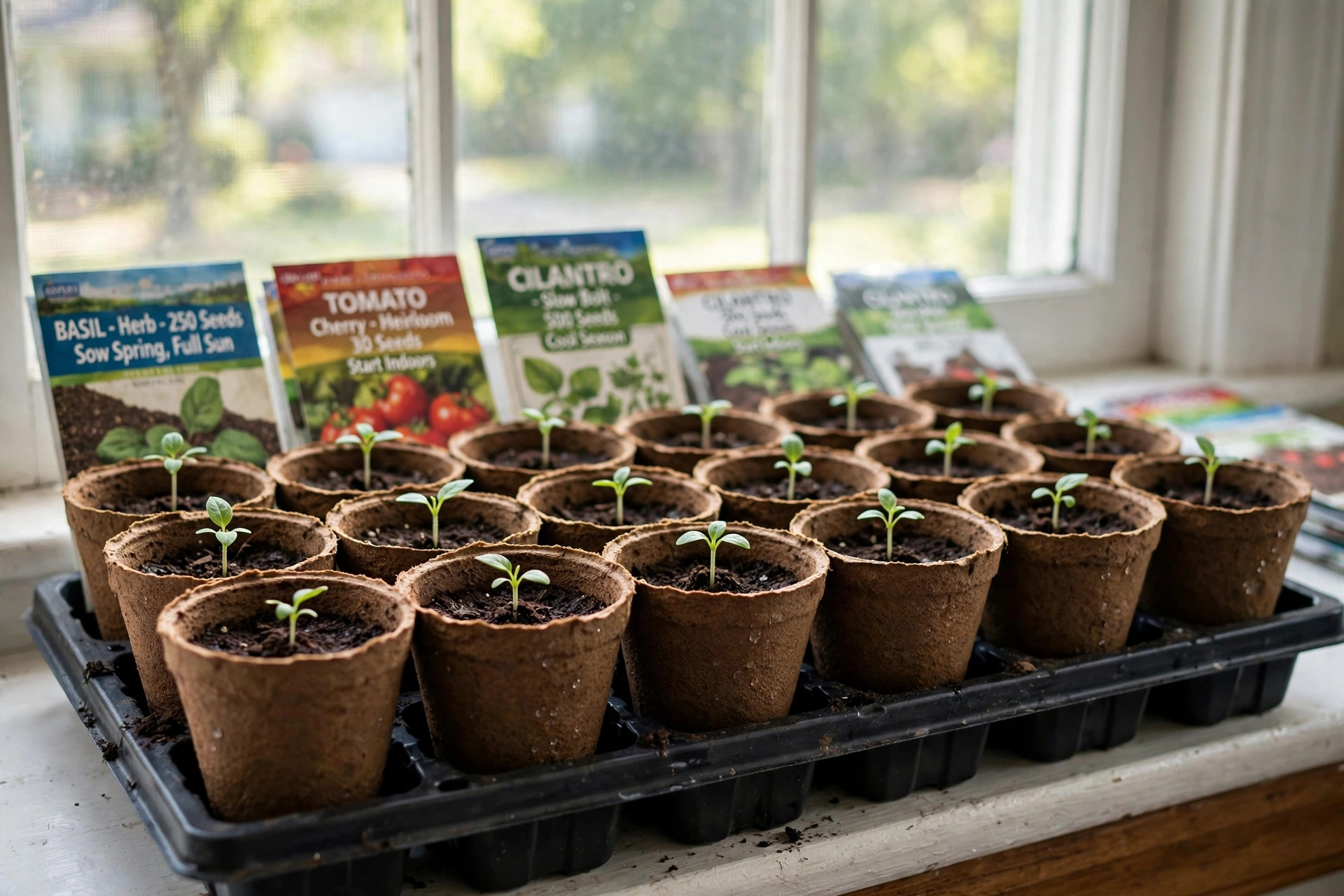

Many gardeners across the United States start their seeds indoors weeks before the last frost. A peat pots seedlings buying guide usa can make that first step much easier. Peat pots are small cups made of pressed peat moss. They hold soil and one seed or seedling each. When the plant is ready for the garden, you plant the whole pot in the ground. The pot breaks down in the soil, and the roots grow right through it. There is no need to pull the young plant out of its cup. That simple fact makes peat pots one of the most trusted tools for starting seeds at home.
Gardeners have used peat pots for many decades. They suit tomatoes, peppers, cucumbers, melons, herbs, and flowers. They work well on a windowsill, under a shop light, or in a small greenhouse. This guide explains why peat pots matter, what to look for when you shop, which types are sold in American stores, what they cost, how to use them with care, and how to keep young plants safe. At the end you will find answers to common questions and a list of sources for more reading.
Why Peat Pots Matter for Young Seedlings
Seedlings are fragile. Their roots are thin and pale. A rough move from cup to garden can snap those roots. The plant then spends days in shock instead of growing. Peat pots solve this problem in a plain way. You set the whole pot into the planting hole. The roots pass through the soft wall of the pot. The plant barely feels the move.
Many gardeners also like that peat pots are plant based. They come from peat moss, which is packed into cups and dried. After planting, the pot turns soft in damp soil and slowly falls apart. Nothing is left to throw away. That is a real comfort for gardeners who dislike plastic trays and cups piling up in the shed.
Peat pots are also easy to write on. You can mark the plant name and the sowing date right on the rim with a soft pencil. When you grow six kinds of tomatoes at once, that small habit saves much mix-up. Big seed houses like Burpee and Park Seed have sold peat pots beside their seed lines for years, and their catalogs treat them as a basic supply for home growers.
What to Look for When You Buy: Peat Pots Seedlings Buying Guide Usa
Not every peat pot on the shelf is the same. A few points help you pick a good one.
Wall thickness. Press your thumb on the pot wall. A good pot feels firm and even, not papery. Very thin pots dry out fast. Very thick pots break down slowly in the soil. Most good pots sit in the middle.
Drainage. Peat pots drain through their walls, but a small hole in the bottom helps extra water escape. If your pots have no bottom holes, you can poke one with a pencil before you fill them.
Size. Small pots dry out fast. Large pots stay wet too long for tiny seeds. Match the pot to the plant. A rule of thumb: start most seeds in 2 inch pots and move up only if roots fill the cup before planting day.
Clean make. Look for pots with smooth edges and no cracks. Cracked pots fall apart when you water them. Good pots keep their shape for four to six weeks of indoor growth.
Pack count. Pots are sold in strips of 8 or 10, in packs of 50, and in bulk bags of 100 or more. Small packs cost more per pot. If you start seeds every spring, a larger pack saves money.
Garden advice sites such as Gardening Know How and The Spruce remind growers to check the rim height too. A tall rim that sticks above the soil line will wick water away from the roots. Tear or cut the rim down to soil level at planting time.
Types and Options on the American Market
Shoppers in the United States will meet several kinds of peat pots. Each has its place.
Round pressed pots. These are the classic kind. They come in 2 inch, 3 inch, and 4 inch sizes. They suit most vegetables and flowers. Many starter kits sold at garden centers use these.
Square pots and strips. Square pots pack close together on a tray, so they save space on a windowsill. Strips of 8 or 10 pots break apart at planting time. They are a good pick when you grow one crop in large numbers, such as a full row of peppers.
Peat pellets. These are flat discs of pressed peat in a thin net. You soak them in warm water and they swell into small pots. They are neat and clean, but the net can slow roots on some plants. Tear the net at planting time to be safe.
Peat and fiber blends. Some pots mix peat with wood fiber or coconut coir. These blends hold water a bit longer than plain peat. They suit dry homes where indoor air pulls water from pots fast.
Large transplant pots. Some brands sell 4 inch and 5 inch peat pots for big plants such as squash and melons. These are best planted out soon after the roots fill the cup, since large peat walls can stay too wet.
When you plan your whole seed order, it helps to read a heirloom vegetable seeds guide first. The seed you pick sets the sowing date, and the sowing date sets the pot size you need.
Cost and Price in the United States
Peat pots are one of the least costly garden supplies. As of recent seasons, small round pots often sell for about 10 to 25 cents each in packs of 50 or more. Strips of 10 may cost 2 to 4 dollars at a garden center. Peat pellets run a bit higher, often 15 to 35 cents each. Bulk bags of 100 or 200 bring the unit price down for serious growers.
Prices move with the season. In late winter, when seed starting peaks, demand is high and sale prices are rare. In late spring, stores may clear out leftover stock at a discount. If you plan ahead, buy in May for next year and store the dry pots in a sealed box.
Shipping can add cost to online orders. A bag of 100 peat pots is light but bulky, so freight may top the price of the pots. Many gardeners buy pots with their seed order from one house to save a second shipping charge. Seed houses such as Gurney’s often carry both seed and pots in the same catalog.
Do not chase the lowest price alone. A bag of crumbly pots that fall apart in the tray is no bargain. Read recent buyer notes, check the pack date if shown, and favor brands with a long record in seed starting.
Care and Upkeep of Seedlings in Peat Pots
Peat pots need a little daily care. They dry out faster than plastic cups because water passes through the walls. That is normal. It only asks for a steady watering habit.
Water from the bottom when you can. Set the pots in a tray and pour water into the tray. The pots will draw water up through their walls. This keeps the soil top dry, which cuts down on fungus gnats and mold. Empty the tray after 20 minutes so the pots do not sit in water.
Watch the color. A dry peat pot turns pale tan. A moist pot turns dark brown. Learn that change and you will know at a glance which pots need water. Check twice a day in warm rooms.
Give light close by. A sunny window works for a few pots, but a simple shop light hung a few inches above the seedlings gives more even growth. Raise the light as the plants grow. Weak, leggy stems mean the light is too far.
Feed lightly. Seed starting mix holds little food. Once seedlings show their first true leaves, feed with a half strength liquid fertilizer once a week. Full strength can burn young roots.
Harden off before planting. For the last week indoors, set the pots outside for a few hours a day, longer each day. This toughens the stems for wind and sun. Skip this step and transplants may wilt hard on day one.
Tear the rim at planting. Set the whole pot in the hole so the top sits just below the soil surface. If any rim sticks up, tear it off. An exposed rim draws water out of the root zone like a wick. Water well after planting.
Nursery growers such as Monrovia and White Flower Farm stress the same point in their transplant guides: roots should never dry out in the first week after a move. A deep watering on planting day and a light mulch around the pot helps a lot.
Safety for Plants, People, and Pets
Peat pots are safe to handle. The peat is plain organic matter with no harsh fumes. Still, a few care points keep trouble away.
Keep dry peat dust out of your nose and eyes when you fill many pots at once. Work near an open window or wear a simple dust mask. This is common sense for any dry soil product.
Wash your hands after handling soil and pots. Potting mixes can carry germs that are best kept out of the mouth. Keep small children from eating the soil, and teach them that garden supplies are not toys.
Store unused pots in a dry place. Damp storage grows mold on the pots before you ever use them. A sealed plastic bin in a closet works well.
For households with pets, note that peat itself is not food, but curious dogs may chew the pots. Keep trays of seedlings out of reach. Plant info sites like Proven Winners note that many garden plants are far more risky to pets than the pots are, so check your plant list too.
The federal National Institute of Food and Agriculture supports research on safe home food growing, and its extension pages are a sound place to check local planting dates and soil advice for your state.
Frequently Asked Questions
How long before planting should I start seeds in peat pots? Count back from your last frost date. Most tomatoes and peppers start 6 to 8 weeks before that date. Herbs like basil start 4 to 6 weeks before. Fast crops like cucumbers need only 3 to 4 weeks. The Old Farmer’s Almanac posts frost dates and planting charts for every state, which makes the count easy.
Can I plant the whole peat pot in the ground? Yes. That is the point of the product. Dig a hole deep enough to cover the pot fully, set it in, and water well. Tear off any rim that sticks above the soil. Roots grow through the damp wall within days.
Do peat pots work for all seeds? They suit most vegetables, herbs, and flowers. Very long rooted plants, such as sweet peas, may do better in deeper pots. For herb growers, an organic herb seeds guide pairs well with peat pots, since most herbs transplant cleanly in them.
Why are my peat pots growing mold? Mold on the outside of peat pots is common in still, damp air. It rarely harms the seedling. Improve air flow with a small fan, water from the bottom, and let the tops dry between waterings. If mold is heavy, move the pots to a brighter spot.
Are peat pots better than plastic pots? Each has a place. Plastic pots last for years and cost less per use. Peat pots spare the roots at transplant time and leave no waste. Many gardeners use plastic for seed trials and peat pots for crops that hate root disturbance, such as melons and squash.
Where is the best place to buy peat pots in the USA? Garden centers carry them from late winter through spring. Hardware stores stock them near the seed racks. Online seed houses sell them year round, often beside the seeds themselves. Buying with your seed order saves a shipping charge.
A Short Final Word
Peat pots are a simple tool, and simple tools reward steady habits. Pick firm, clean pots in the right size. Water from below. Give close light and a little food. Tear the rim at planting and water well. Do these small things and your seedlings will move to the garden without a check in growth.
If you are also sowing flowers for bees and color, a wildflower seed mixes guide will help you match seed to your region. And for deeper reading on seed starting, soil, and transplant care, the sources below are a fine next stop.
References
Burpee. (n.d.). Seeds, plants, and gardening supplies. https://www.burpee.com Gardening Know How. (n.d.). Gardening guides and plant care. https://www.gardeningknowhow.com Gurney’s Seed & Nursery Co. (n.d.). Seeds, plants, and garden supplies. https://www.gurneys.com Monrovia. (n.d.). Plants for home gardens. https://www.monrovia.com National Institute of Food and Agriculture. (n.d.). Agricultural research and extension. https://www.nifa.usda.gov Park Seed. (n.d.). Seeds, plants, and gardening supplies. https://www.parkseed.com Proven Winners. (n.d.). Plants and gardening inspiration. https://www.provenwinners.com The Old Farmer’s Almanac. (n.d.). Gardening calendars and advice. https://www.almanac.com The Spruce. (n.d.). Home and garden advice. https://www.thespruce.com White Flower Farm. (n.d.). Plants, bulbs, and garden supplies. https://www.whiteflowerfarm.com
Was this guide helpful?

About Jennifer Lee
The My Garden US editorial team writes practical, in-depth home and garden guides for American homeowners — tested advice, no fluff.
You May Also Like
Morning Glory Seeds Reviews: A Buying Guide for American Gardeners
February 22, 2026 0 views
How to Grow Oregano: Perennial Herb Guide
October 8, 2026 0 views
Tulip Bulbs Fall Texas Homes USA: A Complete Planting Guide
February 20, 2026 0 views