Table of Contents
Table of Contents
Photo: Wikimedia Commons
Before strawflower, dried arrangements were mostly brown and beige. The papery bracts changed that, holding golds, pinks, and reds for years without fading. The plant earned the name everlasting honestly. In the garden it is a cheerful, undemanding annual that blooms from summer until frost, and every stem you cut for drying is replaced by two more. A single sowing fills vases all summer and wreaths all winter.
Strawflower is the classic everlasting. The papery blooms look fresh for years after drying, holding colors that most dried flowers lose in months. Florists pay good money for them, and a home garden can produce buckets of cutting stems from one sowing. Learning how to grow strawflowers is straightforward: start the seed, give the plants sun and drainage, and cut the blooms at exactly the right stage. That last part is the craft, and it is easy once you know it.
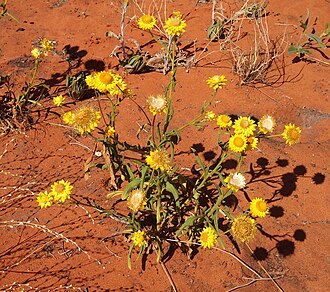
The plant is Xerochrysis bracteata, grown as an annual in zones 2 through 11. Plants reach 2 to 3 feet and branch freely, producing daisy-like blooms in gold, orange, pink, red, and white. The USDA PLANTS Database lists the species under its older name Bracteantha, which you will still see in catalogs.
Getting Started
When it comes to how to grow strawflowers, getting the details right makes all the difference.

Many homeowners find that how to grow strawflowers is easier than they expected once they know the basics.
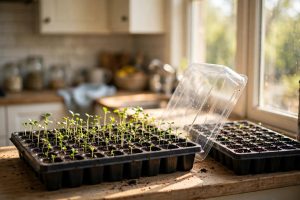
Start seeds indoors about six weeks before your last spring frost. The seed needs light to germinate, so press it onto damp seed mix and barely cover it. Keep the flat warm; germination is best above 70 degrees. Seedlings grow slowly at first, then take off.
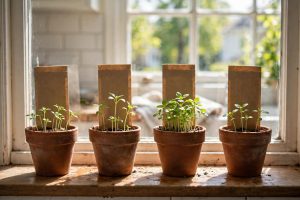
Transplant after all danger of frost has passed, spacing plants 9 to 12 inches apart. You can also sow directly in warm soil once frost danger is over, barely covering the seed. Direct-sown plants bloom a little later but catch up fast. Either way, full sun from day one grows stocky plants; leggy seedlings come from starting too early indoors under weak light.
Pinch young plants once to encourage branching. More branches mean more blooms, and blooms are the point. The Old Farmer's Almanac seed-starting guides cover the light requirements that keep seedlings compact.
When and How to Plant
Many homeowners find that how to grow strawflowers is easier than they expected once they know the basics.
The key to how to grow strawflowers is choosing the right approach for your space and budget.
Move transplants out about a week after your last spring frost, when nights stay reliably above 50 degrees. Strawflowers dislike cold, wet soil at planting time; waiting a few extra days beats rushing. Direct sow about a week after the last frost date, once the soil has warmed.
In long-season regions you can succession-sow into early summer for later blooms, but one good sowing usually produces all season. Check your frost dates on the Old Farmer's Almanac planting calendar or confirm your USDA zone planting dates before you schedule the seed starting.
Soil and Sun
The key to how to grow strawflowers is choosing the right approach for your space and budget.
With a little planning, how to grow strawflowers can fit even a busy schedule.
Full sun and sandy, well-drained soil. Strawflowers want the brightest, best-drained spot in the flower garden. They tolerate average soil and even poor soil, but they sulk in heavy, wet ground. If your soil is clay, work in compost and plant on a slight ridge.
Do not overfeed. Too much nitrogen gives you leaves instead of blooms. A light composting at planting time is enough for the whole season. This is a plant that blooms best on lean rations. The University of Minnesota Extension annual-flower pages make the same point for most cutting flowers: restraint with fertilizer, generosity with sun.
Fellow everlastings make good bedfellows. Statice and gomphrena share the same sun and drainage needs and dry just as well.
Watering and Feeding
With a little planning, how to grow strawflowers can fit even a busy schedule.
Before you start, it helps to understand how how to grow strawflowers works in real homes.
Water regularly until the plants are established, then moderately. Strawflowers tolerate heat and dry spells once their roots are down, but steady moisture through bud formation gives bigger blooms. Let the top inch of soil dry between waterings rather than keeping it constantly wet.
Feed lightly or not at all. If the bed had compost at planting, skip fertilizer entirely. Pale plants in truly poor soil respond to one light feeding, but most gardens never need it. Overfed strawflowers grow tall and flop. The Clemson Home & Garden Information Center notes that many annuals bloom heaviest under slight nutritional stress, and strawflower is a prime example.
Care Through the Season
Before you start, it helps to understand how how to grow strawflowers works in real homes.
A good plan for how to grow strawflowers saves time, money, and frustration.
Deadhead to keep blooms coming. Cut or snap off faded flowers regularly, and the plant keeps pushing new buds until frost. Better yet, cut every stem for the house; cutting is deadheading with a reward.
Watch for aster yellows, a disease spread by leafhoppers that distorts flowers into green, leafy tufts. There is no cure. Pull affected plants promptly so leafhoppers do not spread it to healthy ones. Good weed control helps, since weeds harbor the leafhoppers. Clemson Cooperative Extension describes aster yellows with photos for confirmation.
Stake only the tallest varieties in windy spots; most stay upright on their own. Mulch lightly to hold moisture, keeping mulch away from the stems.
Harvest
A good plan for how to grow strawflowers saves time, money, and frustration.
For most people, how to grow strawflowers comes down to a few smart choices.
For drying, cut stems when the flowers are just opening but the centers are still tight. This is the critical detail. Fully open blooms shatter when dry, dropping their papery bracts. The best drying flowers are the ones you almost cut too early. Harvest every few days in peak season; the window for each bloom is short.
Strip the leaves, bundle stems in small bunches, and hang upside down in a dark, airy place. Darkness preserves the color. They are done when they feel papery and stiff. The blooms keep their shape and color for years, which is why they are called everlastings.
For fresh bouquets, cut when the blooms are half to fully open. They last well over a week in water. Keep cutting and the plants rebloom until frost.
Strawflower Through the Seasons
For most people, how to grow strawflowers comes down to a few smart choices.
If you are new to how to grow strawflowers, start with the simplest option and build from there.
Spring is for starting seed indoors, about six weeks before the last frost. The seed needs light and warmth; a sunny windowsill or a heat mat gives the best germination. Seedlings grow slowly at first, so do not panic. Transplant after frost danger into full sun, spacing nine to twelve inches apart, and pinch once for branching.
Summer is the cutting season. Deadhead or cut freely, and the plants branch and rebloom continuously. Harvest drying stems every few days at peak season, catching each bloom just as it opens. Water moderately and feed nothing; lean soil grows the best flowers. Watch for aster yellows and pull any distorted plants promptly.
Fall keeps giving until frost. The plants bloom right up to the first hard freeze, and late-season stems dry just as well as summer ones. Before frost, take a final big harvest for winter projects.
Winter is for enjoying the dried stock. The stored blooms keep their color for years in arrangements and wreaths. Order next year's seed and plan a bigger patch; most gardeners wish they had planted more.
Designing With Dried Strawflowers
If you are new to how to grow strawflowers, start with the simplest option and build from there.
When it comes to how to grow strawflowers, getting the details right makes all the difference.
Dried strawflowers are a crafter's staple. The stiff stems wire easily into wreaths, and the blooms hold their shape in dried arrangements for years. Mix them with statice, gomphrena, and grasses for texture contrast. Keep dried arrangements out of direct sun, which fades even these tough colors over time. A basket of dried strawflowers by the door carries summer into the darkest months, and they make gifts that cost almost nothing but look generous.
Troubleshooting
When it comes to how to grow strawflowers, getting the details right makes all the difference.
Many homeowners find that how to grow strawflowers is easier than they expected once they know the basics.
Few blooms and lots of leaves mean too much nitrogen or too much shade. Move to leaner soil and full sun next season. Floppy plants usually need less fertilizer and more light, not staking.
Aster yellows is the serious problem; pull and destroy affected plants. Buds that rot in wet weather need better air circulation and morning sun. Slow starts in cold soil just need patience and warmth; do not sow outdoors until the soil has truly warmed.
Strawflowers grow across zones 2 through 11 as annuals, one of the widest ranges of any cutting flower. The Missouri Botanical Garden plant profiles confirm the easy culture, and Gardenia.net growing guides add variety recommendations.
Buds that rot before opening usually suffer from overhead watering or poor air flow. Water at the base, space plants properly, and the problem fades. Gray, moldy buds in humid weather should be removed and discarded, not composted.
Tall varieties flop in rich soil or shade. The fix is cultural, not structural: leaner soil and full sun grow stocky plants. If yours still lean, a simple grow-through support placed early solves it.
If blooms shatter when dry, they were cut too late. The drying window is short: cut when the flower is just opening with a tight center. The stems you almost cut too early make the best everlastings.
Seed-grown strawflowers vary in color, which is part of the charm of a mixed packet. If you want a specific shade for a project, buy named varieties and start them separately. The color range runs from pale cream through gold, orange, pink, rose, and deep red, with bicolors in the mix. A patch grown from one mixed packet still gives a full rainbow.
References
Clemson University Cooperative Extension. (n.d.). Home & Garden Information Center. https://hgic.clemson.edu/
Missouri Botanical Garden. (n.d.). Plant finder. https://www.missouribotanicalgarden.org/
U.S. Department of Agriculture. (n.d.). PLANTS database. https://plants.usda.gov/home
University of Minnesota Extension. (n.d.). Yard and garden. https://extension.umn.edu/
Was this guide helpful?

About My Garden US
The My Garden US editorial team writes practical, in-depth home and garden guides for American homeowners — tested advice, no fluff.