
Many homeowners who type “german schmear brick cost near me” into a search bar want the same thing. They love the old-world look of smeared brick, but they do not know what a fair price is. This guide answers that question in plain terms. It explains what German schmear is, how much it costs in 2026, what changes the price, and how to find a good contractor in your area.
What German Schmear Is and Why Homeowners Ask for It
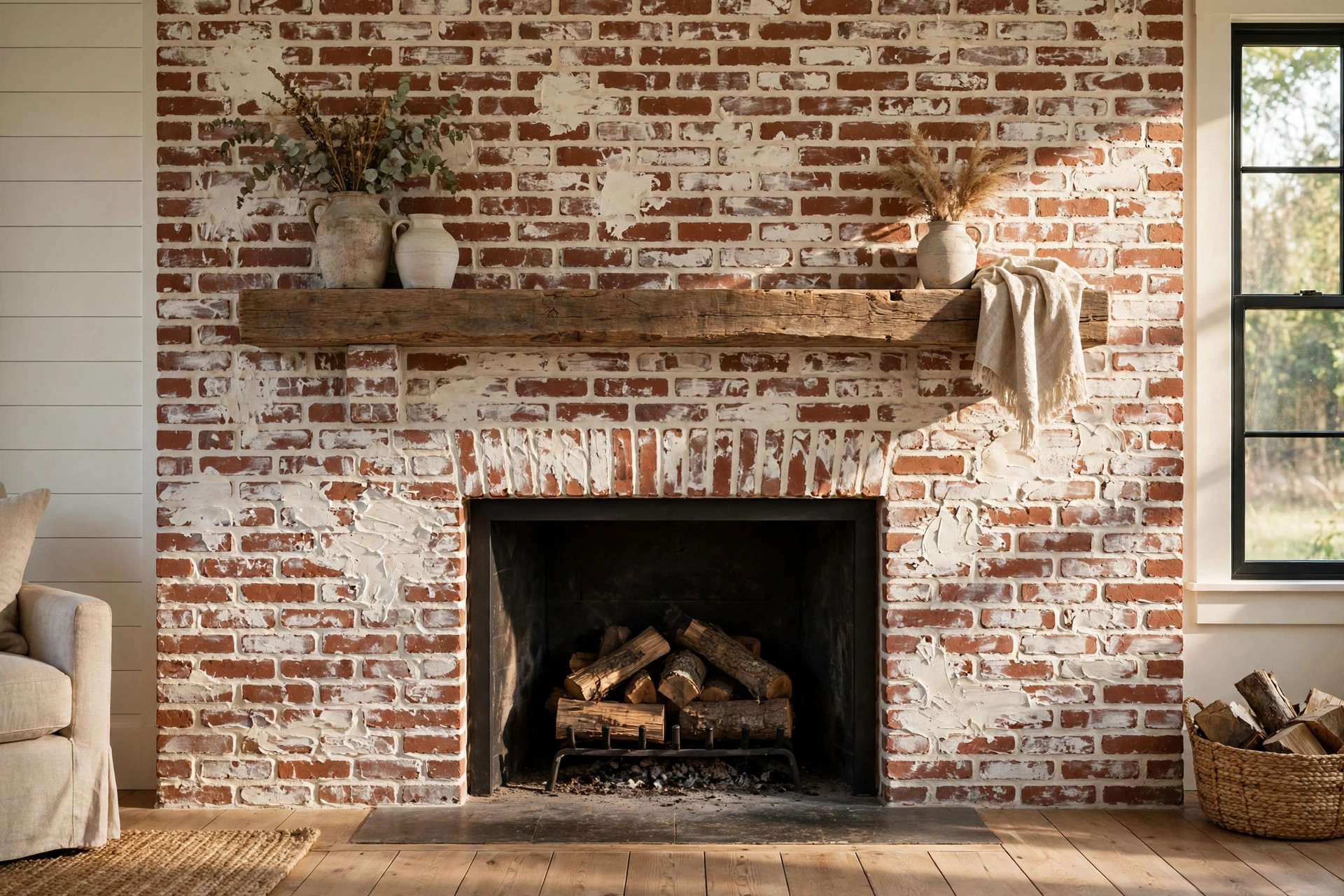
German schmear is a way of finishing brick. A worker spreads wet mortar over the face of the bricks. Some of the brick shows through. The rest is covered in a soft, uneven coat. The result looks like a farmhouse from the old country. It is also called German smear.
The look grew in favor for a simple reason. Many American homes have plain red brick fireplaces or walls that feel dated. A full tear-out is costly. A full re-brick is costly too. German schmear changes the whole room for a fraction of that cost. It also works outside. Builders use it on chimneys, garden walls, and the fronts of houses.
The technique is old. Settlers brought it with them from Germany and parts of Europe. They used it to seal gaps in rough brick walls. Today it is mostly decorative. People choose how heavy or light the smear will be. A light wash lets most of the brick show. A heavy smear hides all but a hint of red.
Why the Cost Question Matters Before You Call a Contractor: German Schmear Brick Cost near Me
Knowing the german schmear brick cost near me is smart before you call anyone. Prices vary a great deal by town. A contractor in a small town may charge half of what one charges in a large city. The size of the job matters too. So does the state of your brick.
A written estimate protects you. When three contractors bid the same job, the range can surprise you. One may quote eight dollars per square foot. Another may quote fifteen. If you know the usual range, you can spot a bid that is too high or one that is too low to trust.
Cost also decides the question of do-it-yourself. German schmear is one of the few masonry finishes a careful homeowner can do alone. The materials cost very little. The labor is the large part of a pro bill. If your wall is small, the savings from doing it yourself can be hundreds of dollars.
How Much Does German Schmear Cost Near Me in 2026
Here is the short answer. In 2026, a professional job costs about eight to fifteen dollars per square foot in most parts of the country. A standard brick fireplace of about fifty square feet runs from about four hundred to seven hundred fifty dollars. A large accent wall of two hundred square feet runs from about sixteen hundred to three thousand dollars.
Whole-house exteriors cost much more. A chimney alone can run from one thousand to three thousand dollars, since crews must work at height. The front of a small house can run from five thousand to fifteen thousand dollars. These are wide ranges. Local labor rates push the number up or down.
The do-it-yourself path is far cheaper. A bag of mortar mix costs under ten dollars at most hardware stores, and one bag covers a good amount of wall. With primer, sealer, and tools, most small jobs cost between fifty and one hundred fifty dollars in materials. Homeowners who research mortar mixes at Home Depot often find project calculators that estimate bag counts by square footage. A second trip to Lowe’s can fill gaps in the tool list without much extra spending.
Keep in mind that these figures are estimates for 2026. Your town may run higher or lower. The only sure number is the one written on a local bid.
What to Look for When Choosing a Contractor
Not every painter does masonry work well. German schmear is part art and part trade. The mortar must bond to the brick. The coverage must look natural, not pasted on. Ask each bidder a few plain questions.
First, ask how many German schmear jobs they have finished. Look at photos of past work. The smear should look even from edge to edge, with brick showing through in a natural pattern. Second, ask what mortar they use. A premixed masonry mortar is the standard choice. Some pros thin it slightly for a softer look.
Third, ask about sealing. A clear masonry sealer protects the finish from stains and soot, which matters a great deal around a working fireplace. Fourth, ask how they will protect your home. Floors, mantels, and nearby trim need full coverage with drop cloths and tape. Good crews also mask the ceiling line.
Finally, get the bid in writing. It should list the square footage, the number of coats, the sealer, and the cleanup. A contractor who will not put it in writing is a contractor to skip. Guides at Bob Vila on hiring masons explain which contract terms protect homeowners, and the project library at This Old House shows how old brick should be prepped before any finish goes on.
Types and Styles of German Schmear Finishes
German schmear is not one single look. You choose the style when you plan the job.
Light Wash
A light wash uses thin mortar. Most of the brick face stays visible. The mortar sits mainly in the joints and drifts across the brick in soft streaks. This style suits a room that needs only a gentle change.
Medium Smear
A medium smear covers more of the brick. About half the red shows through in patches. This is the most popular choice. It reads as old and warm without hiding the character of the brick.
Heavy Smear
A heavy smear covers nearly all of the brick. Only bits of color peek out here and there. The wall looks almost like old plaster with brick ghosts beneath. This style costs a little more because it uses more mortar and more labor.
Color choice matters too. White and off-white mortar are the classic picks. Some homeowners ask for gray or warm tan. You can also tint the mortar slightly. Design galleries at HGTV show how each tone changes a room, and paint color experts at Sherwin-Williams and Behr publish palettes that pair well with light mortar finishes.
Cost Factors That Move the Price Up or Down
Several things change the final bill. Knowing them helps you read any bid.
Size of the surface. This is the largest factor. Crews price by the square foot, so a small fireplace costs far less than a full chimney.
Height and access. Work above the first floor costs more. Scaffolding, ladders, and safety gear add labor time. A chimney top is the priciest spot on most houses.
Condition of the brick. Dirty, crumbling, or painted brick needs prep. Old paint may need stripping. Loose mortar may need repointing first. Each step adds cost.
Weight of the smear. A heavy smear takes more material and more hours than a light wash. Some contractors price heavy styles a dollar or two more per square foot.
Sealing. A quality sealer adds to the materials bill but protects the finish for years. Around fireplaces it is almost always worth it.
Region. Labor rates differ by state and city. The same job can cost twice as much in a high-cost metro area as in a rural county.
DIY vs. Hiring a Pro: An Honest Comparison
Doing it yourself saves money. Hiring a pro saves time and risk. Here is an honest look at both.
The DIY route suits a small indoor wall or fireplace. You need a bucket, a trowel, a sponge, a stiff brush, mortar mix, and water. You dampen the brick, press mortar into the joints, then smear it across the faces with a sponge or trowel. You wipe back the high spots to let brick show. Step-by-step guides at The Spruce walk through the process with photos.
The risk of DIY is an uneven finish. Mortar sets fast. If you work too slowly, the smear looks patchy. Practice on a hidden patch of brick first, such as the side of a chimney in the garage. Wear gloves, eye protection, and a dust mask. Mortar is caustic when wet.
A pro suits large walls, exteriors, and chimneys. Pros work fast and even. They carry insurance, which matters on ladders and roofs. They also warranty the work in many cases. If the mortar fails or stains appear, you have someone to call.
If you are weighing other home updates at the same time, it helps to compare costs. Our guide to kitchen cabinet refinishing service cost usa shows how refacing compares with full replacement, and the deck staining cost calculator near me helps you budget outdoor woodwork before you commit.
Care and Upkeep of a German Schmear Finish
German schmear is a low-care finish, but it is not no-care. Indoor walls need little more than dusting. Use a soft brush or a vacuum with a brush head. Avoid harsh cleaners, which can eat at the mortar surface.
Fireplaces need more care. Soot builds up above the firebox. Wipe the area with a damp cloth and a mild soap. If the wall was sealed, stains wipe off more easily. Unsealed mortar can absorb smoke stains over time. A fresh coat of sealer every five to seven years keeps the surface strong.
Outdoor smear faces rain, sun, and frost. Check it each spring. Look for cracks or spots where mortar has flaked. Small cracks can be patched with fresh mortar matched to the old color. Large areas of damage may need a pro to rework the section. A breathable masonry sealer helps water run off instead of soaking in, which matters in freeze-thaw climates.
Color can fade a little in strong sun. This is normal. The aged look is part of the charm of the style. If fading bothers you, a tinted sealer can bring back depth without a full redo.
Safety Notes for Working With Mortar
Mortar is safe when handled with respect. Wet mortar is alkaline. It can burn skin and eyes. Always wear rubber gloves and safety glasses when you mix or spread it. A simple dust mask keeps fine powder out of your lungs during mixing.
Keep children and pets away from the work area until the mortar has cured. Fresh mortar can take a day or two to harden and up to a month to fully cure. Do not stack firewood or lean furniture against a fresh wall.
Around a working fireplace, let the wall cure fully before you build a fire. Heat on green mortar can cause cracking. Most pros wait at least a week. When in doubt, ask your contractor for the cure time in writing.
Frequently Asked Questions
How long does German schmear last?
Indoors, it lasts for decades with basic care. Outdoors, it can last twenty years or more if it was sealed and the brick beneath was sound. Harsh weather shortens the life a little.
Can German schmear go over painted brick?
It can, but the paint must be sound and well bonded. Loose or peeling paint has to come off first. A bonding primer helps the mortar grip. Some contractors prefer to strip the paint fully for the best bond.
Is German schmear the same as whitewash?
No. Whitewash is thin paint or lime brushed over brick. It sits on the surface. German schmear is actual mortar. It is thicker, more textured, and far more durable. Whitewash costs less but wears faster.
Will German schmear damage my brick?
No, when done right. Mortar is made to live on brick. The one risk is trapping moisture if a non-breathable sealer is used outdoors. Ask for a breathable masonry sealer on exterior jobs.
Can I change my mind and remove it later?
Removal is hard. Grinding mortar off brick is slow work and can scar the brick face. Treat German schmear as a long-term choice. If you are unsure, paint is easier to reverse, and renters often prefer temporary options like the ones in our removable wallpaper for renters reviews usa guide.
How do I find a contractor near me?
Ask local masonry supply yards for names. Read recent reviews, not just star counts. Get three written bids. And compare the german schmear brick cost near me against the ranges in this guide before you sign.
A Short Final Word
German schmear gives old brick a new life at a fair price. A small fireplace can cost a few hundred dollars. A large wall can cost a few thousand. The DIY path costs very little in materials if you have the patience to learn the technique. Whichever path you take, get clear bids, check past work, and seal the finish. Done well, the look lasts for decades and never feels dated.
References
Behr. (n.d.). Paints, primers, and stains. https://www.behr.com Bob Vila. (n.d.). Home improvement advice. https://www.bobvila.com HGTV. (n.d.). Home and garden ideas. https://www.hgtv.com Lowe’s. (n.d.). Home improvement products. https://www.lowes.com Sherwin-Williams. (n.d.). Paints and coatings. https://www.sherwin-williams.com The Home Depot. (n.d.). Home improvement products. https://www.homedepot.com The Spruce. (n.d.). Home and garden advice. https://www.thespruce.com This Old House. (n.d.). Home renovation guidance. https://www.thisoldhouse.com
Was this guide helpful?

About Sarah Mitchell
The My Garden US editorial team writes practical, in-depth home and garden guides for American homeowners — tested advice, no fluff.
You May Also Like
Best Paint for Metal Fence USA: A Practical Guide for Homeowners
January 10, 2026 0 views
Where to Buy Limewash Paint in the USA
May 25, 2026 0 views
Cabinet Painting vs Refacing Cost Comparison: Which Is Right for Your Kitchen?
August 12, 2026 0 views