Marshmallow (Althaea officinalis) is one of those old garden plants that keeps earning its place. It asks for little, gives back plenty, and fits neatly into a sunny corner most gardeners already have. If you want to learn how to grow marshmallow, you are in good company: home herb gardens are full of it from coast to coast. This guide walks through the whole job, from seed to harvest, in plain steps.
Table of Contents
Table of Contents
It helps to know what you are signing up for. Marshmallow grows in USDA zones 3 through 8, and expect harvest roughly 120 to 150 days after sowing. Keep those numbers in mind as you read: they explain the why behind the timing and spacing advice. For general background, the Old Farmer's Almanac maintains thorough growing guides worth bookmarking.

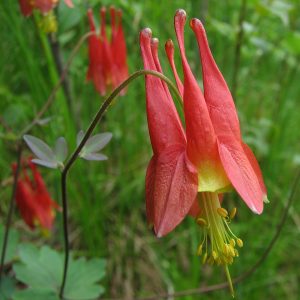
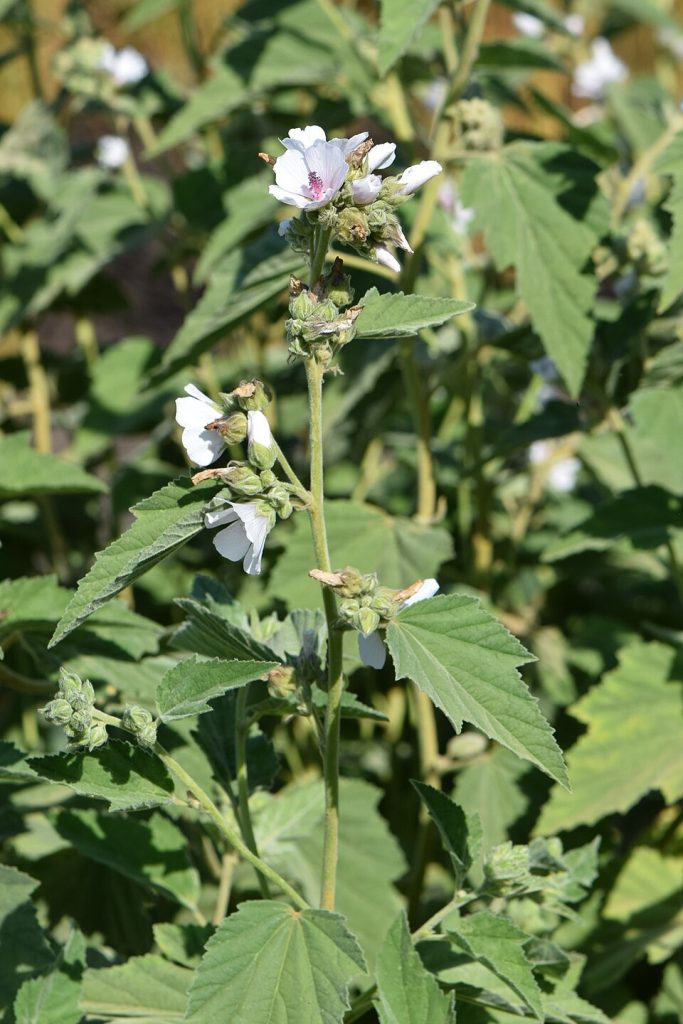
Photo: Wikimedia Commons
Choosing a Variety
When it comes to how to grow marshmallow, getting the details right makes all the difference.
Many homeowners find that how to grow marshmallow is easier than they expected once they know the basics.
You do not need a rare cultivar to succeed with marshmallow. What you need is fresh seed or healthy young plants and a variety suited to your climate. Seed sown indoors or direct-sown, since it is a perennial you will only plant once. Local nurseries usually carry types proven in the area, which beats ordering blind from across the country. No named varieties dominate the trade; buy fresh seed or a healthy nursery plant and focus on giving it the moist soil it wants.
Buy from sources that know plants. A garden center that can tell you the variety's habits beats a discount rack every time. Cross-check descriptions at Gardenia.net, which keeps detailed plant profiles, and lean toward suppliers who state the botanical name plainly. With marshmallow, honest labeling matters more than fancy packaging.
If you already grow herbs or vegetables, you may enjoy our companion guide to growing dandelion for ideas on what to plant alongside.
When to Plant Marshmallow
Many homeowners find that how to grow marshmallow is easier than they expected once they know the basics.
The key to how to grow marshmallow is choosing the right approach for your space and budget.
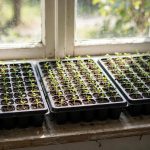
Timing is the single biggest lever in growing marshmallow. Get it right and the plants practically grow themselves; get it wrong and nothing else fully compensates. Start seeds indoors about 6 weeks before your last spring frost. Direct sow about 2 weeks after your last spring frost. Set out transplants about 2 weeks after your last spring frost. Sow for a fall crop about 6 weeks before your first fall frost.
Those offsets are relative to your frost dates, not anyone else's, so check your USDA zone planting dates on our planting calendar and write down your last spring frost and first fall frost before you sow. The Old Farmer's Almanac planting calendar lets you look up dates by zip code, which takes the guesswork out of it. For the botanical details and native range, the USDA PLANTS database is the authoritative reference.
Keep a simple record of sowing dates and results. After two or three seasons you will know your own microclimate better than any chart, and your marshmallow timing will dial itself in.
If you are unsure of your frost dates, check your USDA zone planting dates on our planting calendar before you sow a single seed. A week or two of error at planting time can cost you a month at harvest time.
Soil and Sun
The key to how to grow marshmallow is choosing the right approach for your space and budget.
With a little planning, how to grow marshmallow can fit even a busy schedule.
Site selection is the step most gardeners rush, and the one they most regret rushing. Marshmallow needs Full sun, and it performs best in soil that is Moist, fertile; tolerates damp ground. Spend an afternoon watching sun and shade patterns before you commit to a bed.
If your soil is heavy clay or pure sand, amend it before planting rather than after. Work in several inches of compost and let the bed settle. Guidance from University of Minnesota Extension on building garden soil applies well beyond Minnesota. Good soil structure pays off for every crop you will ever grow in that bed.
As for water at planting time, marshmallow wants high; do not let dry out. Water new plantings in thoroughly, then settle into the routine described in the watering section below.
Planting Step by Step
With a little planning, how to grow marshmallow can fit even a busy schedule.
Before you start, it helps to understand how how to grow marshmallow works in real homes.
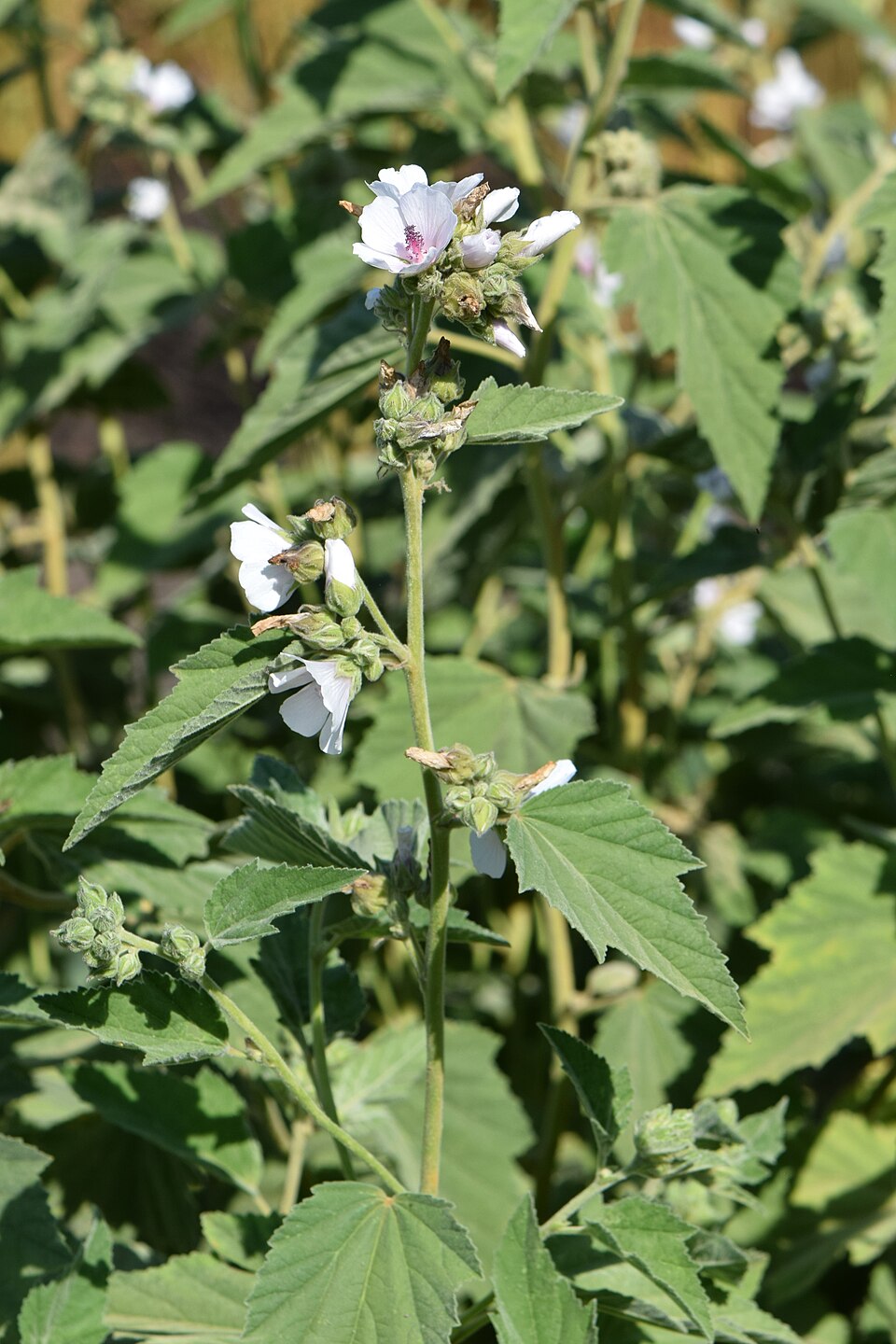
Marshmallow is a tall perennial mallow that loves damp ground - plant it at the edge of a pond, in a rain garden, or any spot that stays moist. Sow seed a quarter inch deep or set out transplants 18 to 24 inches apart in full sun. Work compost into the soil; it is hungry and reaches 4 to 5 feet.
Here is the planting routine for marshmallow, in order:
1. Prepare the bed a week or two ahead: loosen the soil, work in compost, and rake it level.
2. Sow or set each plant a quarter inch deep, then firm the soil gently over it.
3. Space plants about 24 inches apart each way, giving each one room to reach full size without crowding.
4. Water the bed thoroughly right after planting so the soil settles around the roots or seed.
5. Mulch lightly to hold moisture and discourage weeds, keeping mulch a couple of inches back from stems.
6. Label the row with the variety and date; you will thank yourself later.
Work on a calm, overcast day if you can; transplants establish faster without sun and wind stress. The UF IFAS Gardening Solutions planting guides walk through the same steps with photos, if you want a visual reference.
Watering and Feeding
Before you start, it helps to understand how how to grow marshmallow works in real homes.
A good plan for how to grow marshmallow saves time, money, and frustration.
Marshmallow needs high; do not let dry out. That is the headline; the details are about consistency. Even moisture matters more than volume: plants stressed by alternating drought and flood never perform their best.
Mulch is the hardest-working tool in the watering routine. A few inches of straw, shredded leaves, or bark holds moisture, cools the soil, and starves weeds. Pull it back a couple of inches from stems so crowns stay dry. Guidance from Gardenia.net on mulching ornamentals and edibles alike is worth a read.
When feeding, think slow and steady. Compost, composted manure, or a balanced slow-release fertilizer applied once in the growing season covers marshmallow's needs. More is not better; the goal is healthy growth, not a race.
Care Through the Season
A good plan for how to grow marshmallow saves time, money, and frustration.
For most people, how to grow marshmallow comes down to a few smart choices.
Mid-season care is where harvests are made or lost. Marshmallow does not need constant fussing, but it does need steady attention to water, weeds, and pests. Walk the bed every few days; problems caught early are small problems.
When you want a second opinion on routine care, the Missouri Botanical Garden plant profiles cover feeding, pruning, and seasonal tasks in welcome depth.
Keep the soil consistently moist; drought stunts it badly. Stake stems in windy spots; the soft growth flops. Mulch heavily to hold water. Rust can spot the leaves - pick them off and avoid overhead watering. Japanese beetles may chew the foliage; handpick them. Cut stalks to the ground when the foliage dies back.
Keep up with the small jobs and the season mostly runs itself. If you grow other plants in the same category, our guide to growing french tarragon covers seasonal routines that transfer well.
Watch the weather, not the calendar. A stretch of hot, dry wind calls for extra water; a cool, wet spell calls for better air flow and a break from the hose. The gardener who adjusts to conditions beats the one who follows a rigid schedule.
Grower's tip: Keep soil consistently moist for best root growth. Harvest the mucilage-rich roots in the fall of the second year.
Harvest
For most people, how to grow marshmallow comes down to a few smart choices.
If you are new to how to grow marshmallow, start with the simplest option and build from there.
All the watering and weeding pays off at harvest, and marshmallow gives clear signals when it is ready. Learn those signals once and you will read the plants like a book every season after.
For region-specific harvest and storage advice, University of Minnesota Extension publishes practical, research-based factsheets worth reading before the picking season starts.
The mucilaginous roots are the prize: dig them in the second or third year after tops die back, then wash, slice, and dry for teas. Young leaves and flowers are also usable. Replant a piece of root crown and the plant returns. Pro tip: peel roots before drying - the outer bark is bitter and the inner root is the useful part.
Do not wait for perfection. Most crops have a peak window, and picking slightly early beats picking late. Taste and observe as the season goes: your palate is the final judge.
For more harvest-timing ideas across the garden, see our guide to growing angelica.
Troubleshooting
If you are new to how to grow marshmallow, start with the simplest option and build from there.
When it comes to how to grow marshmallow, getting the details right makes all the difference.
When something goes wrong with marshmallow, resist the urge to reach for a spray first. Identify the problem, check whether the plant can outgrow it, and fix the growing conditions. Nine times out of ten, that is the whole cure.
Start with identification, not treatment. Pluck an affected leaf, compare it with photos from University of Minnesota Extension or your own state extension, and then choose the least disruptive fix. Removing affected leaves, improving air flow, and adjusting water solve most home-garden problems without any spray at all.
Quick-Grow Facts
When it comes to how to grow marshmallow, getting the details right makes all the difference.
Many homeowners find that how to grow marshmallow is easier than they expected once they know the basics.
- Botanical name: Althaea officinalis
- USDA zones: 3 to 8
- Sun: Full sun
- Soil: Moist, fertile; tolerates damp ground
- Water: High; do not let dry out
- Spacing: about 24 inches apart
- Planting depth: a quarter inch deep
- Days to maturity: 120 to 150
Gardening rewards the steady hand more than the clever trick, and marshmallow proves it every season. Plant on time, water with sense, deal with problems early, and the harvest takes care of itself. Good growing.
References
Many homeowners find that how to grow marshmallow is easier than they expected once they know the basics.
Old Farmer's Almanac. (n.d.). Home gardening growing guides. https://www.almanac.com/
Gardenia.net. (n.d.). Plant profiles and growing requirements. https://www.gardenia.net/
Old Farmer's Almanac. (n.d.). Planting calendar by zip code. https://www.almanac.com/planting-calendar
U.S. Department of Agriculture. (n.d.). PLANTS database. https://plants.usda.gov/home
University of Minnesota Extension. (n.d.). Yard and garden growing guides. https://extension.umn.edu/
Was this guide helpful?

About My Garden US
The My Garden US editorial team writes practical, in-depth home and garden guides for American homeowners — tested advice, no fluff.