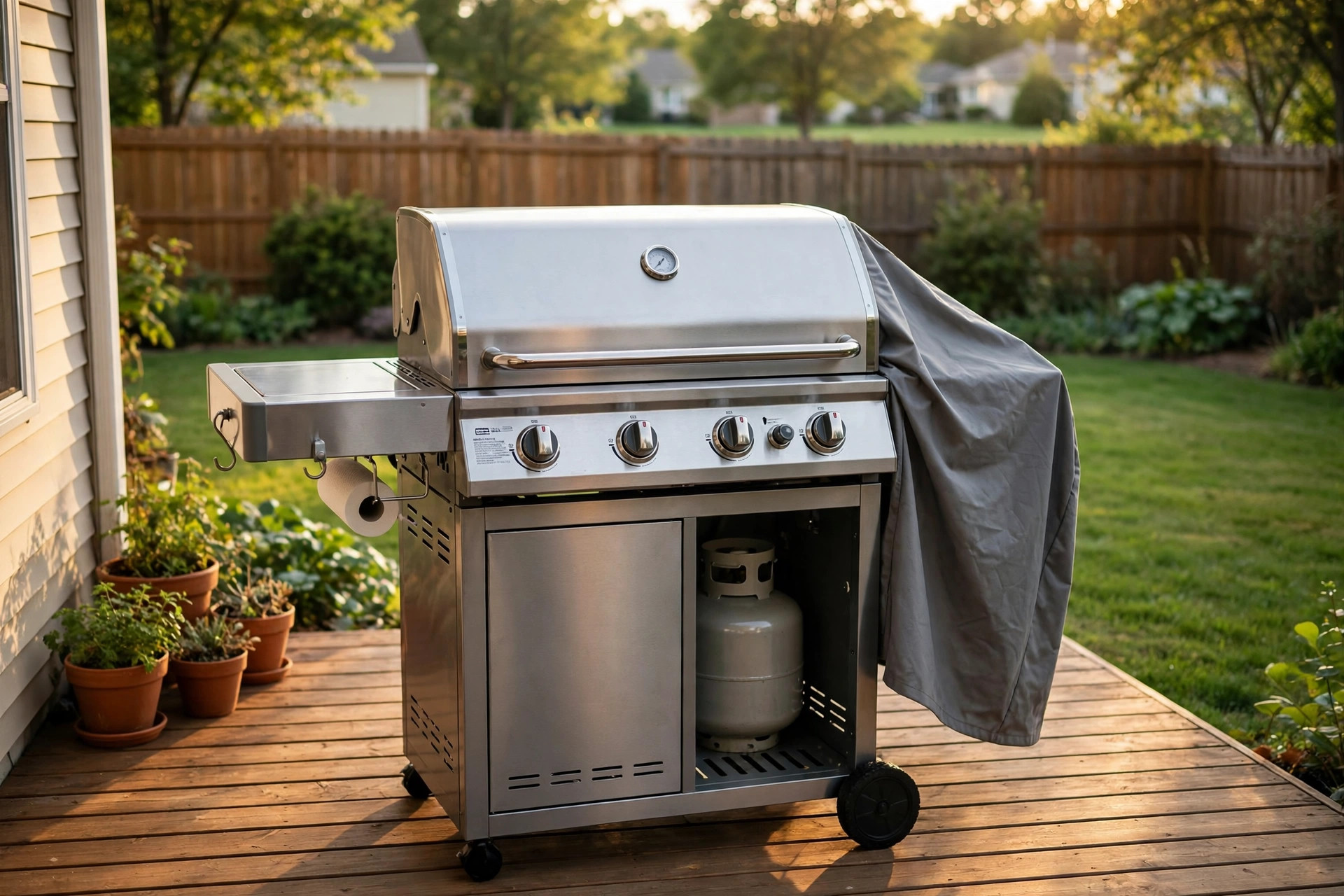
Many shoppers type “gas grill assembly service near me” after a big box arrives at the door. A new gas grill is heavy. The parts list is long. The gas hookup needs care. Hiring a local pro to put it together can save a weekend and keep the grill safe to use. This guide explains what such a service does, what it costs, and how to pick the right one.
Why Grill Assembly Matters
A gas grill is not like a toaster. Most full-size models weigh 100 to 200 pounds. They come in many pieces: the firebox, the burners, the grates, the side shelves, the wheels, and the cart. One missed bolt or one loose gas fitting can cause real trouble. A bad gas connection can leak. A leaning cart can tip.
The makers know this. Most grill makers print long manuals with small diagrams. Many people find the job takes two or three hours. Some find it takes all day. A pro who has done it many times can finish in about one hour. The result is a grill that stands straight, heats evenly, and passes a leak test.
Good assembly also protects the warranty. Some brands state that damage from wrong assembly is not covered. A service tech who knows the brand can avoid that risk. When you read about grill makers such as Weber or Char-Broil, you will see that both stress correct setup in their manuals.
What the Service Usually Includes: Gas Grill Assembly Service near Me
Not every service is the same. Most gas grill assembly services near you will cover the same core steps. Ask what is in the price before you book.
Unboxing and Parts Check
The tech opens the box and lays out the parts. They check the list in the manual. Small parts go missing more often than people think. Screws, knobs, and heat tents can slip out of a torn bag. A good tech will stop here if a part is missing and help you get a spare from the maker.
Putting the Grill Together
This is the main part of the job. The tech builds the cart or stand, mounts the firebox, sets the burners in place, and adds the grates, warming rack, and side shelves. They will level the grill and check that the lid opens and closes well. Heavy lifting is part of it. A new grill often needs two sets of hands, and the tech brings that help.
Gas Hookup and Leak Test
This step matters most. The tech connects the propane tank or the natural gas line to the grill. Then they test for leaks. The common test uses soapy water on each joint. If bubbles form, there is a leak, and the joint gets fixed. The tech should also check that the igniter sparks and that each burner lights on its own.
Some services also haul away the boxes and packing. Ask if cleanup is part of the deal. It is a small thing, but it saves you a trip to the curb.
How to Choose a Service Near You
Start with the store where you bought the grill. Large retailers often sell assembly as an add-on at checkout. Home Depot, for example, offers assembly on many grills, and the service is done by local contractors the company vets. If you did not buy the add-on, you can often call back and add it.
Independent handymen also do this work. Look for a local pro with strong reviews and photos of past grill jobs. Ask three plain questions: How many grills have you built? Do you test for gas leaks? What happens if a part is missing or broken? A good answer to all three is a good sign.
Brand service networks are a third choice. Some grill makers run their own service teams or list approved partners. Traeger and Napoleon both have support pages that point owners to service help. Even if your grill is a different brand, the same idea holds: check the maker first.
Also check the fine print on the service. Will the tech come to your home, or do you need to bring the grill somewhere? Most “near me” services are mobile. They come to your driveway or patio. Make sure the visit is at your home, not at a shop across town.
Types of Assembly Services
The market breaks into a few clear types. Each has its pros and cons.
Retailer assembly. Done through the store at the time of sale. The price is clear. The tech knows the exact model. The weak point is timing. You may wait days for a free slot in the busy spring season.
Local handyman or task service. Booked through a local business or a task platform. Often the fastest choice. You can read real reviews from neighbors. The weak point is uneven skill. One handyman may be a grill expert, and the next may be learning on your dime.
Brand or maker service. Arranged through the grill maker. The tech knows the product line well. The weak point is cost. It can run higher than a local handyman, and coverage may be thin in rural areas.
Gas company or plumber hookup. Some buyers split the job. A handyman builds the cart and firebox, and a licensed gas tech makes the final gas connection. This is common for natural gas grills that tie into a home gas line. It costs more, but it is the safest route for a fixed gas line.
No matter which type you pick, make sure the person who touches the gas fittings knows what they are doing. A grill is a gas appliance, and gas work deserves respect.
Cost and Price
Prices for a gas grill assembly service near you will fall in a range. A small two-burner grill may cost 75 to 100 dollars to assemble. A mid-size three or four burner grill often runs 100 to 150 dollars. A large grill with a side burner, rotisserie, and cabinet doors can run 150 to 250 dollars.
What moves the price? Size is the main factor. More parts mean more time. Location matters too. Service in a big city often costs more than in a small town. Extra work adds cost: hauling the old grill away, running a new natural gas line, or mounting the grill in a built-in outdoor kitchen.
Watch for add-ons you did not ask for. Some services push a cover or a cleaning kit at the door. A good grill cover is worth having, but you should buy it on your own terms, not under pressure. Get the full price in writing before the tech starts. Ask if the quote covers the leak test, cleanup, and a short demo of the controls.
Tip: spring and early summer are the busy season. Prices and wait times both rise. If you can book in the fall or winter, you may get a faster visit and sometimes a lower price.
Care and Upkeep After Assembly
Once the grill is built, a little care keeps it working for years. Brush the grates while they are still warm after each cook. Empty the grease tray before it fills up. A full grease tray is the top cause of flare-ups, and flare-ups are the top cause of burned food. If flare-ups keep spoiling your burgers, read up on how to grill burgers without flare ups before you blame the grill.
Check the burners once or twice a year. Spiders and insects love to nest in burner tubes over the winter. A blocked tube can cause uneven heat or a flame that burns back toward the knobs. A pipe cleaner or a small brush clears it in minutes.
Keep the grill covered when it is not in use. Sun and rain wear out knobs, igniters, and paint. Store the propane tank upright and outside, never in a garage or shed. Check the tank hose for cracks each spring. If the hose feels stiff or looks worn, replace it before the first cook of the year.
For owners who cook in a covered patio or an outdoor kitchen, smoke and grease can build up overhead. A good outdoor range hood for the grill area keeps the space clear and cuts down on grease stains.
Safety Notes
Safety is the real reason to hire a pro, and it does not end when the tech leaves. Keep the grill at least three feet from the house, from railings, and from anything that can burn. Never use a gas grill indoors or in a closed garage. The fumes can kill.
Learn the smell of a gas leak. Natural gas and propane both have a rotten-egg smell added so you can spot a leak. If you smell gas near the grill, turn the tank valve off, move away, and call your gas company. Do not light the grill to “check.”
Teach everyone in the house the same rules. Kids should stay three feet back from a hot grill. Keep a spray bottle of water near for small flare-ups, and know where the tank shutoff valve is before you ever need it in a hurry. Sources like Consumer Reports publish grill safety guides each year, and they are worth a read.
If your grill ties into the home natural gas line, only a licensed pro should make or change that connection in most states. Check your local code. A permit may be needed for new gas work.
Frequently Asked Questions
How long does grill assembly take?
A pro usually needs 45 to 90 minutes for a standard gas grill. Large models with cabinets and side burners can take two hours. If you do it yourself, plan on two to four hours, plus time to read the manual twice.
Should I tip the assembly tech?
Tipping is not required, but it is welcome for good work. Ten to twenty dollars is common when the tech is on time, cleans up, and walks you through the controls. A good review online is also worth a lot to a local pro.
Can the tech assemble a grill I bought used?
Most will. A used grill often needs more work: a deep clean, new grates, or a fresh igniter. Tell the service what you have before they come so they bring the right parts and tools. Some techs will not work on a grill with a rusted-out firebox, since it is not safe.
What if a part is missing or broken?
Stop and call the grill maker. Makers like Big Green Egg and the big gas grill brands ship spare parts fast, often free under warranty. A good tech will wait or come back once the part arrives. Do not let anyone “make it work” with the wrong screw or a bent bracket.
Is assembly worth it for a cheap grill?
For a small grill under 200 dollars, the assembly fee can feel steep next to the price of the grill. But the leak test alone has real value. If you are handy and careful, a small grill is a fair do-it-yourself job. For anything with three burners or more, most owners are glad they hired help.
Where can I learn more about grilling technique?
Once the grill is set up, technique is the next step. Sites like The Spruce Eats and AmazingRibs offer free, tested guides on heat control, timing, and recipes. They are good reading for a new grill owner.
A Final Word
Searching for a gas grill assembly service near me is a smart move, not a lazy one. The job is heavy, fiddly, and tied to gas safety. A good local tech will build the grill right, test it for leaks, and leave you with a clean patio and a grill that is ready to light. Get the price in writing, ask about the leak test, and check reviews before you book. Then enjoy the first cook. It tastes better when you did not spend the whole weekend with an Allen wrench in your hand.
References
AmazingRibs.com. (n.d.). Barbecue and grilling science. https://www.amazingribs.com Big Green Egg. (n.d.). Kamado grills and outdoor cooking. https://www.biggreenegg.com Char-Broil. (n.d.). Gas and charcoal grills. https://www.charbroil.com Consumer Reports. (n.d.). Product reviews and ratings. https://www.consumerreports.org Napoleon. (n.d.). Fireplaces, grills, and heating products. https://www.napoleon.com The Home Depot. (n.d.). Home improvement products. https://www.homedepot.com The Spruce Eats. (n.d.). Recipes and cooking guides. https://www.thespruceeats.com Traeger. (n.d.). Wood pellet grills. https://www.traeger.com Weber. (n.d.). Grills and outdoor cooking. https://www.weber.com
Was this guide helpful?

About Jennifer Lee
The My Garden US editorial team writes practical, in-depth home and garden guides for American homeowners — tested advice, no fluff.