
A Lawn That Takes a Beating
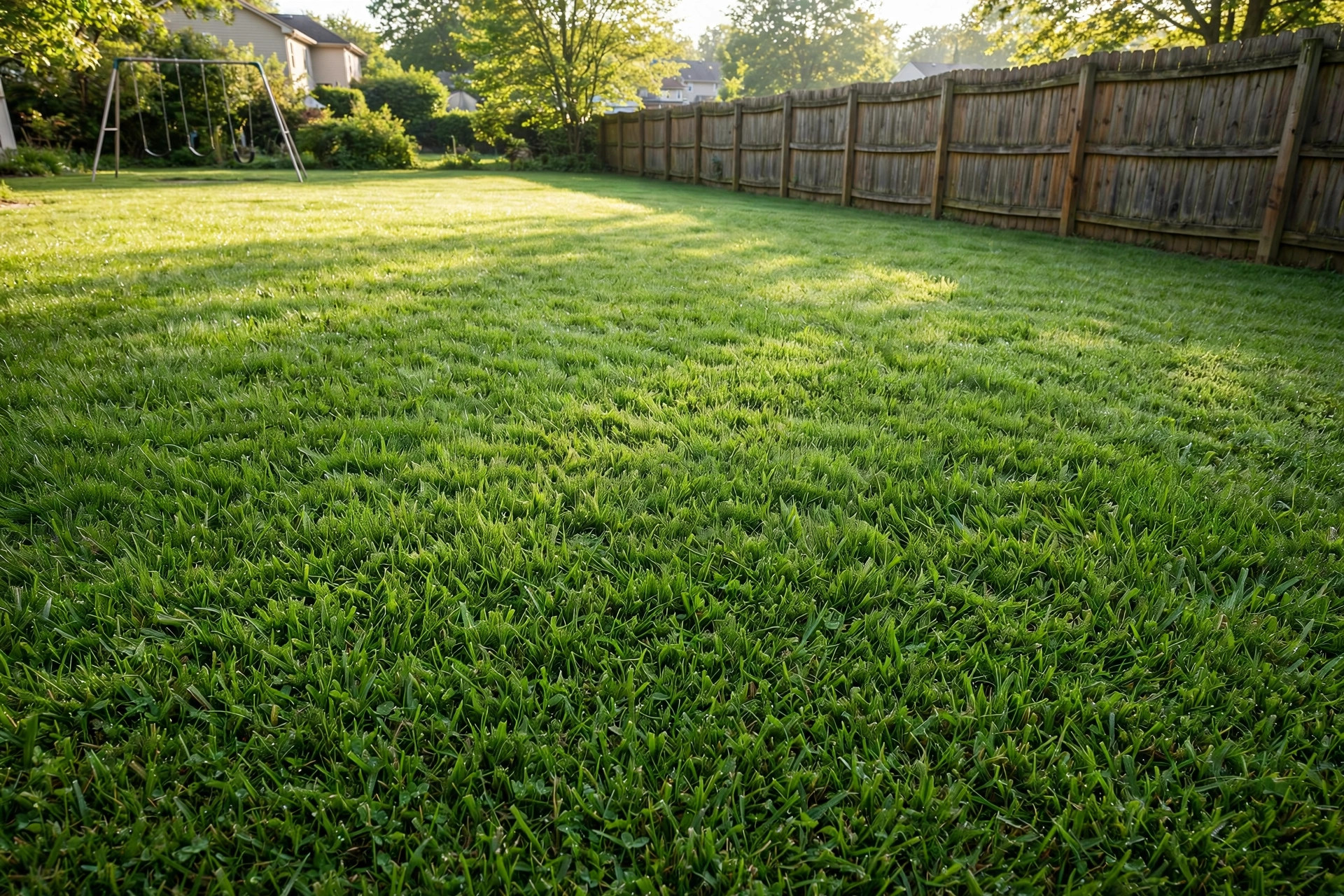
Many American yards take a beating. Children play ball on the grass. Dogs run the same path along the fence line. Guests cut across the corner of the lawn to reach the front door. After one long season, bare spots appear. Then the weeds move in. The best lawn seed for high traffic areas is made for this exact problem. It grows from seed types that root deep, spread fast, and recover after hard use. A standard seed mix looks fine in a catalog photo, but it fails under daily wear. This guide explains which seeds hold up, what to look for on the bag, and how to plant them so the work lasts. The right seed keeps a hard-used lawn green through fall.
Why Tough Seed Matters: Best Lawn Seed for High Traffic Areas
Foot traffic does more damage than most people expect. Each step bends the blades and crushes the crown where new growth begins. Heavy use also packs the soil. Packed soil lets less air and water reach the roots. Young shoots die before they can spread. Once the grass thins, the soil shows through. Bare soil is an open door for weeds. Crabgrass, clover, and dandelions move into open ground faster than lawn grass can recover. These traits matter most in the first year, when new seedlings are weak. Traffic-tolerant types survive that weak stage and harden into a mat that resists wear for years.
What to Look for on the Bag
The seed label tells you most of what you need. Read it before you buy. Here is what matters.
Wear tolerance. Some labels say “high traffic” or “traffic tolerant.” This is a good sign. It means the mix was built for lawns that see play and pets. Look for words like “durable,” “hardy,” and “self-repairing.”
Seed purity and germination. The label lists the percent of pure seed and the test date. Choose bags with purity above 95 percent and germination above 85 percent. Fresh seed from the current season grows best. Avoid bags with more than a trace of weed seed.
Fast germination. Quick-growing types fill bare spots before weeds move in. Perennial ryegrass sprouts in five to ten days. It is often mixed with slower types so the lawn covers ground fast while the slower seed catches up.
Root depth and spread. Grasses that spread by rhizomes or stolons repair themselves. Kentucky bluegrass spreads through underground stems. Tall fescue grows a deep root system that survives drought and heat. Both traits help under traffic.
Cool season or warm season. The right grass depends on where you live. Cool-season grasses suit the North and Midwest. Warm-season grasses suit the South. A mix that fits your region will always beat a tougher grass planted in the wrong zone. If you garden in a hot, dry state, read our notes on drought-tolerant seed for dry regions before you choose.
Mix versus single type. Most high traffic seed is a blend. Blends spread the risk. If one type struggles in shade or drought, the other types carry the lawn. A pure single-type seed works best when you know your soil and climate well.
Types of Grass Seed That Hold Up Under Foot Traffic
Tall Fescue
Tall fescue is the workhorse of high traffic lawns. It grows a deep root system that reaches several inches into the soil. Deep roots pull water from below the surface. This keeps the grass green during dry spells and helps it spring back after heavy use. Modern turf-type tall fescue looks much finer than the coarse pasture fescue of past decades. It forms a dense turf that handles mowing at three to four inches. Tall fescue grows in a clump. It does not spread far on its own, so seed mixes often add a small amount of bluegrass or ryegrass to fill gaps. It suits the transition zone and most of the Midwest and Northeast. For gardeners planning soil work first, knowing when to aerate in the Midwest helps the seed root faster.
Kentucky Bluegrass
Kentucky bluegrass is famous for self-repair. It spreads through underground stems called rhizomes. When a worn spot opens, nearby rhizomes send up new shoots. This is the closest thing to a lawn that heals itself. Bluegrass forms a rich green turf with a fine texture. It prefers cool climates and full sun. It needs steady water in summer heat. The weak point is speed. Bluegrass can take two to three weeks to sprout, and full establishment may take months. For that reason, it works best in blends with faster types. In a high traffic mix, bluegrass does the long-term repair while ryegrass covers the ground in the first weeks.
Perennial Ryegrass
Perennial ryegrass is the fastest starter in the group. It sprouts in five to ten days under good soil warmth. It grows upright and dense, with a bright green color that pleases most homeowners. Lawn seed companies use it as a “nurse grass” in high traffic blends. It protects slower seedlings from erosion and weed pressure while they get going. Ryegrass also tolerates wear well on its own. It does not spread by runners, so worn spots need overseeding to refill. It suits cool-season regions and handles mowing well. Many sports fields use ryegrass blends for quick recovery between games. For home lawns, it is the best choice when you need results in weeks rather than months.
Zoysia and Bermuda for Warm Climates
Warm-season grasses rule the South. Zoysiagrass forms a thick, carpet-like turf that stands up to heavy play. It spreads by both runners and underground stems, so it fills bare spots on its own. It also resists many common lawn pests. The trade is patience. Zoysia starts slowly and turns brown in winter dormancy. Bermudagrass grows faster and handles extreme heat and traffic. It is the standard grass on southern athletic fields. Both need full sun and warm soil to thrive. They go dormant when cold weather arrives. In southern lawns that see kids, dogs, and outdoor living all summer, these two are the most durable choices.
Cost and Price: What a Bag Really Covers
High traffic lawn seed costs more than plain seed, but the math favors it. A five-pound bag of quality traffic-tolerant blend typically costs between fifteen and forty dollars, depending on the brand and the grass type. Coverage matters more than the bag price. Most blends cover about one thousand square feet per five pounds for new lawns. Overseeding an existing lawn uses half as much seed per square foot. So a single bag can overseed two thousand square feet. Compare that with sod, which costs far more per square foot and needs heavy labor. Seed is the cheaper route for large worn areas. Buy from a store or a garden supplier with fresh stock. Old seed loses its germination power sitting in a hot warehouse. Check the test date on the label. Seed tested within the past year is the best value. Equipment makers such as Toro and John Deere publish lawn care guides that help you match seed to mower and soil type.
How to Plant for the Best Results
Good planting matters as much as good seed. Follow these steps.
Test and prepare the soil. Traffic packs soil hard. Loosen the top two inches with a rake or a core aerator. Pull out weeds and old thatch. A simple soil test shows whether you need lime or fertilizer. Seed will not thrive in sour or starved soil.
Pick the right season. Fall is the best time to seed cool-season grasses in most of the country. Soil is warm, rain is steady, and weeds grow slower than in spring. Spring seeding works but brings more weed pressure. Warm-season grasses go in during late spring and early summer when soil warmth rises above sixty-five degrees.
Sow at the right rate. Use the rate printed on the bag. More seed is not better. Crowded seedlings fight each other for light and water. Spread half the seed walking one direction, then spread the other half walking at a right angle. This gives even coverage.
Cover and water. Rake the seed lightly into the soil so it sits about a quarter inch deep. Spread a thin layer of straw or a seed mulch over the area to hold moisture. Water gently two or three times a day until the seed sprouts. Keep the top inch of soil moist, not soaked. Once the grass reaches mowing height, cut back to deeper, less frequent watering.
Rest the lawn. Keep foot traffic off new seed for the first six to eight weeks. Mark the area with string or a light fence if children or dogs use the yard. Early wear can ruin a seeding job that cost real money. Plan the project for a season when the family can stay off the grass.
Care and Upkeep After Planting
Tough grass still needs care. Mow high. Set the mower to three inches or more for cool-season grasses. Taller blades shade the soil, keep roots cool, and resist wear better. Never cut more than one third of the blade at once. Sharp mower blades make clean cuts that heal fast. Dull blades tear the grass and open wounds to disease. Follow a step-by-step fall overseeding guide each autumn to keep the turf thick. Fall overseeding adds young plants to thin spots before winter. Feed the lawn on a simple schedule. A balanced lawn fertilizer in spring and fall suits most traffic-tolerant grasses. Do not overfeed. Too much nitrogen grows weak, soft blades that wear out fast. Water deeply but less often. One inch of water per week, given in one or two soakings, trains roots to grow deep. Light daily sprinkles train roots to stay near the surface, where traffic damage hurts most. In summer heat, raise the mowing height and skip midday watering. Finally, rotate play areas when you can. Even the toughest grass benefits from rest. Move the soccer goal or the dog run a few feet each season to spread the wear.
Safety Notes for Kids, Pets, and Wildlife
Lawn seed itself is safe for people and pets once it is watered into the soil. Some seed bags carry a coating of fungicide or fertilizer to help young plants start. These coatings are mild, but it is wise to keep children and pets off the seeded area until after a good rain or watering. Store seed bags out of reach of children and away from pet food. An open bag of seed looks like grain to a curious dog. Most seed is not poisonous, but eating a large amount can upset a stomach. Wear gloves when spreading seed by hand if your skin reacts to dust. If you use a starter fertilizer with the seed, follow the bag rate and sweep any granules off sidewalks and driveways so they do not wash into storm drains. For guidance on safe yard products, the Consumer Product Safety Commission offers plain-language safety information for homeowners.
Frequently Asked Questions
How long does high traffic grass seed take to grow? Fast types like perennial ryegrass sprout in five to ten days. Tall fescue takes one to two weeks. Kentucky bluegrass needs two to three weeks just to sprout. Full thickness takes one full growing season. Plan your project so the lawn can rest for six to eight weeks after seeding.
Can I mix high traffic seed with my existing lawn? Yes. Overseeding is the standard fix for worn lawns. Mow the old grass short, loosen the bare spots, and spread the new seed over them. Water as you would for a new seeding. The new plants grow in among the old ones and thicken the turf.
Will tough grass seed grow in shade? Most wear-tolerant grasses prefer sun. Tall fescue handles light shade better than bluegrass or Bermuda. In deep shade under trees, even tough seed struggles. Trim low tree limbs to let in light, or accept a ground cover instead of grass in the darkest spots.
How much seed do I need for a worn play area? A worn area of five hundred square feet needs about two and a half pounds of seed for a new stand, or half that for overseeding. Measure the area first. Buying the right amount saves money and avoids thin or crowded patches.
Is sod better than seed for high traffic areas? Sod gives instant cover and handles light use within weeks. Seed costs far less and builds deeper roots over time. For a large worn lawn, seed is the better value. For a small area that must look finished right away, sod is worth the cost.
When should I reseed a worn lawn? Early fall is best for cool-season grasses. The soil is warm, nights are cool, and weeds slow down. Late spring suits warm-season grasses. Avoid seeding in the heat of midsummer, when young plants face the hardest stress.
A Short Final Word
The best lawn seed for high traffic areas is not a magic product. It is a smart match between grass type, climate, and the way your family uses the yard. Choose a fresh blend built for wear. Plant it in the right season. Give it water and rest while it roots. Keep it mowed high and fed on a simple schedule. Do this, and the bare path by the fence fills in. The play corner stays green. The lawn you walk on every day looks like a lawn you are proud of.
References
Toro. (n.d.). Lawn care equipment and guides. https://www.toro.com Deere & Company. (n.d.). John Deere lawn and garden. https://www.deere.com U.S. Consumer Product Safety Commission. (n.d.). Safety information for homeowners. https://www.cpsc.gov
Was this guide helpful?

About Sarah Mitchell
The My Garden US editorial team writes practical, in-depth home and garden guides for American homeowners — tested advice, no fluff.
You May Also Like
Finding a Lawn Mower Blade Sharpening Service Near Me
October 4, 2026 1 views
Cheap Raised Flower Bed Kits Online: A Practical Guide
April 5, 2026 0 views
Crabgrass Killer for Lawns Reviews: A Homeowner’s Guide
January 30, 2026 0 views