Mibuna is the gateway mustard green. Where most mustards bite, mibuna stays mild, with feathery, deeply cut leaves that look as good as they taste. It is the green for people convinced they dislike mustard greens, and it converts skeptics regularly. Gardeners learning how to grow mibuna get a beautiful, productive cool-season green that harvests cut-and-come-again for months.
Table of Contents
Table of Contents
The foliage is genuinely ornamental: narrow, serrated leaves in a tidy rosette, pretty enough for the flower bed. But it is a workhorse in the kitchen, mild raw in salads and quick-cooking in stir-fries. Like its cousin mizuna, it grows fast in cool weather and keeps producing as you pick.

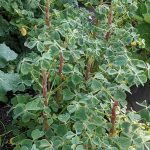
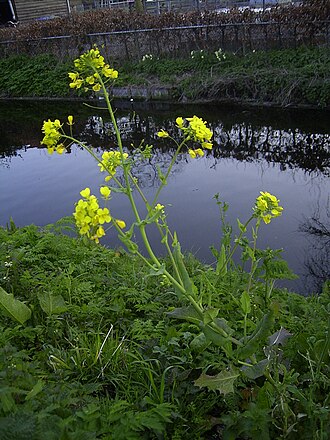
Photo: Wikimedia Commons
Quick facts: Sun: full sun to part shade. Soil: rich, well-drained. Water: consistent moisture. Sow 0.25 inch deep, thin to 8 inches apart. Days to maturity: 40 to 55. Cool-season annual; bolts in heat.
Choosing a Variety and Getting Started
When it comes to how to grow mibuna, getting the details right makes all the difference.
Many homeowners find that how to grow mibuna is easier than they expected once they know the basics.
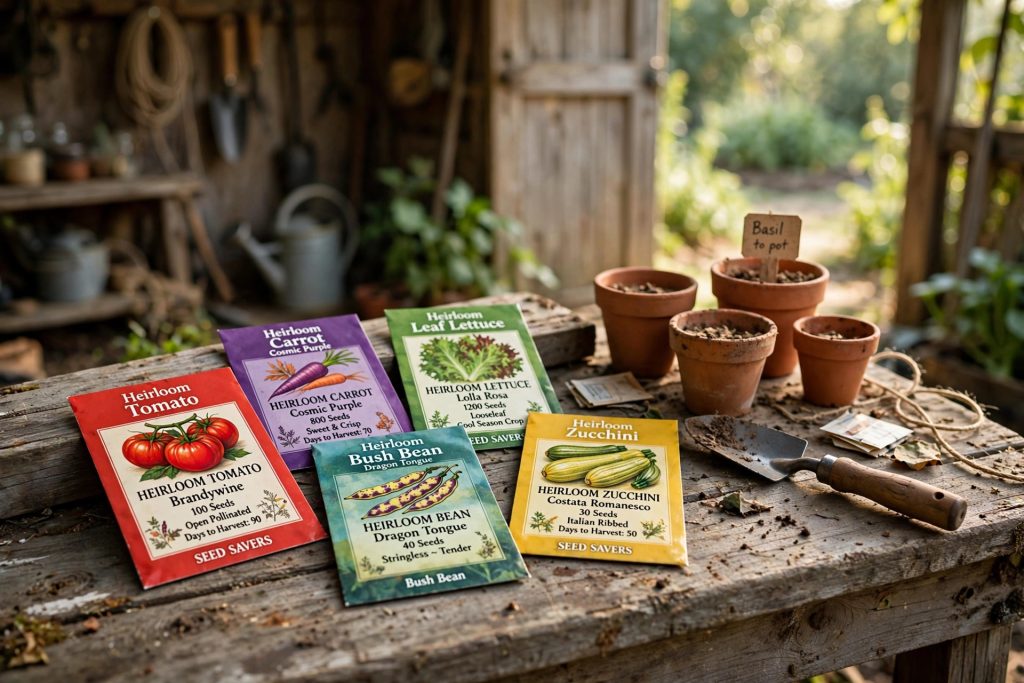
Mibuna seed is sold by Asian vegetable and heirloom suppliers, usually just as mibuna. There are green and red-tinged strains; both are mild and productive. Buy fresh seed for the quickest germination, though brassica seed keeps well for years in cool, dry storage.
Sow as a cool-season green in spring and fall. Mibuna germinates quickly in cool soil and grows fast, which makes it one of the most rewarding seeds for beginners. Before sowing, check your USDA zone planting dates on the planting calendar to place your cool-season sowings.
If you have grown mustard greens for punch or arugula for pepper, mibuna is the mild-mannered relative. Lettuce shares the cut-and-come-again harvest style.
When and How to Plant
Many homeowners find that how to grow mibuna is easier than they expected once they know the basics.
The key to how to grow mibuna is choosing the right approach for your space and budget.
Direct sow mibuna in early spring, about two weeks before your last spring frost, and again in late summer for fall, about eight weeks before your first fall frost. Sow about a quarter inch deep and thin the seedlings to 8 to 10 inches apart. The plants need room to form full rosettes; crowded plants stay small and bolt early.
Succession sow every few weeks through the cool season for continuous harvest. Each sowing matures in 40 to 55 days, so a spring series and a fall series keep you in feathery greens for months. The seed is cheap and the turnaround is fast, so sow generously.
The Old Farmer's Almanac planting calendar helps you time the sowings. In mild-winter areas, mibuna grows through winter with minimal protection.
Soil and Sun
The key to how to grow mibuna is choosing the right approach for your space and budget.
With a little planning, how to grow mibuna can fit even a busy schedule.
Give mibuna full sun to part shade and fertile, well-drained soil. In cool weather, full sun gives the fastest growth and the fullest rosettes. Rich soil grows the tenderest leaves: work in plenty of compost before sowing.
Consistent moisture is important. Mibuna needs steady water to stay tender and keep producing; drought stress toughens the leaves and pushes the plants toward bolting. A humusy soil that holds water, plus mulch once seedlings are established, keeps things even. The Clemson Home & Garden Information Center covers soil preparation for leafy crops in detail.
Its background under Brassica rapa var. nipposinica is listed in the USDA PLANTS Database. The University of Minnesota Extension offers dependable cool-season green advice.
Watering and Feeding
With a little planning, how to grow mibuna can fit even a busy schedule.
Before you start, it helps to understand how how to grow mibuna works in real homes.
Water consistently. Mibuna's shallow roots dry out quickly, and even brief drought checks growth. A regular deep watering, adjusted for rain, plus mulch, is the routine. Morning watering is best; it lets the foliage dry during the day.
Feed only lightly. Rich soil at sowing is usually enough, but a light side dressing of compost midseason helps in poor soil. Excess nitrogen makes lush, soft growth that attracts aphids and bolts faster. If the rosettes are full and deep green, nutrition is right.
Mulch around the plants once they are a few inches tall. Mulch conserves moisture, suppresses weeds, and keeps soil off the low-growing leaves, which makes harvest cleaner.
Care Through the Season
Before you start, it helps to understand how how to grow mibuna works in real homes.
A good plan for how to grow mibuna saves time, money, and frustration.
Flea beetles are the main threat, so cover young plants with row cover. These tiny jumping beetles chew shot-holes in brassica leaves and can devastate a young planting. A lightweight cover from sowing until the plants are well established excludes them without chemicals.
Harvest outer leaves to keep the center producing. This cut-and-come-again picking is the rhythm of the mibuna patch: take the outer leaves, leave the heart, and the plant keeps growing. Regular picking also delays bolting by keeping the plant in active leaf production.
Watch for aphids clustering on the growing point as weather warms; a strong water spray dislodges them. In sustained heat, mibuna bolts like other brassicas. Harvest heavily as temperatures climb, and count on the fall sowing for the longest season.
Harvest
A good plan for how to grow mibuna saves time, money, and frustration.
For most people, how to grow mibuna comes down to a few smart choices.
Harvest the feathery leaves young for mild salads or larger for cooking. Young leaves, just a few inches long, are tender and delicate, perfect for mixed salads. Larger outer leaves cook in a minute or two, wilting like spinach with a mild mustard sweetness.
Plants regrow cut-and-come-again for months if you keep picking the outer leaves and leave the center intact. A single sowing can produce for eight weeks or more in cool weather. It is pretty enough for edible landscaping, so do not hide it in the back of the vegetable garden; the rosettes look wonderful edging a bed.
Use the leaves soon after picking. They keep several days in the refrigerator, but like all tender greens, they are best fresh. The mild flavor makes mibuna a salad green you can eat by the handful straight from the plant.
Cooking with Mibuna
For most people, how to grow mibuna comes down to a few smart choices.
If you are new to how to grow mibuna, start with the simplest option and build from there.
The young leaves are the salad star. Pick them at a few inches long, when they are at their most tender and delicate, and toss them into mixed salads where their feathery texture stands out. They have the mildness that makes people reach for seconds, and they look beautiful on the plate, which counts for more than gardeners admit. A salad that is half mibuna needs little else.
Larger leaves cook in a minute or two. Wilt them into pasta, stir them into soup at the last moment, or saute quickly with garlic and a splash of soy sauce. They behave like a tender mustard green, collapsing fast and taking on flavors readily. Do not cook them long; like all tender greens, they are best barely done.
Mibuna also pickles well. Packed into jars with a light brine, the feathery leaves make an attractive quick pickle that is ready in days. And because the plant is so pretty, consider its place in the landscape: a row of mibuna rosettes edging a flower bed feeds you for months while looking like it was planted for ornament. Few vegetables blur the line between the kitchen garden and the flower garden this gracefully.
Mibuna for the Cold Months
If you are new to how to grow mibuna, start with the simplest option and build from there.
When it comes to how to grow mibuna, getting the details right makes all the difference.
Mibuna's cool-season nature makes it a natural for fall and winter harvest. Sow in late summer for a fall crop that matures as the weather cools; the plants grow steadily, and the flavor stays mild and sweet. Unlike summer greens that turn bitter in heat, fall mibuna just gets better as temperatures drop. A frost or two does not hurt it, and the rosettes hold well into cold weather.
Protect the planting with row cover as hard frosts approach. The cover keeps the leaves clean and harvestable for weeks longer, and in mild regions it carries the crop through winter. Harvest outer leaves through the cold months, always leaving the heart intact. The plants grow slowly in low light but keep producing, which is more than most greens manage.
For the longest season, combine strategies: a spring sowing for early harvest, a late-summer sowing for fall, and row cover for winter. Three small efforts give you feathery mild greens across three seasons from one packet of seed. In the cold frame, mibuna is one of the prettiest winter crops, its serrated rosettes bright green against the gray months, feeding you while it decorates the garden.
Troubleshooting
When it comes to how to grow mibuna, getting the details right makes all the difference.
Many homeowners find that how to grow mibuna is easier than they expected once they know the basics.
Leaves are full of tiny shot-holes. Flea beetles. Cover new sowings with row cover from the start; it is the only reliable defense.
Plants bolt as weather warms. Heat triggers flowering. Sow for cool seasons, harvest heavily before heat arrives, and try afternoon shade to extend the season.
Growth is pale and slow. Hungry or waterlogged soil. Side dress with compost and check drainage; mibuna hates wet feet.
Leaves taste strong or bitter. Overmature leaves or heat stress. Pick younger leaves and keep the plants cool and watered.
Mibuna is the mild mustard that wins over skeptics: feathery, beautiful, and generous for months of picking. For a bolder mustard in the same bed, mustard greens bring the heat. More green-growing guidance is available from Gardenia.net, and background through the USDA National Agricultural Library.
References
University of Minnesota Extension. (n.d.). Growing Asian greens in home gardens. https://extension.umn.edu/
Old Farmer's Almanac. (n.d.). Growing greens in home gardens. https://www.almanac.com/
Clemson Cooperative Extension. (n.d.). Home & Garden Information Center. https://hgic.clemson.edu/
Missouri Botanical Garden. (n.d.). Plant finder. https://www.missouribotanicalgarden.org/
Was this guide helpful?

About My Garden US
The My Garden US editorial team writes practical, in-depth home and garden guides for American homeowners — tested advice, no fluff.
You May Also Like
Tulip Bulbs Fall American Homes Guide: Planting for a Brighter Spring
July 28, 2026 5 views
How to Grow Dandelion Greens: Guide
October 12, 2026 9 views
Seed Starting Trays Deals Near Me: Where to Find the Best Prices
April 22, 2026 3 views