
Why Seed Starting Trays Matter
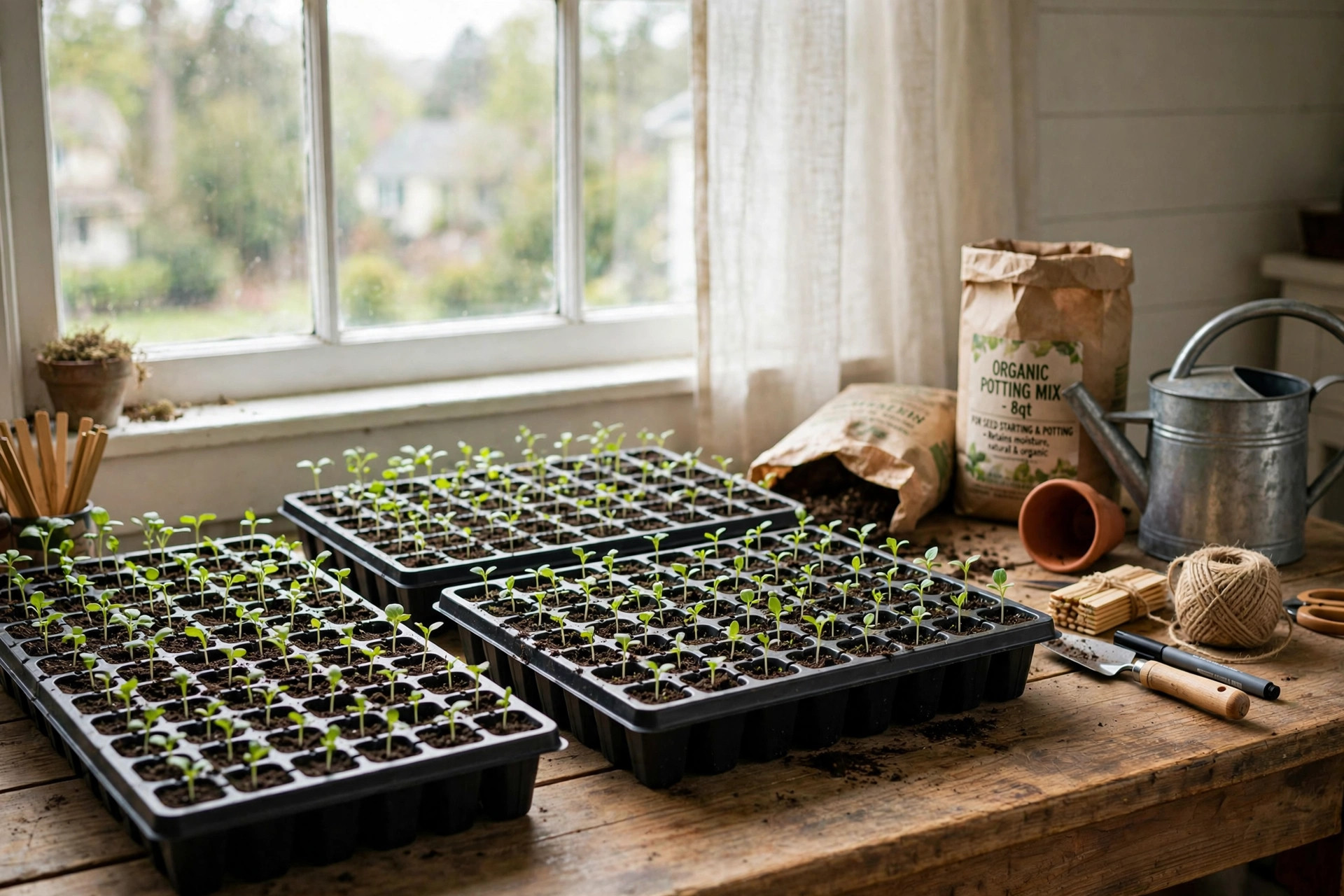
Every strong garden begins with a seed. The seed needs warmth, moisture, and light to wake up and grow. A seed starting tray gives the seed all three in a neat and simple way. When you search for seed starting trays usa online deals, you will find many choices at low prices. But not all trays are equal. A good tray saves you money in the long run because more seeds will grow into strong plants. A poor tray may break, leak, or let mold grow, and your seeds may die before they ever reach the garden bed.
Starting seeds indoors gives you a head start on the season. In many parts of the United States, the growing season is short. If you wait until spring is warm to plant seeds outside, some plants will not have time to grow fruit before fall. Trays let you start seeds six to ten weeks early, inside your home, where it is warm and safe. When the weather turns mild, you move strong young plants outside. This method also lets you control water and light better than nature can.
Online deals make this easier than ever. You can buy trays in bulk, often with clear humidity domes and bottom trays that hold water. Many sellers offer starter kits that include everything you need: cells, a watertight base, a clear lid, and sometimes a heat mat. If you plan to grow tomatoes, peppers, herbs, or flowers, a few good trays will serve you for years. Guides like the seed starting trays buying guide usa can help you compare features before you click buy.
What to Look for When You Shop Online: Seed Starting Trays Usa Online Deals
Size and Cell Count
Trays come in many sizes. The most common size is the standard 10 by 20 inch tray, which fits on a window sill or under a grow light. Inside the tray, you may have small cells or one open flat. Cell counts run from 6 large cells to 72 small cells, and some growers use 128 or even 200 cells for tiny seeds like lettuce.
Small cells suit seeds that grow fast and move to the garden soon. Large cells suit seeds that stay in the tray longer, such as peppers and tomatoes. Think about what you will grow before you choose. If you grow only a few plants, a 6-cell or 12-cell tray is enough. If you grow a full vegetable garden, a set of 72-cell trays will save you time and shelf space.
Strength and Thickness
Cheap trays are made of thin plastic. They crack when you lift them full of wet soil. A stronger tray is made of thick plastic or tough recycled material. Read the product details. Look for words like heavy duty, durable, or reusable. A tray that lasts five years costs less per year than a tray that breaks after one season, even if the first price is higher. Many seed starting trays for sale usa listings show the plastic thickness in the fine print.
Drainage Holes
Seeds rot when they sit in standing water. Good trays have holes in the bottom of each cell so extra water can drain out. The best kits add a solid bottom tray with no holes to catch the drained water. You pour water into the bottom tray, and the soil pulls it up through the holes. This is called bottom watering, and it keeps the top of the soil dry, which helps stop mold and fungus gnats.
Humidity Domes
A clear plastic dome sits on top of the tray and holds in warmth and moisture. Seeds need steady warmth to sprout. A dome helps a lot in a cool house. But once seeds sprout, you must lift the dome or move it off, because young plants need fresh air. Kits that include domes are often the best online deal, since buying a dome alone later costs more.
Types of Seed Starting Trays
Plastic Cell Trays
These are the most common type. Black plastic cells sit in a tray, often sold in packs of five or ten. They are light, cheap, and easy to stack. Heavy duty versions last many years. Thin versions are best for one season only.
Biodegradable Trays
Some trays are made of peat, coir, paper, or wood fiber. You plant the whole pot in the ground, and it breaks down in the soil. This avoids transplant shock, which can slow down young plants. Peat pots seedlings buying guide usa pages explain how these pots work. The downside is that they dry out faster than plastic, so you must water them more often. They also cost more per plant.
Soil Blocker Trays
A soil blocker is a tool that presses wet soil into cubes. You make the cube, drop a seed in it, and set the cubes on a flat tray. There is no pot at all. The roots grow to the edge of the cube and stop, which keeps them healthy. This method takes more work at the start but saves the cost of pots.
Self-Watering and Wick Trays
Some kits use a wick that pulls water up from a base into each cell. These keep soil moist with less daily work. They cost more than plain trays, so weigh the price against the time you save.
Cost and Price: What Good Deals Look Like
Online prices for seed starting trays run from about one dollar to about ten dollars per tray, based on size and strength. A basic ten-pack of thin 72-cell trays may sell for under fifteen dollars. A heavy duty kit with a bottom tray and dome may sell for eight to twelve dollars per set. Bulk packs of fifty or one hundred trays bring the per-tray price down sharply.
Watch for these signs of a true deal:
– Included parts. A kit with a tray, cells, and dome at one price beats buying each part alone. – Thickness. Heavy duty trays at a mid price are a better deal than paper-thin trays at a low price. – Shipping. Some sellers offer free shipping over a set amount. Add shipping into the price before you compare. – Reviews. Read what other gardeners say. Look for notes on cracks, warping, and cell size. Many growing guides at places like Gardening Know How remind readers that thin trays often fail in the first season.
Seasonal sales bring the best prices. Late winter and early spring bring the largest sales, just before planting time. But prices may rise then, too, as demand grows. Buying in fall, when demand is low, can bring the deepest discounts. Sign up for seller emails to catch coupon codes. Compare three or four sellers before you buy. A few minutes of comparison can save you real money on a large order.
How to Use Your Trays: A Simple Method
Step 1: Fill with Seed Starting Mix
Use a bagged seed starting mix, not garden soil. Garden soil is too heavy and may hold disease. Fill each cell, press the mix down gently, and wet it well before you plant. The mix should feel like a wrung-out sponge.
Step 2: Plant at the Right Depth
A good rule is to plant each seed about twice as deep as the seed is wide. Tiny seeds like lettuce need only a light cover. Press the soil gently so the seed touches moist soil on all sides. Label each row or tray with the plant name and the date. You will forget what you planted if you do not label.
Step 3: Add Warmth and Light
Most seeds sprout best between 65 and 75 degrees Fahrenheit. A heat mat under the tray helps in a cool room. Once seeds sprout, give them strong light. A bright window may work, but a simple shop light or LED grow light set two inches above the plants works better. Keep the light on 14 to 16 hours a day. Advice from university research, such as the programs supported by the USDA National Institute of Food and Agriculture, often stresses that weak light makes tall, thin, weak seedlings.
Step 4: Water from the Bottom
Pour water into the solid base tray, not over the top of the soil. The soil will pull up what it needs. Empty extra water after thirty minutes. Let the top of the soil dry a little between waterings. This builds strong roots.
Step 5: Harden Off Before Planting Out
About one to two weeks before you plant outside, set the trays outdoors for a few hours each day. Start in shade and add more sun and wind each day. This toughens the plants. Skipping this step can shock young plants and set them back for weeks.
Care and Upkeep of Your Trays
Good trays last for years if you care for them. After each season, dump the old soil into a compost pile. Wash the trays with warm soapy water. Then soak them for ten minutes in a mild bleach mix: one part household bleach to nine parts water. Rinse well and let them dry in the sun. This kills disease that could harm next year’s seedlings.
Store clean, dry trays in a shed or garage, out of harsh sun. Sunlight breaks down plastic over time. Stack trays of the same size so they do not warp. Throw away any tray that is cracked, since cracks leak water and can cut roots.
If you use biodegradable pots, do not try to reuse them. They are made for one use. Compost them after planting, or tear them open when you set the plant in the ground so roots can pass through.
Safety Tips
– Keep heat mats on a flat, dry surface. Do not cover them with cloth. – Unplug grow lights and mats when you leave home for a long trip. – Keep bleach and seed starting mixes away from small children and pets. – Wash your hands after handling soil mixes, since some carry dust that can irritate lungs. – Do not eat seedlings grown for the garden, such as tomato or pepper sprouts, since the leaves of some plants are not safe to eat.
Many home and garden safety guides, including plant care articles at The Spruce, remind gardeners that even simple gear needs care. A little caution keeps the hobby safe for the whole family.
Finding Deals: Where to Look Online
Seed companies often sell trays alongside seeds. If you buy seeds from Burpee or Park Seed, check their supply pages for tray kits. Garden suppliers like White Flower Farm and Gurney’s also carry growing supplies. Large plant breeders such as Proven Winners share growing advice that can help you use your trays well.
Seasonal planning calendars, like those at The Old Farmer’s Almanac, help you time your seed starting. Starting too early wastes light and heat. Starting too late shortens your season. Match your tray order to your local last frost date, then count back the weeks each plant needs indoors.
Compare shipping costs. A deal that looks cheap may cost more once shipping is added. Some sellers let you pick up at a local store, which removes shipping cost. Read return rules before you buy in bulk. A good seller takes back warped or cracked trays.
Common Mistakes to Avoid
– Starting seeds too early. Big plants in small cells get root bound and weak. – Too little light. A dark window makes tall, pale seedlings that fall over. – Overwatering. Wet soil grows mold and kills roots. Let the surface dry between drinks. – No labels. Every seedling looks the same at first. Label all trays. – Skipping hardening off. Plants moved straight from indoors to full sun can burn and wilt. – Reusing dirty trays. Old soil can carry disease to new seedlings. Clean trays each year.
Frequently Asked Questions
How many trays do I need for a home vegetable garden?
A small family garden of ten to fifteen plants needs one or two 72-cell trays, or three to four smaller trays. If you grow flowers as well, add one more tray. Buy a little more than you think you need. Extra cells let you start backup seeds in case some fail.
Are expensive trays worth the price?
Often, yes. A heavy duty tray that lasts five years costs less per year than a thin tray that lasts one. If you garden every year, buy strong trays once. If you are trying seed starting for the first time, a cheap starter kit is a fine way to learn.
Can I start seeds without a humidity dome?
Yes. A dome helps, but you can cover the tray with clear plastic wrap instead. Poke a few holes for air. Once seeds sprout, remove the cover so air can move around the young plants.
What is the best soil for seed starting trays?
Use a bagged seed starting mix made of peat or coir, perlite, and vermiculite. It is light and clean. Do not use garden soil or potting soil with large bark chunks. Fine, light mix gives seeds the best start.
How long can seedlings stay in the trays?
Most seedlings do well for four to eight weeks in the tray, based on the cell size. Move them to larger pots or to the garden before roots fill the whole cell. If roots circle the bottom, you waited too long.
Do seed starting trays work for flowers and herbs too?
Yes. Herbs like basil and parsley start well in trays. Flowers like marigolds, zinnias, and petunias also grow strong from indoor starts. Match the cell size to the seed: tiny seeds need small cells, and large seeds like sunflowers need large cells or direct outdoor planting.
A Short Final Word
Seed starting trays are a small buy with a big payoff. They turn a short season into a long one and turn a packet of seeds into a full garden. Take time to compare types, read reviews, and watch for true online deals. Buy strong trays, keep them clean, and start your seeds at the right time. Your garden will thank you with green rows and full harvests.
References
Burpee. (n.d.). Seeds, plants, and gardening supplies. https://www.burpee.com Gardening Know How. (n.d.). Gardening guides and plant care. https://www.gardeningknowhow.com Gurney’s Seed & Nursery Co. (n.d.). Seeds, plants, and garden supplies. https://www.gurneys.com National Institute of Food and Agriculture. (n.d.). Agricultural research and extension. https://www.nifa.usda.gov Park Seed. (n.d.). Seeds, plants, and gardening supplies. https://www.parkseed.com Proven Winners. (n.d.). Plants and gardening inspiration. https://www.provenwinners.com The Old Farmer’s Almanac. (n.d.). Gardening calendars and advice. https://www.almanac.com The Spruce. (n.d.). Home and garden advice. https://www.thespruce.com White Flower Farm. (n.d.). Plants, bulbs, and garden supplies. https://www.whiteflowerfarm.com
Was this guide helpful?

About David Wilson
The My Garden US editorial team writes practical, in-depth home and garden guides for American homeowners — tested advice, no fluff.
You May Also Like

Monstera Plants Sale USA Online Deals: A Practical Guide
March 29, 2026 0 views
Planting Tulip Bulbs in Fall for Florida Homes
January 21, 2026 0 views
Garlic Bulbs Planting California Homes USA: A Plain Guide
August 22, 2026 0 views