---
Table of Contents
Table of Contents
- Do Ventless Fireplaces Need a Chimney: What "Ventless" Really Means
- How a Ventless Fireplace Burns Without a Flue
- Do You Still Need Fresh Air or a Cracked Window?
- What the Law Says: Ventless Is Not Allowed Everywhere
- The Safety Gear: ODS, CO Alarms, and Common Sense
- What a Ventless Fire Does Put Into the Room
- Ventless vs. Vented: Which Fits Your Home?
- Installing a Ventless Fireplace the Right Way
- When a Ventless Fireplace Is Not the Answer
- Moving the Heat Around
- The Short Answer
- References
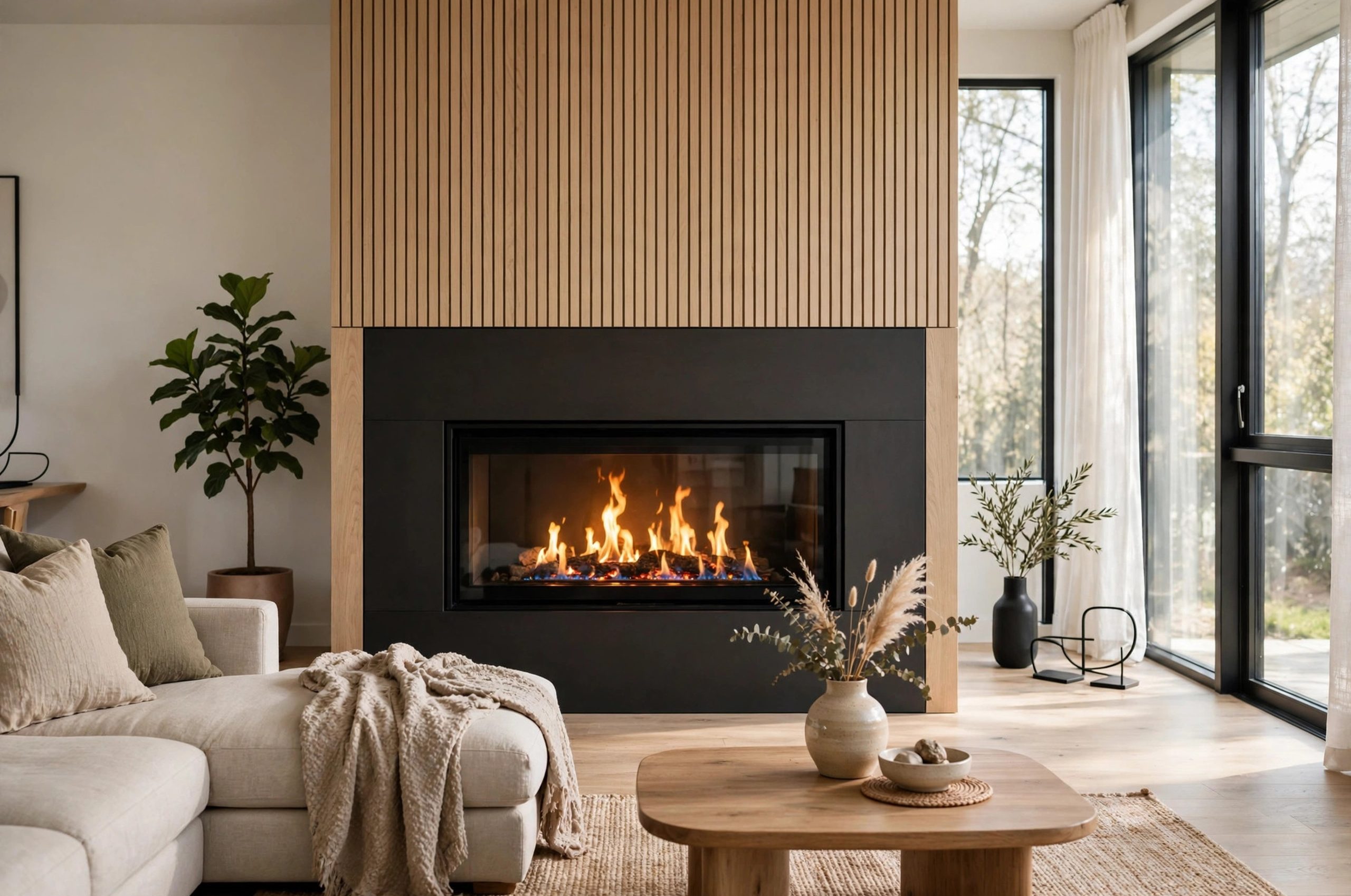
A ventless fireplace does not need a chimney vent. That is the whole idea behind it. The burner is built to burn natural gas or propane so cleanly that no flue is required. All of the heat stays in the room instead of going up a chimney. That is why people pick them for rooms with no chimney at all. This guide covers do ventless fireplaces need a chimney in plain steps.
But there is more to the story. A ventless fireplace still needs fresh air, and it still needs to be used the right way. Some states and cities do not allow them. Some rooms are not good places for them. Let us walk through how they work, what the rules are, and how to keep your home safe if you buy one.
Do Ventless Fireplaces Need a Chimney: What "Ventless" Really Means
When it comes to do ventless fireplaces need a chimney, getting the details right makes all the difference.
When it comes to do ventless fireplaces need a chimney, getting the details right makes all the difference.
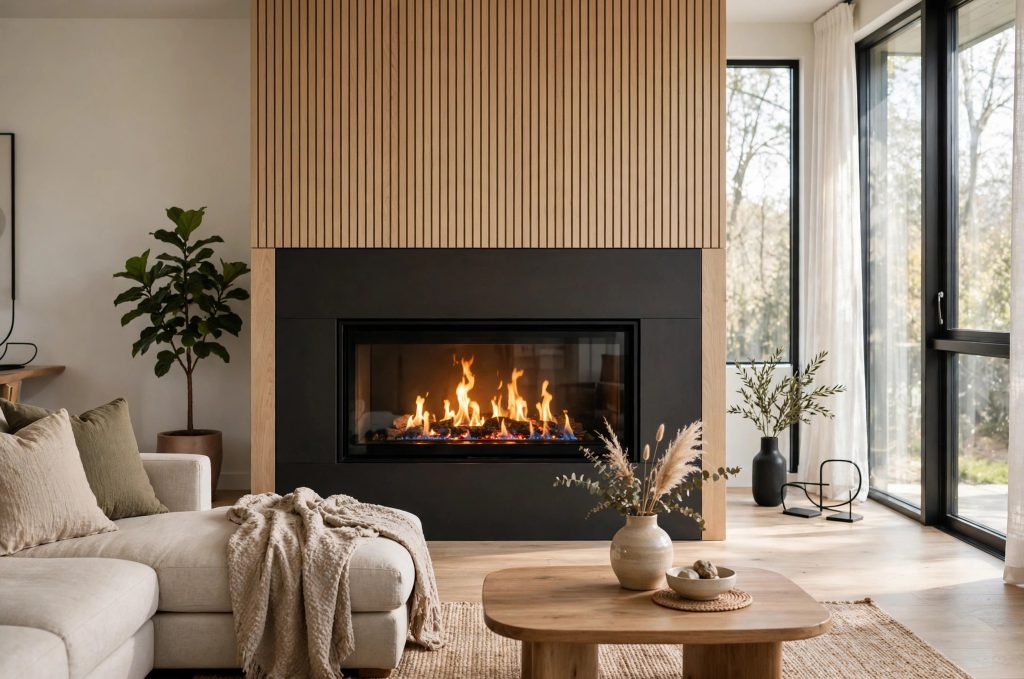
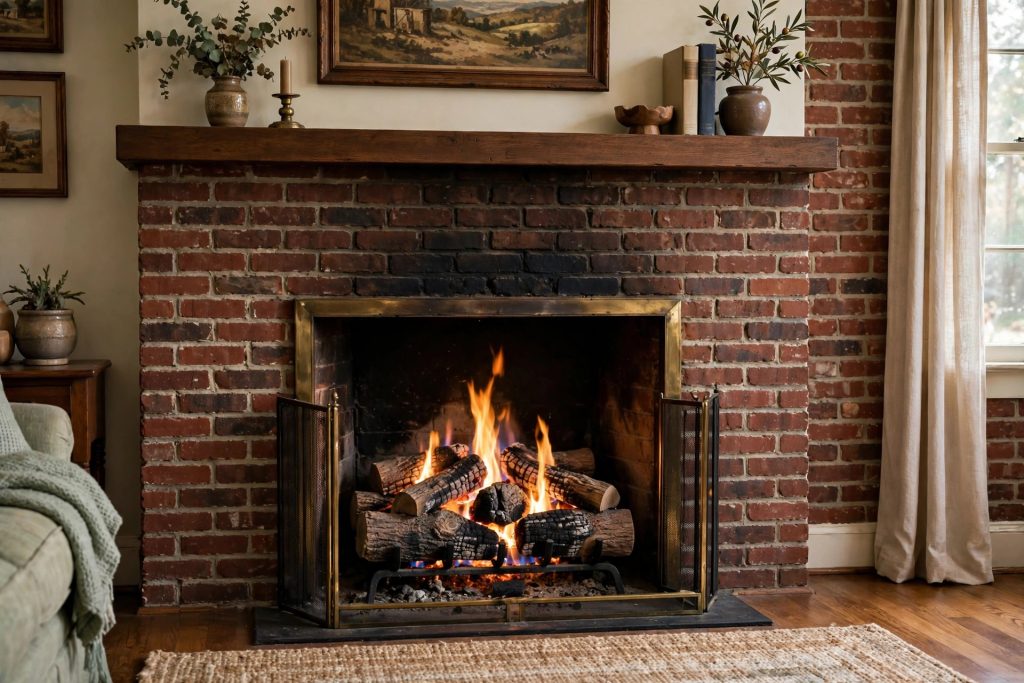
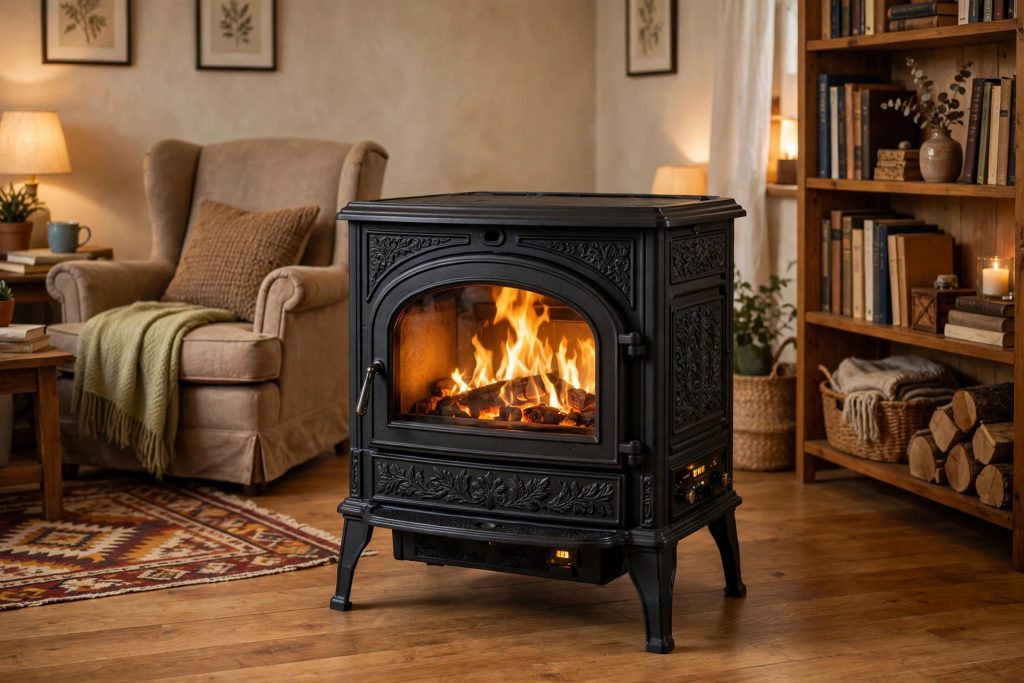
Many homeowners find that do ventless fireplaces need a chimney is easier than they expected once they know the basics.
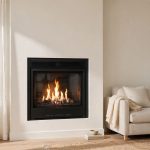
The word "ventless" means the fire has no pipe to the outdoors. A normal wood fireplace sends smoke, heat, and fumes up the chimney. A vented gas fireplace does the same thing through a flue or a direct vent pipe. A ventless gas fireplace has none of that. It sits right in the room and burns gas with a special burner.
The burner mixes gas with room air and burns it at close to full efficiency. Almost all of the fuel turns into heat, carbon dioxide, and water vapor. Only very small amounts of other gases are left. That clean burn is why no chimney or external venting is needed. Because of this, the maker does not design the unit to connect to a chimney. You do not need a flue. You do not need a vent pipe through the wall. You do not need a chimney liner. The unit is complete as it stands, and that is one reason people like it. Installation costs far less than building a chimney.
This is not the same as "no air needed." The fire still uses the air in the room to burn. The manuals for these units say they need fresh air to run right. In a tight modern home, that can matter. The fire also puts a small amount of moisture and gases back into the room. So "no chimney" does not mean "no care."
How a Ventless Fireplace Burns Without a Flue
Many homeowners find that do ventless fireplaces need a chimney is easier than they expected once they know the basics.
Many homeowners find that do ventless fireplaces need a chimney is easier than they expected once they know the basics.
The key to do ventless fireplaces need a chimney is choosing the right approach for your space and budget.
A ventless fireplace uses an oxygen depletion sensor, called an ODS. This is a small safety pilot that watches the oxygen level in the room. Air normally holds about 21 percent oxygen. If the oxygen in the room drops toward 18 percent, the ODS shuts the gas off. The fire goes out before the burn gets dirty enough to make dangerous carbon monoxide. Every ventless unit sold in the United States must have this oxygen depletion sensor. It is not optional.
The burner itself is made to burn clean. The flames do not touch the logs the way they do in a vented set. That keeps the flame blue and steady, with little soot. This trade-off between flame look and heat output is the main choice shoppers face. When the burner runs as designed, the exhaust is mostly heat, carbon dioxide, and water vapor. Makers compare the exhaust to that of a gas kitchen range, which also burns room air and needs no vent.
There are limits built into the rules. Ventless units are capped in size. Most run at 40,000 BTU or less, which keeps the total exhaust low. The manual will also tell you how big the room must be for the size of the unit. A small, closed room with a large unit is not a good match. Follow the room-size rules in the manual, and never add extra logs or decorations to the burner. Extra items can cause sooting, and soot means the burn is not clean.
Do You Still Need Fresh Air or a Cracked Window?
The key to do ventless fireplaces need a chimney is choosing the right approach for your space and budget.
The key to do ventless fireplaces need a chimney is choosing the right approach for your space and budget.
With a little planning, do ventless fireplaces need a chimney can fit even a busy schedule.
Yes, in a practical sense. The ODS protects you by shutting the unit off when air runs low. But the unit is happier and safer with some air exchange. Many manuals tell you to crack a window or a door to another room while the fire runs. In older, drafty houses this happens on its own. In new, tightly sealed homes you may need to open a window a crack.
Think of it this way. The fireplace needs air in to burn, and it puts warm moist air out into the room. If no fresh air comes in, the ODS will eventually trip and the fire will shut off. That shutoff is annoying, but it is the safety system doing its job. Giving the room a little air keeps the fire steady.
What the Law Says: Ventless Is Not Allowed Everywhere
With a little planning, do ventless fireplaces need a chimney can fit even a busy schedule.
Before you start, it helps to understand how do ventless fireplaces need a chimney works in real homes.
This is the part many shoppers miss. The federal rules allow ventless gas appliances, and they are tested to a national standard for unvented room heaters. But states and cities can set their own rules, and some of them say no. California is the best-known example. Ventless gas fireplaces are not permitted there because they release combustion byproducts into the home. A few other states and many local codes also ban or limit them. If you are still deciding between the two designs, read a full vented versus ventless comparison before you buy.
Before you buy, check two things. First, call your city or county building office and ask if ventless gas appliances are allowed in your area. Second, read the manual for the exact unit you want. The manual lists room sizes, clearances, and use limits that the law expects you to follow. A licensed gas fitter can also tell you what your local code requires. A quick call up front saves a costly mistake later.
If ventless is banned where you live, a direct vent gas fireplace is the usual backup plan. Direct vent units pull air from outside and send exhaust outside through a sealed pipe. They give you real flame with a chimney-free design, and they are legal in far more places. Our guide to direct vent gas fireplaces covers what to look for if you go that route.
The Safety Gear: ODS, CO Alarms, and Common Sense
Before you start, it helps to understand how do ventless fireplaces need a chimney works in real homes.
A good plan for do ventless fireplaces need a chimney saves time, money, and frustration.
The ODS is the first line of defense. The second line is a carbon monoxide alarm in the same room as the fireplace. Safety experts urge homeowners to put CO alarms on every level of the home and outside each sleeping area, and a ventless fireplace makes this even more important. Pick an alarm with the mark of a recognized testing lab. Test it monthly. Swap the batteries on a set schedule, and replace the unit when the maker says its life is up.
Watch for warning signs that the unit is not burning right. Soot on the logs, on the glass, or on the wall above the unit means the flame is dirty. A yellow, lazy flame instead of a crisp blue one is another warning. A strong smell of gas is a red flag. If you smell gas, shut the unit off, do not light anything, and call your gas company or a pro from outside the house.
Also keep the area around the fireplace clear. The front and the glass get very hot while running, and they stay hot for a while after shutoff. Keep children and pets back. Keep drapes, furniture, and papers at the clearances the manual lists. Never run a ventless fireplace where flammable liquids or vapors are stored, and never use it to dry clothes or burn trash.
What a Ventless Fire Does Put Into the Room
A good plan for do ventless fireplaces need a chimney saves time, money, and frustration.
For most people, do ventless fireplaces need a chimney comes down to a few smart choices.
No chimney means everything the fire makes stays indoors. Most of it is heat, which is what you want. But there are two byproducts worth knowing about.
The first is water vapor. Burning gas makes moisture. In a dry winter house this can feel nice. In a tight, well-sealed house it can push humidity too high. Too much moisture can fog windows and, over time, feed mold and mildew. If your windows sweat while the fireplace runs, run it for shorter stretches and crack a window. Fire safety groups give the same winter heating and CO advice for every fuel-burning heater in the home.
The second is a small amount of combustion gases. With a clean burn these stay very low. But people with asthma, allergies, or breathing problems may feel them sooner than others. If anyone in the house has a lung condition, talk to a doctor before installing a ventless unit. Limiting run time helps. Some owners run the unit for an hour or two at a time rather than all evening.
This is also why many pros say ventless units are best as supplemental heat, not the main heat source. They are great for warming a living room on a cold night. They are not the right tool for heating a whole house around the clock.
Ventless vs. Vented: Which Fits Your Home?
For most people, do ventless fireplaces need a chimney comes down to a few smart choices.
If you are new to do ventless fireplaces need a chimney, start with the simplest option and build from there.
Here is the plain comparison shoppers ask for most.
A ventless fireplace keeps nearly all its heat in the room. It costs less to install because there is no chimney, no flue, and no vent pipe. It can go in almost any room, including interior rooms with no outside wall. The flame is smaller and less natural looking, since the flames cannot touch the logs. It needs more care about air quality, moisture, and run time.
A vented fireplace sends most of its heat up the chimney, so it heats the room less. It costs more to install because it needs a chimney or vent system. It gives a fuller, more natural flame. It is legal in more places, and it does not add moisture to the room.
Which one wins? It depends on your house. No chimney and a tight budget point toward ventless, if your local code allows it. A strong wish for realistic flame and the cleanest indoor air points toward vented. Many owners with an old wood fireplace take a middle path: a ventless gas insert dropped into the old firebox. You close the old damper, keep all the heat in the room, and skip the chimney work. That is one of the most common uses of ventless technology.
If you keep your old chimney in service instead, remember that a good cap keeps rain and animals out. Our chimney cap buying guide explains the options.
Installing a Ventless Fireplace the Right Way
If you are new to do ventless fireplaces need a chimney, start with the simplest option and build from there.
When it comes to do ventless fireplaces need a chimney, getting the details right makes all the difference.
Start with the manual and the local code. Size the unit to the room using the maker's chart. Check the clearances to walls, mantels, and floors. Keep the gas line work to a licensed pro. Gas is not a do-it-yourself job.
Place the unit where air can move. Do not box it into a tiny alcove with no air path. Keep a carbon monoxide alarm in the room before the first lighting. On first use, expect a little smell. New units burn off factory coatings and dust, and the manuals warn that a slight smoke or odor at first startup is normal. Open a window during the first few runs. If the smell does not fade after a few uses, shut it down and call a pro.
Register the product if the maker offers it, and keep the manual where you can find it. The troubleshooting section in the back answers most common problems, from a pilot that will not stay lit to a unit that shuts off on its own. For older wood-burning setups, a yearly fireplace and chimney inspection by a certified sweep is the matching habit to build.
If you would rather not handle the gas work yourself, a fireplace installation service can set the unit, check the gas line, and test the ODS so you start safe.
When a Ventless Fireplace Is Not the Answer
When it comes to do ventless fireplaces need a chimney, getting the details right makes all the difference.
Many homeowners find that do ventless fireplaces need a chimney is easier than they expected once they know the basics.
Skip ventless if your state or city bans it. Skip it if someone in the home has serious asthma or a lung disease and the doctor says no. Skip it for bedrooms in some areas, since local rules often limit where unvented heaters can go. And skip it if you want a fire you can run all day and night. Ventless units are made for shorter runs with breaks.
Also think twice if your home is very tight and you have no easy way to add fresh air. A brand-new, well-sealed house with no air leaks can trip the ODS often. That means the unit will shut itself off again and again. In that case a direct vent unit, which uses outside air, will treat you better.
Moving the Heat Around
Many homeowners find that do ventless fireplaces need a chimney is easier than they expected once they know the basics.
The key to do ventless fireplaces need a chimney is choosing the right approach for your space and budget.
One more tip for owners. Ventless units put out a lot of heat in one spot. A heat-powered stove fan can push that warm air into the rest of the room without using power. It sits on or near the unit and runs on heat alone. It will not fix a room that is too small for the unit, but it can even out hot and cold spots.
The Short Answer
The key to do ventless fireplaces need a chimney is choosing the right approach for your space and budget.
Do ventless fireplaces need a chimney vent? No. They are built to burn without one. They still need room air, a working oxygen depletion sensor, a carbon monoxide alarm, and respect for local law. Check your code, size the unit to the room, keep run times modest, and give the room a little fresh air. Do those things and a ventless fireplace can be a safe, low-cost way to add real fire to a room that has no chimney. With these steps, do ventless fireplaces need a chimney stays simple and safe.
References
With a little planning, do ventless fireplaces need a chimney can fit even a busy schedule.
Angi. (n.d.). Vented vs. ventless fireplaces: Which should you choose to heat your home? https://www.angi.com/articles/how-choose-between-vented-or-ventless-fireplaces.htm
Engineer Fix. (n.d.). Do propane fireplaces need a chimney? https://engineerfix.com/do-propane-fireplaces-need-a-chimney/
Flame Authority. (n.d.). Vent free gas fireplaces: Frequently asked questions. https://flameauthority.com/collections/vent-free-gas-fireplaces
Heater Guides. (n.d.). Vented gas fireplace vs ventless gas fireplace at a glance. https://heaterguides.com/comparing-vented-and-ventless-gas-fireplaces/
International Association of Certified Home Inspectors. (n.d.). How to inspect fireplaces, stoves, and chimneys: Student course material. https://education.nachi.org/coursemedia/course-153/documents/Student-Course-Material.pdf
Kidde. (n.d.). Winter fire and carbon monoxide safety tips. Men's Journal. https://www.mensjournal.com/news/winter-fire-carbon-monoxide-safety-tips-exclusive
Modern Blaze. (n.d.). Indoor ventless fireplaces FAQs. https://modernblaze.com/pages/indoor-ventless-fireplaces-faqs
AARP. (n.d.). New warning for carbon monoxide detectors sold on Amazon. https://www.aarp.org/home-living/carbon-monoxide-detectors-warning/
Before you start, it helps to understand how do ventless fireplaces need a chimney works in real homes.
A good plan for do ventless fireplaces need a chimney saves time, money, and frustration.
For most people, do ventless fireplaces need a chimney comes down to a few smart choices.
Was this guide helpful?

About My Garden US
The My Garden US editorial team writes practical, in-depth home and garden guides for American homeowners — tested advice, no fluff.