---
Table of Contents
Table of Contents
- Firewood Burns Cleanest in Home Fireplaces: What "Burns Cleanest" Means
- The Cleanest Hardwoods
- The Role of Seasoning
- Softwoods: Useful but Not Cleanest
- Woods to Avoid Indoors
- Manufactured Logs
- How to Burn for the Cleanest Fire
- Buying Firewood: What to Ask
- Storing Firewood Indoors
- The Cleanest Burn, Summarized
- References
Not all firewood burns the same. Some logs give tall, hot flames and leave little behind. Others smoke, pop, and coat your chimney with creosote. If you want a clean burn in a home fireplace, the wood you choose matters as much as how you burn it. This article explains firewood burns cleanest in home fireplaces in simple terms.
The short answer: dry, seasoned hardwood burns cleanest. Oak, hickory, ash, maple, and beech sit at the top of the list. They are dense, they hold little water once seasoned, and they burn hot with little smoke. Softwoods like pine have their uses, but they are not the cleanest choice for an indoor fireplace. Let us look at why, and how to pick and prepare wood for the cleanest possible fire.
Firewood Burns Cleanest in Home Fireplaces: What "Burns Cleanest" Means
When it comes to firewood burns cleanest in home fireplaces, getting the details right makes all the difference.
When it comes to firewood burns cleanest in home fireplaces, getting the details right makes all the difference.
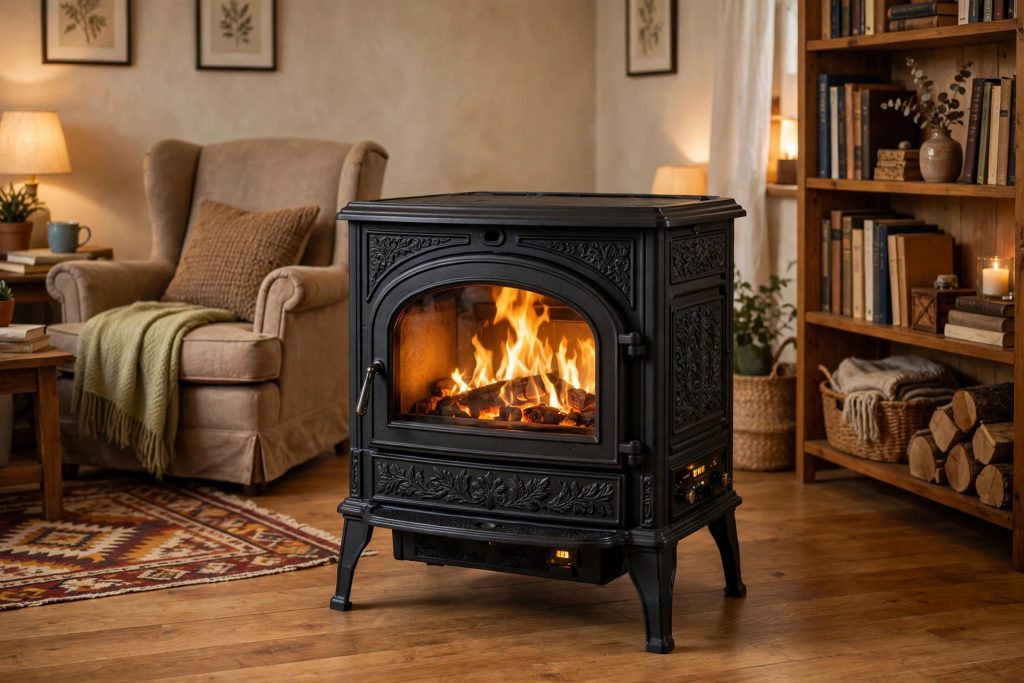
Many homeowners find that firewood burns cleanest in home fireplaces is easier than they expected once they know the basics.
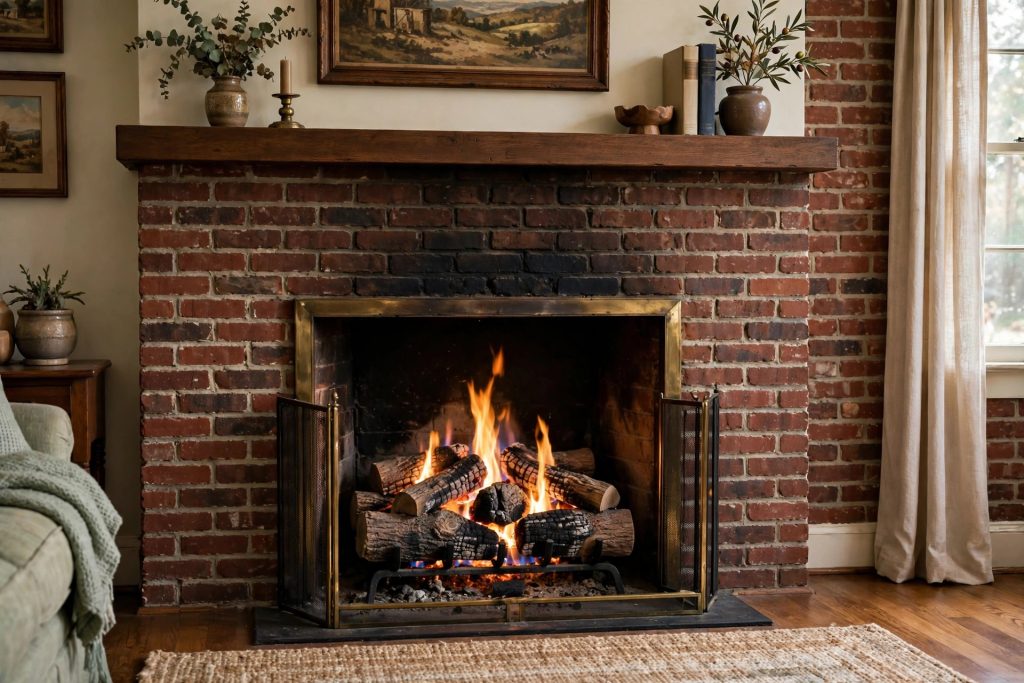
A clean burn has three traits. The fire makes good heat with little smoke. It leaves little creosote on the chimney walls. And it burns down to fine ash without a lot of half-burned chunks. Smoke is the visible sign of incomplete burning. The more smoke, the more unburned fuel is going up the flue, and the more creosote sticks to the chimney. Clean wood and hot fires keep smoke low.
Two things decide how clean a wood burns: its density and its dryness. Dense wood packs more fuel into each log, so it burns longer and hotter. Dry wood puts its energy into heat instead of boiling off water. A dry hardwood log is the gold standard. A wet log of any species is a smoke machine.
The Cleanest Hardwoods
Many homeowners find that firewood burns cleanest in home fireplaces is easier than they expected once they know the basics.
Many homeowners find that firewood burns cleanest in home fireplaces is easier than they expected once they know the basics.
The key to firewood burns cleanest in home fireplaces is choosing the right approach for your space and budget.
These are the top picks for clean indoor burning. All should be split and seasoned before use.
Oak is the classic fireplace wood. White oak and red oak both rank near the top of heat charts, giving roughly 24 to 26 million BTUs per cord. Oak burns long, makes steady heat, and leaves good coals. It takes a while to season, so plan ahead. Once dry, it burns with little smoke and very little creosote buildup.
Hickory burns even hotter than oak, near 28 million BTUs per cord, and it smells wonderful. It is harder to split, but it is one of the cleanest-burning woods you can buy. Shagbark hickory is the common firewood species.
Ash is a favorite for a practical reason: it seasons faster than oak and burns well even when not perfectly dry, though seasoned is still better. White ash gives about 24 million BTUs per cord and splits easily. It makes a clean, steady flame with little smoke.
Hard maple, including sugar maple, burns long and hot with little smoke. It is dense and heavy, and it seasons well. Fruit woods like apple and cherry burn clean and smell great, though they are harder to find in bulk and cost more.
A BTU-ranked firewood chart confirms the order: dense hardwoods like hickory, oak, and locust sit at the top, while light softwoods sit far below. As that guide notes, moisture matters more than species, but among dry woods, the dense hardwoods win on clean heat.
The Role of Seasoning
The key to firewood burns cleanest in home fireplaces is choosing the right approach for your space and budget.
With a little planning, firewood burns cleanest in home fireplaces can fit even a busy schedule.
Here is the truth experienced burners know: dryness beats species. A dry pine log burns cleaner than a wet oak log. Fresh-cut wood can hold 60 percent water by weight. Burning it means boiling off all that water first, which cools the fire, makes thick smoke, and lays creosote down fast.
Seasoned wood should read under 20 percent moisture on a meter. You can also judge by feel and look. Seasoned logs feel light for their size. The cut ends show cracks radiating from the center. The bark may be loose. Two pieces knocked together sound hollow, not dull. Wet wood hisses in the fire and looks dark and heavy.
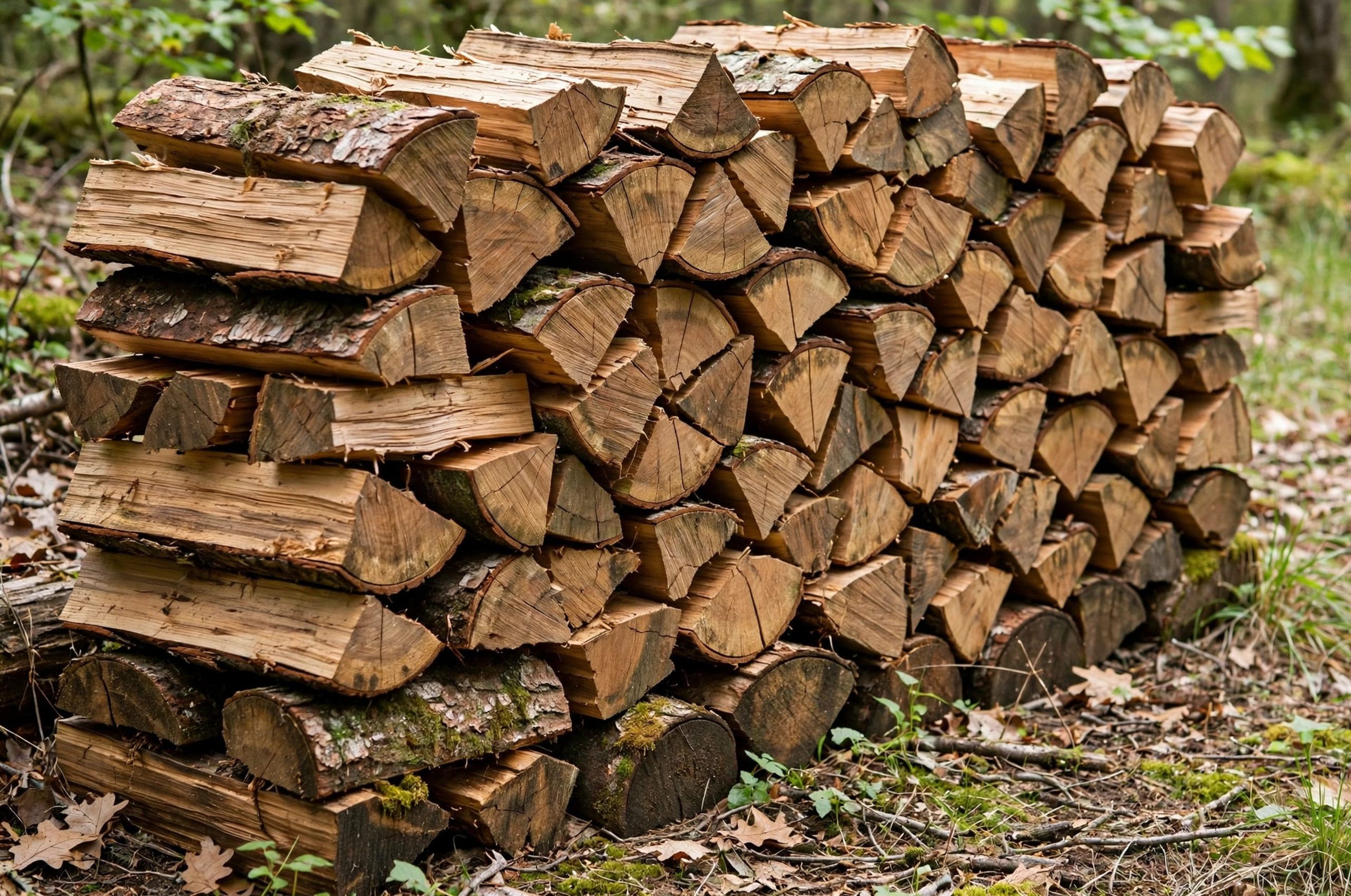
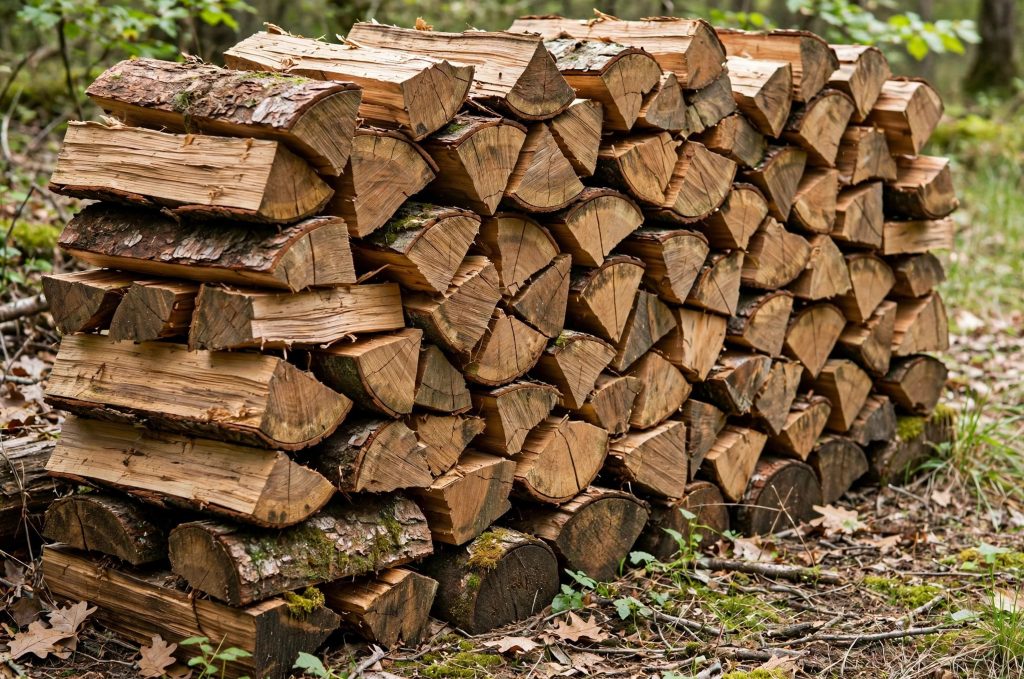
Seasoning takes time. Softwoods may dry in months. Dense hardwoods like oak need a full season or more under cover. Split the wood to speed drying, stack it off the ground, cover the top only, and leave the sides open to the air. A firewood storage shed with a roof and open sides is the ideal setup. The heating properties of different species show why this matters: green wood can give off less than half the energy of dry wood, because so much heat goes into boiling off water.
Softwoods: Useful but Not Cleanest
With a little planning, firewood burns cleanest in home fireplaces can fit even a busy schedule.
Before you start, it helps to understand how firewood burns cleanest in home fireplaces works in real homes.
Pine, spruce, fir, and cedar are softwoods. They light fast, split easy, and cost less in many regions. They also burn faster, give less heat per cord, and carry more resin. That resin and the faster, cooler burn make more smoke and more creosote than hardwood.
That does not make softwood useless. It makes excellent kindling. Start the fire with dry softwood to get the flue hot fast, then switch to hardwood for the long burn. In the West, where hardwoods are scarce, dry pine and fir heat plenty of homes. The key is the same: burn it dry and burn it hot. As one firewood guide explains, a little softwood for starting plus hardwood for the main burn is the perfect mix for most folks.
Woods to Avoid Indoors
Before you start, it helps to understand how firewood burns cleanest in home fireplaces works in real homes.
A good plan for firewood burns cleanest in home fireplaces saves time, money, and frustration.
Some woods should stay out of the home fireplace. Green or wet wood of any kind tops the list. It smokes, gives little heat, and coats the chimney. Painted, stained, or pressure-treated lumber releases toxic chemicals and can damage the flue. Plywood and particle board have glues that burn dirty. A best-and-worst wood rundown from a chimney service puts pine and spruce in the outdoor-only column for the same reason: their sap-heavy smoke builds creosote fast indoors.
Poisonous plants are a real danger too. Never burn oleander, poison sumac, or poison ivy. Their smoke can carry irritants that harm lungs badly. Stick to clean, untreated firewood and your indoor air stays far healthier.
Take your time with firewood burns cleanest in home fireplaces and the result will last.
Manufactured Logs
A good plan for firewood burns cleanest in home fireplaces saves time, money, and frustration.
For most people, firewood burns cleanest in home fireplaces comes down to a few smart choices.
Compressed logs made from sawdust are a clean-burning option for open fireplaces. They are very dry, so they light easy and burn with little smoke. They give less heat than a cord of oak, but for an evening fire in a fireplace that is mostly for looks, they work well. Buy plain logs with no added chemicals or scents. Wax-heavy novelty logs can burn dirty.
How to Burn for the Cleanest Fire
For most people, firewood burns cleanest in home fireplaces comes down to a few smart choices.
The wood is half the story. The other half is how you burn it. Build small, hot fires with good air flow. Open the damper fully and let the flue warm up before settling the fire down. A hot flue keeps smoke from condensing into creosote on the walls.
Do not overload the firebox and choke the air. Do not damp the fire down to smolder all night. Smoldering is the dirtiest way to burn. It is better to burn a smaller load hot than a big load starved of air. Extension fire-safety educators make the same point: proper cleaning and hot, seasoned-wood fires prevent most chimney fires.
Keep the wood off the ashes. A grate holds logs up so air can reach them from below. Leave an inch or two of ash to help the next fire start, but clear the excess.
A fireplace manual from a major maker says the same: start with softwood to bring the fireplace up to temperature and set the draft, then add hardwood for slow, even heat. Wet wood, it warns, is the cause of most fireplace problems owners run into.
Buying Firewood: What to Ask
If you are new to firewood burns cleanest in home fireplaces, start with the simplest option and build from there.
Buy from a local seller and ask three questions. What species is it? When was it cut and split? Has it been covered? Honest sellers know their wood. Be wary of anyone selling "seasoned" wood that was cut last month. Oak cut last month is not seasoned, no matter what the ad says. A quick guide to choosing firewood covers the same checklist: hardwood over softwood for heat, seasoned over green, and a moisture meter to settle the question.
Buy ahead. The best time to buy is well before burning season, so the wood finishes drying in your own stack. A moisture meter is cheap and ends all arguments. Test a fresh-split face, not the old ends. If it reads over 20 percent, stack it and wait.
Watch for the cord math too. A full cord is a stack 4 feet high, 4 feet deep, and 8 feet long. Many sellers sell face cords or ricks, which are smaller. Know what you are paying for.
Storing Firewood Indoors
When it comes to firewood burns cleanest in home fireplaces, getting the details right makes all the difference.
Keep only a day or two of wood inside the house. A full woodpile indoors brings in bugs and moisture. An indoor firewood holder by the hearth keeps the evening's logs tidy and off the floor. For style points, upscale log holders do the same job with better looks. Store the main pile outside, covered on top and open on the sides.
The Cleanest Burn, Summarized
Many homeowners find that firewood burns cleanest in home fireplaces is easier than they expected once they know the basics.
Burn dry, seasoned hardwood. Oak, hickory, ash, and maple are the cleanest common choices. Season every log under 20 percent moisture. Start fires with dry softwood kindling, then feed hardwood for the long burn. Keep fires hot, not smoldering. Never burn trash, treated lumber, or poisonous plants. Sweep the chimney on schedule.
Do those things and your fireplace will give you bright heat, little smoke, and a chimney that stays far cleaner between sweeps. That is all it takes to handle firewood burns cleanest in home fireplaces with confidence.
References
Barn Owl Garden Center. (n.d.). Firewood: A complete guide. https://barnowlgarden.com/post/firewood-a-complete-guide/
Executive Tree Care. (n.d.). What to look for when choosing firewood: A quick guide. https://www.executivetreecare.com/what-to-look-for-when-choosing-firewood-a-quick-guide/
Heatilator. (n.d.). Wood fuel: Hardwood vs softwood. http://manualsdump.com/en/manuals/heatiator-cr36d-cl36d/37359/10
Modern Survival Blog. (n.d.). Firewood BTU chart: BTU per cord by wood species. https://modernsurvivalblog.com/alternative-energy/best-wood-for-heating/
SureGlow Chimney & Fireplace Services. (n.d.). The best and worst types of wood for your fireplace. https://sureglowstoveandchimney.com/best-vs-worst-wood/
ThoughtCo. (n.d.). Heating properties of firewood by tree species. https://www.thoughtco.com/heating-properties-firewood-by-tree-species-1342848
Tree Journey. (n.d.). 10 slowest burning firewoods (and how long they last). https://treejourney.com/slowest-burning-firewoods-and-how-long-they-last/
Was this guide helpful?

About My Garden US
The My Garden US editorial team writes practical, in-depth home and garden guides for American homeowners — tested advice, no fluff.
You May Also Like
Top Rated Fireplace Installation Services Reviews: A Homeowner's Guide
August 29, 2026 0 views
Luxury Fireplace Ash Buckets With Free Shipping
August 20, 2026 2 views
Buy Tile Fireplace Surrounds Online in Colorado
May 25, 2026 0 views