Table of Contents
Table of Contents
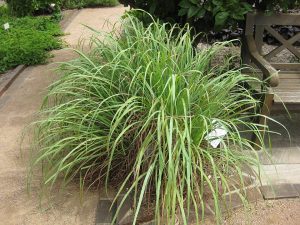
Photo: Wikimedia Commons
Introduction
When it comes to how to grow betony, getting the details right makes all the difference.

Many homeowners find that how to grow betony is easier than they expected once they know the basics.
Wood betony is the kind of plant that makes an herb border look finished. Its neat rosettes of scalloped leaves sit low and tidy all season, and in summer it sends up spikes of purple-red flowers that bees work from morning to night. This guide covers how to grow betony from seed to harvest, with timing based on your frost dates and USDA zones 4 to 8, so you can plan with confidence.
The short version: Betony suits full sun to partial shade and well-drained, average. Give each plant around 12 inches of room, and plan on about 120 to 150 days before harvest. It is a perennial, so plant it where it can do its thing undisturbed. Average garden watering keeps it happy.
This article walks through the whole process step by step - choosing stock, timing your planting, preparing soil, watering and feeding, seasonal care, harvest, and troubleshooting. By the end you will know exactly what it takes to grow it well, and why gardeners value it for its tidy rosettes, its long summer flower display, and leaves for a traditional woodland tea.
If you are new to this plant, relax. Gardeners have grown it with simple tools and plain methods for generations. Follow the timing, give it the soil and water described below, and you will harvest a crop you can be proud of.
Choosing a Variety
Many homeowners find that how to grow betony is easier than they expected once they know the basics.
The key to how to grow betony is choosing the right approach for your space and budget.
Seed is the usual way to start betony, and most packets are simply labeled wood betony or Stachys officinalis. There is also a white-flowered form sold as 'Alba' that brightens partly shaded corners. Either way, buy from a herb seed house rather than a wildflower mix so you know exactly what you are getting.
Gardeners use two routes with this plant: indoor-started seedlings or direct sowing. Pick the one that fits your season length.
Read the packet before you fall for the picture. Check that the days to harvest fit your season, and look for any mention of disease resistance. Fresh seed from a reputable house beats a bargain-bin packet every time - old seed is the quiet cause of many failed plantings. For variety details and photos, browse the Missouri Botanical Garden's plant profiles.
When and How to Plant
The key to how to grow betony is choosing the right approach for your space and budget.
With a little planning, how to grow betony can fit even a busy schedule.
Start seeds indoors six weeks after your last spring frost; set the young plants out right around your last spring frost; or sow directly outdoors right around your last spring frost. Your county office can confirm local frost dates - ask the cooperative extension service - and our planting calendar turns them into a sowing schedule.
Wood betony is a tidy perennial for the herb border. Sow seed in place or set out divisions 12 inches apart in full sun to part shade and well-drained soil. It forms neat rosettes of scalloped leaves with 18-inch spikes of purple-red flowers. Average soil is fine - it dislikes both waterlogging and bone-dry spots.
Starting Seeds Indoors
Fill clean containers with moist seed-starting mix and sow at the depth given above. Warmth matters more than light until sprouts appear. Once they are up, give them strong light so stems stay stocky, and move them outdoors gradually over several days.
Direct Sowing
Rake the bed smooth, sow at the right depth, and water gently so seed does not wash away. Keep the top inch of soil moist until germination. A light row cover holds moisture in and keeps birds and flea beetles off the young seedlings.
1. Time it by frost. Work out your last spring frost date first, then count back or forward the weeks given above. Warm soil wakes seeds up fast; cold soil just sits there.
2. Prepare the bed. Clear weeds, loosen the soil, and work in compost. Rake it level so water does not pool.
3. Sow or plant. Place seed an eighth of an inch deep, spacing plants about 12 inches apart. Firm the soil gently so seed meets soil.
4. Water in well. Soak the bed after planting, then keep it evenly moist until seedlings are up and growing.
5. Thin or space. If seedlings crowd, thin to the final spacing. Crowded plants compete and stay small.
6. Label and mulch. Mark the row so you do not hoe it by accident, and mulch once plants are a few inches tall.
Get the timing and spacing right and the plants largely take care of themselves from here. Most failures trace back to sowing too early or too deep, so honor the frost dates and the depth. Compare notes with the Old Farmer's Almanac if you want a second opinion.
Soil and Sun
With a little planning, how to grow betony can fit even a busy schedule.
Before you start, it helps to understand how how to grow betony works in real homes.
Site it for full sun to partial shade. Morning sun with a break from the harshest afternoon heat suits it well in warm regions, while cooler climates can give it the brightest spot available. If a bed stays shady past mid-morning, pick another one.
It grows best in well-drained, average. Dig in a few inches of compost before planting; compost fixes both sandy soil that dries too fast and clay that stays too wet. If you are unsure what you have, squeeze a handful of damp soil - good garden loam holds together loosely and crumbles when poked.
Once plants are up, a layer of organic mulch keeps roots cool and cuts watering chores. Replenish it as it breaks down; the rotted remains feed the soil for next season. For the botanical details on this species, the USDA plant database lists its native range and needs, and the USDA National Agricultural Library carries plain-language soil guidance.
Watering and Feeding
Before you start, it helps to understand how how to grow betony works in real homes.
A good plan for how to grow betony saves time, money, and frustration.
Plan on medium. Water deeply so moisture reaches the root zone, then let the top inch dry before watering again. Shallow daily sprinkles train roots to stay near the surface, where heat and drought hit hardest.
This is not a heavy feeder. Compost worked in at planting plus a mid-season top-dressing carries it through. Skip the high-nitrogen fertilizers unless a soil test says you need them - too much nitrogen grows leaves, not harvest. Watering and feeding checklists from the University of Minnesota Extension are worth bookmarking.
Care Through the Season
A good plan for how to grow betony saves time, money, and frustration.
For most people, how to grow betony comes down to a few smart choices.
Water during dry spells; mulch to hold moisture. Deadhead spent flower spikes to prevent self-seeding and encourage a second flush. Divide crowded clumps every three or four years. Few pests bother it. Cut back ragged foliage to keep the rosette attractive through the season.
> Grower's tip: Deadhead to prolong the pink-purple flower spikes and tidy the rosette. Drought tolerant once its roots are established.
Weed early and weed often while plants are small. Once the canopy closes, weeds lose their chance, but a weed that gets a head start steals water and light all season. A hoe on a dry afternoon, ten minutes a week, keeps beds clean.
Gardeners who grow betony often grow Yarrow, Motherwort, Chamomile in the same bed or nearby - they share similar needs and the harvests complement each other.
Keep notes. Jot down sowing dates, what worked, and what failed. Next season that notebook is worth more than any gardening book. For pest ID photos and seasonal task lists, see the plant guides at Gardenia.net.
Harvest
For most people, how to grow betony comes down to a few smart choices.
If you are new to how to grow betony, start with the simplest option and build from there.
Harvest the leaves and flowering tops just as the blooms open, and dry them for the traditional woodland tea. Take modest amounts from each plant so the clump stays vigorous. Pro tip: betony's dense rosettes make a fine edging plant - harvest from the back of the row and let the front show flowers.
Do not wait for perfection. Most crops have a harvest window, not a harvest moment, and picking a little early beats picking too late. Regular picking also signals many plants to keep producing.
Store the harvest properly and it pays you for weeks. Cool, dark, and airy suits most crops; the exact setup depends on what you grew. Storage and curing charts at Clemson HGIC are worth printing out.
Common Mistakes to Avoid
If you are new to how to grow betony, start with the simplest option and build from there.
When it comes to how to grow betony, getting the details right makes all the difference.
Here are the mistakes that trip up beginners with this crop. None of them is hard to avoid once you know what to watch for.
- Planting at the wrong time. Frost dates are not suggestions. Seed sown into cold soil rots or sits, and seedlings set out too early stall for weeks. Count your weeks from the last spring frost and trust the math.
- Sowing too deep. Small seed buried too far never emerges. Sow an eighth of an inch deep - barely covering tiny seed is usually right - and press it into firm contact with moist soil.
- Crowding the plants. It is tempting to squeeze in extra, but 12-inch spacing exists for a reason. Crowded plants compete for light and water, stay small, and catch disease faster.
- Watering wrong. Both extremes hurt: soggy soil rots roots and invites disease, while drought stress at the wrong moment ruins the harvest. medium is the target - learn what that feels like in your soil.
- Giving up too soon. Slow germination is normal for this plant. Keep the bed moist and give it the full expected time before you declare the sowing a failure and start over.
Troubleshooting
When it comes to how to grow betony, getting the details right makes all the difference.
Many homeowners find that how to grow betony is easier than they expected once they know the basics.
Common Pests
The pest list here is short: aphids on tender tips, slugs in wet weather, and the odd caterpillar. Inspect leaf undersides weekly. Row covers exclude most chewing pests without a drop of spray, and removing infested leaves early keeps small problems small.
Common Problems
Rots start where water sits - improve drainage and keep mulch off crowns and stems. Leaf spots are mostly cosmetic; pick off bad leaves and give plants room to breathe. If a plant fails two seasons running, believe it: the site or climate is wrong, and your energy is better spent on something suited to your garden.
When in doubt, take a sample to your local cooperative extension office or browse the diagnostic photos at the Lady Bird Johnson Wildflower Center - a correct ID beats a guess every time.
References
Many homeowners find that how to grow betony is easier than they expected once they know the basics.
The key to how to grow betony is choosing the right approach for your space and budget.
Missouri Botanical Garden. (n.d.). Plant finder. https://www.missouribotanicalgarden.org/
Old Farmer's Almanac. (n.d.). Planting calendar. https://www.almanac.com/planting-calendar
Clemson University Cooperative Extension. (n.d.). Home and garden information. https://clemson.edu/extension/
Old Farmer's Almanac. (n.d.). Gardening advice and planting guides. https://www.almanac.com/
U.S. Department of Agriculture. (n.d.). PLANTS database. https://plants.usda.gov/home
Was this guide helpful?

About My Garden US
The My Garden US editorial team writes practical, in-depth home and garden guides for American homeowners — tested advice, no fluff.