Summer savory is the bean herb - the classic seasoning for green beans, lentils, and soups, with a warm peppery bite that tastes like a cross between thyme and marjoram. It is a fast, easy annual that goes from seed to harvest in about two months, and it asks for almost nothing. If you want to learn how to grow summer savory, here is the whole method: sow after frost in full sun, pinch the tips to keep it bushy, and harvest before it flowers.
Table of Contents
Table of Contents
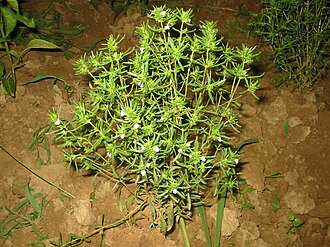
Summer savory (Satureja hortensis) grows everywhere as a tender annual - zones 2 through 11 - completing its life in one season regardless of climate. It matures in 60 to 70 days, dislikes transplanting, and has almost no pest problems. For a first herb garden, it is one of the safest bets you can plant.

Photo: Wikimedia Commons
Getting Started
When it comes to how to grow summer savory, getting the details right makes all the difference.

Many homeowners find that how to grow summer savory is easier than they expected once they know the basics.
Buy seed - plants are rarely sold, and seed is cheap and reliable. Summer savory seed is small; sow it a quarter inch deep and keep the seedbed moist until seedlings appear. Because the plant dislikes transplanting, direct sow where it will grow rather than starting indoors. One packet sows a generous patch.
Choose a sunny spot in the herb bed or vegetable garden. Summer savory is compact - about 18 inches tall - so it fits at the front of beds, along path edges, or in containers on a sunny patio. It also makes a fine companion in the vegetable rows; old gardeners swore it improved the flavor of beans grown nearby, and it certainly attracts pollinators when it blooms. The Missouri Botanical Garden plant finder describes its habit and needs, and Gardenia.net has practical growing notes.
Plan for succession. A single sowing gives you one flush of plants that fade after blooming. Sow a second patch a month after the first, and you will have fresh savory all summer instead of a gap. Mark your sowings with the date on a plant label - it is easy to lose track of which patch is which once everything is green and growing.
When and How to Plant
Many homeowners find that how to grow summer savory is easier than they expected once they know the basics.
The key to how to grow summer savory is choosing the right approach for your space and budget.
Direct sow after all danger of frost has passed - about a week after your last spring frost date. Summer savory is tender; a late frost kills seedlings outright. Check your zone's frost date on our planting calendar and wait for settled warm weather.
Sow seeds a quarter inch deep in rows or patches, then thin seedlings to 6 inches apart. That spacing looks generous for such small seedlings, but savory bushes out fast once pinched. Keep the seedbed evenly moist until germination, which takes a week or two in warm soil. In cold soil, seed sits and rots - another reason to wait for real spring warmth.
You can also start seed indoors about four weeks before the last frost and transplant carefully, but direct sowing is simpler and the plants establish better. If you do transplant, move seedlings with the soil ball intact and water them in well - disturbed roots set the plant back.
Soil and Sun
The key to how to grow summer savory is choosing the right approach for your space and budget.
With a little planning, how to grow summer savory can fit even a busy schedule.
Full sun - six or more hours of direct light - for the strongest flavor. Summer savory grows in average to poor soil and actually tastes stronger in lean ground; rich, overfed soil gives bland, leggy plants. This is the herb for the unimproved corner of the garden. Good drainage matters more than fertility; soggy soil rots it.
Do not over-amend the bed. A little compost is fine, but skip the heavy feeding you would give vegetables. Slightly alkaline to neutral soil suits it; it is not fussy. In containers, use a basic potting mix with extra drainage - no rich, moisture-holding blends. The Clemson HGIC herb pages and University of Minnesota Extension both cover lean-soil herb culture.
Watering and Feeding
With a little planning, how to grow summer savory can fit even a busy schedule.
Before you start, it helps to understand how how to grow summer savory works in real homes.
Water moderately. Keep the seedbed moist until plants are established, then water when the top inch of soil dries out. Established summer savory tolerates short dry spells without complaint - in fact, slight dryness concentrates the flavor. Avoid constant sogginess, which is the main way gardeners kill it.
Feed little or not at all. In average garden soil, summer savory needs no fertilizer. If plants look pale and stunted in truly poor ground, a single light feeding of balanced fertilizer helps, but most years you can skip feeding entirely. Overfed savory grows soft and loses the peppery punch you planted it for. The Old Farmer's Almanac herb guides keep feeding advice appropriately minimal.
Pinching and Care Through the Season
Before you start, it helps to understand how how to grow summer savory works in real homes.
A good plan for how to grow summer savory saves time, money, and frustration.
Pinch early and often - this is the key technique. When plants reach about 6 inches tall, pinch out the growing tips. This forces side branches and turns one lanky stem into a bushy plant with many harvestable sprigs. Pinch again every few weeks through early summer. Unpinched plants grow one tall stem, bloom early, and quit.
Weed gently around young plants; savory seedlings are small and easily overwhelmed. A light mulch of straw keeps weeds down and soil moisture steady, but keep it from burying the stems. The plant has few pest problems - occasional aphids wash off with water. Letting some plants bloom feeds bees and beneficial insects, though flowering signals the end of prime leaf harvest on those stems.
Watch for overcrowding as the season progresses. Plants sown thickly compete for light and air, growing tall and sparse instead of bushy. If your patch looks crowded by midsummer, thin out the weakest plants - use the thinnings in the kitchen - and give the rest room to branch. Good airflow also keeps the foliage dry, which is the simplest disease prevention there is. In humid regions, a little extra spacing pays off in healthier plants.
Summer savory shares the herb bed happily with basil and dill - all fast annuals with similar sun and water needs that you sow after frost.
Harvest and Preserving
A good plan for how to grow summer savory saves time, money, and frustration.
For most people, how to grow summer savory comes down to a few smart choices.
Harvest sprigs just before the flowers open, when the peppery flavor peaks. Cut stems back by half - the plant regrows from the remaining leaves and gives you a second cutting. Morning harvest, after the dew dries, captures the most aromatic oils.
Use it fresh in bean dishes, lentil soups, stuffings, and with roasted vegetables - it is the traditional partner for green beans for good reason. For winter, dry it quickly: tie small bundles and hang in a warm, airy spot out of direct sun, then strip the leaves into jars. Dried summer savory keeps its flavor well for a year. It also freezes nicely chopped in a little water or oil.
Taste as you harvest. The flavor varies through the season - strongest just before bloom, milder after. Time your big preserving harvest for that pre-bloom peak.
For the best dried herb, harvest on a dry morning, tie stems in small bundles no thicker than your thumb, and hang them in a warm, dark, airy place - a garage or attic works. Thick bundles mold in the middle; small ones dry evenly in a week or two. When the leaves crumble easily, strip them from the stems into glass jars and store in a dark cupboard. Label the jar - dried savory looks like every other dried herb, and you will thank yourself in winter. Whole dried sprigs also make fine additions to soup bundles and bouquet garni.
If you garden in containers, summer savory is a natural - a 12-inch pot on a sunny step grows enough for a household, and pots warm faster in spring for earlier sowing. Just remember containers dry out fast; check the soil daily in hot weather and water when the top inch is dry.
Troubleshooting
For most people, how to grow summer savory comes down to a few smart choices.
If you are new to how to grow summer savory, start with the simplest option and build from there.
Leggy, floppy plants: Not enough pinching, or too much shade and nitrogen. Pinch tips regularly, give full sun, and feed less.
Seedlings dying after transplant: Root disturbance. Direct sow instead, or transplant with the soil ball intact and water well.
Bland flavor: Overfed or overwatered plants, or harvested after flowering. Grow lean, water moderately, harvest pre-bloom.
Plants fading after bloom: Normal - it is an annual finishing its life. Your succession sowing a month later carries the season.
Poor germination: Sown too early in cold soil, or seedbed dried out. Wait for warm soil and keep it moist. The USDA PLANTS Database lists the species background, and the USDA National Agricultural Library indexes herb-growing references. Clemson Cooperative Extension covers annual herbs for Southern gardens.
Damping off (seedlings keeling over at the base): A fungal problem in cold, wet seedbeds. Sow in warm soil, do not overwater, and make sure the bed drains. Starting a fresh sowing in a better spot is faster than nursing sick seedlings.
Savory vs. winter savory confusion: The two are related but different plants - summer savory is the tender annual, winter savory the woody perennial. If a plant comes back next spring from woody stems, you have winter savory; enjoy it, but know the flavor is stronger and the plant wants different care.
References
If you are new to how to grow summer savory, start with the simplest option and build from there.
When it comes to how to grow summer savory, getting the details right makes all the difference.
Missouri Botanical Garden. (n.d.). Satureja hortensis. https://www.missouribotanicalgarden.org/
Clemson University Cooperative Extension Service. (n.d.). Annual herbs for the home garden. https://hgic.clemson.edu/
Old Farmer's Almanac. (n.d.). Growing summer savory. https://www.almanac.com/
Many homeowners find that how to grow summer savory is easier than they expected once they know the basics.
When it comes to how to grow summer savory, getting the details right makes all the difference.
Was this guide helpful?

About My Garden US
The My Garden US editorial team writes practical, in-depth home and garden guides for American homeowners — tested advice, no fluff.