
Table of Contents
Table of Contents
- Choosing a Variety
- When and How to Plant
- Timing your sowing
- Spacing, depth, and days to harvest
- Soil and Sun
- Light needs
- Building good soil
- Watering and Feeding
- Watering routine
- Feeding
- Care Through the Season
- Companions and Placement
- Harvest
- Troubleshooting
- Through the Seasons
- Spring
- Summer
- Fall and Winter
- Quick Answers
- Using the Harvest
- Keep Growing
- References
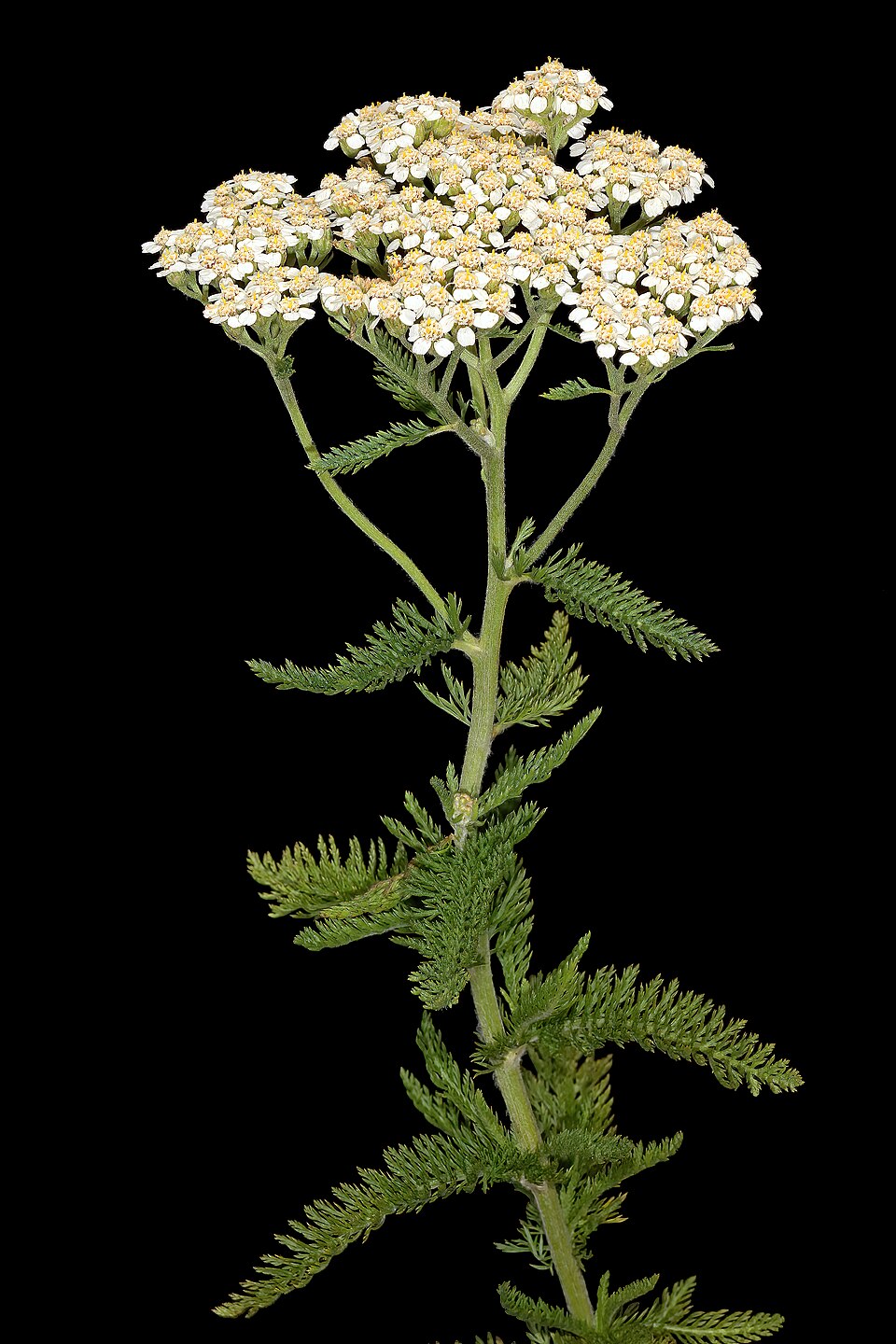
Photo: Wikimedia Commons
Yarrow is the plant for gardeners who forget to water - a tough native perennial with feathery foliage and flat-topped flower clusters in white, yellow, pink, and red that bloom for months and dry beautifully. It thrives in poor soil where fussy flowers fail, shrugs off drought, and feeds butterflies and beneficial insects all summer. Learning how to grow yarrow is mostly about restraint: poor soil, no fertilizer, and room to spread. The USDA PLANTS entry for Achillea millefolium confirms its native, drought-tough character. This guide covers sowing, the no-feed rule, deadheading for rebloom, and drying the flowers. For a quick botanical overview, see the USDA PLANTS entry for Achillea millefolium.
Choosing a Variety
When it comes to how to grow yarrow, getting the details right makes all the difference.

Many homeowners find that how to grow yarrow is easier than they expected once they know the basics.
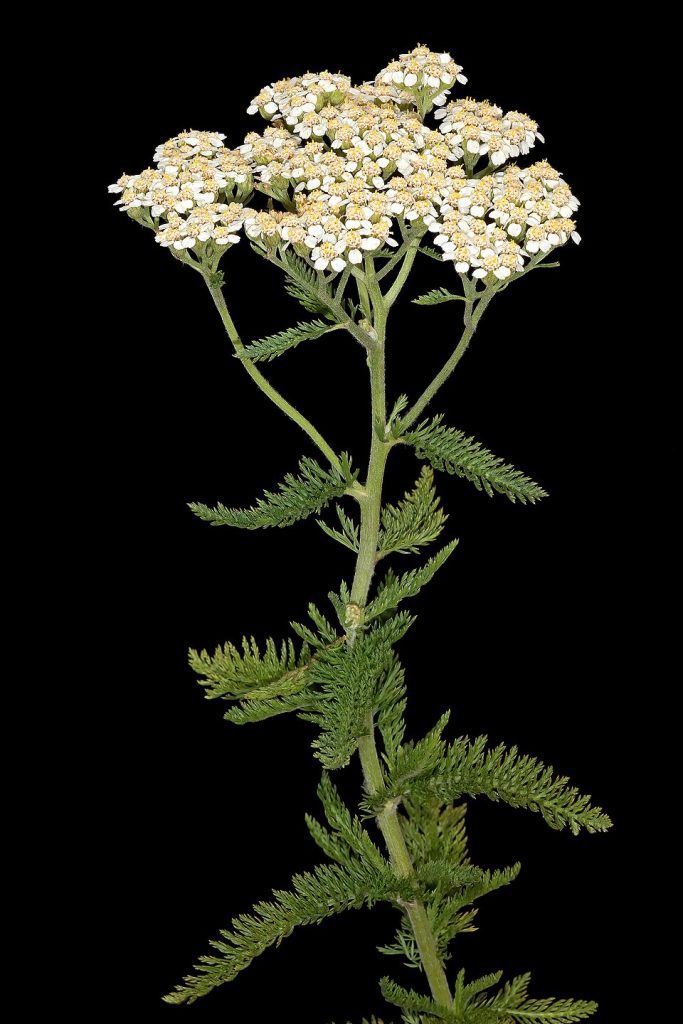
The wild white form is toughest and most vigorous; colored hybrids like Paprika (red), Moonshine (yellow), and Appleblossom (pink) are showier but sometimes shorter-lived. For a meadow or naturalized planting, the straight species self-sows politely and supports the most wildlife. The Old Farmer's Almanac guide to yarrow notes that flower color fades in some varieties by late summer - deadheading keeps fresh blooms coming. Buy divisions or small plants for named colors, since hybrids do not come true from seed. Give it room or a container; yarrow spreads by runners and will wander.
When and How to Plant
Many homeowners find that how to grow yarrow is easier than they expected once they know the basics.
The key to how to grow yarrow is choosing the right approach for your space and budget.
Timing your sowing
Start yarrow indoors about 6 weeks before your last spring frost. Use small pots or cell packs and keep them warm and bright; yarrow resent having their roots disturbed, so pot up promptly if seedlings outgrow their cells. Set the young plants out right around your last frost date, once the soil can be worked. Seeds are tiny, so cover them only about 0.125 inch deep and keep the mix evenly moist until they sprout.
Spacing, depth, and days to harvest
From sowing to harvest takes roughly 100 to 120 days, so you can count forward from your planting date and know about when to start watching.
Your seed packet lists the exact indoor-sowing date for your variety - trust it over general advice. And harden seedlings off for a week before they move outside; the jump from indoor light to real sun is brutal without it.
Frost-date charts from a ZIP-code planting calendar help if you are new to reading your zone.
Soil and Sun
The key to how to grow yarrow is choosing the right approach for your space and budget.
With a little planning, how to grow yarrow can fit even a busy schedule.
Light needs
It wants full sun - six to eight hours of direct light a day. Less than that and growth turns leggy and yields fall off.
Building good soil
Plant in well-drained, even poor soil. If your ground is heavy clay, plant a little high and mulch well; if it is sand, compost is your best friend.
Hardy in zones 3 through 9, it fits most of the country. If you garden at the cold edge of the range, a sheltered microclimate near a wall buys you a few degrees of safety.
A two-inch mulch of straw or shredded bark does triple duty: it conserves water, suppresses weeds, and moderates soil temperature. Keep mulch a finger's width from stems to prevent rot.
Soil testing labs listed through the University of Minnesota Extension can confirm your pH before you plant.
Watering and Feeding
With a little planning, how to grow yarrow can fit even a busy schedule.
Before you start, it helps to understand how how to grow yarrow works in real homes.
Watering routine
Once settled, it sips rather than gulps. Water new plantings regularly, then back off - soggy soil kills more of these than drought ever does.
Feeding
Do not fertilize; rich soil makes floppy plants with fewer flowers. Feed lightly. A side-dress of compost mid-season is plenty for most soils; heavy chemical feeding pushes soft, pest-prone growth.
Let the plants tell you when they are thirsty: dull, grayish leaves and soil dry an inch down mean water now. A deep weekly soaking grows deeper roots than daily sprinkles ever will.
Irrigation basics from Clemson's Home & Garden Information Center apply to all of these schedules.
Care Through the Season
Before you start, it helps to understand how how to grow yarrow works in real homes.
A good plan for how to grow yarrow saves time, money, and frustration.
Through the season, water until established, then leave it alone - yarrow thrives on neglect, and pampering makes it floppy. Rich soil is the enemy: it produces weak stems and fewer flowers, so skip the fertilizer entirely. Deadhead spent blooms to encourage a second flush; shear the whole plant back by a third after the first flowering for tidy regrowth. Powdery mildew can appear in humid, crowded plantings, so space for air flow - the Lady Bird Johnson Wildflower Center notes its preference for open, sunny sites. Divide every three years to keep clumps vigorous, and stake tall varieties in rich spots where they flop.
Companions and Placement
A good plan for how to grow yarrow saves time, money, and frustration.
For most people, how to grow yarrow comes down to a few smart choices.
Yarrow fits naturally into the herb garden beside Lavender, Feverfew, and Valerian, where the whole bed shares a love of sun and well-drained soil. Herbs are the hardest-working plants in the garden: they flavor cooking, feed bees and butterflies, and many confuse or repel pests. Site the herb bed near the kitchen door - herbs you have to hike for do not get used. Give spreaders like mint their own pots, deadhead aggressive self-sowers, and shear regularly; cutting is harvesting, and harvesting keeps the plants young and productive.
Harvest
For most people, how to grow yarrow comes down to a few smart choices.
If you are new to how to grow yarrow, start with the simplest option and build from there.
Harvest flower heads at full bloom on a dry morning for the strongest color and scent. For drying, cut stems long, bundle them, and hang upside down in a dark, airy spot - yarrow holds its color for months, making it one of the best dried flowers, as the Missouri Botanical Garden plant finder notes. For tea, dry the flowering tops quickly and store airtight. Cut extra for arrangements; fresh yarrow lasts over a week in water. Deadheading doubles as harvesting - every stem you cut for the vase is one more the plant replaces.
Troubleshooting
If you are new to how to grow yarrow, start with the simplest option and build from there.
When it comes to how to grow yarrow, getting the details right makes all the difference.
Floppy stems mean soil too rich or too much shade - move to leaner soil and full sun, and cut back hard. Powdery mildew signals crowding and humidity; thin the clump and improve air flow. If the center dies out, the clump needs dividing - lift, split, and replant the outer pieces. In zones 10 and warmer, humid heat rots the crowns; the USDA National Agricultural Library's resources confirm yarrow as a zone 3–9 plant. Treat it as an annual there or choose a tougher substitute. Spreading beyond bounds is normal; edge the bed or grow it in a container.
Through the Seasons
When it comes to how to grow yarrow, getting the details right makes all the difference.
Spring
Spring wakes the herb garden. Cut back dead top growth, divide crowded perennials, and top-dress with compost. Set out new plants after the last frost, and protect tender types if a late cold snap threatens. This is the season to plant, divide, and renew - every herb bed benefits from a spring edit.
Summer
Summer is harvest season: cut herbs often, because regular harvesting keeps plants compact and productive. Water through dry spells, deadhead to prevent unwanted self-sowing, and watch for aphids on tender new growth. Dry or freeze the surplus - summer's abundance becomes winter's tea and seasoning.
Fall and Winter
In fall, take a final harvest before hard frost, then mulch tender perennials and pot up anything coming indoors. Leave some seed heads standing for the birds. Clean the bed, sharpen tools, and store dried herbs in sealed jars away from light - properly dried, they keep their character for months.
Quick Answers
How long until I can harvest yarrow?
About 100 to 120 days from sowing to harvest under good conditions - count forward from your planting date to know when to start watching.
Where will yarrow grow?
Zones 3 through 9. Inside that range it is hardy and reliable; outside it, grow as an annual or in containers.
Does yarrow need full sun?
Full sun. Give it the sunniest spot you have; shade-grown plants disappoint.
What spacing does yarrow need?
About 12 inches apart. Crowding stunts plants and invites disease, so give each one its room - the harvest is bigger, not smaller, for the space.
Using the Harvest
Yarrow is one of the finest dried flowers: cut stems at full bloom, hang them upside down in the dark, and the colors hold for months in winter arrangements. Fresh stems last over a week in water, mixing well with bolder flowers. The flowering tops dry for a traditional tea, best blended with mint or lemon balm. Beyond the vase, yarrow's flat blooms are butterfly magnets - leave some standing for the pollinators. Cut generously; every stem you take is one the plant replaces, and deadheading doubles as harvesting. Browse more plant profiles at Gardenia.net's plant profiles for ideas.
Keep Growing
How to grow yarrow: full sun, poor soil, no fertilizer, deadhead for rebloom. It is the rare plant that does better when you do less. For planting dates, check your USDA zone planting dates and pair it with other tough herbs - our guides to how to grow lavender, how to grow feverfew, and how to grow valerian share its easy perennial bed.
References
- Old Farmer's Almanac. (n.d.). Growing yarrow in home gardens. https://www.almanac.com/
- U.S. Department of Agriculture. (n.d.). Yarrow (Achillea millefolium) plant profile. https://plants.usda.gov/home
- Clemson University Cooperative Extension. (n.d.). Home & Garden Information Center. https://hgic.clemson.edu/
- Gardenia.net. (n.d.). Yarrow plant profile. https://www.gardenia.net/
Was this guide helpful?

About My Garden US
The My Garden US editorial team writes practical, in-depth home and garden guides for American homeowners — tested advice, no fluff.