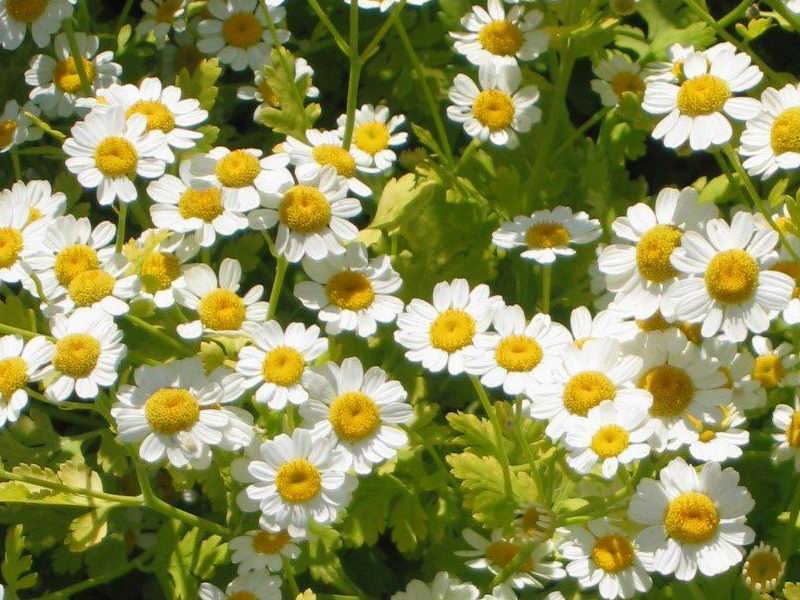
Feverfew is the herb garden's cheerful volunteer - a short-lived perennial daisy that self-sows so freely you will never need to plant it twice. Its white-and-yellow blooms brighten the border from early summer on, the ferny foliage smells pleasantly sharp when brushed, and the dried flowers make a traditional tea. Learning how to grow feverfew is mostly about sowing it once and then managing its enthusiasm.
Table of Contents
Table of Contents

Photo: Wikimedia Commons
Feverfew (Tanacetum parthenium) is hardy in zones 5 through 9, where it behaves as a short-lived perennial. Colder winters kill it and sustained heat exhausts it, but in both cases it usually self-sows replacements before going - the patch persists even when individual plants do not. Time your sowing with the USDA zone planting dates on our planting calendar.
Choosing a Variety
When it comes to how to grow feverfew, getting the details right makes all the difference.

Many homeowners find that how to grow feverfew is easier than they expected once they know the basics.
The species, with single white daisies around golden centers, is the classic - vigorous, free-flowering, and the type used for tea. 'Aureum' offers golden-yellow foliage that lights up the border, though its flowers are the same. 'White Wonder' and 'Snow Ball' are double-flowered forms with pompon blooms for cutting and ornament; they self-sow less reliably, so deadhead less ruthlessly if you want them to persist.
For a first planting, sow the straight species - it is the toughest, the most floriferous, and the best self-sower. One packet establishes a permanent patch. If you want the doubles for bouquets, plant them among the species type; the singles keep the patch going while the doubles provide the fancy flowers. Gardenia.net shows the double-flowered feverfew forms. Feverfew's daisy charm pairs well with chamomile, its close look-alike, though the two taste and smell quite different up close.
When and How to Plant
Many homeowners find that how to grow feverfew is easier than they expected once they know the basics.
The key to how to grow feverfew is choosing the right approach for your space and budget.
Surface sow the tiny seeds where they are to grow - they need light to germinate, so press them onto moist soil without covering. Start indoors about six weeks before your last spring frost, or direct sow after the frost date. Germination takes one to two weeks at room temperature. Thin seedlings to about 12 inches apart; they bush out quickly into 2-foot mounds.
Transplant carefully - feverfew resents root disturbance, so move seedlings young or use biodegradable pots that go straight into the ground. Set transplants out about a week after the last frost, firming the soil gently around each one and watering well. Once the first planting blooms and sets seed, you will find seedlings everywhere: in paths, in neighboring beds, in cracks in the patio. This is the plant's whole strategy, and fighting it is futile - instead, transplant the volunteers where you want them and compost the rest. The Old Farmer's Almanac lists self-sowing herbs for cottage gardens. The Old Farmer's Almanac lists feverfew among herbs that practically plant themselves, and any gardener who has grown it will confirm.
Sowing Cheat Sheet
- Surface sow (needs light); start indoors 6 weeks before last frost.
- Thin to 12 inches apart in full sun to part shade.
- Transplant young - it dislikes root disturbance.
- Expect volunteers forever after; embrace them.
Soil and Sun
The key to how to grow feverfew is choosing the right approach for your space and budget.
With a little planning, how to grow feverfew can fit even a busy schedule.
Full sun to part shade, in well-drained, average soil - feverfew is not demanding. It tolerates poor soil and some drought once established, and it actually self-sows most enthusiastically in lean, gravelly spots where other plants struggle. Rich, overfed soil produces lush growth that flops and self-sows less reliably.
A neutral pH suits it, but feverfew is famously unfussy. The one thing it dislikes is soggy ground, where crowns rot over winter. If your soil stays wet, plant on a slight mound. Good air circulation keeps the foliage clean; space generously rather than cramming plants together, the same advice that keeps yarrow healthy in the herb bed. Clemson HGIC covers soil needs for perennial herbs.
Watering and Feeding
With a little planning, how to grow feverfew can fit even a busy schedule.
Before you start, it helps to understand how how to grow feverfew works in real homes.
Water until established, then leave it alone - feverfew is a survivor that handles dry spells with ease. In a normal summer, rainfall suffices; water only in extended drought, and always at the base. Overwatering produces soft, floppy growth and weakens the plants.
Do not fertilize. Like many self-sowing herbs, feverfew thrives on neglect and grows worse with pampering. If the soil is truly barren, a light top-dressing of compost in spring is the maximum it will ever need. Plants in lean soil live longer, flower more, and self-sow better - the trifecta that makes this herb so carefree.
Care Through the Season
Before you start, it helps to understand how how to grow feverfew works in real homes.
A good plan for how to grow feverfew saves time, money, and frustration.
Deadhead ruthlessly unless you want seedlings everywhere - each flower head produces hundreds of seeds, and a single un-deadheaded plant can seed a whole garden. Snip spent blooms weekly during the flowering season, or shear the whole plant back by half after the first flush to force tidy regrowth and a second bloom. The shearing also prevents the legginess that untrimmed plants develop by midsummer.
Aphids may cluster on the flower buds; blast them off with a strong spray of water. Few other pests bother feverfew - the aromatic foliage repels most insects, and deer and rabbits generally leave it alone. This pest resistance is one reason feverfew makes such a good low-maintenance edging: plant it along paths and bed fronts where you want something pretty that nothing eats, and it quietly does its job for years with almost no attention. In hot climates, plants may look tired by late summer; shear them back and they rebound when temperatures ease.
Because individual plants are short-lived - typically two to three years - the patch depends on self-sown replacements. Let a few flower heads mature each fall in a spot where you want seedlings, and the colony renews itself indefinitely. This is the central rhythm of how to grow feverfew: tend the colony, not the individual.
Managing the Self-Sowing
Feverfew's enthusiasm needs channeling, not fighting. Let it seed where you want a permanent patch - along a sunny path, at the front of the herb bed - and deadhead everywhere else. Seedlings transplant easily when small, so each spring you can redistribute volunteers like free plants. Pull extras before they bloom, and the patch stays exactly where you want it. Think of it as a plant that does its own propagation, and your job is just editing. After a few seasons you will have more seedlings than you can use - pot them up for plant swaps, where homegrown feverfew is always welcome.
Harvest
A good plan for how to grow feverfew saves time, money, and frustration.
For most people, how to grow feverfew comes down to a few smart choices.
Harvest flower heads at full bloom for drying, cutting stems in the morning after the dew dries - that is when the active compounds peak. Hang small bunches upside down in a dark, airy spot, then strip the dried flowers into sealed jars. Properly dried feverfew keeps its pungent, bitter aroma for months.
Use the dried flowers for tea - the flavor is strong and bitter, so blend with milder herbs like lemon balm or chamomile. A note of caution: feverfew can irritate skin and mouths in sensitive people, so wear gloves when handling large harvests, and check with a health professional before medicinal use - this herb has real pharmacological activity and is not just a flavoring.
For bouquets, cut stems when the flowers are fully open; they last about a week in the vase. The double forms are especially pretty cut. Recut the stems under water and strip any foliage that would sit below the waterline to maximize vase life. And always leave a few heads to mature seed - the patch's future depends on it.
Feverfew also dries well for everlasting arrangements: hang bunches upside down in a dark room, and the white petals hold their color for months. Dried, they mix beautifully with lavender and statice in winter bouquets - a second use for a plant that already gives fresh flowers, tea, and free seedlings. The USDA National Agricultural Library has herb-drying resources for home growers.
Troubleshooting
For most people, how to grow feverfew comes down to a few smart choices.
If you are new to how to grow feverfew, start with the simplest option and build from there.
Seedlings everywhere. You let the flowers mature. Deadhead ruthlessly, or confine the seeding to one designated patch.
Plants died over winter. Normal in zones colder than 5 - but check for self-sown seedlings in spring before replanting; the colony often survives even when the parents do not.
Leggy, floppy growth. Too much shade, water, or fertilizer - or never sheared. Cut back by half after the first flush and grow lean.
Aphids on the buds. Blast off with water; the aromatic foliage usually keeps serious infestations away.
Skin irritation when handling. Feverfew can irritate sensitive skin - wear gloves for big harvests, and wash hands after handling.
Plants look exhausted by late summer. Heat fatigue, normal in warm zones. Shear back hard and wait for cool weather; the self-sown seedlings will carry the patch anyway.
In zones 5 through 9, learning how to grow feverfew gives you a permanent, self-renewing patch of cheerful daisies for the price of one seed packet - plus dried flowers for tea and armloads of volunteers to share. Sow it once, edit the seedlings each spring, and enjoy a plant that has been brightening herb gardens for centuries with almost no help at all from you, season after season.
References
If you are new to how to grow feverfew, start with the simplest option and build from there.
Missouri Botanical Garden. (n.d.). Tanacetum parthenium. https://www.missouribotanicalgarden.org/
University of Minnesota Extension. (n.d.). Growing herbs in home gardens. University of Minnesota. https://extension.umn.edu/
Old Farmer's Almanac. (n.d.). Growing herbs. Yankee Publishing. https://www.almanac.com/
Gardenia.net. (n.d.). Tanacetum parthenium (Feverfew). https://www.gardenia.net/
When it comes to how to grow feverfew, getting the details right makes all the difference.
Was this guide helpful?

About My Garden US
The My Garden US editorial team writes practical, in-depth home and garden guides for American homeowners — tested advice, no fluff.