The sponge in your shower probably grew on a vine. Luffa - Luffa aegyptiaca - is the plant behind those natural bath sponges, and it is also, when picked young, a delicious summer vegetable in the cucumber family. Few plants offer such a satisfying double life: eat the young fruits all summer, then let the last ones mature into fibrous sponges that last for months. Learning how to grow luffa is a project with a genuinely useful payoff.
Table of Contents
Table of Contents
This is a plant for gardeners with heat, space, and a long season. Luffa needs warmth the way tomatoes need sun - non-negotiable and abundant - and its vines are among the most vigorous in the vegetable garden. Give it a brutally strong trellis, start it early, and by late summer you will be harvesting both dinner and shower supplies from the same plant.
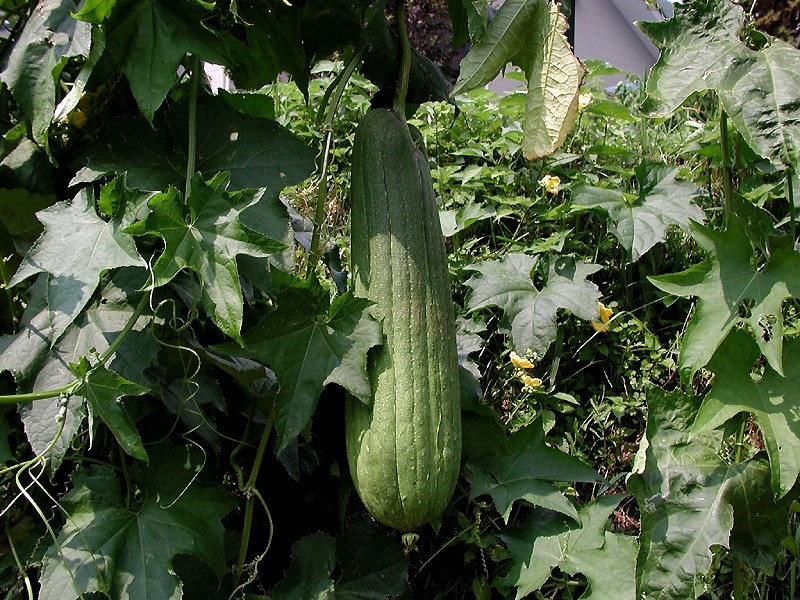
Photo: Wikimedia Commons
Getting Started: A Long-Season Vine
When it comes to how to grow luffa, getting the details right makes all the difference.

Many homeowners find that how to grow luffa is easier than they expected once they know the basics.
Luffa is a warm-season annual in the cucumber family, grown everywhere from zones 2 through 11 as a summer crop - but "grown" and "thriving" are different things. It needs 120 to 150 frost-free days to mature sponges, which means the Deep South, the Gulf Coast, the Southwest, and California grow it easily, while northern gardeners must start early indoors and choose fast varieties. Frost kills the vines outright, so there is no pushing the season at the cold end.
There are two main types: the angled luffa (Luffa acutangula), with ridged fruits, and the smooth luffa (Luffa aegyptiaca), the classic sponge type. Both eat well young; the smooth type makes the better sponge. The USDA PLANTS database lists the species and its tropical origins, which explain everything about its heat demands.
Seed has a hard coat that benefits from nicking or soaking - file a small notch in the seed coat or soak overnight before sowing. This is not optional fussiness; untreated luffa seed germinates slowly and erratically, and in a short season every week counts.
When and How to Plant
Many homeowners find that how to grow luffa is easier than they expected once they know the basics.
The key to how to grow luffa is choosing the right approach for your space and budget.
Start seeds indoors in large pots a few weeks before transplanting - about four weeks before your last spring frost is the usual timing. Use big pots, because luffa seedlings grow fast and resent root disturbance; peat pots or soil blocks that go straight into the ground minimize transplant shock. Keep the seed tray warm - heat mats help enormously, since luffa germinates best in real warmth. If you want to check your USDA zone planting dates, our planting calendar will help you count back from that frost date.
Transplant out about two weeks after your last spring frost, when nights are reliably warm and the soil has heated up. Set transplants 2 feet apart at the base of the trellis. In long-season southern zones, you can direct sow about two weeks after the last frost, half an inch deep - the soil is warm enough by then for quick germination. Never sow at or before the last frost; cold, wet soil rots the seed.
From sowing to mature sponge is a long road - plan the whole season around it. In short-season areas, every week of head start matters, which is why the indoor start is worth the trouble. The Old Farmer's Almanac season-length tables help you judge honestly whether your climate can finish sponges or should focus on the edible young fruits.
Soil and Sun
The key to how to grow luffa is choosing the right approach for your space and budget.
With a little planning, how to grow luffa can fit even a busy schedule.
Full sun - all of it, all day. Luffa is a tropical vine that converts sunlight into growth at an astonishing rate, and shade just slows everything down. The sunniest spot in the garden is the right spot. In the hottest desert zones, a little afternoon shade is tolerated, but everywhere else, maximize the light.
Rich, compost-amended soil is essential. Work generous compost into the bed before planting - this vine will grow 20 feet and produce dozens of fruits, and it cannot do that on poor ground. Good drainage matters too; the roots want moisture but not stagnancy. A slightly acidic to neutral pH is fine.
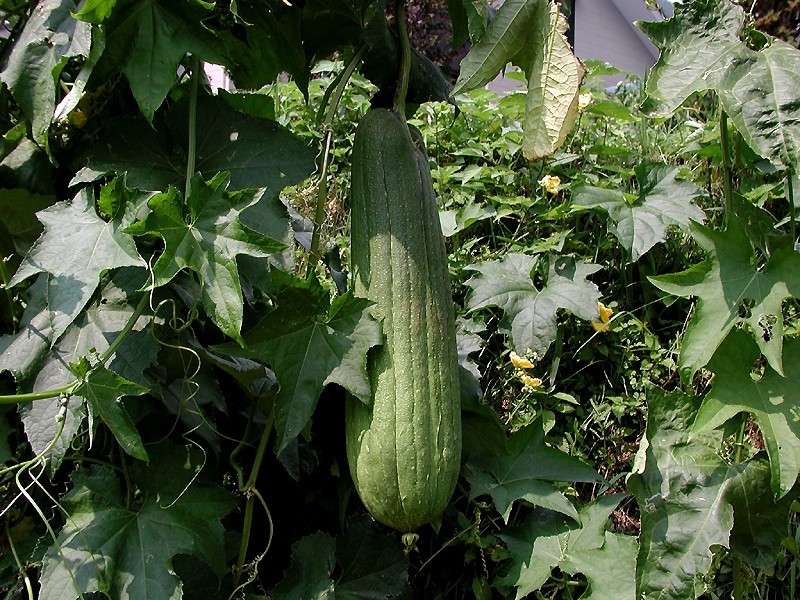
The trellis is structural engineering, not garden decor. Mature luffa vines are enormously heavy, and weak supports collapse mid-season - a classic and disheartening failure. Use cattle panels, a stout arbor with 4x4 posts, or a heavy-duty fence. Plan for the weight of a dozen hanging fruits plus yards of foliage in a windstorm. Like winter squash grown vertically, luffa punishes flimsy infrastructure.
Watering and Feeding
With a little planning, how to grow luffa can fit even a busy schedule.
Before you start, it helps to understand how how to grow luffa works in real homes.
Water deeply and mulch to keep roots cool and moist through summer heat. Luffa drinks heavily - a big vine in full sun on a hot day moves a startling amount of water. A deep soaking two or three times a week, plus a thick mulch of straw, beats daily sprinkles. Drip irrigation under the mulch is ideal. Drought stress drops flowers and stunts young fruits, so steady moisture is the foundation of the harvest.
Feed it like the hungry giant it is. The compost at planting carries it early, but side-dress with balanced fertilizer or compost tea monthly through summer. Pale leaves or slowing growth in midsummer mean hunger. This is not the crop for lean-soil minimalism - it is a production vine that eats accordingly.
Keep foliage dry with morning watering to discourage the powdery mildew that plagues the cucumber family. Water at the base, give the vines room for air circulation, and the leaves stay healthier longer. UF/IFAS Gardening Solutions has cucurbit watering guidance tuned for hot, humid climates.
Care Through the Season
Before you start, it helps to understand how how to grow luffa works in real homes.
A good plan for how to grow luffa saves time, money, and frustration.
Guide young fruits to hang straight down so they grow long and even. Fruits that develop resting on a branch or the trellis grow crooked - fine for sponges, less pretty, and harder to peel. A vine trained cleanly gives you straight fruits; check weekly and reposition the young ones.
Watch for cucumber beetles, the bane of the whole family. They chew leaves and spread bacterial wilt. Row cover over young plants excludes them until flowering begins (then remove it so pollinators can reach the blooms), and handpicking handles small numbers. Rotate away from other cucurbits - cucumbers, zucchini, melons - since the pests and diseases carry over in the soil. The Clemson Home and Garden Information Center has thorough cucurbit pest guides.
Powdery mildew will likely appear by late summer - the white dusty coating on leaves is almost inevitable in humid climates. It rarely kills the vine outright; the plant keeps producing despite it. Good air flow, morning watering, and resistant varieties help, but a little mildew on a luffa vine in late summer is like gray hair - a sign of a full season, not a crisis.
Prune for production in short seasons: limit each plant to 3 or 4 fruits so they all mature before frost. In long-season zones, let the vine produce freely - it knows what it is doing.
Harvest
A good plan for how to grow luffa saves time, money, and frustration.
For most people, how to grow luffa comes down to a few smart choices.
For eating, pick young fruits under 6 inches long, while the skin is still soft and tender. At this stage they cook like zucchini - slice and sauté, add to stir-fries and soups, stuff and bake. The flavor is mild and delicate, a little like cucumber meets summer squash. Overgrown fruits get fibrous and are only fit for sponges, so check the vine every day or two at peak season.
For sponges, leave fruits on the vine until the skin turns brown and papery and the fruit feels light - it is fully mature and the fiber has developed. This usually takes until fall. Peel off the dry skin (it comes away in strips), shake out the seeds - save them for next year - and rinse the fibrous skeleton clean. Soak in diluted bleach water if you want a lighter color, rinse thoroughly, and dry completely before storing.
A homegrown luffa sponge lasts for months in the shower and is fully compostable at the end - a small, satisfying victory over plastic. Gardenia.net has a nice walkthrough of the sponge-processing steps for first-timers.
Troubleshooting
For most people, how to grow luffa comes down to a few smart choices.
If you are new to how to grow luffa, start with the simplest option and build from there.
Seed will not germinate. The hard coat needs nicking or soaking, and the soil needs real warmth. Cold soil rots luffa seed fast. Use a heat mat indoors, wait for warm soil outdoors, and buy fresh seed - old luffa seed is notoriously unreliable.
Lots of vine, few fruits. Usually too much nitrogen pushing leaves, poor pollination, or drought stress dropping young fruits. Ease off high-nitrogen fertilizer once flowering starts, make sure pollinators can reach the blooms (remove row cover at flowering), and keep water steady. Hand-pollinating the big yellow flowers in the morning also works.
Fruits rot on the vine. Poor air circulation or fruits resting on wet ground. Keep the vine trained up, fruits hanging free, and water at the base. Remove rotted fruits promptly so disease does not spread.
Powdery mildew everywhere. Improve air flow, water in the morning at the base, and accept some late-season mildew as normal. The University of Minnesota Extension cucurbit guides cover mildew management realistically.
Frost coming, sponges not ready. Pick the largest fruits and finish drying them indoors - peel, rinse, and dry them in a warm, airy spot. They will not be quite as good as vine-dried, but they work. Next year, start earlier or choose a faster variety. The Almanac planting calendar helps you count the season honestly before you plant.
Luffa is the vegetable garden's best two-for-one: dinner all summer, sponges for the holidays. The USDA National Agricultural Library documents its centuries of use across Asia and Africa before it reached American gardens. Give it heat, a strong trellis, and a long season, and it will give you back more than you expected.
References
If you are new to how to grow luffa, start with the simplest option and build from there.
When it comes to how to grow luffa, getting the details right makes all the difference.
- Clemson University Cooperative Extension. (n.d.). Home & garden information center. https://hgic.clemson.edu/
- Gardenia. (n.d.). Luffa growing guide. https://www.gardenia.net/
- U.S. Department of Agriculture. (n.d.). PLANTS database. https://plants.usda.gov/home
- UF/IFAS Extension. (n.d.). Gardening solutions. https://gardeningsolutions.ifas.ufl.edu/
- University of Minnesota Extension. (n.d.). Growing cucurbits. https://extension.umn.edu/
Many homeowners find that how to grow luffa is easier than they expected once they know the basics.
The key to how to grow luffa is choosing the right approach for your space and budget.
When it comes to how to grow luffa, getting the details right makes all the difference.
Many homeowners find that how to grow luffa is easier than they expected once they know the basics.
Was this guide helpful?

About My Garden US
The My Garden US editorial team writes practical, in-depth home and garden guides for American homeowners — tested advice, no fluff.