---
Table of Contents
Table of Contents
- Paint Kitchen Cabinets without Sanding: When No-Sand Painting Works
- What You Need
- Step 1: Remove Doors, Drawers, and Hardware
- Step 2: Clean Like You Mean It
- Step 3: Prime With a Bonding Primer
- Step 4: Choose the Right Paint
- Step 5: Paint in Thin Coats
- Step 6: Let It Cure
- No-Sand Paint Options Compared
- Common Mistakes to Avoid
- Spray vs. Brush for No-Sand Jobs
- How Long Does It Last?
- Frequently Asked Questions
- Do I really not need to sand at all?
- Will no-sand paint peel in a hot kitchen?
- Can I use this method on oak cabinets with heavy grain?
- How do I paint the cabinet boxes without making a mess?
- References
Sanding is the worst part of painting cabinets. It is dusty, slow, and hard on your arms. The good news is that you can paint kitchen cabinets without sanding first and still get a finish that lasts. The trick is not skipping work. It is trading sanding for better cleaning and the right primer. Here is how to paint kitchen cabinets without sanding without fuss.
This guide shows the no-sand method step by step. It works on wood, laminate, and cabinets that were painted before.
Paint Kitchen Cabinets without Sanding: When No-Sand Painting Works
When it comes to paint kitchen cabinets without sanding, getting the details right makes all the difference.
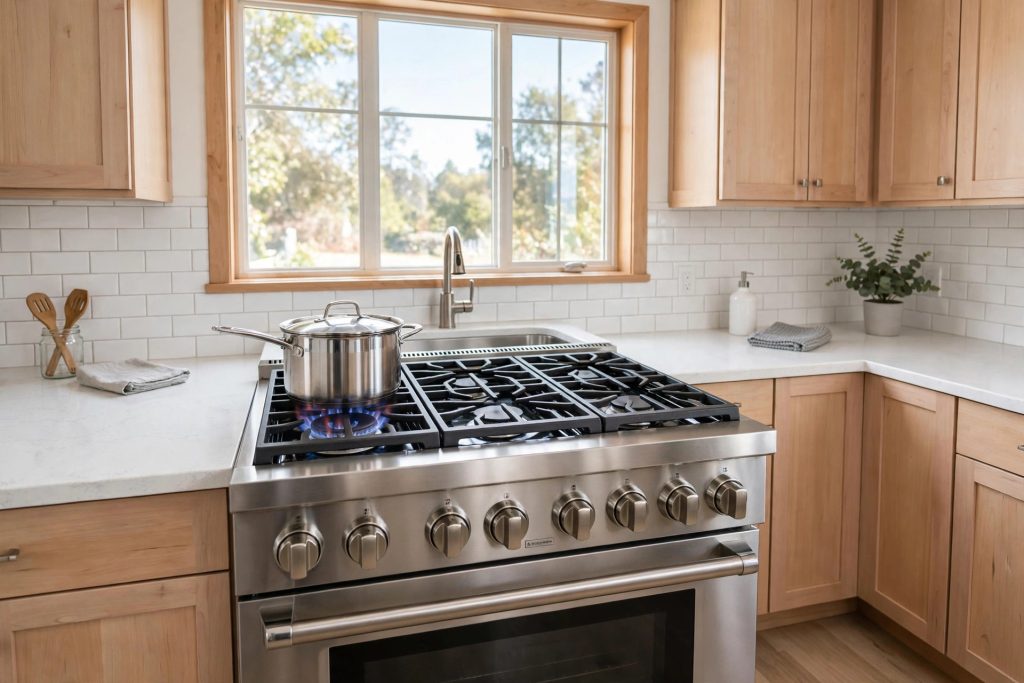
Many homeowners find that paint kitchen cabinets without sanding is easier than they expected once they know the basics.
No-sand painting works when the old finish is sound. That means the paint or stain is stuck tight, with no peeling, flaking, or bubbling. The surface should be smooth enough that you would be happy with it after a coat of paint.
No-sand painting does not work on failing finishes. If the old paint peels off in sheets, or the stain is worn down to bare wood in spots, sanding is the only fix. The new paint is only as strong as what sits under it.
It also struggles on very glossy surfaces with no prep at all. A factory-baked glossy finish can reject paint even with good primer. When in doubt, do a test patch on the back of one door before you commit to the whole kitchen.
What You Need
Many homeowners find that paint kitchen cabinets without sanding is easier than they expected once they know the basics.
The key to paint kitchen cabinets without sanding is choosing the right approach for your space and budget.
Gather everything before you start. Stopping mid-job to shop leads to rushed work.
- Degreasing cleaner (TSP substitute or a strong dish soap solution)
- Bonding primer (shellac-based or a high-adhesion acrylic primer)
- Cabinet-grade enamel paint (alkyd or urethane enamel)
- Angled sash brush and small foam or microfiber rollers
- Wood filler and a putty knife
- Tack cloths or microfiber cloths
- Painter's tape and drop cloths
- Screwdriver or drill for removing hardware
- Painter's pyramids or sawhorses for drying doors
Step 1: Remove Doors, Drawers, and Hardware
The key to paint kitchen cabinets without sanding is choosing the right approach for your space and budget.
With a little planning, paint kitchen cabinets without sanding can fit even a busy schedule.
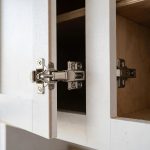
Take every door and drawer front off. Pull the hinges, knobs, and pulls. Put the screws in labeled bags so each door goes back to its own spot. A piece of tape on the back of each door with a number keeps things simple.
This step takes time, but painting around hinges leaves a sloppy edge. Pros always remove the hardware. If you are comparing DIY against hiring out, our guide to spray painting kitchen cabinets cost shows what the pros charge.
Step 2: Clean Like You Mean It
With a little planning, paint kitchen cabinets without sanding can fit even a busy schedule.
Before you start, it helps to understand how paint kitchen cabinets without sanding works in real homes.
This is the step that replaces sanding. Kitchen cabinets wear a thin film of grease, even when they look clean. Paint will not bond to grease. It will peel off in sheets a few months later.
Wash every surface with a degreaser. A TSP substitute mixed per the label works well. Some painters use a strong solution of dish soap and hot water, then follow with a clean-water rinse. Scrub around handles and near the stove twice. That is where grease builds up most.
Let everything dry fully. Then wipe each piece with a tack cloth to pick up dust and lint. If the old finish feels rough or has drips, knock them down lightly with fine sandpaper. This is spot-smoothing, not full sanding. It takes minutes, not hours.
Step 3: Prime With a Bonding Primer
Before you start, it helps to understand how paint kitchen cabinets without sanding works in real homes.
A good plan for paint kitchen cabinets without sanding saves time, money, and frustration.
Primer is what makes no-sand painting possible. A bonding primer grips slick surfaces the way sanding would let paint grip bare wood. Do not skip it, and do not use cheap wall primer.
Shellac-based primer is the gold standard for cabinets. It sticks to almost anything: varnish, laminate, old oil paint, glossy factory finishes. It also blocks tannin bleed, the brown stains that can seep through light paint on oak and other woods. Zinsser B-I-N is the best-known shellac primer, and reviewers praise its adhesion to slick surfaces without sanding (Home Depot, n.d.). Primer roundups rank it alongside Benjamin Moore Stix and KILZ Premium as top picks for cabinet work (Coohom, n.d.). The downside is strong fumes, so ventilate well.
High-adhesion acrylic primers are the low-odor option. Sherwin-Williams Extreme Bond Primer is made for this job. The company says its adhesion is strong enough that sanding may not be necessary on clean, paintable surfaces, though they still recommend a test patch first (Sherwin-Williams, n.d.).
Apply one even coat. Let it dry per the label. If the primer beads up or fish-eyes on the surface, the surface is still dirty or too slick. Clean it again or scuff that spot lightly.
Step 4: Choose the Right Paint
A good plan for paint kitchen cabinets without sanding saves time, money, and frustration.
For most people, paint kitchen cabinets without sanding comes down to a few smart choices.
Cabinet paint needs to be hard. Soft paint chips when a plate hits it and shows fingerprints within weeks. Use an enamel made for cabinets and trim.
Benjamin Moore Advance is a top pick for no-sand jobs. It is a waterborne alkyd that levels out brush marks as it dries and cures to a hard, enamel-like finish. One long-term reviewer found it held up to years of daily use with kids and still scrubbed clean (Apartment Therapy, n.d.). Note that it has a long recoat time, so plan for a slow pace between coats (Willow Bloom Home, n.d.).
Sherwin-Williams Emerald Urethane Trim Enamel is another strong option. It is tough, self-leveling, and made for exactly this kind of work, with reviewers noting its hard-wearing finish and high coverage on cabinetry (Shun Shelter, n.d.).
For laminate cabinets, check our guide to the best paint for laminate cabinets for products tested on slick surfaces.
Step 5: Paint in Thin Coats
For most people, paint kitchen cabinets without sanding comes down to a few smart choices.
If you are new to paint kitchen cabinets without sanding, start with the simplest option and build from there.
Start with the backs of the doors. This lets you practice where no one will see. Use an angled brush to cut in around edges and details, then roll the flat areas with a small foam roller. Lay the paint on thin. Thick coats drip, sag, and take forever to dry.
Watch for drips at the edges. Catch them while the paint is wet. Once a coat is down, leave it alone. Going back over drying paint leaves marks.
Most cabinets need two coats over primer. Dark colors over light primer, or light colors over dark stain, may need three. Let each coat dry fully before the next. Rushing coats is the most common DIY mistake.
Step 6: Let It Cure
If you are new to paint kitchen cabinets without sanding, start with the simplest option and build from there.
Dry is not the same as cured. Paint feels dry to the touch in hours. It reaches full hardness over days or weeks. Benjamin Moore Advance, for example, stays somewhat soft for weeks and the maker advises gentle handling during that time (Willow Bloom Home, n.d.).
Wait at least a few days before rehanging doors. When you do, handle them by the edges. Do not slam drawers shut for the first couple of weeks. Put felt bumpers where doors meet frames. This patience is what separates a finish that lasts from one that chips in a month.
No-Sand Paint Options Compared
When it comes to paint kitchen cabinets without sanding, getting the details right makes all the difference.
Not all no-sand products are equal. Here is how the common choices stack up:
Bonding primer plus cabinet enamel. The most reliable method. The primer does the gripping, the enamel does the lasting. Works on wood, laminate, and old paint. Takes the most steps but gives the most durable result.
Cabinet transformation kits. All-in-one kits bundle a deglosser, bond coat, and topcoat. They are simple and affordable. The finish is decent but usually not as hard as a true cabinet enamel.
Chalk paint with wax or topcoat. Chalk paint sticks well without sanding and gives a matte, vintage look. It needs a protective topcoat in a kitchen, or it will mark up fast. Not the best pick for heavy-use cabinets.
Peel-and-stick options. Not paint at all, but vinyl wraps can refresh flat cabinet doors without any drying time. They are the fastest option and fully reversible, which renters like.
Common Mistakes to Avoid
Many homeowners find that paint kitchen cabinets without sanding is easier than they expected once they know the basics.
Painting over grease. This is the number one cause of no-sand paint failure. If you take one lesson from this guide, make it this: clean twice.
Skipping primer. Paint alone does not bond like primer does. Even paint-and-primer-in-one products are not a substitute for a real bonding primer on cabinets.
Coats that are too thick. Thick paint looks good for a day, then sags, drips, and stays soft. Thin coats dry harder and look smoother.
Rehanging too soon. Soft paint dents. Give it days, not hours. If you must use the kitchen, hang the least-used doors last.
Using wall paint. Interior wall paint is made to touch up easily, not to take abuse. On cabinets it chips and scuffs fast. Cabinet enamel costs more per gallon and is worth every penny.
Spray vs. Brush for No-Sand Jobs
The key to paint kitchen cabinets without sanding is choosing the right approach for your space and budget.
Spraying gives the smoothest finish with no brush marks at all. But it needs masking, ventilation, and practice. Overspray gets everywhere.
Brushing and rolling is slower but simpler. With self-leveling paint, the finish can look nearly sprayed. A good brush and a steady hand go a long way. Our spray vs brush painting cabinets guide walks through both methods so you can pick what fits your skills.
How Long Does It Last?
A no-sand paint job with proper cleaning, bonding primer, and cabinet enamel can last for years. It will not match a factory finish or a full sand-and-spray pro job, but it comes close at a fraction of the cost and effort.
Touch up chips as soon as you see them. Keep a small jar of the paint for repairs. Clean painted cabinets with a soft cloth and mild soap. Skip abrasive scrubbers, which wear through the finish.
Frequently Asked Questions
Do I really not need to sand at all?
On sound finishes, no. Thorough degreasing plus a bonding primer replaces sanding for adhesion. Light spot-sanding of drips and rough spots still helps the final look.
Will no-sand paint peel in a hot kitchen?
Heat and steam are hard on any paint. Keep a working range hood fan on while cooking. Wipe steam off cabinet faces near the stove. Good ventilation protects every kind of cabinet finish.
Can I use this method on oak cabinets with heavy grain?
Yes, but the grain will show through the paint. That is a look some people like. If you want glass-smooth doors, fill the grain with a grain filler first, then prime and paint. It adds a step but the result is worth it.
How do I paint the cabinet boxes without making a mess?
Tape off the walls, counters, and floors. Paint the face frames with a brush, working top to bottom. Keep coats thin so paint does not pool in corners. A small roller speeds up flat frame sections. Once you try it, you can paint kitchen cabinets without sanding with ease.
References
Apartment Therapy. (n.d.). The best budget paint for kitchen cabinets. https://apartmenttherapy.com/kitchen-improvement-we-love-this-kind-of-paint-for-kitchen-cabinets-the-kitchn-203768
Calahan Bath & Kitchen. (n.d.). Can I paint kitchen cabinets without sanding? https://calahanbath.com/can-i-paint-kitchen-cabinets-without-sanding/
Coohom. (n.d.). No sand kitchen cabinet paint: A simple guide. https://www.coohom.com/article/no-sand-kitchen-cabinet-paint-a-simple-guide
Coohom. (n.d.). Paint peeling on cabinets? Best primer for kitchen cabinets. https://www.coohom.com/article/the-best-primer-for-kitchen-cabinets
Home Depot. (n.d.). Reviews for Zinsser B-I-N shellac-based primer and sealer. https://www.homedepot.com/p/reviews/1Zinsser-B-I-N-13-oz-White-Shellac-Based-Interior-Spot-Exterior-Primer-and-Sealer-Spray-01008/100398390/1
Sherwin-Williams. (n.d.). How to paint your kitchen cabinets in 5 easy steps. https://www.sherwin-williams.com/homeowners/how-to/project-center/update-kitchen-cabinets-in-5-steps
Shun Shelter. (n.d.). Best Sherwin-Williams paint for cabinets: A comprehensive guide. https://shunshelter.com/article/what-sherwin-williams-paint-is-best-for-cabinets
Stacey Van Gundy. (n.d.). Benjamin Moore Advance paint review. https://www.staceyvangundy.com/benjamin-moore-advance-paint-review/
Willow Bloom Home. (n.d.). How to paint cabinets with Benjamin Moore Advance. https://www.willowbloomhomeblog.com/how-to-paint-cabinets-with-benjamin-moore-advance-week-7-of-the-one-room-challenge/
Was this guide helpful?

About My Garden US
The My Garden US editorial team writes practical, in-depth home and garden guides for American homeowners — tested advice, no fluff.
You May Also Like
Gas Kitchen Ranges California Homes USA: What to Know Before You Buy
August 12, 2026 19 views
Where to Find Shaker Cabinet Doors Deals Near Me
June 26, 2026 13 views
Gas Kitchen Ranges USA Online Deals: How to Shop Smart and Save
June 29, 2026 18 views