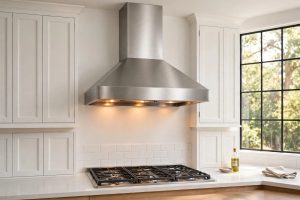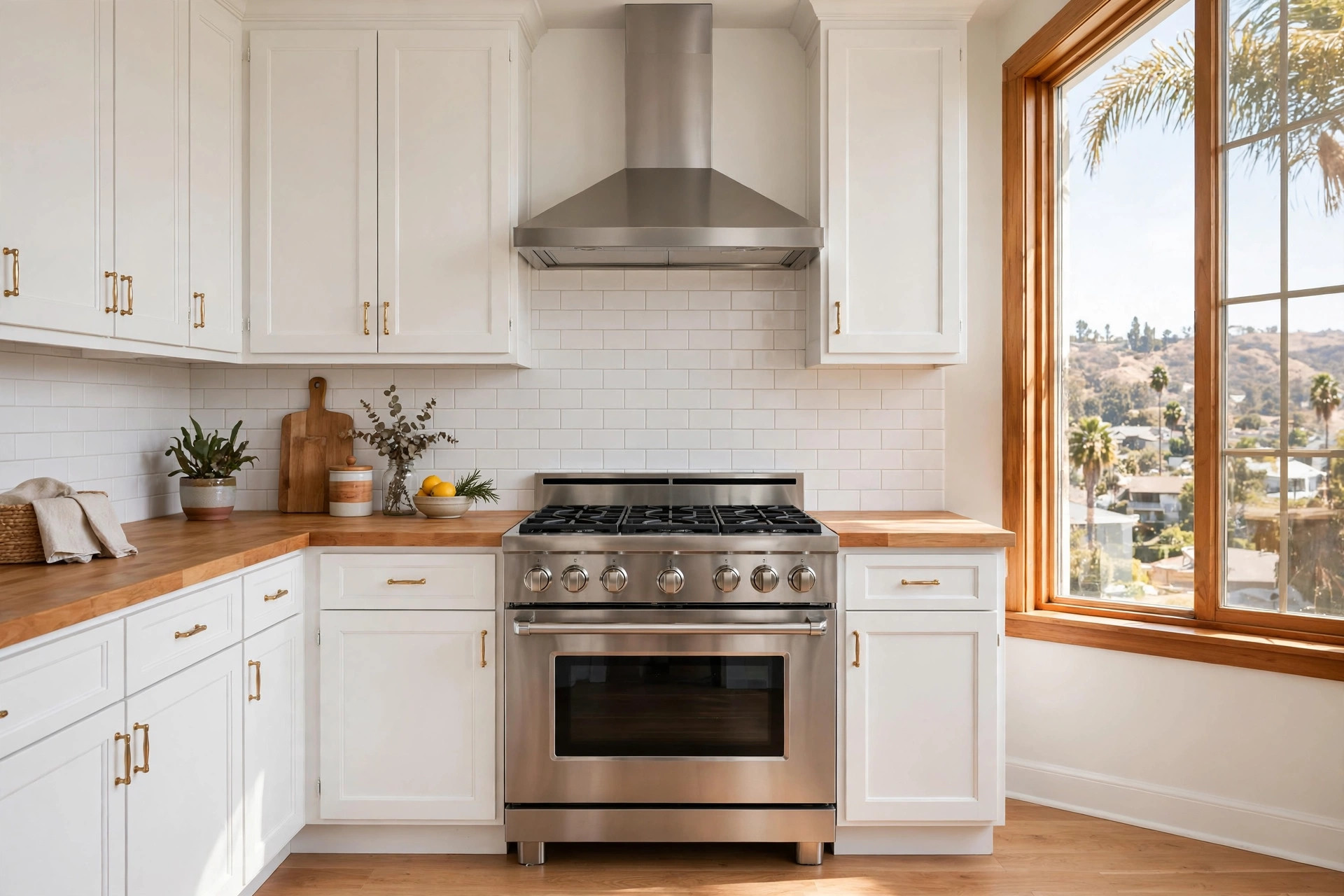

Many families who search for gas kitchen ranges California homes USA want the same thing. They want a stove that gives them fast heat, fine control, and a kitchen that feels like the center of the home. California kitchens range from small apartments in the city to large ranch houses in the country. A gas range can fit either one. This guide walks through the main points in plain terms. It covers why gas ranges matter, how to choose one, the main types, the cost, care, and safety. By the end, a buyer should feel ready to shop with clear eyes.
Why It Matters
A range is the heart of most kitchens. People use it every day, sometimes three times a day. The right gas range makes cooking easier and more pleasant. The wrong one brings small daily annoyances. Burners that run too hot or too cool waste time and fuel. An oven that heats in an uneven way ruins baked goods.
In California, kitchens see heavy use. Families cook at home more often than the national average, and many homes mix cooking styles. One household may cook pasta on Monday and stir-fry on Friday. Gas gives a fast response when the flame is turned down. Electric coils take time to cool. That instant control is the main reason cooks still prefer gas.
There is also the matter of resale. In many parts of the state, a kitchen with a good gas range helps a home sell. Buyers notice the stove. They stand in the kitchen and picture their own meals. A clean, strong range signals a kitchen that works. For homeowners who plan to sell in a few years, the range is not just a tool. It is an investment in the value of the home.
Finally, fuel cost matters. Natural gas is common across California. It is often cheaper than electricity for the same cooking task. Over ten years of daily cooking, the savings can be real. That long view is why so many shoppers start with gas.
How to Choose a Gas Range: Gas Kitchen Ranges California Homes Usa
Choosing a range starts with the space. Measure the width of the opening where the range will sit. Most American ranges are 30 inches wide. Some are 24 inches for tight kitchens. Large models run 36, 40, or 48 inches. Measure twice. Write down the width, the depth, and the height. Bring those numbers to the store or keep them close when shopping online.
Next, look at the burners. A good range offers a mix. One high-power burner brings water to a boil fast. One small burner holds a sauce at a low simmer. Four or five burners cover most needs. Five-burner models add a center oval burner that fits a griddle. Think about how you cook. A family that fries and sears wants strong burners. A baker may care more about the oven.
The oven deserves close study. Look at the size in cubic feet. A 5.0 cubic foot oven holds a large turkey. Check whether the oven is single or double. Double wall ovens are a separate choice, but some ranges pair a small upper oven with a large lower one. A convection fan is worth the extra cost for most cooks. It moves hot air around the food and gives even browning.
Controls matter more than people expect. Knobs on the front are easy to reach. A digital panel can set timers and oven temperatures with precision. Some models lock the controls so children cannot turn a burner on by accident. The product pages from major makers such as GE Appliances show how these features differ from model to model.
Also check the fuel hookup. Most California homes use natural gas. Some rural homes use propane from a tank. Many ranges can be converted with a kit. Read the fine print. A range sold for natural gas needs the right parts to burn propane safely.
Types and Options
Free-Standing Ranges
The free-standing range is the most common type. It has finished sides and a back panel with controls. It slides into place between cabinets. It is the simplest to install and the easiest to replace. Most buyers choose this type. Retailers such as Lowe’s and The Home Depot carry long lines of free-standing models in every price band.
Slide-In Ranges
Slide-in ranges have controls on the front and no tall back panel. They sit flush with the countertop and look built in. They cost more than free-standing models. They suit kitchens where looks matter. They need a precise fit, so measure with care.
Dual-Fuel Ranges
A dual-fuel range burns gas on top and uses electric heat in the oven. Cooks who love gas burners but want the steady dry heat of an electric oven choose this type. Brands such as Bosch build dual-fuel models with fine oven control. They cost more and need both a gas line and a 240-volt outlet.
Professional-Style Ranges
These are the heavy, wide ranges with thick grates and strong burners. They borrow the look of restaurant stoves. They run 36 inches or wider. They need strong ventilation. They cost much more than standard ranges. They suit serious cooks with room to spare.
Cooktops Paired With Wall Ovens
Some kitchens split the job. A gas cooktop sits in the counter, and a separate oven goes in the wall. This layout costs more and needs a remodel. It gives a clean look and lets the oven sit at a comfortable height. For many families, a single range does the job just as well.
Cost and Price
Gas ranges in California cover a wide price range. A basic 30-inch free-standing model can cost from 500 to 900 dollars. These models have four burners, a simple oven, and manual controls. They cook well. They lack extras such as convection or self-cleaning.
Mid-range models run from 900 to 1,800 dollars. This is where most buyers land. These ranges add a fifth burner, a convection fan, and a self-cleaning oven. The build feels sturdier. The knobs and grates carry more weight. Buying guides from Consumer Reports often point shoppers to this band as the best value.
High-end and professional-style ranges run from 1,800 dollars to well over 10,000 dollars. They add features such as dual ovens, built-in griddles, and heavier cast-iron grates. They also add status. A luxury range can anchor a full kitchen remodel.
Do not forget the added costs. Delivery and haul-away of the old range can add 50 to 150 dollars. A gas line install or move can cost several hundred dollars. A strong range hood is a real need with gas, and good hoods cost 300 dollars and up. If the kitchen plan includes shaker cabinet doors or new hanging lights for a kitchen island, the range is one part of a larger budget. Set the full budget before shopping, not after.
Sales follow the seasons. Big sales land around major holidays. Floor models can save 20 percent or more. Ask the store about open-box units. They carry the same warranty in most cases.
Care and Upkeep
A gas range rewards simple, steady care. Wipe spills the same day they happen. Burned-on food gets harder with each use. A damp cloth and mild soap handle most daily cleaning. Avoid harsh pads on stainless steel. They leave scratches that never fade.
Burner grates need a weekly wash. Lift them off when they are cool. Soak them in hot, soapy water. A soft brush lifts grease from the small holes. Clogged holes make flames burn in an uneven way. Dry the grates fully before they go back on.
The oven needs care too. A self-cleaning cycle burns off grime at high heat. Run it when the kitchen can take the heat, not on a hot summer afternoon. If the oven has no self-cleaning feature, use a gentle oven cleaner made for the job. Vent the room while it works. Cleaning guides from The Spruce walk through each step for different oven types.
Check the flame color from time to time. A healthy gas flame burns blue with a small inner cone. A yellow or orange flame points to dirt or a fuel mix problem. Clean the burner first. If the color does not improve, call a technician. Never ignore a flame that looks wrong.
Replace small parts before they fail. Igniters wear out. Oven seals dry and crack. A door that will not close tight wastes heat. Parts are easy to order, and many repairs take less than an hour. Makers such as Whirlpool sell parts and publish diagrams that show where each part sits.
Safety
Gas is a safe fuel when it is treated with respect. The first rule is simple. If you smell gas, act at once. Do not light a match. Do not flip a light switch. Leave the house and call the gas company from outside. Teach every person in the home this rule, including children old enough to understand it.
Ventilation is the second rule. Every gas range needs a working range hood that vents to the outside. Gas burners make small amounts of carbon monoxide and nitrogen dioxide. A good hood pulls these gases out of the kitchen. Run the hood every time the burners are on. Open a window as well when the weather allows. Renovation guides from This Old House explain how to size a hood for the range.
Install a carbon monoxide alarm in or near the kitchen. Test it once a month. Replace it on the schedule printed on the unit. The alarm is cheap protection that works while you sleep.
Keep the area around the range clear. Towels, paper, and plastic bags do not belong near an open flame. Turn pot handles inward so a passing sleeve cannot catch them. Use the back burners for pots with small children in the kitchen.
Have the range installed by a licensed professional. Gas lines are not a do-it-yourself project. A pro checks for leaks with a gauge, not just by smell. In California, local codes may add rules about shut-off valves and flexible connectors. The installer will know them. The federal ENERGY STAR program also publishes plain guidance on efficient and safe home equipment.
Frequently Asked Questions
Do I need a gas line to use a gas range? Yes. A gas range needs a gas supply. Most city homes in California have natural gas piped to the house. Rural homes may use propane from a tank on the property. A plumber can run a new gas line, but the cost may be high if the line must travel far.
Can a gas range be converted from natural gas to propane? Most can. The maker sells a conversion kit with new burner orifices. The change must be done by a qualified technician. Running a range on the wrong fuel is unsafe and can damage the unit.
How long does a gas range last? A well-made gas range lasts 15 to 20 years. Cheap models may fail sooner. Regular cleaning and small repairs add years. The oven igniter is the part that fails most often. It is cheap to replace.
Is gas cooking being phased out in California? Some cities have moved toward all-electric rules for new buildings. Existing homes with gas lines are not affected by most of these rules. A homeowner who already has gas can keep using it. Rules change, so check the local code before a remodel. Advice columns from Bob Vila track these local changes in plain language.
What size range fits a standard kitchen? Thirty inches is the standard width in American homes. Measure the opening before you buy. Allow a small gap on each side for air flow. If the opening is not standard, slide-in models and pro-style ranges come in other widths.
Are gas ranges hard to clean? They take more work than a smooth electric top. Grates and burner caps must come off for a deep clean. But the cleaning is simple. Hot water, soap, and a soft brush do most of the job. A range that is wiped daily never gets hard to clean.
A Short Final Word
A gas range is a long-term partner in the kitchen. Take time to measure, compare, and read the details. Match the range to the way your family cooks, not to a picture in a catalog. With the right choice and steady care, a good gas range will serve a California home for many years.
References
Bob Vila. (n.d.). Home improvement advice. https://www.bobvila.com Bosch. (n.d.). Home appliances. https://www.bosch-home.com Consumer Reports. (n.d.). Product reviews and ratings. https://www.consumerreports.org ENERGY STAR. (n.d.). Energy efficient products. https://www.energystar.gov GE Appliances. (n.d.). Kitchen and home appliances. https://www.geappliances.com Lowe’s. (n.d.). Home improvement products. https://www.lowes.com The Home Depot. (n.d.). Home improvement products. https://www.homedepot.com The Spruce. (n.d.). Home and garden advice. https://www.thespruce.com This Old House. (n.d.). Home renovation guidance. https://www.thisoldhouse.com Whirlpool. (n.d.). Home appliances. https://www.whirlpool.com
Was this guide helpful?

About Jennifer Lee
The My Garden US editorial team writes practical, in-depth home and garden guides for American homeowners — tested advice, no fluff.
You May Also Like
Double Wall Ovens USA Online Deals: How to Shop Smart and Save
April 12, 2026 0 views
Kitchen Island Seating for California Homes
February 1, 2026 0 views
Dishwasher Third Rack: Where to Buy in the USA
June 22, 2026 0 views