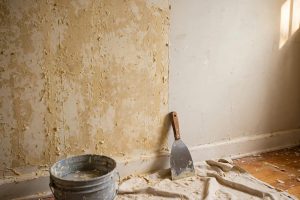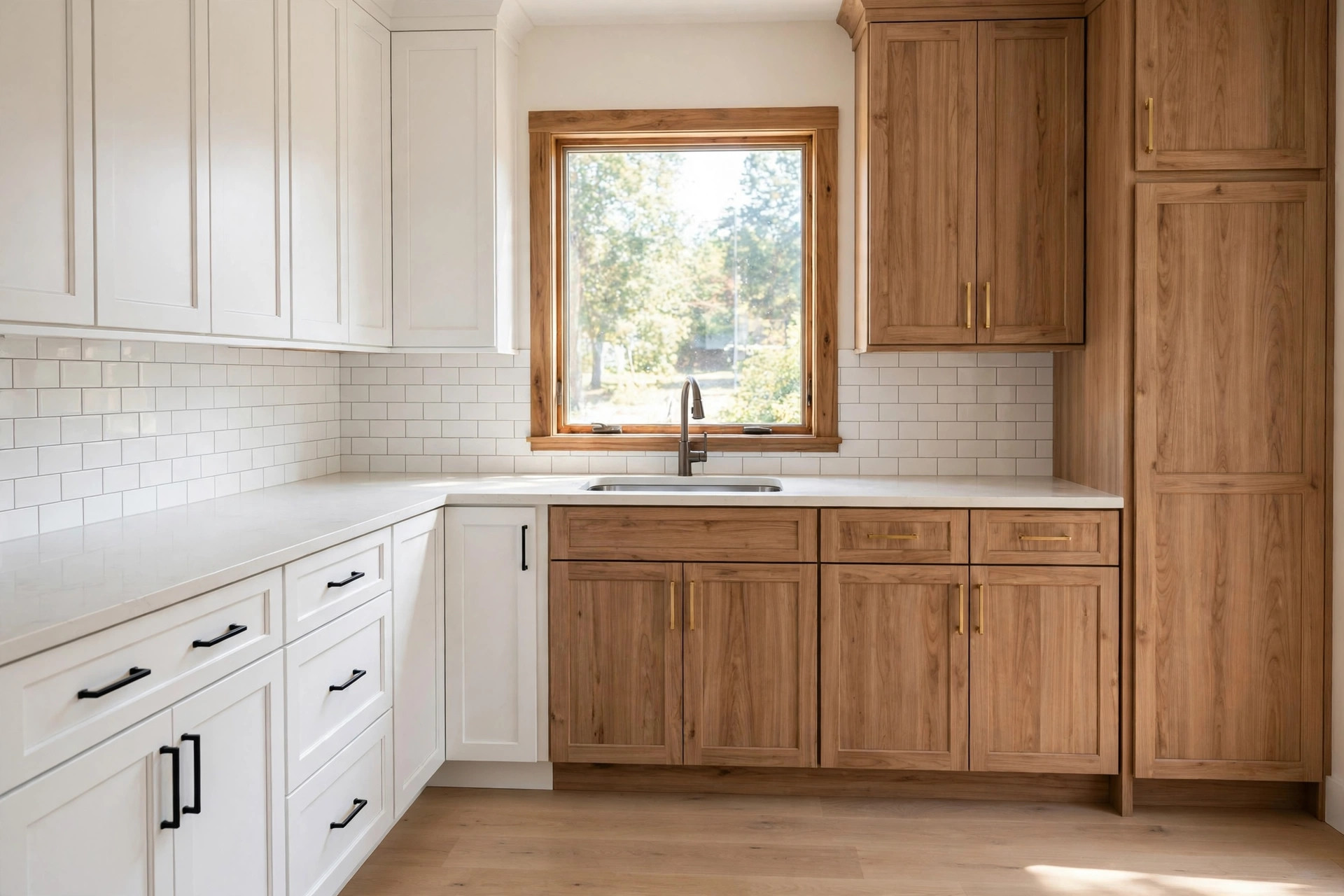

Old kitchen cabinets can drag down the whole room. The wood may be fine. The paint may be tired. The doors may look dated. Many owners face the same question. Should they paint the cabinets, or should they reface them? Both paths give a new look. Both cost less than full replacement. But they are not the same job. This cabinet painting vs refacing cost comparison walks through each method. It covers what each one involves, what it costs, how long it lasts, and how to pick the right one for your kitchen.
Why This Choice Matters
A kitchen remodel is a big spend. New cabinets can cost ten thousand dollars or more. Many families do not want that bill. Painting and refacing offer a middle path. They keep the cabinet boxes. They change the look. They cost far less.
The choice matters because it sets the budget and the result. Painting changes color and finish. It cannot fix bad doors or worn frames. Refacing puts a new skin on the boxes and adds new doors. It looks more like new cabinets. It also costs more. A fair cabinet painting vs refacing cost comparison must weigh price against the final look and how long it lasts.
What Cabinet Painting Involves: Cabinet Painting vs Refacing Cost Comparison
Painting means coating the existing doors, drawer fronts, and cabinet boxes with paint. A worker removes the doors and drawers. The surfaces are cleaned with a degreaser. Any loose finish is sanded down. A primer goes on first. Then two or more coats of paint follow. Between coats, the paint must dry fully. The doors go back on at the end. New knobs or pulls are often added.
The whole job takes three to five days for a normal kitchen. The kitchen can stay in use, though cooking is messy during the work. The most common paint types are acrylic enamel and alkyd enamel. These dry hard and stand up to scrubbing. Some pros spray the doors for a smooth factory look. Others brush and roll. Spraying gives a cleaner finish but costs more. Good guides on proper cabinet prep can be found on This Old House, which walks through the full painting sequence.
What Painting Can and Cannot Do
Painting is a surface change. It hides scuffs and old color. It cannot fix doors that are warped or chipped through to the core. It cannot change the door style. A flat 1970s door stays a flat door, only now it is white. The grain of oak will still show through unless it is filled first. Paint also wears over time. Edges near handles take the most abuse.
What Cabinet Refacing Involves
Refacing is a deeper change. A crew covers the outside of the cabinet boxes with a new veneer. The veneer may be wood, laminate, or rigid thermofoil. New doors and drawer fronts go on to match. The frames, boxes, and shelves stay. New hinges are added. New knobs or pulls finish the job.
The work takes about a week. It is louder and dustier than painting. The boxes must be sound. If the sides are swollen with water damage, refacing will not fix them. Refacing also keeps the same kitchen layout. The cabinets stay where they are. A helpful overview of the refacing process appears on Bob Vila, which explains the veneer and door options in plain terms.
What Refacing Can and Cannot Do
Refacing changes the style, not just the color. Flat doors can become raised-panel doors. The grain can change from oak to maple. The result looks close to new cabinets. But the inside of the cabinets stays the same. Old shelves and worn interiors remain. The layout cannot change. A bad layout stays a bad layout.
How to Choose Between the Two
Ask four questions. First, what shape are the boxes in? If they are solid and square, either path works. If they are damaged, neither is right. Second, do you like the door style? If yes, painting is enough. If no, refacing is the answer. Third, what is the budget? Painting costs far less. Fourth, how long will you stay? A long-term home may merit the larger refacing spend. A home you plan to sell may do fine with a good paint job.
Also think about color goals. Paint gives any color you can buy. Bright white, deep navy, soft sage, all are easy with paint. Refacing limits you to the veneer and door styles on the market. The range is wide, but it is not infinite. Before you buy paint, check color guides at Sherwin-Williams or Benjamin Moore for shades that hold up on cabinetry.
Types and Options for Each Method
For painting, the main choice is the finish. Acrylic enamel is the most common. It dries fast and cleans up with water. Alkyd enamel is oil-based. It levels well and gives a hard shell. It takes longer to dry and needs mineral spirits for cleanup. Satin and semi-gloss are the usual sheens. They wipe clean and resist grease. Flat paint is a poor pick for cabinets. It stains and scrubs badly.
Color is the other big choice. White is still the top seller. It opens up dark kitchens. Gray has held strong for years. Dark green and navy have grown popular. Light colors show dirt. Dark colors show dust. Mid tones hide both best. Many owners paint the lower cabinets dark and the uppers white. This two-tone look has been steady for a decade. Readers looking for a fresh surface without a full paint job may also like our notes on gel stain for kitchen cabinets reviews usa, which covers a stain-based middle path.
For refacing, the main choice is the surface material. Wood veneer looks the most real. It can be stained or painted. Laminate is the budget pick. It resists chips and comes in many patterns. Thermofoil is a vinyl wrap pressed over MDF doors. It gives a smooth modern look but can peel near heat. Door style is the second choice. Shaker style leads the market. Raised panel and slab styles follow. More on style trends is easy to find on HGTV and The Spruce.
Cost and Price Breakdown
Here is the heart of the cabinet painting vs refacing cost comparison. Prices move by region, kitchen size, and labor rates. The ranges below fit a standard American kitchen of about thirty linear feet of cabinets.
Painting a kitchen runs about 3,000 to 7,000 dollars with a pro crew. The national middle sits near 5,000 dollars. A do-it-yourself paint job costs far less, about 200 to 600 dollars in paint, primer, sandpaper, and supplies. But the DIY route takes a full week of work. It also risks brush marks and poor adhesion if the prep is rushed. The average cabinet refacing cost per linear foot runs about 100 to 250 dollars, which puts most full kitchens at 7,000 to 14,000 dollars. High-end wood veneer can push past 15,000 dollars.
So the gap is wide. Refacing often costs twice as much as pro painting. Sometimes more. The spray painting kitchen cabinets cost sits between the two, around 4,000 to 8,000 dollars, because spraying takes extra masking and shop time for the doors.
What drives the price up? Kitchen size is first. More doors and drawers mean more labor. Color change is second. Going from dark stain to white needs more coats. Door removal and numbering add hours. Hardware upgrades add two to four hundred dollars. For refacing, the veneer grade is the big driver. Real wood costs more than laminate. New hinges and soft-close slides add cost too. Homeowners who want real numbers can compare pro pricing on Home Depot and Lowe’s, which both publish cabinet service estimates.
A Quick Side-by-Side
Painting costs less up front. It takes fewer days. It offers any color. It lasts five to ten years with good care. Refacing costs more. It takes a full week. It changes the style. It lasts ten to fifteen years or more. Painting is the right pick when the doors are sound and the style is fine. Refacing wins when the style is dated and the boxes are solid.
How to Get Honest Quotes
Get three written quotes. Ask each bidder what is included. Does the paint price include new knobs? Does the refacing price include new hinges? Ask for the brand of paint or veneer. Ask how long the job will take. Ask what happens if a door warps after the work. A clear written scope keeps both sides honest. Paint product specs and reviews are also easy to check on Behr, which posts full data sheets for its cabinet enamels.
Care and Upkeep
Painted kitchen cabinet maintenance is simple but steady. Wipe spills the same day. Grease from cooking settles on doors near the range. A soft cloth with mild dish soap handles it. Never use harsh scrub pads. They cut through the paint. Touch up chips with a small brush as soon as you see them. A chip left open lets moisture in. It will spread.
Refaced cabinets need less touch-up. The veneer resists daily wear well. Wipe them with a damp cloth. Avoid steam from kettles hitting the door fronts. Steam can loosen thermofoil edges. Oil soap made for wood works on wood veneer. Laminate needs only water and mild soap.
Both finishes hate excess water. Do not let dish towels drape over doors for days. The damp fabric softens paint and lifts veneer. Fix drips under the sink fast. Water damage is the number one killer of cabinet boxes. While you care for the cabinets, you may also want fresh wall paint; our piece on the best primer for drywall patches usa covers the basics of patch prep.
Safety Notes
Paint fumes need respect. Use low-VOC paint when you can. Open windows during the work. Keep children and pets out of the kitchen while doors are drying. Wear a dust mask when sanding. Old paint from homes built before 1978 may hold lead. Test before you sand. A lead test kit costs little and may save a lot of harm.
Refacing brings its own risks. Power saws and routers cut the veneer to size. A pro crew knows the drill. If you help with the work, wear eye and ear guards. Keep the work area clear of small children. Adhesives used in veneer work can give off fumes. Good airflow matters there too. And if you are also painting floors nearby, read our guide to stenciled tile floor paint kit reviews before you start.
Frequently Asked Questions
How long does a cabinet painting vs refacing cost comparison take to settle? Most owners can decide in a week. Look at the doors. Count the budget. Get two quotes. The numbers make the answer clear.
Which lasts longer, paint or refacing? Refacing lasts longer. Expect ten to fifteen years. Paint lasts five to ten years. Both last longer with gentle care and quick touch-ups.
Can I paint over cabinets that were refaced before? Yes, if the veneer is sound. Scuff the surface with fine sandpaper. Use a bonding primer. Then paint as usual. Test one door first to check adhesion.
Does painting or refacing raise home value more? Refacing adds more resale value because it looks newer. But both beat old, worn cabinets. Real estate pros say a clean kitchen helps a sale more than any single upgrade.
Can I change the door style with paint alone? No. Paint changes color only. To get a new door style you must reface or replace the doors.
Is DIY refacing worth it? Refacing is hard for a beginner. The veneer must be cut clean and stuck without bubbles. Most owners hire a crew. DIY painting is far more common and more forgiving.
A Final Word
This cabinet painting vs refacing cost comparison comes down to a simple trade. Painting costs less and gives you any color. Refacing costs more and gives you a new style. Both beat full replacement on price. Check your boxes. Set your budget. Then pick the path that fits. A fresh kitchen is within reach either way.
References
Behr. (n.d.). Paints, primers, and stains. https://www.behr.com Benjamin Moore. (n.d.). Paints and stains. https://www.benjaminmoore.com Bob Vila. (n.d.). Home improvement advice. https://www.bobvila.com HGTV. (n.d.). Home and garden ideas. https://www.hgtv.com Lowe’s. (n.d.). Home improvement products. https://www.lowes.com Sherwin-Williams. (n.d.). Paints and coatings. https://www.sherwin-williams.com The Home Depot. (n.d.). Home improvement products. https://www.homedepot.com The Spruce. (n.d.). Home and garden advice. https://www.thespruce.com This Old House. (n.d.). Home renovation guidance. https://www.thisoldhouse.com
Was this guide helpful?

About Jennifer Lee
The My Garden US editorial team writes practical, in-depth home and garden guides for American homeowners — tested advice, no fluff.
You May Also Like

Best Welcome Mat for Painted Porch USA
September 23, 2026 0 views
Interior House Painters Near Me Reviews: How to Read Them and Choose Well
August 10, 2026 0 views
Black Ceiling Paint for Basement Reviews: What to Buy and How to Paint It Right
April 9, 2026 0 views