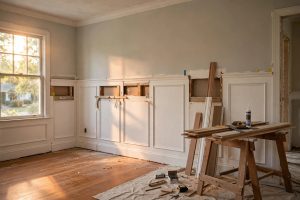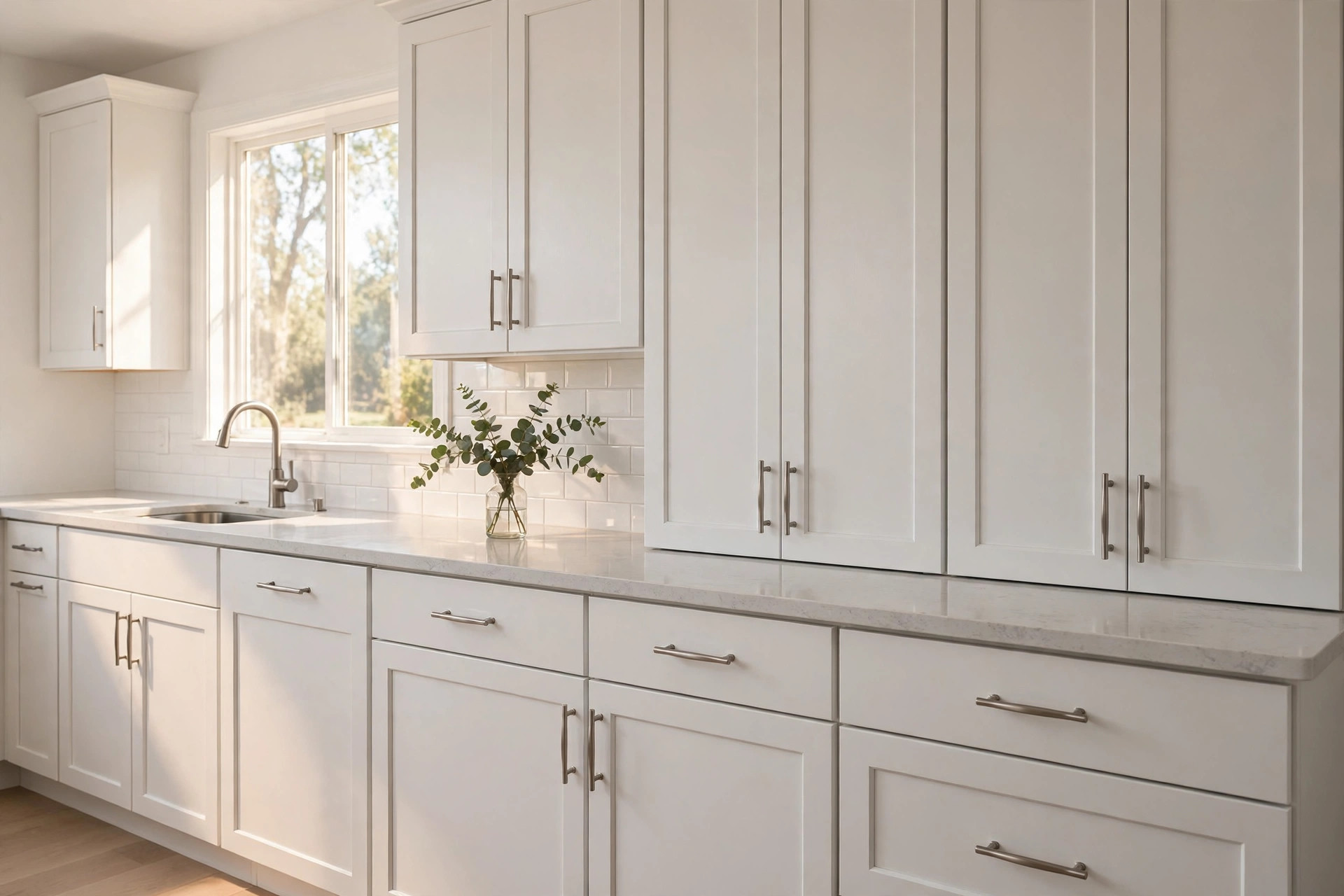

If you are searching for the best paint for laminate cabinets USA reviews can point you in the right direction, this guide will save you hours of trial and error. Laminate cabinets are common in American kitchens and baths. They look like wood, but the surface is a thin plastic film. Ordinary wall paint will not grip it. The wrong paint will chip, peel, or bubble within months. The right paint, paired with a bonding primer and careful prep, can give a finish that lasts for years.
Homeowners across the United States paint laminate cabinets every week. Many do it themselves over a long weekend. Others read expert painting advice before they pick up a brush. Either way, the lessons are the same. Prep work matters more than brand. Primer matters more than the top coat. And patience matters more than anything.
Why It Matters
Laminate cabinets are built from particle board covered with a printed film. That film is smooth, non-porous, and made to resist stains. Those same traits make paint slide right off. A kitchen without proper preparation can look fine on day one and start peeling by month three.
Replacing cabinets costs thousands of dollars. A fresh coat of paint costs a fraction of that. Done well, painted laminate can look like new custom cabinetry. The key is to use products that bond to slick surfaces and harden into a tough shell.
Reviews from real users across the country agree on one point. The failures are almost never the paint’s fault. They come from skipped steps. The successes come from sanding, cleaning, priming, and using the right top coat.
What to Look for in Cabinet Paint: Best Paint for Laminate Cabinets Usa Reviews
Strong Adhesion
Adhesion is the single most important trait. The paint must grip a surface that was designed to repel things. Look for products labeled for cabinets, trim, or glossy surfaces. Many painters also check reviews of bonding primers before choosing a system.
Hard, Washable Finish
Kitchen cabinets take daily abuse. Grease, steam, fingerprints, and bumps all hit them. A flat wall paint will scuff and stain. You want an enamel or urethane-modified paint that cures hard and wipes clean with a damp cloth.
Low Odor and Safe Recoat Times
Most of this work happens inside a lived-in home. Low-VOC or zero-VOC formulas keep the air fresher. Clear recoat instructions help you plan a weekend project without guessing.
Color and Sheen Options
Satin and semi-gloss are the most popular sheens for cabinets. Satin hides small flaws. Semi-gloss is easier to wipe down and reflects more light. Matte finishes look modern but are harder to clean.
Types of Paint That Work on Laminate
Acrylic Urethane Enamels
These are the top pick in most reviews. Acrylic urethane enamel flows smooth, levels out brush marks, and cures into a hard film. It is made for trim and cabinetry. Popular brands sold at major home retailers include several lines in this class. They cost more than wall paint, but they last far longer on cabinets.
Alkyd Enamels
Traditional oil-style alkyd paint dries very hard and smooth. Water-based alkyd formulas give much of that hardness with easier cleanup. The downside is longer dry time and stronger odor. In a busy kitchen, that can be a real drawback.
Chalk Paint with Top Coat
Chalk paint sticks to almost anything with little prep. That ease is its main selling point. If you are also looking at chalk paint for furniture where to buy USA, you will find it widely stocked in craft and home stores. The catch is durability. Chalk paint must be sealed with wax or a clear top coat, or it will wear through on high-touch areas like cabinet doors and drawer fronts.
Cabinet-Specific Paint Kits
Several brands sell all-in-one kits with deglosser, bonding primer, paint, and glaze. These kits remove the guesswork. They tend to cost more per square foot, but buyers like the clear steps. Read the label closely. Some kits are meant for real wood, not laminate.
How to Choose: A Step-by-Step Buyer Guide
Step 1: Know Your Cabinet Surface
Check whether your cabinets are true laminate, thermofoil, or melamine. True laminate is a glued film over particle board. Thermofoil is a vinyl sheet heat-sealed to the door. Both can be painted, but thermofoil that is peeling or bubbling must be repaired or stripped first. Paint will not fix loose film.
Step 2: Always Use a Bonding Primer
No matter which top coat you pick, a bonding primer is the step that makes paint stick to laminate. Bonding primers are made for slick, glossy surfaces. One thin, even coat is usually enough. Let it cure for the full time on the label before you add color.
Step 3: Sand Lightly Between Coats
You do not need to sand down to bare board. A light scuff with 220-grit sandpaper gives the next coat something to hold. Wipe away the dust with a damp cloth or tack cloth. This small step is what separates a professional look from a DIY look.
Step 4: Apply Thin Coats
Two or three thin coats beat one thick coat every time. Thick paint sags, drips, and takes days to harden. Use a high-quality brush for edges and a small foam roller for flat door faces. Let each coat dry per the label.
Step 5: Let the Paint Cure
Paint feels dry long before it is fully hard. Most enamels need seven to thirty days to cure. Treat new cabinets gently during that time. Avoid banging doors and hold off on harsh cleaners.
Tools and Materials Checklist
Before you start, gather everything. A mid-project run to the store wastes drying time and breaks your rhythm.
– Bonding primer, one gallon for most kitchens – Cabinet enamel in your chosen color and sheen – 220-grit sandpaper and a sanding block – Tack cloths or a damp lint-free rag – Degreasing cleaner such as TSP substitute – High-quality angled brush, two-inch – Small foam rollers and a roller tray – Painter’s tape and drop cloths – Screwdriver or drill for removing doors and hardware – Sawhorses or a flat table for painting doors
Remove all doors, drawers, and hardware before you paint. Label each door on the back with tape so you know where it goes. Paint the boxes in place and the doors flat on sawhorses. This takes more time up front, but the finish is far neater than painting everything while it hangs.
Common Mistakes to Avoid
Reading reviews of failed projects is as useful as reading the good ones. The same errors show up again and again.
The first is skipping the degrease step. Kitchen cabinets hold years of cooking grease, even when they look clean. Paint will not bond to grease. Wash every surface with a degreasing cleaner and let it dry fully.
The second is using the wrong primer. A standard drywall primer does not grip laminate. You need a primer that says bonding, adhesion, or made for glossy surfaces on the label.
The third is laying paint on too thick. Thick coats look smooth at first, then sag as they dry. They also take much longer to harden, and soft paint chips easily. Two thin coats always beat one heavy coat.
The fourth is rushing the cure time. Doors that feel dry can still be soft for a week or more. Hang them gently and avoid slamming. Many painters wait a full two weeks before they call the job done.
The fifth is painting over damaged laminate. If the film is bubbling or lifting, fix it first. Glue down loose edges with contact cement, or cut away the loose film and fill the spot. Paint seals what is there. It does not repair what is broken.
Cost and Price
Painting laminate cabinets yourself is one of the cheapest kitchen upgrades. A typical kitchen with twenty to thirty doors and drawer fronts needs:
– One gallon of bonding primer: about $25 to $45 – One to two gallons of cabinet enamel: about $50 to $120 – Sandpaper, tack cloths, and cleaner: about $20 to $30 – Brushes, rollers, and painter’s tape: about $25 to $40
Total material cost runs from about $120 to $235. That covers most average kitchens. A gallon of paint from leading paint makers or premium paint brands sits at the higher end but often covers better.
Hiring a professional changes the math. If you are comparing the kitchen cabinet refinishing service cost USA, expect $2,000 to $5,000 for a full kitchen, depending on size and region. The labor covers prep, spraying, and a shop-grade finish. For many owners, the DIY route with a good product is the better value.
Care and Upkeep
A painted laminate finish needs gentle care, especially in the first month.
– Clean with a soft cloth and mild dish soap. Skip abrasive pads. – Wipe up grease splatter soon, before it sets. – Avoid ammonia-based cleaners on the fresh finish. – Do not hang damp towels over painted doors for long periods. – Keep a small jar of touch-up paint for chips.
Well-kept painted cabinets hold their look for five to ten years. When wear finally shows, usually on edges and handles, you can scuff sand and recoat without stripping everything.
Safety
Painting is safe work when you follow basic rules. Open windows and run a fan for airflow. Wear a dust mask when sanding, since laminate dust and old paint dust are not good to breathe. If your home was built before 1978 and the cabinets have older paint layers, test for lead before you sand. Project guides from home improvement experts explain the steps in plain language.
Keep paint cans and solvents away from children and pets. Store rags flat or in a metal can, since oil-soaked rags can heat up on their own. Wash your hands after painting, and keep the work area clear of food until the finish is dry.
FAQ
Can you really paint laminate cabinets?
Yes. Thousands of homeowners do it every year with good results. The secret is preparation. Clean the surface, scuff sand it, apply a bonding primer, and use a cabinet-grade top coat. Skip any of those steps and the paint may peel.
What is the best paint for laminate cabinets?
Most USA reviews point to acrylic urethane enamel as the best choice. It levels smooth, resists chips, and wipes clean. Chalk paint works too, but only with a strong clear top coat. For more options, see our guide to the best paint for kitchen cabinets USA reviews.
Do I need to sand laminate before painting?
Yes, a light sanding helps a great deal. Use 220-grit paper and scuff the gloss off the surface. You are not trying to remove the laminate, only to dull the shine so primer can grip. Vacuum and wipe the dust before priming.
How long does painted laminate last?
With proper prep and a quality enamel, the finish can last five to ten years in a normal kitchen. High-touch spots near handles wear first. Gentle cleaning and prompt touch-ups extend the life.
Can I use regular wall paint on laminate cabinets?
It is not advised. Wall paint is made for drywall, not for a slick plastic film. It will scratch and peel far sooner than a cabinet enamel. The small savings are not worth the early failure.
Should I spray or brush cabinet paint?
Spraying gives the smoothest finish and is what professionals do. But a brush and foam roller can give very good results with less mess and less gear. Work in thin coats, and the difference is small.
A Final Word
The best paint for laminate cabinets is the one you pair with solid prep work. Reviews from across the USA tell the same story again and again. Clean, sand, prime with a bonding primer, and finish with a hard enamel. Give the paint time to cure. Do that, and your old laminate cabinets can look fresh and new for years. For more paint project ideas, browse decorating guides, design inspiration, and paint selections at home improvement stores.
Related guides on this site include best exterior house painting cost estimator usa.
References
Behr. (n.d.). Paints, primers, and stains. https://www.behr.com Benjamin Moore. (n.d.). Paints and stains. https://www.benjaminmoore.com Bob Vila. (n.d.). Home improvement advice. https://www.bobvila.com Chalk paint for furniture where to buy usa. (n.d.). Home and garden information. https://www.chalk-paint-for-furniture-where-to-buy-usa/ HGTV. (n.d.). Home and garden ideas. https://www.hgtv.com Lowe’s. (n.d.). Home improvement products. https://www.lowes.com Sherwin-Williams. (n.d.). Paints and coatings. https://www.sherwin-williams.com The Home Depot. (n.d.). Home improvement products. https://www.homedepot.com The Spruce. (n.d.). Home and garden advice. https://www.thespruce.com This Old House. (n.d.). Home renovation guidance. https://www.thisoldhouse.com
Was this guide helpful?

About Robert Taylor
The My Garden US editorial team writes practical, in-depth home and garden guides for American homeowners — tested advice, no fluff.
You May Also Like
The Best Wood Filler for Trim Reviews USA: A Plain Guide to Smooth, Paint-Ready Repairs
July 26, 2026 0 views
Peel and Stick Wallpaper for Small Bathrooms: A Plain Guide
April 24, 2026 0 views
Interior Painting Cost per Square Foot 2026: A Plain Guide
August 19, 2026 0 views