
Introduction
A bare wall can make a fine room feel cold. Many shoppers search for gallery wall frame sets for sale USA stores carry in ready-made packs. These packs take the guesswork out of the work. A set holds frames in sizes that fit well together. A set also keeps the finish the same across every frame. You do not have to guess which frames match. You only need to pick your pictures and your wall. This guide shows you how to shop with care. It covers what to look for, what fair prices look like, and how to hang the frames safely. Read on, and you will buy with a clear mind.
Why Gallery Wall Frame Sets Matter: Gallery Wall Frame Sets for Sale Usa
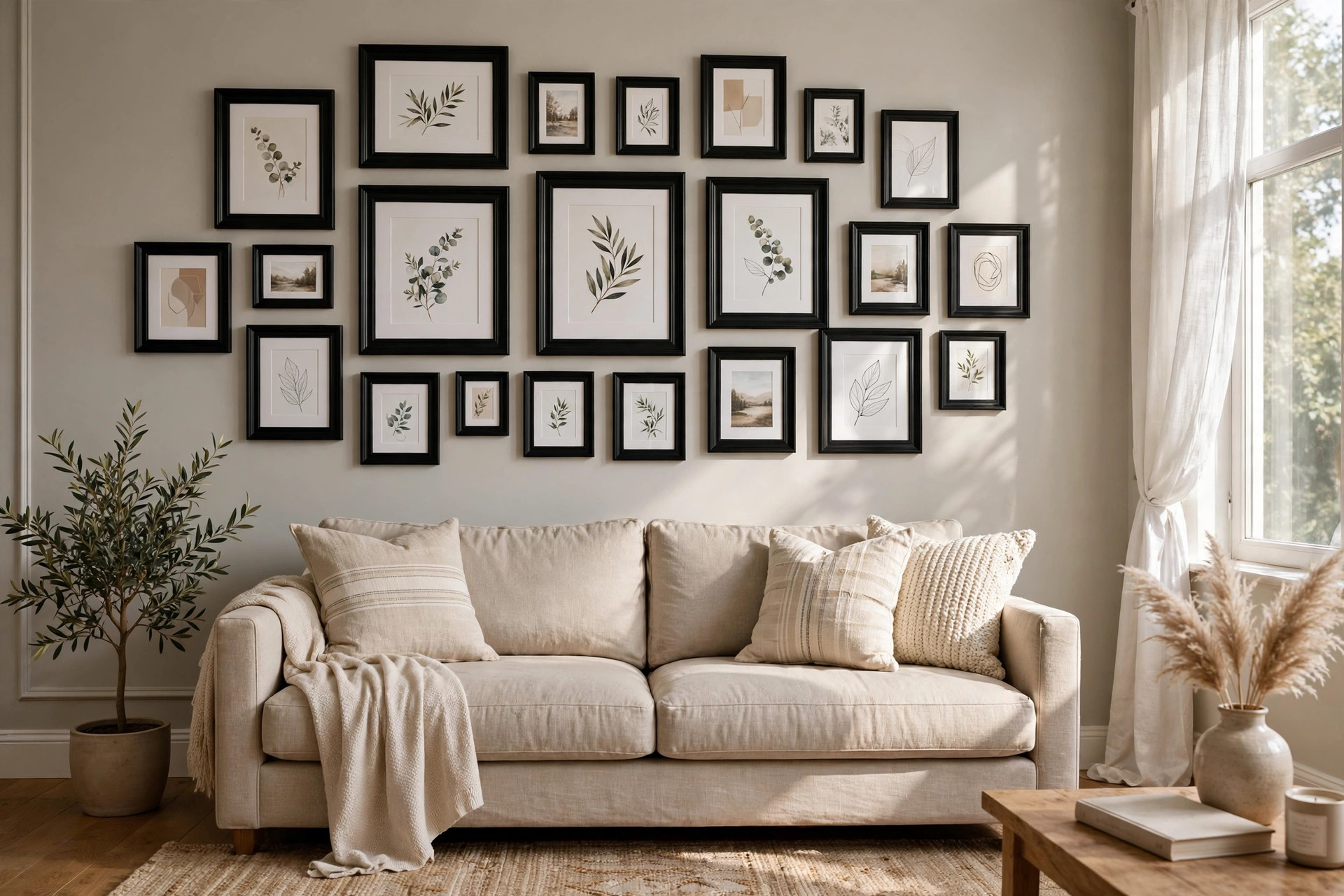
A gallery wall is a group of framed pictures hung as one display. Single frames bought one by one can clash. One may be black plastic. Another may be light oak. A third may be wide gold. Together they can look busy. A frame set solves this problem. Every frame shares the same color and profile. The sizes change, but the look stays calm.
Time is the second reason. A set of ten frames might take five minutes to pick out. The same job with single frames can take an hour. Designers plan many sets. They test which sizes fit well side by side. You get that work for free.
Cost is the third reason. A set often costs less per frame than single frames of the same make. Shops pack sets in one box. That cuts packing and shelf space. The savings pass to you. If you plan to fill a whole stair wall or hallway, the savings add up fast.
A gallery wall also suits many rooms. It suits living rooms above the sofa. It suits halls where guests pass. It suits bedrooms with family photos. It even suits home offices with prints and diplomas. Before you hang frames, think about the wall itself. Many owners repaint before they hang. If the paint looks tired, accent wall painting ideas for living rooms can spark a fresh plan. A new wall color makes old photos look new.
How to Choose the Right Set
Start with a tape measure. Measure the wall space you want to fill. Note the width and the height. Then mark that space on the wall with painter’s tape. Step back and look. The tape box shows you how much room your frames will fill. Most buyers under-size their display. A display that fills about two thirds of a wall looks best.
Next, count the frames. Sets often come in packs of six, ten, or fifteen. Small walls suit six to eight frames. A sofa wall often needs ten to fifteen. A full stair wall may need twenty or more. You can always buy two sets of the same line. Buying two of the same set keeps the look even. Buying two different lines can look patched.
Frame Sizes
Check what print size each frame holds. Many sets mix 4×6, 5×7, and 8×10 prints. Larger sets may add 11×14 or even 16×20. The listed size is the print size, not the outside size. The frame itself will be about one to two inches wider on each side. Keep this in mind when you measure your tape box.
Mats change the look. A mat is the thick paper border inside the frame. Sets with mats let a small print fill a larger frame. The mat adds air around the picture. White mats suit most art. Black mats suit bold color prints. If you dislike mats, pick a no-mat set. Both styles sell well.
Color and Finish
Black frames suit almost any room. They read as neat and modern. White frames suit bright rooms and beach styles. Natural wood suits warm rooms with wood furniture. Walnut and dark wood suit formal rooms. Pick one finish for the whole set. Mixed finishes work, but they need more care. If your room has mixed wood tones already, black is the safe choice. Before you buy, you may want to test wall paint tones. Paint makers such as Sherwin-Williams publish color guides that show how frame colors sit on painted walls.
Glass and Backing
Frames ship with glass or acrylic front panels. Real glass is clear and resists scratches. It is also heavy. Large real-glass frames can strain drywall hooks. Acrylic is light and shatter-proof. It suits homes with children and pets. It scratches more easily, so clean it with a soft dry cloth.
Backing boards hold prints flat. Thin cardboard backs can warp in damp rooms. Rigid backs stay flat for years. Look at the hanging hardware too. Sawtooth hangers suit small light frames. D-rings with wire suit larger frames. Good sets include the hardware and small wall hooks in the box. If you want deeper study on finishes, Behr explains how sheen levels change the way a wall reads behind frames.
Types of Gallery Wall Frame Sets
Grid sets hold frames of one size. Four, six, or nine same-size frames make a tidy grid. Grids suit modern rooms. They suit family photo rows. The lines stay straight. They are easy to hang.
Salon sets hold mixed sizes. These make the classic gallery look. A big frame anchors the middle. Smaller frames fill around it. Salon sets suit art prints and mixed collections. They take more planning to hang. Many include a paper template that marks each spot.
Wood frame sets suit most homes. Pine and MDF with wood veneer look warm. They weigh less than solid hardwood. Metal frame sets look slim and modern. Thin black metal profiles suit photos and diplomas. Plastic sets cost the least. They suit dorm rooms and first apartments.
Shadow box sets hold deep items. A shadow box frame has room behind the glass. It can hold tickets, medals, or small crafts. These suit memory walls. They cost more than flat sets.
Some sets aim at one room style. A farmhouse set may use distressed white wood. A modern set may use thin black metal. Pick the style that fits your room, not the trend of the month. For fresh ideas on wall styles, HGTV tracks current home decor trends each season. If you plan a bold backdrop, mural wallpaper for living room for sale shows how large prints work behind a gallery display.
Cost and Price
Prices vary by size, material, and count. Small sets of six frames often sell for twenty-five to sixty dollars. Mid-size sets of ten often sell for sixty to one hundred twenty dollars. Large sets of twelve to fifteen often sell for one hundred twenty to two hundred fifty dollars. Designer solid-wood sets can run higher.
Do the per-frame math. A ten-frame set at eighty dollars costs eight dollars a frame. That helps you compare sets of different counts. Watch for hidden costs. Shipping can add twenty dollars or more on large sets. Some shops charge extra for replacement glass.
What raises the price? Solid wood raises it. Real glass raises it. Acid-free mats raise it. Name brands raise it. What lowers the price? MDF cores, acrylic fronts, and no mats. Mid-range sets often give the best value. They use veneer over stable cores. They include decent hardware.
Buy a spare set if you can. Frame lines change each year. If one frame breaks in two years, a matching spare saves you. Home improvement stores stock many frame lines. Shoppers can compare packs side by side at stores like The Home Depot and Lowe’s. Online shops often show the full layout photo. That photo helps you judge the look before you buy.
Care and Upkeep
Dust frames once a month with a dry soft cloth. Dust builds in the corners and on the top edge. For glass, use a glass cleaner sprayed on the cloth, not on the frame. Spray on the glass itself can seep under the edge and stain the mat.
Keep prints out of direct sun. Sun fades ink and yellows paper. A north-facing wall or a shaded hall suits art best. If the only free wall gets sun, pick UV-filtering glass or acrylic. These cost more but guard your prints for years.
Check hangers once a year. Wire can stretch. Hooks can work loose. A quick check takes ten minutes for a full wall. Press each frame gently. If it wobbles, reset the hook. In damp rooms, check backing boards for warp. Swap warped backs for rigid ones. Small care keeps a gallery wall neat for decades. The editors at Bob Vila offer more home upkeep guides in plain language.
Safety
Frames have weight. A large real-glass frame can weigh five pounds or more. Drywall alone cannot hold that weight. Use a wall stud or a proper anchor. Stud finders cost little and work well. They beep over the stud. Drive the hook into the stud for heavy frames. For lighter frames, rated drywall anchors work fine. Read the rating on the anchor pack. It lists the max weight.
Glass and children do not mix. Hang real-glass frames high in homes with small children. Use acrylic fronts at child height. Keep frame bottoms above sixty inches in play areas. Small wire pieces and hooks are choking hazards. Pick them up during the work.
Ladder safety matters too. Most gallery walls need a step stool or ladder. Place it on flat ground. Keep your hips between the rails. Do not lean out to reach a far spot. Move the ladder instead. One person holds the frame while the other steps back to judge the line. For more on safe hanging hardware, This Old House publishes step-by-step guides.
Frequently Asked Questions
How many frames do I need for a six-foot wall? A six-foot wall, which is seventy-two inches wide, suits ten to fifteen frames. That count fills about two thirds of the width. A set of ten mixed frames is a safe pick. Tape the outline first to check the fit.
Can I mix frame sets from different brands? You can, but do it with care. Pick sets with the same finish and profile width. Black sets from two brands often match well. Wood tones vary more. Buy one frame from each line first. Hold them side by side before you commit.
What holds prints flat inside the frame? Backing boards and mats hold prints flat. Acid-free mats guard photos from yellowing. Foam-core backers add stiffness. In damp rooms, use rigid plastic backers. They resist warp from moisture.
Do I need a paper hanging template? No, but it helps a lot. Many sets include one. You tape the paper to the wall and mark each nail spot. If your set lacks one, trace each frame on kraft paper. Cut out the shapes. Tape them up and move them until the layout pleases you.
How do I keep prints from fading? Keep frames out of direct sun. Use UV-filtering glass or acrylic. Pick acid-free mats and backs. These three steps add years to a print. For layout inspiration, The Spruce shows gallery wall plans for many room sizes.
Should the wall be painted before I hang frames? Yes, if the paint is old or marked. Paint first, let it cure for two weeks, then hang. Fresh paint lifts the whole display. Color guides from Benjamin Moore can help you pick a tone that suits your frames. If you like texture on the wall, faux brick wall panels for sale usa offers another backdrop idea behind a frame display.
A Final Word
Gallery wall frame sets save time, money, and worry. Measure your wall. Pick one finish. Count your frames. Hang with proper anchors. With those four steps, a bare wall turns into a story. Your photos and prints will look their best. Shop with a clear plan, and the wall will please you for years.
References
Behr. (n.d.). Paints, primers, and stains. https://www.behr.com Benjamin Moore. (n.d.). Paints and stains. https://www.benjaminmoore.com Bob Vila. (n.d.). Home improvement advice. https://www.bobvila.com HGTV. (n.d.). Home and garden ideas. https://www.hgtv.com Lowe’s. (n.d.). Home improvement products. https://www.lowes.com Sherwin-Williams. (n.d.). Paints and coatings. https://www.sherwin-williams.com The Home Depot. (n.d.). Home improvement products. https://www.homedepot.com The Spruce. (n.d.). Home and garden advice. https://www.thespruce.com This Old House. (n.d.). Home renovation guidance. https://www.thisoldhouse.com
Was this guide helpful?

About Robert Taylor
The My Garden US editorial team writes practical, in-depth home and garden guides for American homeowners — tested advice, no fluff.
You May Also Like

Modern Farmhouse Paint Colors Exterior USA
August 2, 2026 0 views
Interior Painting Cost per Square Foot 2026: A Plain Guide
August 19, 2026 0 views
Exterior Brick Painting Service Near Me Cost: What Homeowners Should Know
March 11, 2026 0 views