
Introduction
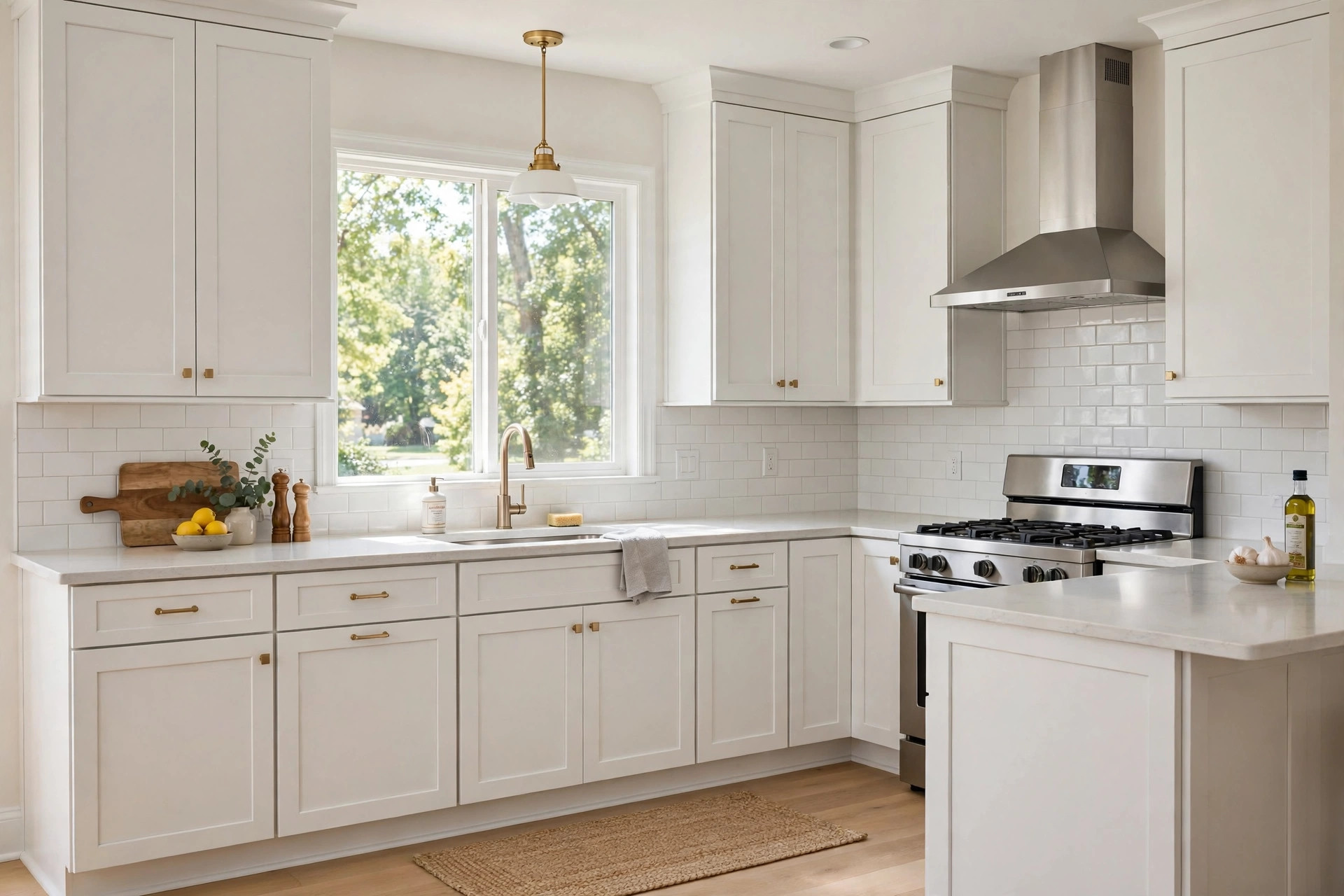
The best paint for kitchen cabinets in the USA can turn a tired kitchen into a fresh one. Cabinet paint is not the same as wall paint. Cabinet doors open and close every day. They face steam, grease, and hand marks. The paint must be tough enough to take that wear and still look good for years.
This guide reviews the top types of cabinet paint sold across the United States. It looks at what makes one paint better than another. It covers cost, prep work, and safe use. By the end, you will know which paint fits your kitchen, your budget, and your skill level.
Why Paint Your Kitchen Cabinets: Best Paint for Kitchen Cabinets Usa Reviews
New cabinets cost thousands of dollars. A full kitchen remodel can cost more than a used car. Paint offers a middle path. For a few hundred dollars and some long weekends, you can change the whole feel of the room.
Painted cabinets have a long history in American homes. Farmhouse kitchens of the early 1900s were often painted white to keep them bright and clean. Today the trend is back. Soft whites, deep greens, and warm grays lead the list of popular cabinet colors in the United States.
Paint also lets you fix a dated look without tearing out good wood. Many kitchens built in the 1980s and 1990s have solid oak cabinets. The wood is sound. The color is not. A coat of good cabinet paint brings them up to date. If the job is done well, guests may think the cabinets are brand new.
What To Look For in Cabinet Paint
Not every paint can survive kitchen duty. These are the key traits to check before you buy.
Durability
Cabinets get touched more than walls. Fingertips, rings from cups, and splatter from cooking all test the paint film. Look for paint made for trim, doors, and cabinets. These paints cure into a hard shell. A hard shell resists chips and scrubbing.
Testers at review sites rate paints for hardness and adhesion. Expert paint tests often include scratch and stain trials. Check those results before you settle on a brand.
Finish
Cabinet paint comes in flat, eggshell, satin, semi-gloss, and gloss. Flat hides flaws but stains fast. High gloss looks great but shows every brush mark. Most pros pick satin or semi-gloss for cabinets. Satin gives a soft sheen that wipes clean. Semi-gloss is a bit shinier and even easier to scrub.
Ease of Use
Some paints level out on their own. That means brush marks fade as the paint dries. Self-leveling paint is a gift for do-it-yourself painters. Thin paints are easier to brush but may need three coats. Thick paints cover in two coats but can leave ridges. Read the label and the reviews for leveling and coverage notes.
Dry and Cure Time
Paint may feel dry in an hour. That does not mean it is cured. Full cure can take two to four weeks. During that time the paint is still soft. Plan to use the kitchen gently. Put the doors back on their hinges, but do not slam them.
Types of Cabinet Paint
Four main types of paint are used on kitchen cabinets across the country. Each has strengths and trade-offs.
Alkyd Paint
Traditional alkyd is oil-based. It flows smooth and cures very hard. For years it was the top choice of cabinet shops. The downside is strong fumes. It needs mineral spirits for cleanup. Some states limit its sale due to rules on fumes. If you pick alkyd, work with the windows open and a fan running.
Water-based alkyds are a newer mix. They act like oil paint but clean up with water. Many reviews call them the best of both worlds. They level well, cure hard, and smell far less. For a kitchen that stays in daily use, water-based alkyd is often the top pick.
Acrylic Latex Paint
Acrylic latex is the most common paint in American stores. It dries fast and cleans up with soap and water. Low odor makes it easy to live with. Quality has improved a great deal in the past decade. Top lines now rival oil paint for hardness.
The main risk is softness early on. A door painted with latex can stick to the cabinet frame if you close it too soon. Wait the full cure time. Once cured, a good acrylic holds up well to grease and mild scrubbing.
Chalk Paint
Chalk paint is loved for furniture. It sticks to old finishes with little sanding. On kitchen cabinets it can work, but it needs a strong topcoat. Without a seal, chalk paint scratches fast in a busy kitchen. Use it for a soft, matte look and plan on a clear poly or wax seal over the top.
Milk Paint
Milk paint is made from milk protein, lime, and pigment. It is one of the oldest paint types known. It gives a flat, old-world look. Like chalk paint, it needs a seal for kitchen use. It suits rustic and farmhouse styles.
The Top Brands in USA Reviews
Across major review sources, a few names keep rising to the top. The big paint makers all sell cabinet-grade lines. Their national store networks make color matching easy if you need more paint mid-job.
Home improvement retail sites stock these lines in most states. Shoppers can read thousands of owner reviews on the product pages. Those reviews often note real-world issues, like long dry times or poor coverage on oak grain. A mix of expert tests and owner reviews gives the clearest picture.
Design and how-to sites also publish paint roundups each year. Design sites test for brush feel, leveling, and stain resistance. Their top picks rarely change much from year to year, which says the best formulas are stable and trusted.
How To Paint Kitchen Cabinets: Step by Step
Good prep is half the job. Rushed prep shows through even the best paint.
1. Clear the kitchen. Remove everything from the counters and the cabinets. 2. Label each door and drawer front. Use painter’s tape on the back edge. Draw a small map so each piece goes back to its own spot. 3. Take off the doors, drawers, and hardware. Set the hinges and handles in labeled bags. 4. Clean every surface with a grease-cutting cleaner. Kitchen grease is the main cause of paint failure. 5. Sand lightly. A 120-grit pad on flat areas is enough. You do not need to strip to bare wood. You only need to dull the old shine so the primer can grip. 6. Fill holes and dents with wood filler. Let it dry, then sand smooth. 7. Apply a bonding primer. This step is not optional on old cabinets. Primer sticks to the old finish, and the topcoat sticks to the primer. 8. Paint the backs of the doors first. Then paint the fronts and the cabinet boxes. Use thin, even coats. Two coats are normal. Three may be needed for deep colors. 9. Let everything cure fully before reassembly. Many painters wait a week before hanging the doors. 10. Put on new or cleaned hardware. Fresh knobs and pulls can make the whole job look new.
If brushing feels slow, a paint sprayer can speed the work. Our guide to the best paint sprayer for home use reviews walks through picks that suit cabinet work.
Cost and Price
Painting cabinets yourself costs far less than replacing them. Here is a rough guide in US dollars.
– Cabinet paint: 30 to 80 dollars per gallon. Most kitchens need two to four gallons. – Bonding primer: 25 to 50 dollars per gallon. One to two gallons is usual. – Sandpaper, filler, tape, and brushes: 50 to 100 dollars. – New hardware: 2 to 10 dollars per knob or pull.
A typical do-it-yourself job runs 200 to 600 dollars in materials. If you hire a pro, expect 3,000 to 10,000 dollars for a full kitchen. The price depends on kitchen size, paint type, and how much repair the old cabinets need. Our article on kitchen cabinet refinishing service cost usa breaks those numbers down further.
Spray application by a pro gives the smoothest look. It also costs more than brushing. Weigh the finish you want against the budget you have.
Care and Upkeep
Fresh paint needs gentle care at first. For the first month, wipe spills with a soft damp cloth. Avoid harsh scrub pads. Cleaners with ammonia or bleach can dull the finish.
After full cure, upkeep is simple. Wash the fronts near the stove every few weeks. Grease builds up there first. Use a mild dish soap and warm water. Dry with a soft towel. Check hinges once a year and tighten any loose screws. A small chip can be touched up with a bit of leftover paint dabbed on with an artist brush.
Keep a sealed jar of the paint for touch-ups. Write the color name and code on the lid. Store it in a cool, dry place. Shake or stir it before use.
Safety
Paint work brings fumes and dust. Open windows and run a fan to move air through the kitchen. Wear a dust mask when sanding. Old homes may have lead paint under the old finish. Homes built before 1978 should be tested before sanding. If lead is present, call a certified lead-safe contractor.
Oil-based products need extra care. Rags soaked in oil-based paint can catch fire on their own. Spread used rags flat outdoors to dry, then throw them away per local rules. Keep paint and thinners away from furnaces and water heaters. Read every label before you start.
Frequently Asked Questions
What is the best paint for kitchen cabinets for a beginner?
A quality acrylic latex made for cabinets is the easiest to use. It cleans up with water, smells mild, and dries fast. Pick a satin or semi-gloss finish for easy wiping. Take your time with prep, and the result will look sharp.
Do I need to sand cabinets before painting?
Yes, at least a light sand. Sanding dulls the old gloss so primer can hold. You do not need to remove all the old finish. A quick pass with 120-grit sandpaper is enough on most cabinets. Always clean off the dust before priming.
How many coats of paint do cabinets need?
Most jobs need one coat of primer and two coats of paint. Deep colors like navy or forest green may need three coats. Thin coats work better than one thick coat. Thick coats can run, drip, and take too long to dry.
Can I paint over stained wood cabinets?
Yes. Clean, sand, and prime them first. A bonding primer made for slick surfaces is key. Stained wood can bleed color through light paint, so a stain-blocking primer is smart under white or cream topcoats. Our piece on the best white paint for interior walls usa covers bleed-through in more detail.
What sheen is best for kitchen cabinets?
Satin and semi-gloss lead the pack. Satin looks soft and modern. Semi-gloss is tougher and easier to scrub. High gloss looks bold but shows flaws. Flat and matte mark too fast for kitchen doors.
How long will painted cabinets last?
With good prep and quality paint, expect seven to twelve years. Kitchens with heavy cooking wear faster near the stove. Touch up chips early. A small chip left open can let moisture in and grow into peeling.
A Final Word
The best paint for kitchen cabinets is the one that matches your kitchen, your patience, and your budget. Water-based alkyds and top acrylics earn the highest marks in most USA reviews, including the color and paint lines many pros swear by. Either can give a smooth, hard, lasting finish. Spend most of your effort on cleaning, sanding, and priming. The paint does the rest. A careful weekend job can make a twenty-year-old kitchen feel new again.
References
Behr. (n.d.). Paints, primers, and stains. https://www.behr.com Bob Vila. (n.d.). Home improvement advice. https://www.bobvila.com HGTV. (n.d.). Home and garden ideas. https://www.hgtv.com Lowe’s. (n.d.). Home improvement products. https://www.lowes.com Sherwin-Williams. (n.d.). Paints and coatings. https://www.sherwin-williams.com The Home Depot. (n.d.). Home improvement products. https://www.homedepot.com The Spruce. (n.d.). Home and garden advice. https://www.thespruce.com This Old House. (n.d.). Home renovation guidance. https://www.thisoldhouse.com
Was this guide helpful?

About Sarah Mitchell
The My Garden US editorial team writes practical, in-depth home and garden guides for American homeowners — tested advice, no fluff.
You May Also Like

Where to Buy Limewash Paint in the USA
May 25, 2026 0 views
Wainscoting Installation Service Near Me Reviews: A Homeowner’s Guide
February 23, 2026 0 views
High Gloss Paint for Trim Reviews USA: A Plain Guide to a Flawless Finish
February 15, 2026 0 views