
Introduction
These best paint sprayer for home use reviews were written for the ordinary home owner. The aim is simple. A paint sprayer can cut painting time in half. It can also give a smoother finish than a brush or a roller. But not every sprayer suits every job. This guide explains the main types, what they cost, how to choose one, and how to use it with care.
Why a Paint Sprayer Matters: Best Paint Sprayer for Home Use Reviews
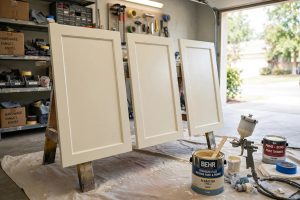
A brush is slow. A roller is faster but leaves a light texture. A sprayer lays paint down in a fine, even mist. The result is smooth on trim, doors, and cabinets. It is fast on fences, decks, and large walls.
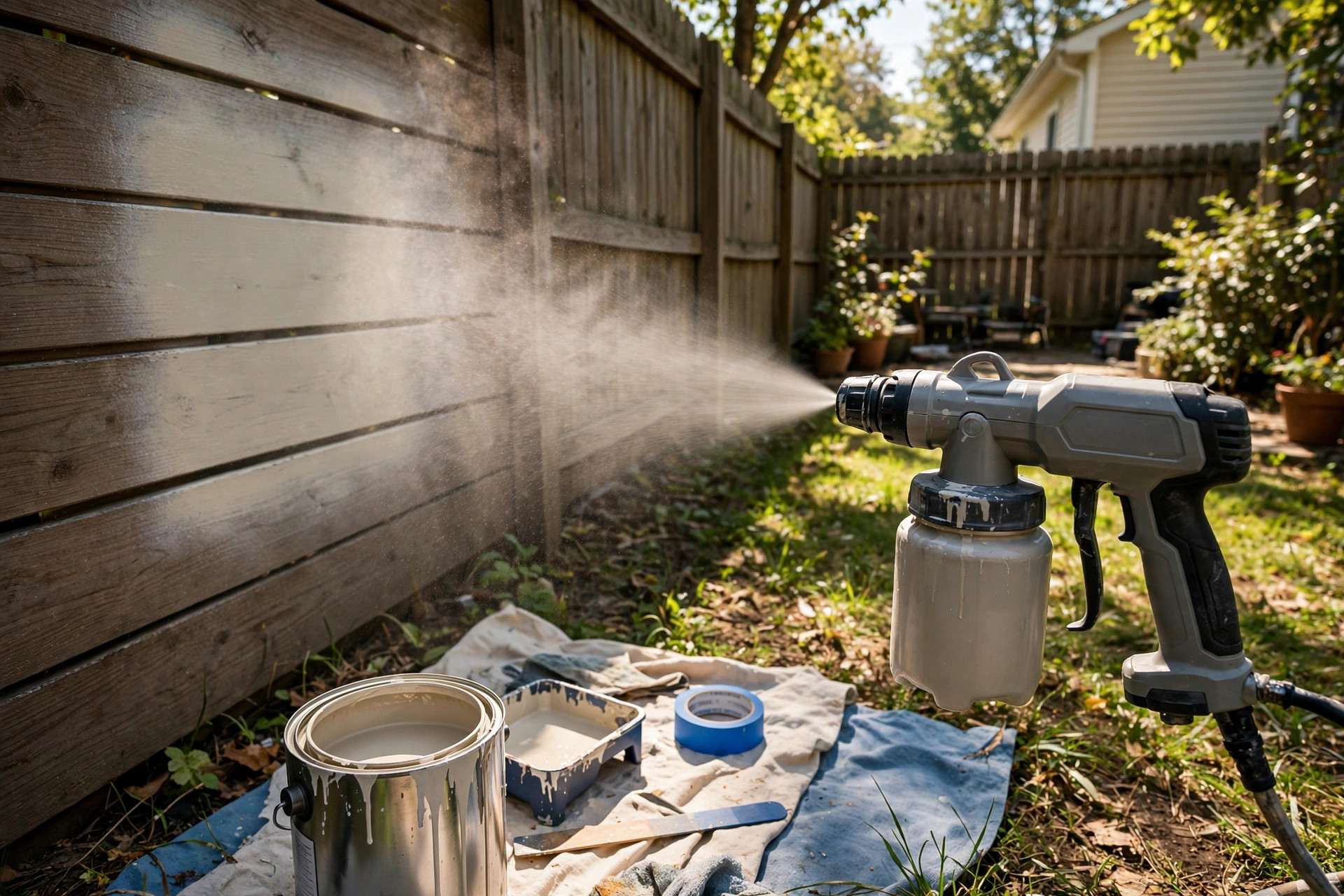
Sprayers also reach places that are hard to brush. Lattice work, spindles, rough brick, and grooved siding take hours by hand. A sprayer covers them in minutes. For a home owner with a fence line or a big exterior wall, the time saved is real.
There are trade offs. A sprayer needs masking tape and drop cloths. Paint mist drifts. Cleanup takes longer than rinsing a roller. Overspray can spot windows, plants, and cars. With care and a little practice, these problems are easy to manage. Many home owners buy a sprayer for one project and keep it for the next ten. A fence that took two weekends with a brush takes one Saturday with a sprayer. A garage door that looked streaked with a roller comes out smooth. The tool earns its shelf space fast.
Paint quality still matters more than the tool. A cheap sprayer with good paint beats a fine sprayer with thin, poor paint. Buy the best paint you can afford. It covers in fewer coats and it lasts longer on the wall.
How to Choose a Home Paint Sprayer
Match the Sprayer to the Job
Start with the size of the work. A small cup sprayer is enough for a single door or a chair. A medium airless sprayer suits a room or a fence. A large airless unit with a long hose is made for whole house exteriors.
Think about how often you will use it. For one weekend project, a basic model is fine. For yearly work around the house, a sturdier unit pays for itself. Trade journals such as This Old House have long advised home owners to buy for the biggest job they plan, not the smallest.
Know Your Paint
Most home sprayers handle water based latex paint. Thick paint may need thinning. Oil based paint works in most sprayers too, but cleanup needs mineral spirits. Check the paint can. Makers like Behr print spray directions and thinning ratios on the label.
Some sprayers list a maximum paint thickness. If your paint is very thick, look for a unit that can take it without thinning. Thinning adds steps and can change the finish.
Set a Budget
Prices range from under fifty dollars to over three hundred. Cheap cup sprayers work for small craft jobs. Mid priced units handle most home rooms and fences. High end airless models are built for big exteriors and heavy use.
A good rule is to spend more on the sprayer if you will use it often. For one job, consider renting. Many home centers rent airless sprayers by the day at a fair price.
Read the Specs
Look at flow rate, measured in gallons per minute. Higher flow means faster work on big walls. Look at tip size. A wider tip sprays a broader fan for walls. A narrow tip gives control for trim.
Weight matters too. A heavy sprayer tires the arm on a long fence line. A long hose lets you move without dragging the whole unit.
Types of Home Paint Sprayers
Airless Sprayers
Airless units push paint through a small tip at high pressure. They are the workhorses of home painting. They spray thick latex with no thinning in most cases. They cover walls, ceilings, fences, and siding fast.
They are not the best for fine detail. The spray is strong and can flood trim if you move too slowly. They also produce the most overspray. For large areas, though, no home tool beats them for speed.
HVLP Sprayers
HVLP stands for high volume, low pressure. These sprayers use a stream of air to carry paint in a soft mist. They give the smoothest finish of any home type. They are the first choice for cabinets, doors, and furniture.
They work slowly on big walls. They also need thinner paint. Many users thin latex by ten to twenty percent for HVLP work. Benjamin Moore notes that fine finishes depend on proper thinning and clean filters, which is good advice for any HVLP job. Strain thinned paint through a mesh filter before you pour it in. Even a small lump can block the small tip and ruin a smooth coat.
Compressed Air Sprayers
The old style sprayer uses a compressor and a spray gun. Painters have used them for decades. They give a fine finish but waste a lot of paint as overspray. The compressor is loud and heavy.
For most home owners today, an HVLP or airless unit is a better buy. Compressed air guns still have a place in shops and garages where a compressor is already on hand.
Handheld Cup Sprayers
These small units hold a quart or less of paint in a cup. They are light and easy to carry. They suit touch ups, small rooms, and craft work. Many are sold as all in one kits with no hose.
They run out of paint fast. Refilling every few minutes slows big jobs. They also clog more often than larger units. For a home makeover weekend project like one accent wall or a set of shutters, they are a fair choice.
Cost and Price
Home paint sprayers fall into three price bands. Entry level cup sprayers cost forty to ninety dollars. Mid range airless and HVLP units cost one hundred to two hundred fifty dollars. Pro style airless sprayers cost three hundred dollars and up.
Rental is worth a look. A day rental of a pro airless sprayer often costs seventy to one hundred dollars. That can be cheaper than buying for a single exterior job. Lowe’s and other large stores rent sprayers and sell the tips and filters you will need.
Do not forget supplies. Masking tape, plastic sheeting, drop cloths, filters, extra tips, and cleaning solvent add to the bill. A five gallon bucket of paint for a fence or siding can cost more than the sprayer itself. Sherwin-Williams stores and their site offer advice on how much paint a sprayed coat will use, which is often more than a rolled coat.
Price per project falls fast if you reuse the sprayer. Two or three jobs can pay back a mid range unit against the cost of hiring a painter. A hired painter may charge several hundred dollars for one fence. Do that fence yourself twice and the sprayer has paid for itself, with years of use still ahead.
Care and Upkeep
A sprayer lasts for years if it is cleaned after every use. Latex paint dries fast inside pumps and tips. Flush the unit with water until the water runs clear. For oil paint, flush with mineral spirits.
Remove the tip and filter and soak them. A clogged tip is the most common cause of a bad spray pattern. Keep spare tips on hand. They are cheap and they wear out.
Store the sprayer dry in a place that does not freeze. Water left in the pump can rust parts over winter. Pump conditioner, sold at paint stores, keeps seals soft between jobs.
Check hoses for cracks before each use. A burst hose under pressure is dangerous. Tighten all fittings by hand, then give a small extra turn with a wrench. Guides at The Spruce remind home owners that most sprayer trouble comes from poor cleaning, not from bad machines.
If you spray indoors, pair the job with the right paint. Our guide to the best white paint for interior walls can help you pick a wall color that hides spray lines. For low odor rooms, see our notes on zero-VOC paint for a nursery.
Safety
A paint sprayer is a tool, not a toy. Airless sprayers inject paint under the skin if the tip touches flesh. Never point the gun at yourself or others. Keep the safety lock on when you are not spraying.
Wear a respirator rated for paint mist, not a paper dust mask. Wear goggles and gloves. Paint mist in the eyes burns and can cause real harm.
Ventilate indoor rooms. Open windows and use a fan to move air out. Keep spray away from pilot lights, heaters, and open flame. Solvent fumes can catch fire.
Cover skin. Latex mist washes off, but oil based paint needs solvent to remove. Long sleeves save scrubbing later.
Keep children and pets out of the work area until the mist settles and the paint is dry. Masking and drop cloths should stay down until then.
Advice from Bob Vila, a trusted name in home repair writing for decades, has long stressed the same point. Prep and protection take more time than the spraying itself. That is normal. It is also what keeps the job safe and clean.
Frequently Asked Questions
Is a paint sprayer better than a roller for home use?
For large or rough surfaces, yes. A sprayer is faster and smoother on fences, siding, and ceilings. For a single small wall, a roller is simpler. Setup and cleanup for a sprayer take time, so the roller wins on tiny jobs.
Can a beginner use a paint sprayer?
Yes, with practice. Start on cardboard or a scrap board. Learn to keep the gun moving at a steady speed and a steady distance. Most home owners get a good pattern within half an hour. Masking is the real skill. Take your time with tape and plastic.
Do I need to thin paint for a sprayer?
It depends on the sprayer. Most airless units spray latex straight from the can. HVLP and cup sprayers often need thinning. Read both the sprayer manual and the paint label. Never thin more than the label allows.
How much paint does a sprayer use?
A sprayer uses more paint than a roller, often twenty to thirty percent more. Overspray and mist account for the loss. Buy extra. Running out mid wall leaves a visible line.
Can I spray inside the house?
Yes. Mask everything you do not want painted. Floors, trim, windows, outlets, and furniture all need covering. Ventilate well and wear a respirator. For ceilings, our guide to paint for an exposed basement ceiling pairs well with sprayer work.
How do I avoid streaks and lines when spraying?
Overlap each pass by about half the fan width. Keep the gun the same distance from the surface, usually ten to twelve inches. Start moving before you pull the trigger and release before you stop. This keeps paint from building up at the ends of each stroke.
What is the easiest sprayer to clean?
Cup sprayers clean fastest because they have few parts. Airless units take longer but most have a flush setting that speeds the job. Clean right away. Dried paint turns a ten minute cleanup into an hour of scraping.
A Short Final Word
A home paint sprayer is one of the best time savers a home owner can buy. Pick the type that fits your biggest job. Read the paint label. Mask with care. Clean the unit the same day. Do those four things and the finish will look like a pro did it.
References
Behr. (n.d.). Paints, primers, and stains. https://www.behr.com Benjamin Moore. (n.d.). Paints and stains. https://www.benjaminmoore.com Bob Vila. (n.d.). Home improvement advice. https://www.bobvila.com HGTV. (n.d.). Home and garden ideas. https://www.hgtv.com Lowe’s. (n.d.). Home improvement products. https://www.lowes.com Sherwin-Williams. (n.d.). Paints and coatings. https://www.sherwin-williams.com The Home Depot. (n.d.). Home improvement products. https://www.homedepot.com The Spruce. (n.d.). Home and garden advice. https://www.thespruce.com This Old House. (n.d.). Home renovation guidance. https://www.thisoldhouse.com
Was this guide helpful?

About David Wilson
The My Garden US editorial team writes practical, in-depth home and garden guides for American homeowners — tested advice, no fluff.
You May Also Like
Painting Steel Entry Door Tips USA: A Practical Guide for Homeowners
March 27, 2026 0 views
Flat vs Eggshell Paint for Walls USA: Which Finish Is Right for Your Home
August 14, 2026 0 views
Best Picture Hanging Strips for Heavy Frames
May 1, 2026 0 views