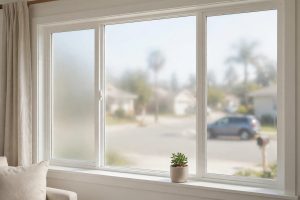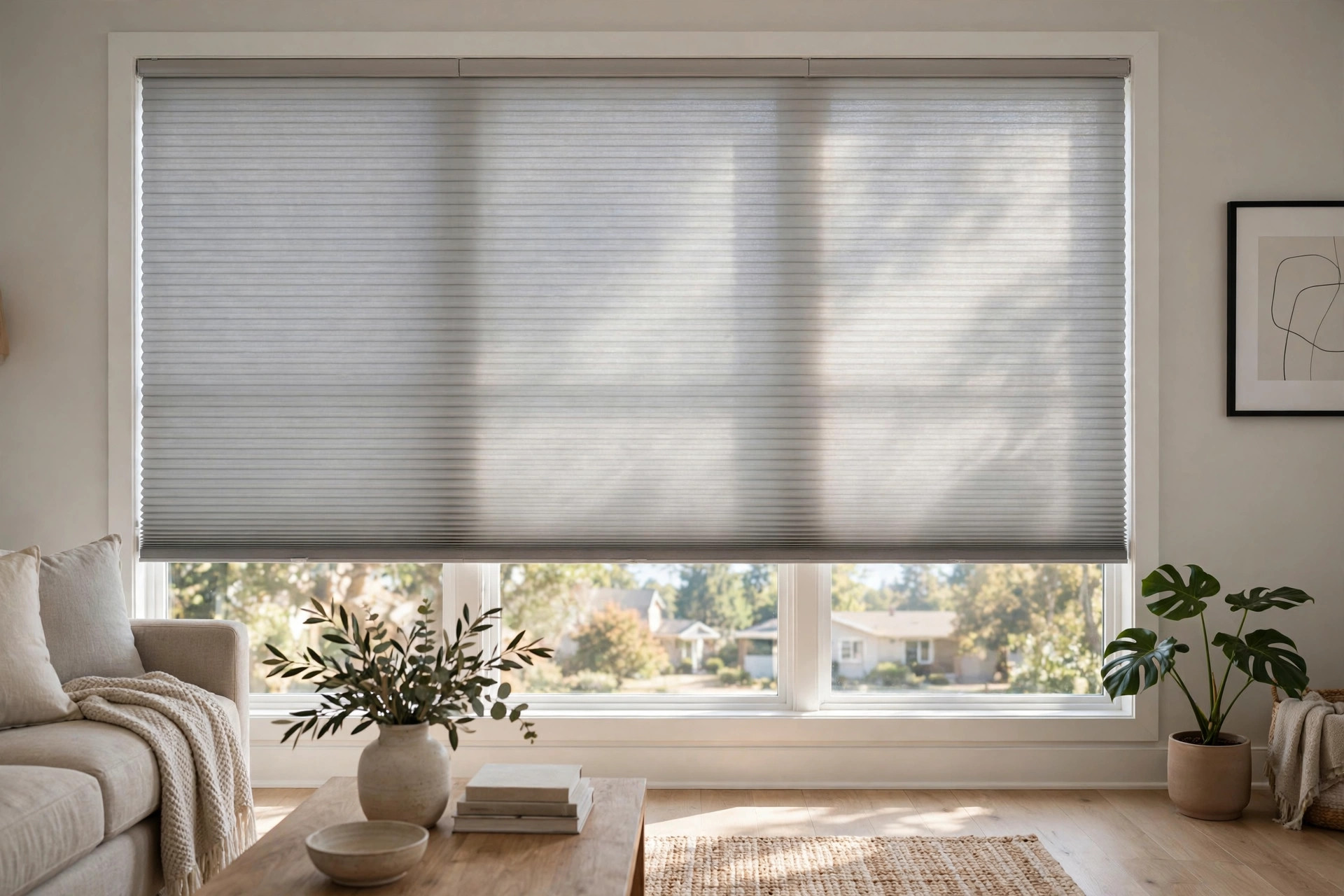

A window covering should do simple work. It should block light when you want dark. It should hold heat in winter and keep heat out in summer. It should look neat. The best cordless cellular shades for sale do all of this without a hanging cord. There is no cord to pull. There is no cord to tangle. You push the bottom rail up with your hand, and you pull it down the same way. This is why so many American homes now use them.
Cellular shades are also called honeycomb shades. They are made of fabric folded into small tubes, or cells. The cells trap air. Trapped air slows heat from passing through the glass. The result is a shade that costs little, looks clean, and cuts energy waste. When you shop, you will see many choices. This guide walks through each choice in plain words.
Why Cordless Cellular Shades Matter
Windows are the weakest point in most walls. A single pane of glass loses heat fast. Even double-pane glass lets more heat through than an insulated wall. Shades add a layer. Cellular shades add two layers of fabric plus pockets of still air. This can cut heat loss through a window by a real and useful amount. The United States Department of Energy energy.gov notes that window coverings can reduce heat loss and heat gain in a measurable way.
Cordless lift matters for a second reason: safety. Loose cords have caused deaths and injuries among small children and pets. The Consumer Product Safety Commission cpsc.gov has pushed for safer window coverings for years. Cordless shades remove the looped cord from the room. Homes with young children or pets are far safer with cordless products.
A third reason is looks. Without a cord, the shade has a smooth front. It fits a modern room as well as a classic one. The fabric hangs straight. Nothing dangles.
How Cellular Shades Work: Best Cordless Cellular Shades for Sale
The fabric is pleated into a honeycomb shape. Viewed from the side, the pleats form rows of hexagons. Each hexagon is a small pocket of air. Air is a poor conductor of heat. This is the whole trick. The more pockets, and the deeper the pockets, the better the insulation.
When you raise the shade, the cells stack flat at the top. When you lower it, they open again. A spring system or a friction system inside the headrail holds the shade where you put it. Good shades hold their place for years. Cheap ones may slip over time.
Most shades today use a cordless lift. You lift from the center of the bottom rail for an even pull. Some shades use top-down and bottom-down motion. You can lower the top of the shade while the bottom stays in place. This gives light from above and privacy below.
What to Look for When You Shop
Buying window shades is simpler than it looks. Keep five points in mind.
Light Control
Fabrics come in sheer, light-filtering, and blackout grades. Sheer lets you see out and softens the light. Light-filtering gives privacy and glow. Blackout blocks nearly all light. Bedrooms often need blackout. Living rooms often do best with light-filtering. Check the light grade before you buy. A shade that looks pale may still be rated blackout if the cells have a foil layer inside.
Insulation and Cell Size
Cells come in several depths. Common sizes are three-eighths inch, one-half inch, and three-quarter inch. Larger cells trap more air. For cold climates, a three-quarter inch single cell or a double cell gives the best insulation. Double cell shades have two rows of pockets. They are thicker but cost more. If your main goal is energy savings, look at thermal energy efficient window treatments for sale for related options.
Mount Type
Inside mount fits the shade inside the window frame. It shows the trim and looks neat. You need enough frame depth for the headrail. Outside mount covers the frame and the trim. It blocks more light at the edges and fits windows with shallow frames. Measure twice. Write down width, height, and frame depth before you order.
Fabric and Color
Light colors reflect summer heat. Dark colors absorb heat and may fade in strong sun. Most makers use polyester or spun lace fabric. Polyester cleans with a light dusting. Spun lace has a soft fabric feel. Both hold pleats well. Pick a color close to your trim or your wall for a quiet look. Pick a bold color if you want the window to stand out.
Lift Style
True cordless means no cord at all. You push and pull the rail by hand. Motorized shades cost more and run on batteries or a plug. A remote or a phone app moves them. Some motorized shades connect to smart home systems. Cordless is fine for most homes. Motorized suits tall windows you cannot reach.
Cordless Lift Options
There are three common lift systems.
First is the plain cordless lift. The headrail holds a spring. You grip the bottom rail and move it up or down. This is the most common system on the best cordless cellular shades for sale today.
Second is top-down and bottom-up. The shade has two moving rails. The top rail can drop while the bottom stays down. This lets light in from the top. It is a good pick for street-level rooms.
Third is motorized. A small motor in the headrail moves the fabric. Many run on rechargeable batteries. You charge them every few months. Some plug into an outlet. Motorized shades work well for large windows and for people with limited hand strength.
Types and Options on the Market
Shades differ by cell count and fabric. Single cell shades are the base model. They cost less and work well in mild climates. Double cell shades add a second layer of pockets. They insulate better and look thicker from the side. Triple cell shades exist but are rare and costly.
Blackout cellular shades have a metallic foil layer inside the cells. The foil reflects light and heat. These shades work in bedrooms, nurseries, and media rooms. They also help in hot climates because the foil reflects sun heat back out.
Light-filtering shades are the middle choice. They glow when the sun hits them. They hide the view from outside during the day. They do not block all light at night.
Sheer shades suit rooms where you want the view. They soften glare and cut some heat. They give little privacy at night.
Custom sizes cost more than stock sizes. Stock sizes fit common windows. Custom shades fit odd windows and arched tops. Some makers cut shades to the eighth of an inch. If you compare prices, see cordless cellular shades price comparison usa for how stock and custom costs line up.
Many shoppers also look at top rated cordless cellular shades for american homes to see which brands owners rate highest.
Cost and Price
A single cordless cellular shade in a stock size often costs between thirty and ninety dollars. Price rises with width, fabric grade, and lift type. A large custom blackout shade can cost two hundred dollars or more. Motorized shades often start near one hundred fifty dollars per window.
Measure all your windows before you order. Buy for every window in the room at once. Shades from one dye lot match in color. Shades from two lots may differ a little.
Watch for sales. Home stores run sales on window treatments in late summer and early in the year. Buying during a sale can cut the price by a fifth or more. Home improvement retailers such as homedepot.com and lowes.com stock both budget and mid-range lines. Online sellers like blinds.com and wayfair.com often show lower prices and wide fabric choices. Big-box value lines also appear at ikea.com.
Independent test groups such as consumerreports.org review window coverings from time to time. Their tests can help you judge lift life and fabric strength.
Care and Upkeep
Cellular shades need little care. Dust them every few months. Use a soft brush or the brush tool of a vacuum on low suction. Work from top to bottom. Do not press hard. Heavy pressure can crush the cells.
Spot clean stains with a damp cloth and mild soap. Test a small hidden spot first. Let the shade dry fully before you raise it. Most shades should not be washed in a machine. Water can warp the pleats.
Keep shades out of constant damp. Bathrooms and kitchens need good air flow. In damp rooms, pick a shade rated for humidity. Some makers offer moisture-safe fabrics.
Check the lift once a year. The shade should move smooth and hold its place. If it slips, the spring may need a reset. Many makers print reset steps in the guide that comes in the box.
Safety First
Cordless shades are the safest common type. They remove the strangling risk of looped cords. This is the main reason child-safety groups back them.
A few extra steps make windows safer still. Keep cribs, beds, and play areas away from windows. Use window stops on windows that open. Make sure heavy furniture cannot fall on a child who climbs to reach a shade.
If you have old shades with cords, replace them or make them safe. Cut looped cords and add tassels, or swap in cordless shades. The safety advice on thespruce.com and the project ideas on bobvila.com both stress this point. Home design sites like hgtv.com also cover safe window dressing for family rooms.
Frequently Asked Questions
Are cordless cellular shades hard to install?
No. Most install with two or three brackets. You screw the brackets to the frame or the wall. The headrail snaps in. The job takes about fifteen minutes per window with a drill and a tape measure. Many sellers include the hardware and a paper guide.
Do cellular shades really save energy?
Yes, within reason. They slow heat flow through glass. They work best on windows that face strong sun or cold wind. They will not fix a drafty frame. Pair shades with weather stripping and caulk for the best result.
Can I cut a cellular shade to fit?
Some stock shades can be trimmed, but most cannot. Trimming the fabric can ruin the cells and void the warranty. It is safer to order the right size. Measure the window opening at the top, middle, and bottom. Use the smallest width for an inside mount.
How long do cordless cellular shades last?
A well-made shade often lasts seven to ten years. Sun fades fabric over time. South-facing windows wear fabric faster. The lift spring may weaken after many years of daily use. Good brands sell parts and back their shades with a warranty.
Are blackout cellular shades worth the extra cost?
For bedrooms, yes. They block street light and morning sun. They also add a foil layer that helps in hot weather. For living rooms, light-filtering shades are often enough and cost less.
Do cordless shades work on wide windows?
Yes, up to a point. Very wide windows may need two shades side by side. Check the maker’s max width. For sliding doors, look for vertical cellular shades made for wide openings.
A Short Final Word
The best cordless cellular shades for sale are not the dearest ones. They are the ones that fit your windows, suit your rooms, and lift smooth every day. Start with your needs. Pick the light grade. Pick the cell size. Measure with care. Choose cordless for safety and clean looks. Then buy from a seller you trust, hang them straight, and enjoy a quieter, cooler, darker room when you want it.
References
Blinds.com. (n.d.). Window blinds, shades, and shutters. https://www.blinds.com Bob Vila. (n.d.). Home improvement advice. https://www.bobvila.com Consumer Reports. (n.d.). Product reviews and ratings. https://www.consumerreports.org HGTV. (n.d.). Home and garden ideas. https://www.hgtv.com IKEA. (n.d.). Home furnishings. https://www.ikea.com Lowe’s. (n.d.). Home improvement products. https://www.lowes.com The Home Depot. (n.d.). Home improvement products. https://www.homedepot.com The Spruce. (n.d.). Home and garden advice. https://www.thespruce.com U.S. Consumer Product Safety Commission. (n.d.). Product safety information. https://www.cpsc.gov U.S. Department of Energy. (n.d.). Energy efficiency and renewable energy. https://www.energy.gov Wayfair. (n.d.). Furniture and home goods. https://www.wayfair.com
Was this guide helpful?

About Emily Rodriguez
The My Garden US editorial team writes practical, in-depth home and garden guides for American homeowners — tested advice, no fluff.
You May Also Like
The Best Double Curtain Rod Brackets for Sale: A Homeowner’s Guide
August 22, 2026 0 views
Custom Sliding Panel Track Blinds for Midwest Homes
July 14, 2026 0 views
Best Sliding Panel Track Blinds With Free Shipping: A Practical Guide
September 3, 2026 0 views