
What Top Rated Eco Friendly Cleaning Supplies for Sale Really Means
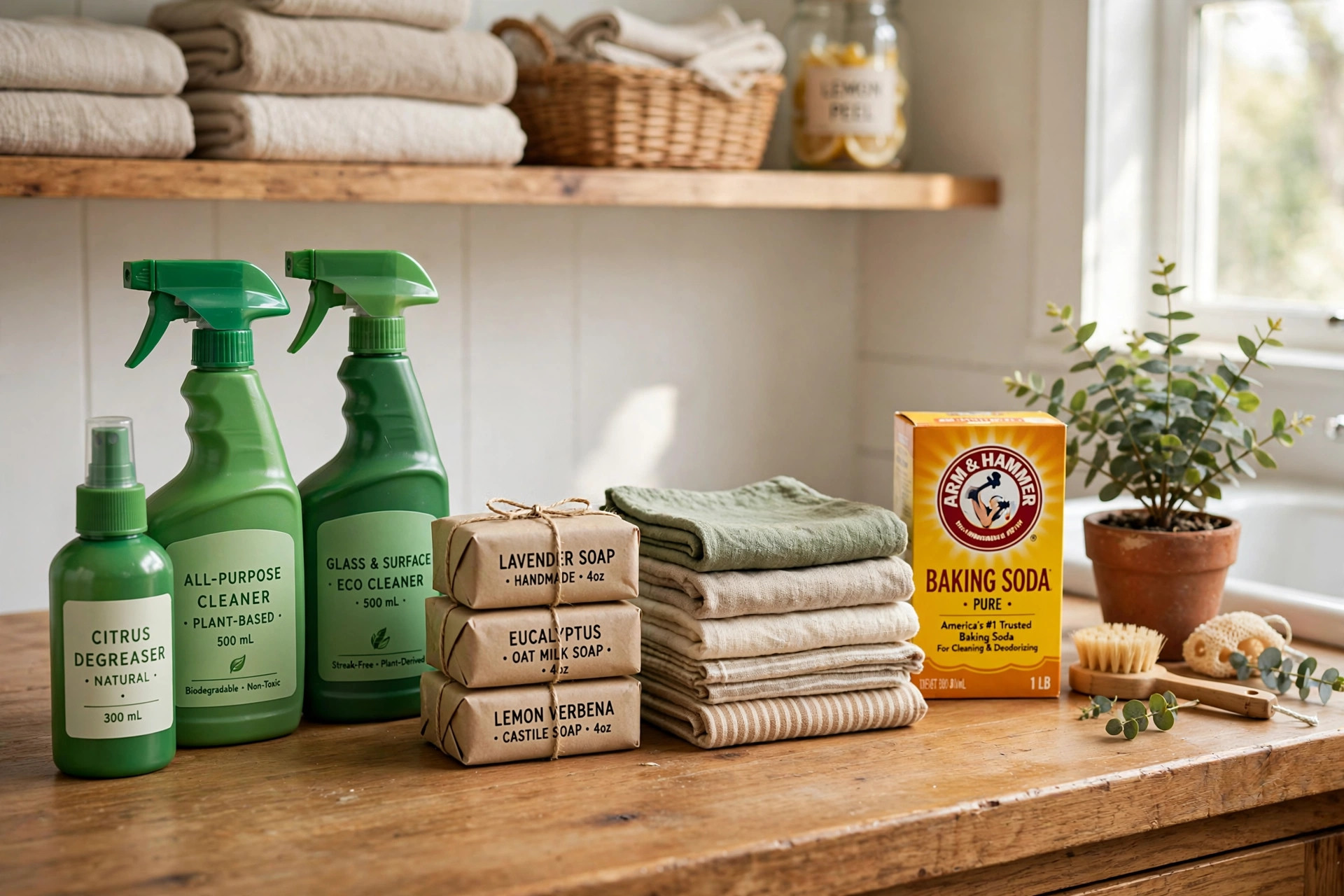
A clean house does not have to smell like a chemical plant. More families now look for top rated eco friendly cleaning supplies for sale because they want products that work well and do less harm to the home and the land. These are cleaners made from plant-based soaps, baking soda, vinegar, and other simple ingredients. They skip harsh chlorine, strong ammonia, and heavy artificial perfumes.
The words “eco friendly” appear on many labels today. Not all of them mean the same thing. Some products are truly made with safer ingredients. Others only use green colors on the package. A smart buyer learns to read labels, check for trusted seals, and compare products before spending money. This guide will show you how to do all of that in plain steps.
Why Green Cleaners Matter: Top Rated Eco Friendly Cleaning Supplies for Sale
Health in the Home
A regular cleaning cabinet can hold dozens of chemicals. Many are safe when used as directed. Some can irritate the skin, eyes, and lungs. Children and pets are closer to the floor where residues settle. Older people with breathing troubles may feel worse after a deep clean with strong products.
Eco friendly cleaners lower this risk. They often use milder acids and soaps. They break down faster in water. They leave fewer fumes behind. The Environmental Protection Agency runs a Safer Choice program that lists products made with safer chemical ingredients. Looking for that mark is a good first step.
The Land and the Water
What goes down the drain ends up in rivers and soil. Phosphates once made rivers green with algae. Many harsh solvents do not break down for a long time. Plant-based cleaners are often made to biodegrade, which means tiny living things in nature can digest them back into simple parts.
Packaging matters too. Many top rated eco friendly cleaning supplies for sale come in bottles made from recycled plastic. Some brands sell refills in pouches so one spray bottle lasts for years. This cuts waste in a real way.
Do They Clean as Well?
This is the fair question. Twenty years ago, many green cleaners were weak. That has changed. Testing groups such as Consumer Reports now rate plant-based cleaners beside regular ones, and some win on grime and grease. A good eco friendly cleaner may need a little more soak time on heavy stains. For daily cleaning, most people cannot tell the difference.
What to Look for When You Shop
Read the Ingredient List
Honest brands print full ingredient lists. Look for plant-derived surfactants such as coconut-based soaps. Look for citric acid, lactic acid, and baking soda. Avoid long lists of mystery fragrances. “Fragrance” alone can hide dozens of chemicals. Brands that name their scents, such as lavender oil or lemon oil, are more open.
Trustworthy Seals and Marks
A few seals mean something real:
– EPA Safer Choice: means every ingredient passed a safety review. – Green Seal: an independent group that certifies cleaning products. – USDA Certified Biobased: shows how much of the product comes from plants. – Leaping Bunny: means no animal testing.
A label that only says “natural” with no seal is just a claim. Treat it with care.
Concentrates and Refills
The best value often comes in a small bottle. Concentrated cleaners mix with water at home. You pay less for shipping water. You throw away less plastic. Many top rated eco friendly cleaning supplies for sale now come as refill tablets that dissolve in tap water. One tablet can make a full spray bottle of all-purpose cleaner.
Types of Eco Friendly Cleaning Supplies
All-Purpose Sprays
This is the workhorse of the cabinet. A good green all-purpose spray handles counters, sinks, and tables. Plant-based formulas cut light grease well. For heavy stove grease, spray and wait five minutes before wiping. Home testers at Good Housekeeping often find that soak time matters more than brand name.
Dish Soap and Laundry Products
Dish soaps from green brands use coconut and palm soaps. They rinse clean without leaving film. Laundry sheets and pods now come in plant-based forms. They dissolve in cold water, which saves energy. If your home has hard water, a pinch of washing soda helps the soap work better.
Floor Cleaners
Tile and wood floors need gentle cleaners. Acidic vinegar can dull stone and wood finishes over time, so check the label for your floor type. For tile floors, many buyers also compare steam mops for tile floors as a chemical-free way to clean grout and sealed tile with hot water alone.
Glass and Mirror Cleaners
Old-style glass cleaners use ammonia, which stings the eyes. Green versions use vinegar or corn-based alcohol. They need a dry cloth to avoid streaks. A simple mix of water and white vinegar in a spray bottle cleans windows for pennies.
Bathroom Cleaners
Soap scum and mildew fight back harder than kitchen dirt. Lactic acid and citric acid cleaners handle both without chlorine fumes. For rust stains, a paste of baking soda and water works slowly but well. Keep the fan running while you clean, even with mild products.
Specialty Cleaners
Stainless steel needs a soft touch. If you want to buy stainless steel appliance cleaners online in california or anywhere else, choose a plant-based polish that does not leave oily films. A cordless stainless steel appliance cleaner buying guide can help you weigh powered polishers against simple sprays for fingerprints on fridges and ovens.
Cost and Price: What You Will Pay
Green cleaners once cost much more than regular ones. The gap has closed. A store-brand plant-based spray often costs about the same as a big-name chemical spray. Concentrates are the true bargain. One bottle of concentrate can make ten or more bottles of spray. That can drop the cost per bottle below a dollar.
Watch for false economy. A cheap bottle that needs three sprays per job costs more than a strong one that needs one. Read reviews from real buyers. Sites like Wirecutter test cleaners on real messes and report how much product each job needs. That kind of test tells you the true price per use.
Buying in bulk also helps. Large refill jugs of dish soap and laundry liquid cost less per ounce. Split a large order with a neighbor if storage is tight. Many top rated eco friendly cleaning supplies for sale move fastest during spring cleaning season, so prices and stock are best in late winter. Signing up for a brand’s email list often brings a first-order discount, and some makers offer a standing ten percent off on scheduled refills.
Where to Buy
Most large stores now carry green cleaning lines. Grocery chains, big-box stores, and online shops all stock them. Home improvement sites like The Spruce keep buying guides that compare brands side by side. Do-it-yourself sites such as Bob Vila and Family Handyman show how readers use these products in real projects, from deep-cleaning kitchens to washing decks.
Online sellers let you read hundreds of reviews in minutes. Look for reviews that mention the exact job you need done. A cleaner rated five stars for windows may fail on shower grout. Buy one bottle first. Test it on your worst stain. Then buy the larger size or the refill.
Local refill shops are worth a visit too. Many towns now have stores where you bring your own bottles and fill them from large drums of plant-based soap. The price per ounce is often lower than bottled brands, and you throw away nothing. Ask at farmers markets and co-op stores, which usually know where the nearest refill station sits.
Care and Upkeep of Your Supplies
Green cleaners need the same care as any product. Keep them in a cool, dry place away from heat. Sunlight can break down plant-based ingredients faster. Do not mix homemade and store-bought cleaners in the same bottle unless the labels say it is safe. Never mix anything with bleach, even a mild green cleaner.
Check dates on natural products. Without strong preservatives, some plant-based cleaners last about a year after opening. If a cleaner smells off or looks cloudy, throw it out. Keep spray bottles clean. A clogged nozzle wastes product and tempts you to spray harder.
Reusable cloths are part of the system. Microfiber cloths last for hundreds of washes. Cotton rags from old towels work well for dusty jobs. Wash them in hot water and skip fabric softener, which leaves a coating that cuts absorbency.
Safety Tips
“Natural” does not mean “safe to drink.” Even mild cleaners can hurt eyes and stomachs. Keep every bottle locked away from small children and pets. Store them up high or in a latched cabinet. Read the first-aid box on the label before you need it.
Ventilate while you clean. Open a window or run the fan. Wear gloves if your skin cracks easily. Citric acid can sting a cut. Do not mix vinegar and baking soda in a closed bottle. The fizz can pop the cap off.
Homemade mixes deserve respect too. A vinegar spray is fine for glass. It can etch marble and dull hardwood. Test any cleaner, green or not, on a small hidden spot first. This Old House (This Old House) reminds readers in its cleaning guides that surface type decides the cleaner, not the other way around.
Frequently Asked Questions
Are eco friendly cleaners safe for septic systems?
Most are. Plant-based soaps break down well in septic tanks. Avoid pouring large amounts of any cleaner down the drain at once. Normal mopping and wiping amounts are fine. If you are unsure, the EPA offers plain guidance on septic-safe products.
Do green cleaners kill germs?
Some do. Look for the word “disinfectant” on the label, which means the product passed germ-killing tests. Thymol, from thyme oil, is a plant-based disinfectant used in several green brands. For cutting boards and sickroom surfaces, a registered disinfectant is the safer choice.
Can I make my own eco friendly cleaners?
Yes, for light jobs. Baking soda scrubs sinks. Vinegar cuts glass haze. Washing soda boosts laundry. But homemade mixes lack the grease-cutting surfactants of store products. For ovens, grout, and soap scum, a tested green product works better and is often cheaper per use than trial and error.
Why do some green cleaners cost more?
Small brands pay more for plant ingredients and third-party seals. Concentrates cost less per use even when the bottle price looks high. As more buyers choose green products, prices keep falling. Store brands now offer plant-based lines at near-regular prices.
Are “fragrance-free” and “unscented” the same?
No. Fragrance-free means no scent was added. Unscented can mean a masking scent was added to cover a chemical smell. If scents bother you, choose fragrance-free. Writers at Treehugger have long noted this fine print on green labels.
How do I know a sale price is truly a deal?
Check the price per ounce on the shelf tag. Compare the refill price to the ready-to-use price. A “sale” on a small bottle can cost more per ounce than the regular price on a large refill. Keep a small notebook or phone note of your usual brands and their unit prices.
A Final Word
Shopping for top rated eco friendly cleaning supplies for sale is simpler than it looks. Read the label. Look for a real seal. Start with one bottle and test it on your hardest job. Buy concentrates and refills to save money and plastic. Keep cleaners stored safely and use them with fresh air and common sense. A home cleaned with mild, honest products is a kinder place for the people, pets, and plants who live in it.
References
Bob Vila. (n.d.). Home improvement advice. https://www.bobvila.com Consumer Reports. (n.d.). Product reviews and ratings. https://www.consumerreports.org Family Handyman. (n.d.). DIY home repair and maintenance. https://www.familyhandyman.com Good Housekeeping. (n.d.). Product reviews and home advice. https://www.goodhousekeeping.com The Spruce. (n.d.). Home and garden advice. https://www.thespruce.com This Old House. (n.d.). Home renovation guidance. https://www.thisoldhouse.com Treehugger. (n.d.). Sustainable living and green products. https://www.treehugger.com U.S. Environmental Protection Agency. (n.d.). Protecting human health and the environment. https://www.epa.gov Wirecutter. (n.d.). Product reviews from The New York Times. https://www.nytimes.com/wirecutter
Was this guide helpful?

About Emily Rodriguez
The My Garden US editorial team writes practical, in-depth home and garden guides for American homeowners — tested advice, no fluff.
You May Also Like

Buy Wet Dry Shop Vacuums Online in Arizona: A Plain Guide
February 16, 2026 0 views
Reliable Spin Mop Bucket Systems With Free Shipping: A Buyer’s Guide
August 8, 2026 0 views
Buy Window Cleaning Robots Online in Arizona: A Plain Guide
September 21, 2026 0 views