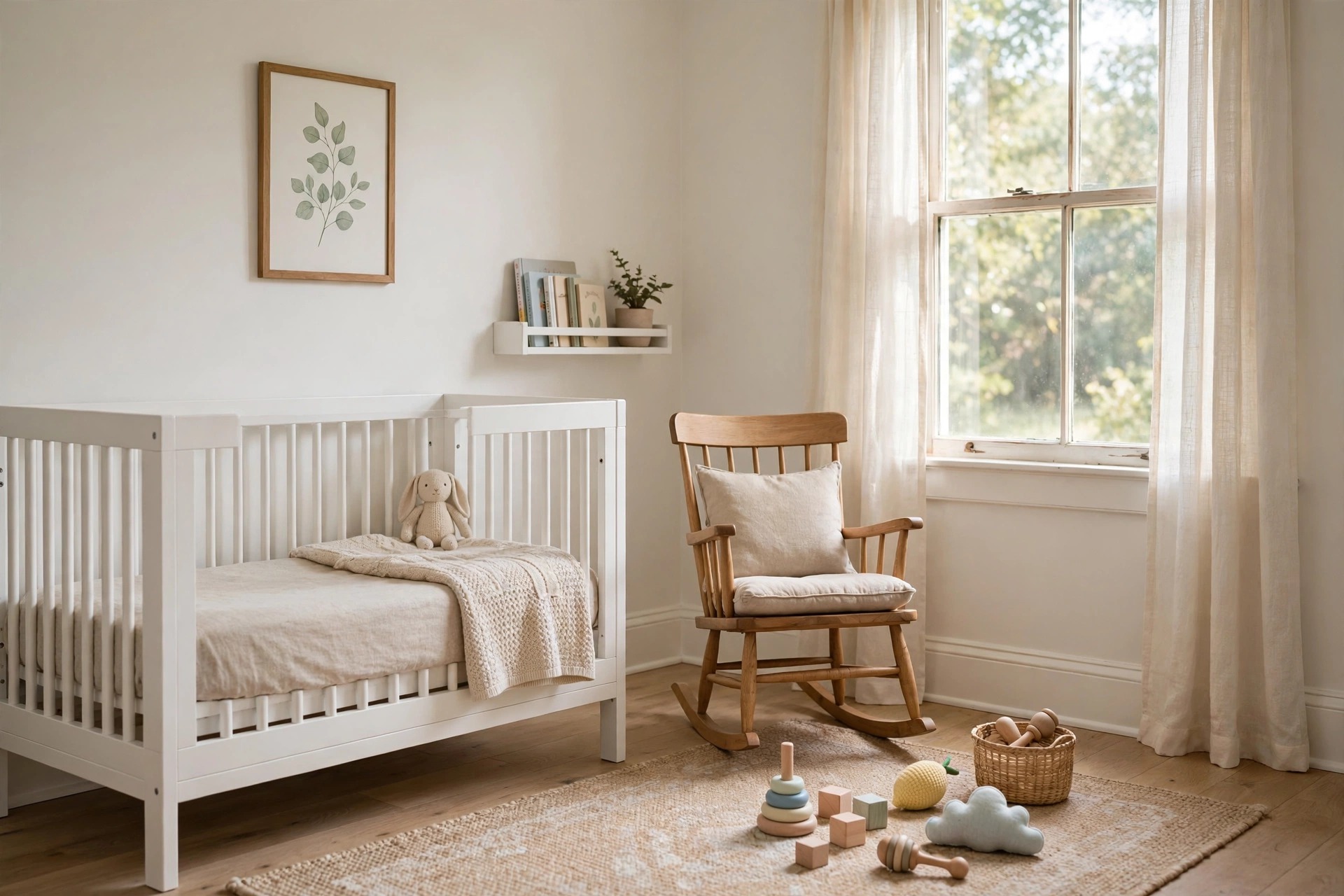

A new baby is on the way. The nursery needs paint. You read about zero VOC paint for nursery reviews USA and you want to know the truth. Which paints are truly safe? Which ones smell less? Which brands do American parents trust?
VOC stands for volatile organic compounds. These are chemicals that leave the paint as it dries. They cause the strong paint smell. In a nursery, you want as few of them as possible. This guide walks you through the best choices. It is written in plain terms, so you can decide with confidence.
Why Zero VOC Paint Matters for a Nursery
Babies spend hours each day in the nursery. They sleep there. They play on the floor. Their lungs are small. They breathe faster than adults. Paint fumes that seem mild to you can bother a baby more.
Regular paint can release fumes for weeks. Zero VOC paint releases almost none. It lets you paint the room close to the due date without worry. Many parents paint just days before the baby comes home. Zero VOC paint makes that safe.
There is another reason. You may paint the room while your child is a toddler. Young children touch walls. They put hands in mouths. A paint with fewer chemicals is a safer choice. For more ideas on finishes that stand up to kids, see our guide on best washable paint for kids rooms usa.
What VOC Means in Plain English: Zero Voc Paint for Nursery Reviews Usa
VOCs are gases that escape from wet paint. Most of the gas leaves in the first few hours. Some keeps leaving for days or weeks. This process is called off-gassing.
The U.S. government sets a limit. Paint labeled zero VOC must have less than 5 grams of VOC per liter. That is a tiny amount. Low VOC paint can have up to 50 grams per liter. That is still much less than old-style paints, which had hundreds of grams per liter.
Zero VOC does not mean zero odor. The paint may still smell faintly when wet. The smell should fade in a day or two. If a strong smell lasts longer, check the label again. Some paints add fragrance to hide the chemical smell. Fragrance is not a good sign.
What to Look for When You Choose
Start with the label. Look for the words “zero VOC.” Check the grams per liter number. It should be printed on the can. If you cannot find it, ask the store for the data sheet.
Look for third-party marks. GREENGUARD Gold certification is a strong one. It tests for emissions in real rooms. It is made for schools and health care settings. A nursery fits that level of care.
Check for mildew protection. Nurseries can get humid. Wet diapers, humidifiers, and spit-up add moisture. A paint with mild mildew resistance keeps walls clean longer.
Think about the finish. Flat paint hides wall flaws. Eggshell or satin wipes clean more easily. For a nursery, eggshell is often the best pick. It looks soft. It also lets you wipe away marks.
Read real reviews with care. Zero VOC paint for nursery reviews USA show a pattern. Parents praise paints that dry fast and smell mild. They complain about poor coverage. A paint that needs three coats is not a bargain. Look for reviews that mention nurseries or kids rooms. Those reviewers face the same needs you do.
Look for the smell report. Reviewers often note how the room smelled the next day. A faint, clean smell is normal. A sharp chemical smell is not. Also note the cleanup report. Water-based zero VOC paints wash out of brushes with soap and water. That matters when you are tired and in a hurry.
Types and Options on the American Market
Most major brands now sell a zero VOC line. Each line has strengths. Here is how they differ.
Premium interior lines
Big paint makers sell their safest paints under well-known names. These lines cost more. They cover well in one or two coats. They come in many colors. They often carry GREENGUARD Gold marks. Reviews across the USA praise them for low smell and smooth finish.
Store brand options
Home centers sell their own zero VOC paints. These cost less than the big names. Many earn good marks for coverage. The color range is wide. If you are on a budget, these are worth a look.
Natural and mineral paints
Some smaller brands use plant or mineral bases. They market themselves as the cleanest option. They can cost twice as much as store brands. Coverage can be weaker. They suit parents who want the least chemical load possible.
Chalk-style and milk paints
These give a soft, matte look. They work well for furniture and accent walls. They are not always as scrubbable as regular wall paint. Use them for a crib or a dresser, not the main walls.
Whatever type you pick, buy from a store that mixes fresh paint. Old cans can thicken. Thick paint streaks. A fresh mix rolls on smooth.
Cost and Price
A gallon of zero VOC paint costs between 35 and 70 dollars in the USA. Store brands sit at the low end. Premium lines sit at the high end. A standard nursery is about 10 by 12 feet. One gallon usually covers the walls with two coats.
Add primer. Primer costs 20 to 30 dollars a gallon. You need it if the walls are dark or patched. New drywall always needs primer. Skipping primer can mean a third coat. That costs more in the end.
If you hire a painter, labor adds 200 to 500 dollars for one room. Many painters charge by the square foot. Ask for a written quote. Make sure they agree to use your paint, not theirs. Some painters buy cheap paint in bulk. Bring your own cans.
Total cost for a do-it-yourself nursery job is often 80 to 150 dollars. That covers paint, primer, rollers, tape, and drop cloths. It is a small price for a room your child will use for years.
How to Paint a Nursery the Safe Way
Plan the timing. Paint at least two weeks before the baby arrives if you can. Zero VOC paint is safe sooner. But fresh air helps any paint cure. Open the windows while you work.
Clear the room. Move furniture to the center. Cover it with drop cloths. Take down curtains and outlet covers. Tape the trim with painter’s tape.
Ventilate well. Open two windows for cross air. Put a fan in the doorway blowing out. This pulls fresh air through the room. Keep the fan running for a day after you finish.
Wear a simple dust mask. The risk is low with zero VOC paint. A mask still keeps you comfortable. Take breaks. Step out for air every hour.
Let the paint cure. Paint feels dry in hours. Full cure takes two to four weeks. The paint gets harder and tougher as it cures. Avoid scrubbing the walls until then. Keep the room aired out during this time.
For help picking a soft shade, read our post on best white paint for interior walls usa. Light colors also make a small nursery feel larger.
Care and Upkeep
Zero VOC paint needs the same care as other paints. Dust the walls now and then with a dry cloth. Wipe spots with a damp sponge. Use mild soap for sticky marks. Rinse with clean water.
Avoid harsh cleaners. Bleach and ammonia can dull the finish. They can also strip color. A drop of dish soap in warm water handles most jobs.
Touch up chips when they appear. Keep a small jar of leftover paint. Write the color name and code on the lid. Store it in a cool, dry place. Shake it well before use.
Watch the humidity. Run a fan or vent in damp months. Too much moisture can cause spots behind the crib. A simple room thermometer with a humidity gauge costs little. It helps you keep the room in a healthy range.
Safety Notes for Parents
Paint only when children and pets are out of the room. Keep them out until the paint is dry to the touch. A closed door and an open window is a good rule.
Store leftover paint up high or in a locked cabinet. Even safe paint is not for eating. Keep lids tight so cans do not tip.
Read the safety sheet. Every paint has one. It lists first aid steps. It lists what to do if paint gets in eyes. Print it and keep it with your home files.
If your home was built before 1978, test for lead first. Old paint under the surface may hold lead. Sanding it releases lead dust. A lead test kit costs about 25 dollars. Your local health department can also help. Do not skip this step in an older home.
FAQ
Is zero VOC paint really safe for a newborn?
Yes. Zero VOC paint meets strict emission limits. It releases almost no chemical fumes. Let the room air out for a day or two. Then it is fine for a newborn. Many pediatric guides point parents toward these paints for nurseries.
How long should I wait before the baby sleeps in the room?
Wait at least 24 to 48 hours after the last coat. Make sure the smell is gone. Keep windows open during that time. Two weeks of airing is even better. The paint keeps curing for weeks, but the room is safe once it is dry and odor-free.
Can I use zero VOC paint on the crib?
Yes, if the paint is made for furniture or trim. Check the label for wood use. Let it cure fully, about 30 days, before the baby chews on rails. A water-based polyurethane top coat adds a hard shell. Some parents prefer to leave cribs unpainted and paint only the walls.
Does zero VOC paint cost more than regular paint?
It costs a little more. The gap has shrunk over the years. Store brands now sell zero VOC paint at prices close to regular paint. For one nursery, the extra cost is often under 20 dollars. Most parents find it worth it.
What color is best for a nursery?
Soft, calm colors work best. Warm whites, pale greens, and light blues are classic picks. These shades help the room feel restful. They also make the room brighter. If you want advice on tones, our guide to paint color consultation service online usa can help.
Can I paint while pregnant?
Most doctors say yes with zero VOC paint. Keep the room well aired. Wear gloves and a mask. Take breaks often. Ask someone else to do high ladder work. If you feel dizzy, leave the room at once. Check with your own doctor if you have concerns.
A Final Word
Choosing paint for a nursery should not be stressful. Zero VOC paint gives you a safe, simple option. Pick a trusted brand. Check the label. Air the room well. Then enjoy the result.
The reviews from American parents agree. Low smell, easy cleanup, and peace of mind top the list. Your baby will not notice the brand. But you will rest easier knowing the walls are as safe as they are pretty. Paint once, paint well, and the nursery will be ready for years of firsts.
For more background, see HGTV, Sherwin-Williams, and Behr. Buying guides are also published by Benjamin Moore and Lowe’s.
References
Behr. (n.d.). Paints, primers, and stains. https://www.behr.com Benjamin Moore. (n.d.). Paints and stains. https://www.benjaminmoore.com Bob Vila. (n.d.). Home improvement advice. https://www.bobvila.com HGTV. (n.d.). Home and garden ideas. https://www.hgtv.com Lowe’s. (n.d.). Home improvement products. https://www.lowes.com Sherwin-Williams. (n.d.). Paints and coatings. https://www.sherwin-williams.com The Home Depot. (n.d.). Home improvement products. https://www.homedepot.com This Old House. (n.d.). Home renovation guidance. https://www.thisoldhouse.com
Was this guide helpful?

About Lisa Anderson
The My Garden US editorial team writes practical, in-depth home and garden guides for American homeowners — tested advice, no fluff.
You May Also Like
Sliding Barn Door Paint Ideas USA Homeowners Use for a Fresh Farmhouse Look
January 22, 2026 0 views
Best Ceiling Paint for Popcorn Ceilings USA: A Practical Guide
February 10, 2026 0 views
How the Best Exterior House Painting Cost Estimator in the USA Works
May 28, 2026 0 views