
Introduction
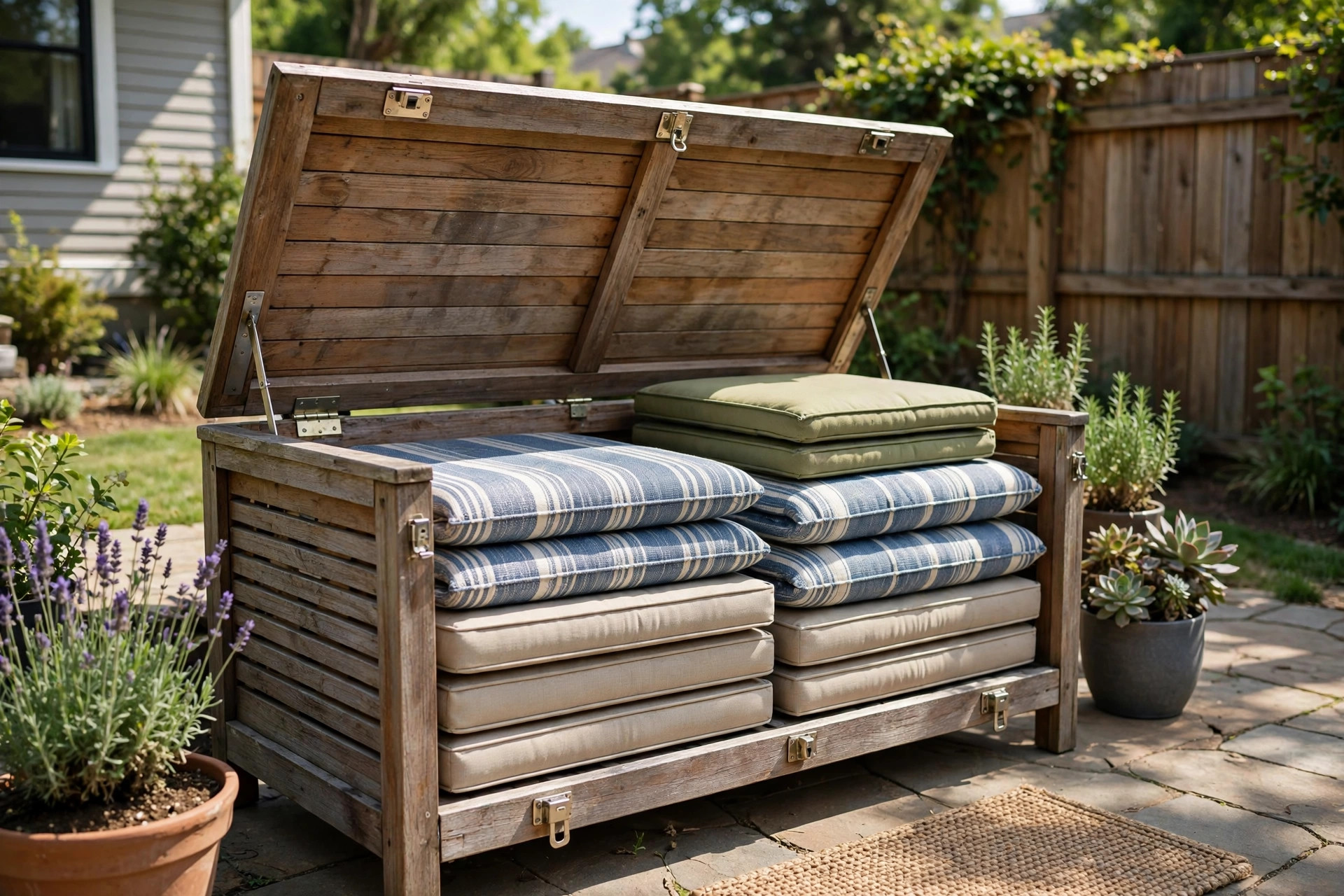
Many people who read outdoor storage bench for cushions reviews want the same simple thing. They want a bench that holds their patio cushions. They also want it to look good in the yard. A storage bench does two jobs at once. It gives you a place to sit. It also gives you a dry place to store cushions when the rain comes or when winter arrives.
Patio cushions are not cheap. A full set of seat and back cushions can cost several hundred dollars. Rain, sun, and damp air break them down. Mildew grows fast on wet fabric. Colors fade in the summer sun. A good storage bench keeps cushions safe between uses. It also keeps your patio tidy. Instead of carrying cushions in and out of the garage every day, you open the lid, lift them in, and close it. The task takes less than a minute.
This guide walks through what the reviews say and what the makers promise. It covers the main types, the materials, the prices, and the care these benches need. It also answers common questions from buyers. The goal is plain: to help you pick a bench that fits your patio, your budget, and your storage needs.
Why a Storage Bench Matters: Outdoor Storage Bench for Cushions Reviews
A storage bench matters for three reasons. The first is protection. Cushions left outside take a beating. Morning dew soaks into the fabric. A sudden storm can drench a whole set in minutes. Over one season, this kind of abuse shortens the life of the cushions. Reviews from owners often say the same thing. After buying a storage bench, their cushions looked new for years instead of months.
The second reason is convenience. Cushions stored inside the house or the garage stay safe. But moving them back and forth gets old fast. On a nice evening, you want to sit down, not spend ten minutes hauling pillows. A bench on the patio cuts the distance to a few steps. Owners say they use their patios more once the cushions are close at hand.
The third reason is order. Loose cushions pile up. They slide off chairs in the wind. They end up on the grass or against the fence. A bench gives everything a home. The patio looks neat. When guests come, the space is ready.
Some buyers also note a side benefit. A storage bench works as extra seating. During a cookout, people always need one more chair. A sturdy bench handles that job well.
How to Choose: What to Look For
Size and Capacity
Start with size. Measure your patio and the space where the bench will sit. Most storage benches run from three feet to five feet wide. A four-foot bench suits a standard patio set. A five-foot bench fits larger groups or deep sectional cushions.
Capacity matters more than outside size. Makers list the storage volume in gallons or cubic feet. A 60-gallon bench holds the cushions of a typical four-chair set. A 120-gallon bench holds the cushions of a full sectional sofa. Count your cushions before you shop. Stack them and measure the pile. Buy a bench a little larger than you think you need. Extra room leaves space for blankets, pool towels, or garden tools.
Check the inside shape too. Some benches have wide, open interiors. Others have ribs or support posts that eat into the space. If your cushions are thick, wide interiors work best.
Materials
Storage benches come in four main materials. Each has strengths and weak points.
Resin and plastic. Resin benches are the most common. They resist rain and sun. They never rust. They cost less than wood. Many look like wood or wicker but need far less care. Reviewers praise them for long life with no upkeep. The weak point is weight. Light benches can slide in strong wind. Some also look plain.
Wood. Teak, cedar, and eucalyptus benches look rich and warm. Teak weathers to a silver gray and lasts for decades. Cedar resists rot and insects. Wood benches cost more. They need oiling or sealing to keep their color. Many owners love the look and accept the upkeep.
Metal. Steel and aluminum benches are strong. Aluminum resists rust. Powder-coated steel holds up well but can chip. Metal benches often weigh more, which helps in wind. Some get hot in direct sun.
Wicker. Resin wicker over an aluminum frame gives a classic look. It suits many patio styles. It needs little care. Cheap wicker can crack in cold winters, so quality matters.
For more storage ideas that pair well with a bench, see our guide on patio furniture storage ideas for winter.
Weather Protection
A storage bench must keep water out. Look at the lid first. A good lid overhangs the sides so rain runs off. Some lids have a small gap for air flow. That gap prevents mold but can let in driven rain. Many owners prefer a tight lid with small vents on the sides.
Check the seams and corners. Water finds weak joints. Reviews often mention leaks at the corners of cheap models. A gasket or rubber seal around the lid helps a great deal.
Also look at the bottom. A bench that sits flat on the patio can trap water under it. Small feet or a raised base let water drain. Some benches include a floor tray. That tray keeps cushions off the damp bottom.
A lid that stays open is a safety plus. Gas struts or strong hinges hold the lid up while you load cushions. Without them, the lid can fall on your hands.
Weight and Wind
Light benches blow over. Reviews from windy areas warn about this often. A bench full of cushions weighs more and stays put. But an empty bench can sail across the yard. If your patio is open, pick a heavier model or anchor the bench. Some benches have holes for ground anchors. Sandbags on the bottom work too.
Looks and Style
The bench will sit on your patio all year. Pick a style that matches your furniture. Makers sell benches in many finishes: brown wicker, gray resin, white plastic, natural wood. A bench that matches the set looks planned. A bench that clashes looks like an afterthought. Browse large retailers like IKEA and Wayfair to compare styles side by side before you decide.
Types and Options
Deck Boxes
A deck box is the simplest type. It is a chest with a hinged lid. You sit on the lid. Deck boxes come in many sizes. They cost less than true benches. The lid on a cheap deck box may sag under a heavy adult. If seating matters, check the weight rating.
Storage Benches With Backs
Some benches include a backrest. They look like real patio benches. The seat lifts for storage. These cost more but serve as true furniture. They suit porches and decks where guests sit often.
Combo Benches
A combo bench pairs storage with a second use. Some include a planter box on one end. Others have a side table built in. These save space on small patios. The storage space is smaller than a plain box.
Loveseat Storage Units
An outdoor loveseat with storage box reviews shows another option. The whole loveseat lifts or opens. This type suits small spaces where one piece must do everything. It costs more than a simple bench.
Cost and Price
Prices vary by size and material. Small resin deck boxes start near forty dollars. A mid-size resin storage bench runs from eighty to two hundred dollars. Wooden benches start near two hundred dollars and can pass five hundred for teak. Wicker and metal models fall in the middle.
Reviews suggest a sweet spot. Benches under sixty dollars often have thin walls and weak hinges. Owners report lids that warp and seals that fail. Benches in the one-hundred to two-hundred dollar range get the best reviews for value. They use thicker resin, better hinges, and tighter lids.
Think about cost per year. A cheap bench that lasts two seasons costs more in the end than a solid bench that lasts ten. Also think about what it protects. Cushions worth three hundred dollars deserve a bench that truly keeps them dry.
Watch for sales. Patio furniture goes on clearance in late summer. Many buyers report saving thirty to forty percent by shopping in August and September. Independent testing groups like Consumer Reports also publish product-review notes that can help you judge build quality before you buy.
Care and Upkeep
A storage bench needs little care. But a few habits make it last.
Clean it each spring. Wash the outside with soap and water. A soft brush lifts dirt from textured resin. Rinse well. Let it dry before you load cushions.
Check the hinges. Once a year, look at the hinges and struts. Tighten loose screws. A drop of oil keeps metal hinges smooth. Replace a worn gas strut before the lid starts to fall.
Keep the seal clean. Wipe the rubber gasket around the lid. Dirt on the gasket lets water in. If the gasket cracks, replace it. Many makers sell spare parts.
Do not trap wet cushions. The biggest mistake owners make is simple. They toss damp cushions into the bench and close the lid. Moisture gets trapped. Mildew follows. Let cushions dry in the sun first. On humid days, leave the lid open for an hour after rain.
Winter care. In cold areas, empty the bench before hard freezes. Water can pool and freeze inside. Ice can crack the walls. Store the empty bench upside down or under a cover. A weatherproof patio furniture covers heavy duty guide can help you pick the right cover for the bench and the rest of your set.
Wood care. Oil teak and cedar once a year. Use oil made for outdoor wood. Sand rough spots lightly before oiling. This keeps the color rich and the surface smooth.
Safety
Safety gets little attention in reviews, but it matters. A storage bench is a large box with a heavy lid. Children may climb inside. Old models had no way to open the lid from within. Newer benches often include an inside release or air holes. If you have small children, pick a bench with these features. Teach children not to play inside the box.
The lid is the main pinch point. A lid that slams can hurt fingers. Gas struts that hold the lid open reduce this risk. Keep the struts in good shape.
Weight ratings matter for seating. Do not sit on a bench rated for storage only. Check the label. Most true benches hold 200 to 300 pounds per seat. Spread the weight. Do not stand on the lid.
Place the bench on level ground. A bench on a slope can tip. Keep it away from grills and fire pits. Resin melts near open flame.
FAQ
How many cushions fit in a standard storage bench?
A 60-gallon bench holds about four to six standard chair cushions. A 120-gallon bench holds a full sectional set with back cushions. Measure your stack and compare with the inside dimensions. Thick cushions fill space fast.
Are storage benches truly waterproof?
Most are water resistant, not fully waterproof. A good lid and seal keep out normal rain. Driving rain or standing water can still get in. No bench should sit in a puddle. For best results, place the bench under a roof edge or cover.
Can I leave cushions in the bench all winter?
You can, but dry them first. Damp cushions grow mildew in a closed box. In very cold areas, some owners bring cushions indoors for winter and use the bench for tools. Either way, crack the lid open on dry days to let air in.
Which material lasts longest?
Teak wood and thick resin last the longest. Teak can serve for twenty years or more. Good resin lasts ten to fifteen years. Thin plastic may fail in three. Metal lasts well if the coating stays intact.
Do storage benches need assembly?
Most do. Resin benches snap or bolt together in thirty to sixty minutes. Reviews often rate assembly ease. Wood benches take longer and need tools. Read the manual before you start. Lay out all parts first.
What size bench should I buy for a sectional sofa?
Buy the largest bench your space allows. Sectional cushions are deep and wide. A 120 to 150-gallon bench suits most sectionals. If the bench is too small, cushions get crushed and lose shape.
A Short Final Word
An outdoor storage bench for cushions is a simple buy that pays off every week. It guards your cushions from rain and sun. It keeps the patio neat. It gives guests a place to sit. The reviews point to the same advice again and again. Buy a little larger than you need. Pick a tight lid and a strong seal. Keep the cushions dry before you store them. Do these things and the bench will serve you for many seasons.
References
IKEA. (n.d.). Outdoor furniture and storage. https://www.ikea.com Wayfair. (n.d.). Outdoor patio furniture. https://www.wayfair.com Consumer Reports. (n.d.). Product reviews and ratings. https://www.consumerreports.org
Was this guide helpful?

About Jennifer Lee
The My Garden US editorial team writes practical, in-depth home and garden guides for American homeowners — tested advice, no fluff.
You May Also Like

Patio Furniture for Desert Climate Reviews: What Holds Up in the Heat
September 3, 2026 0 views
How to Hang String Lights on Patio: A Simple Guide
March 4, 2026 0 views
The Best Patio Umbrella for Small Balcony Living
February 11, 2026 0 views