
When a drain backs up, the first question is often about access. Can the plumber reach the line? If you are searching for the best sewer cleanout installation cost usa homeowners pay today, this guide gives plain answers. A sewer cleanout is a capped pipe fitting that opens into your main sewer line. It lets a plumber clear clogs with a snake or camera without digging up the yard. Many older homes in America were built without one. Adding it now is a small job with a big payoff. It also gives you control. When the plumber arrives, you can point to the cap instead of guessing where the line runs. That shortens the visit and keeps the bill down. This article covers what it does, the types available, what changes the price, and how to plan the work.
Why a Sewer Cleanout Matters
A cleanout is the difference between a one-hour service call and a full day of digging. Without one, a plumber may need to pull a toilet or open a wall to reach the line. With one, the machine goes straight into the pipe from the yard. That saves time and money every time the line needs care. Plumbers charge by the hour, so every minute spent hunting for access adds to your bill. A cleanout turns a mystery into a routine visit. It also protects your home. The longer a clog sits, the higher the chance of a backup into the house.
What the Fitting Does
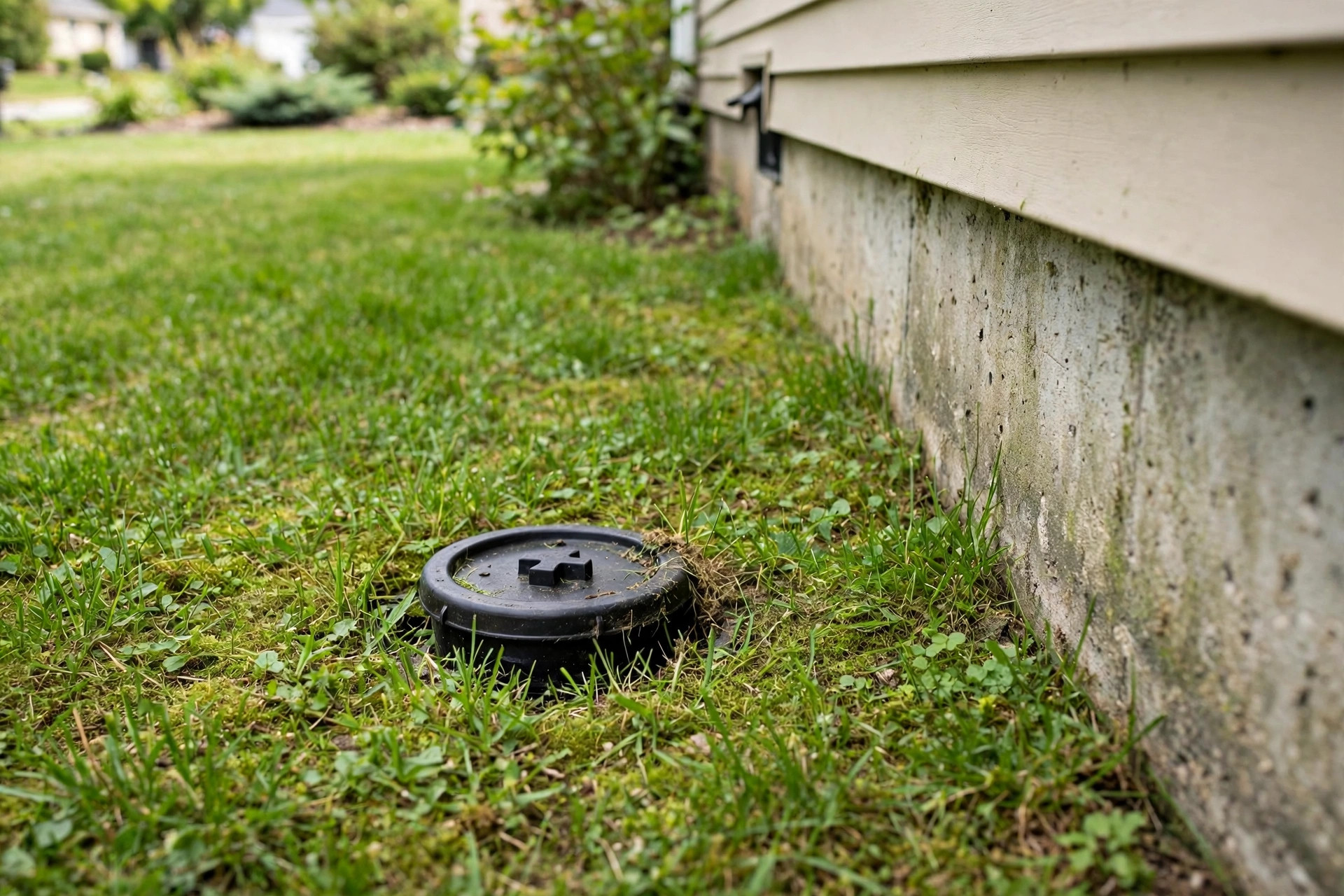
The fitting is a vertical pipe with a removable cap. It ties into the main sewer line that runs from the house to the street or septic tank. When the cap comes off, the full width of the pipe is open. A drain snake or a small camera can pass through. The cap keeps dirt and water out when it is closed. Most caps sit flush with the ground so the mower passes over them.
Signs You Need One
You may not have a cleanout if your home is more than forty years old. Look for a small round or square cap near the foundation or along the path to the street. If you find nothing, you likely have none. Frequent slow drains, gurgling toilets, and sewage smells after heavy rain are common signs the line needs service. A plumber can run a camera to confirm. Home repair guides from This Old House explain how camera inspection works and why access points matter.
How to Choose the Right Installation: Best Sewer Cleanout Installation Cost Usa
Not every yard needs the same setup. A good installer looks at the pipe layout, the soil, and the local code before choosing. You should know the basics so you can ask the right questions.
Indoor or Outdoor Access
Outdoor cleanouts are the standard choice. They sit in the yard or near the foundation. They are easy to reach in any weather. Indoor cleanouts go in a basement or crawl space where the main stack leaves the house. They help when the yard has concrete or the line runs deep. Many plumbers install both when the layout allows it.
One-Way or Two-Way Cleanout
A one-way cleanout points in a single direction. A two-way cleanout has a tee fitting that opens toward the house and toward the street. The two-way style costs more but gives full access both ways. For long lines or homes with repeat root problems, the two-way option pays for itself fast. Supply listings at Lowe’s and The Home Depot show both styles with common pipe sizes.
Types and Options
The fitting itself is simple. The material and the cap style set the options apart.
PVC Cleanouts
PVC is the most common material for new work. It is light, cheap, and does not rust. Schedule 40 PVC handles normal soil loads well. It is the default choice for most outdoor installs.
ABS Cleanouts
ABS is black plastic pipe used in many regions, mainly in the West. It works like PVC and costs about the same. The choice between them often comes down to what the local code allows and what the existing pipe is made of. The new fitting should match the old line when possible.
Cast Iron and Adapter Fittings
Older homes may have cast iron or clay pipe. The new cleanout ties in with a no-hub coupling or a rubber adapter. These adapters make a solid, watertight joint between old and new material. The plumber will tell you if your line needs this.
Flush-Mount and Traffic Covers
In lawns, a low-profile green or black cap blends in with the grass. In driveways or walkways, a cast iron traffic cover takes the weight of cars. Choose the cover for the surface it sits in. A crushed cap lets dirt into the line and defeats the purpose of the job.
Cost and Price
This is the heart of the question. The best sewer cleanout installation cost usa figures fall into a clear range, but the final number depends on your yard and your pipe.
Average Price Range
For a standard outdoor install in easy soil, most homeowners pay between 250 and 750 dollars. That covers a licensed plumber, the fitting, a short trench, and the cap. When the line is deep or the soil is rocky, the price moves to 750 to 1,500 dollars. Indoor installs through a basement floor run 500 to 2,500 dollars because they need concrete cutting and patching. A two-way cleanout adds 100 to 300 dollars over a one-way fitting. Prices also shift by region. Big cities and areas with strict permit rules tend to cost more than small towns.
What Changes the Price
Depth is the biggest factor. A line three feet down is quick work. A line eight feet down needs a machine and a bigger trench. Soil type matters too. Sand digs easy. Clay and rock slow the job. The distance from the house to the main also counts. Long runs need more pipe and more labor. Permits add 50 to 200 dollars in many cities. If the yard has a driveway, patio, or big tree roots over the line, the crew must cut and restore the surface, and that raises the bill. Emergency work also costs more. A weekend or holiday call for a backup can add a few hundred dollars to the same job. Timing the install as planned work, before a crisis, keeps the price in the normal range. Getting two or three written quotes is the surest way to see what your job should cost. Product pricing pages from plumbing makers like Moen, Delta Faucet, and Kohler help you compare fixture costs, though the labor is the larger share of any quote.
DIY Versus Hiring a Plumber
A handy homeowner can buy the fitting for 20 to 60 dollars. The real cost of DIY is the trench. Digging by hand through a deep line is hard, slow work, and hitting a gas or electric line is a serious risk. Most cities require a permit and an inspection for sewer work. An unpermitted install can fail a home sale inspection later. For most people, hiring a licensed plumber is the safer and cheaper choice in the long run. DIY guides at Family Handyman are useful for small drain jobs, but main sewer line work is best left to the trade.
Related plumbing projects carry their own price logic. If you are weighing whole-system upgrades, a water softener versus conditioner comparison can clarify treatment costs, and a pex versus copper repipe breakdown helps with pipe replacement planning. For homes with wet basements, sump pump for the basement reviews cover another common water defense.
Care and Upkeep
A cleanout needs little care, but a few habits keep it working. Keep the cap snug. A loose cap lets rainwater and dirt into the line. Mark the spot with a small stone or a landscape flag so the mower and the landscaper know it is there. Once a year, lift the cap and look inside with a flashlight. If you see standing water when no drains are running, the line may be slow. Call a plumber before it becomes a backup. Do not plant trees or large shrubs within ten feet of the line. Roots are the number one cause of sewer clogs in American yards. If your home is on a septic system rather than a city sewer, the cleanout still helps. It gives the pumper or the repair crew a clear entry point. Keep a simple record of the install date, the plumber’s name, and where the cap sits. Future owners and future plumbers will both be glad the record exists. The EPA publishes homeowner guidance on septic and wastewater care that applies to good drain habits in general.
Safety
Sewer work carries real hazards. Sewer gas can build up in an open line, so never put your head over an open cleanout and never enter a deep trench. Call 811 before you dig anywhere. The free service marks buried gas, electric, and water lines. Wear gloves and eye protection when you open the cap. Wash your hands well after any contact with wastewater. If sewage is backing up into the house, stop using water and call a professional right away. Standing sewage is a health risk, not a DIY project. Keep children and pets away from the work area while the line is open. Store the cap wrench or lid lifter near the cap so the next visit goes smoothly. For cleaner water coming into the home, a separate look at Aquasana filtration systems can be worthwhile, though that addresses supply water, not the sewer side.
Frequently Asked Questions
How long does installation take?
Most outdoor installs take two to four hours. Deep lines or hard soil can stretch the job to a full day. Indoor installs through concrete usually take a full day because of cutting and patching.
Do I need a permit?
In most American cities and towns, yes. Sewer line work needs a permit and an inspection. Your plumber usually pulls the permit as part of the job. Check with your city building office if you are unsure.
Where should the cleanout go?
Close to the house is common, often within three to five feet of the foundation, on the line running to the street. Some codes call for one every 100 feet of line and at each major bend. Your installer will follow the local code.
Can a cleanout prevent clogs?
It does not prevent clogs by itself. It makes clearing them fast and cheap. Regular care, such as keeping grease out of drains and roots away from the line, does the preventing.
Will it hurt my home value?
A cleanout usually helps. Home inspectors note sewer access, and buyers like knowing the line is easy to service. It is a small upgrade that reads as good maintenance.
A Final Word
A sewer cleanout is one of the smartest small upgrades a homeowner can make. The cost is modest. The payoff comes the first time the line needs service. Get quotes from licensed plumbers, ask for a two-way fitting when the layout allows it, and keep the cap marked and snug. Your future self will thank you. A home with easy sewer access is simply easier to own.
References
Aquasana. (n.d.). Water filtration systems. https://www.aquasana.com Delta Faucet. (n.d.). Kitchen and bathroom faucets. https://www.deltafaucet.com Family Handyman. (n.d.). DIY home repair and maintenance. https://www.familyhandyman.com Kohler. (n.d.). Bathroom and kitchen fixtures. https://www.kohler.com Lowe’s. (n.d.). Home improvement products. https://www.lowes.com Moen. (n.d.). Faucets and plumbing fixtures. https://www.moen.com The Home Depot. (n.d.). Home improvement products. https://www.homedepot.com This Old House. (n.d.). Home renovation guidance. https://www.thisoldhouse.com U.S. Environmental Protection Agency. (n.d.). Protecting human health and the environment. https://www.epa.gov
Was this guide helpful?

About David Wilson
The My Garden US editorial team writes practical, in-depth home and garden guides for American homeowners — tested advice, no fluff.
You May Also Like
Hot Water Recirculating Pump Cost Installed: A Plain Guide for Homeowners
May 5, 2026 0 views
Alcove vs Freestanding Tub Comparison USA: Which Tub Is Right for Your Bathroom
February 27, 2026 0 views
How Much Does a Walk In Tub Cost Installed Near Me?
May 21, 2026 0 views