
Introduction
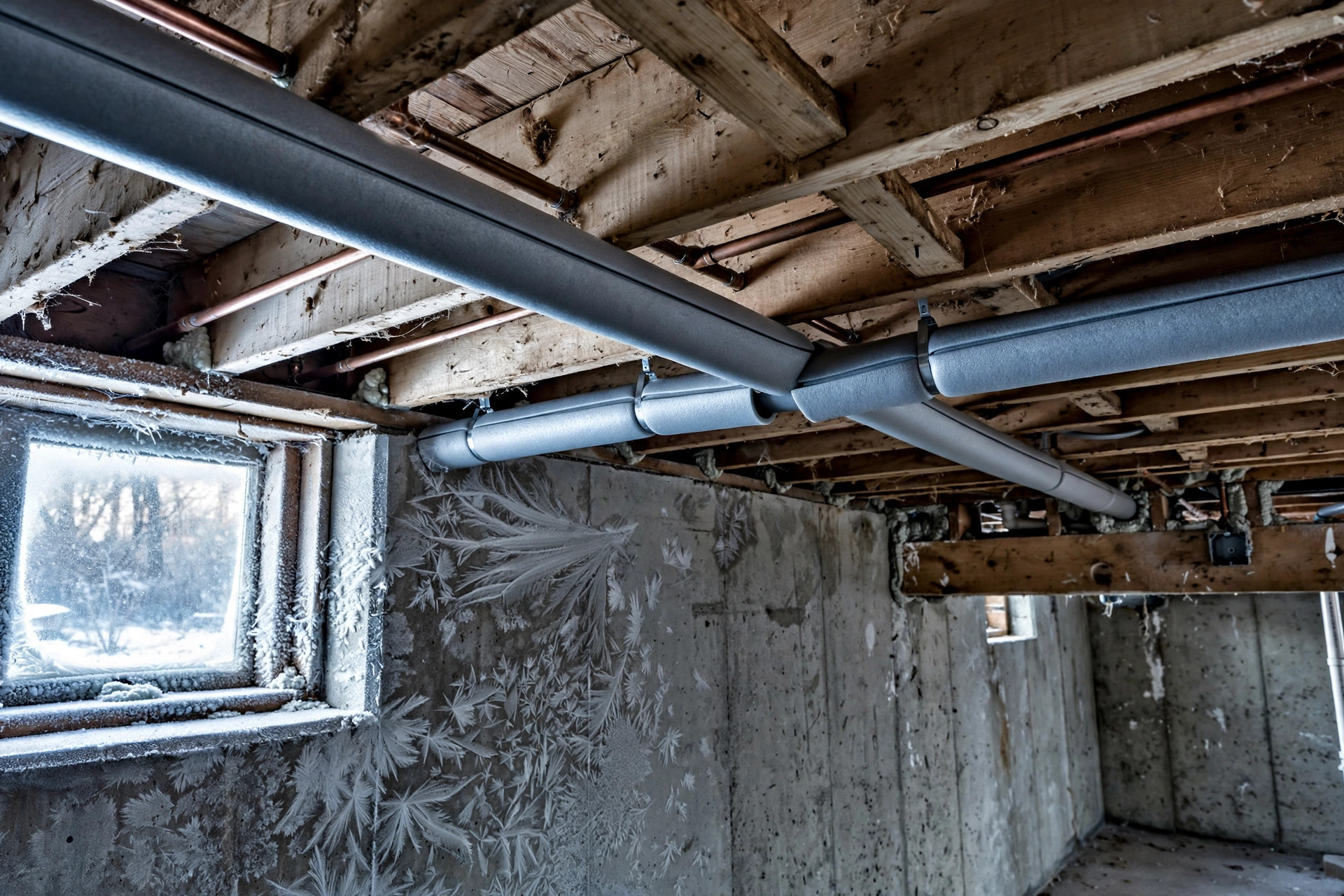
Winter can be hard on a home. Cold air finds the weak spots, and pipes often pay the price. Every year, thousands of American homeowners face burst pipes and water damage when the temperature drops. The best pipe insulation for cold climates USA buyers can find is one of the simplest ways to fight back. It wraps around exposed pipes, slows heat loss, and gives water a better chance to keep flowing on the coldest nights.
Pipe insulation does more than stop freezing. It lowers heat loss from hot water lines, which cuts energy bills. It stops cold lines from sweating in warm months, which protects wood and drywall from damp. It also quiets the knock and rattle of water moving through the house. For the cost of a few dozen dollars in sleeves and tape, you buy real peace of mind.
This guide walks through why insulation matters in freezing weather, what types are on the shelf, and how to pick the right one for your home. It also covers cost, installation steps, care, and safety, with answers to the questions readers ask most.
Why Pipe Insulation Matters in Cold Weather: Best Pipe Insulation for Cold Climates Usa
Water grows as it freezes. When ice forms inside a pipe, pressure builds fast. A burst can release gallons of water into walls and floors within minutes. The Environmental Protection Agency notes that household leaks and plumbing failures waste enormous amounts of water each year, and frozen pipes are among the worst offenders. One burst pipe can cause thousands of dollars in damage.
The danger is greatest for pipes in cold zones of the house. Attics, crawl spaces, garages, basements, and exterior walls stay far colder than living rooms. A pipe that runs along an outside wall may sit at near freezing while the bedroom beside it feels warm. Insulation raises the pipe’s surface temperature and slows the loss of heat, which buys time during a cold snap.
Homes in the northern states face the longest risk season. Minnesota, Maine, North Dakota, and Wisconsin can see below-zero stretches that last for weeks. But southern homes are not safe either. Texas and Georgia see sudden deep freezes that catch thin-walled pipes off guard, as the winter storms of recent years showed. Cold weather pipe wrap for basement and crawl space lines is cheap insurance in every region.
Beyond freeze defense, insulated hot water pipes deliver hot water faster. Less heat escapes on the way from the heater to the tap. That saves energy and water at once. The Department of Energy’s general guidance on home energy savings supports reducing heat loss wherever hot water travels.
What to Look for When Choosing Pipe Insulation
Not all insulation performs the same in deep cold. Keep these points in mind when you shop.
R-Value and Thickness
R-value measures how well a material resists heat flow. Higher numbers mean better protection. In cold climates, look for insulation rated for freezing temperatures, not just mild weather. Most foam sleeves list their R-value on the package. A sleeve rated R-3 or higher works well for moderate cold. For areas that sit below zero, consider thicker options or two layers.
Moisture Resistance
Wet insulation loses much of its power. Water conducts heat far better than air, so a soggy sleeve does little good. Closed-cell foam rubber sheds water well. Fiberglass wraps need a vapor barrier on the outside face to stay dry. If your pipes sweat in summer or sit in a damp crawl space, pick a material that shrugs off moisture.
Ease of Installation
Many sleeves come pre-slit and snap right over the pipe. Tape or cable ties hold them shut. Wraps and batts need more cutting and fitting. For a weekend job on straight runs, foam sleeves are the fastest choice. Corners and valves take more patience, whatever material you use.
Fire Safety Ratings
Insulation sits close to water heaters and furnace flues in many homes. Check that the product lists a flame-spread rating that fits local code. Keep any insulation a safe distance from flue pipes and other hot surfaces.
Types of Pipe Insulation for Freezing Temperatures
Foam Rubber Sleeves
Foam rubber sleeves are the most common choice. They are made from closed-cell rubber or polyethylene foam. Each sleeve is a tube with a slit along one side. You open the slit, fit it over the pipe, and seal the seam with tape or built-in adhesive. They come in standard lengths of six feet and in sizes for common pipe diameters.
Foam sleeves work well down to about zero degrees Fahrenheit when used in sheltered spots. They are light, easy to cut with a knife, and cheap. Most homeowners can insulate a whole basement in an afternoon. Their weakness is that very thin foam offers only modest protection in extreme cold.
Fiberglass Pipe Wraps
Fiberglass wrap is a flexible blanket of glass fiber, often with a foil or paper facing. You spiral it around the pipe and tape it in place. It handles high heat better than foam, which makes it a good pick near furnaces and hot water heaters. It also fits odd shapes and valves with less fuss.
The facing acts as a vapor barrier and should face outward. Fiberglass can irritate skin and lungs, so wear gloves, long sleeves, and a dust mask when you work with it. It costs a bit more than foam but offers strong cold weather pipe insulation sleeves for pipes that also face heat sources.
Self-Regulating Heat Cable with Insulation
For the worst spots, heat cable adds active warmth. The cable runs along the pipe and heats up as the temperature falls. It is self-regulating, which means it draws more power in colder spots and less where the pipe stays warm. You cover the cable and pipe together with foam insulation sleeves.
Heat cable needs a ground-fault protected outlet nearby. It costs more than passive insulation, but it is the most reliable winter pipe insulation sleeves option for pipes that cannot be moved or rerouted. Follow the maker’s instructions closely, and never overlap the cable unless the label allows it.
Reflective Foil Wraps
Foil-faced bubble wraps reflect radiant heat. They are thin and light, and they work best as an added layer over foam or fiberglass rather than a stand-alone defense. Some kits pair foil wrap with foam sleeves for crawl spaces that face wind and extreme cold.
How to Choose the Right Product for Your Home
Start with a walk through your house. Find every run of pipe that sits in an unheated space. Look at the attic, crawl space, garage, basement, and any line that passes through an outside wall. Pay special attention to pipes on the north side of the house, which stays coldest.
Measure the pipe’s outer diameter. Most home water lines are half-inch or three-quarter-inch pipe, and sleeves are sized to match. A loose sleeve slips and leaves gaps. A sleeve that is too tight will not close at the seam.
Consider the climate. In zones that see only a few nights below freezing each year, foam sleeves on exposed runs may be enough. Where winters are long and deep, pair foam with heat cable on the most exposed sections. Frozen pipe prevention insulation works best when it is matched to the real risk.
Check the age of your pipes. Older steel and copper lines transfer cold fast and benefit most from thick sleeves. Plastic PEX lines resist freezing a bit better but still need help in unheated zones. If your home still has older polybutylene piping, the /polybutylene-pipe-replacement-cost-usa/ guide can help you plan a larger upgrade alongside your insulation work.
Cost and Price Guide
Pipe insulation is one of the cheapest home repairs you can make. Basic foam sleeves cost about one to three dollars per six-foot length. A full set of sleeves for a typical basement runs between twenty and fifty dollars. Fiberglass wraps cost roughly five to ten dollars per roll of fifteen feet.
Heat cable is the priciest option. A twenty-five-foot cable costs forty to eighty dollars, and longer runs cost more. Add the price of foam sleeves to cover the cable, plus tape and ties. Even so, a heat cable job on a crawl space often stays under two hundred dollars in materials.
Professional installation adds labor cost. A plumber may charge two hundred to five hundred dollars to insulate an average home, depending on access and the amount of pipe. Tight crawl spaces take longer and cost more. Most homeowners find the job easy enough to do themselves, which keeps the price near the cost of materials alone.
Retailers like Home Depot and Lowe’s stock full lines of foam sleeves, wraps, tape, and heat cable. Shopping in person lets you match sleeve sizes to your pipe right in the aisle.
Installation and Upkeep
Step by Step Installation
First, clean the pipes. Wipe off dust and grime so tape sticks well. Turn off the water if you plan to work near valves or fittings, though simple sleeve jobs rarely need this.
Next, cut each sleeve to length with a sharp utility knife. Slide it over the pipe through the pre-cut slit. Butt the ends tight so no bare pipe shows between lengths. Seal the slit with the self-adhesive strip or with pipe insulation tape. On elbows and tees, cut short angled pieces and tape them snug.
Finally, check your work. Every inch of exposed pipe in the cold zone should be covered. Gaps at fittings are the weak points where freezing starts. Walk the line twice before you call the job done.
Seasonal Upkeep
Check the insulation each fall before the first hard freeze. Look for crushed sleeves, torn tape, and spots where foam has pulled back from fittings. Replace any damaged sections. Mice and squirrels sometimes chew foam in attics, so look for gnaw marks.
If you use heat cable, test it before winter. Plug it in and feel for gentle warmth along its length after an hour. Replace any cable that stays cold, shows cracks, or has damaged plugs. Good guides at This Old House and Family Handyman show how to inspect and maintain winter plumbing protection year after year.
Safety Notes
Safety comes first with any home project. Keep insulation away from flue pipes, recessed lights, and other hot surfaces unless the product is rated for that heat. Never place foam sleeves directly against a single-wall furnace flue.
Heat cable must plug into a ground-fault protected outlet. If your crawl space outlet lacks one, have an electrician upgrade it before winter. Do not run extension cords through damp spaces to reach a far outlet.
When working in attics and crawl spaces, watch your step. Walk only on joists or laid boards. Wear a dust mask and gloves with fiberglass. Keep a work light with you, and tell someone in the house where you are working.
Related Home Plumbing Projects
Pipe insulation often leads to a wider look at home plumbing. While you are under the house, check how clean your water is. Homes on private wells sometimes deal with rusty or metallic water, and the /iron-filter-for-well-water-reviews-usa/ reviews can help you compare filter options. Outdoor-minded homeowners also collect rain for gardens and wash water; the /rain-barrel-with-filter-kit-reviews-usa/ roundup covers kits with built-in filters.
Fixture brands matter too when you plan upgrades. Moen, Delta, and Kohler all publish care and winterization tips for their faucets and valves. And if your home drinks from a well or a small system, Aquasana offers whole-house filtration guides that pair well with any pipe protection plan.
Frequently Asked Questions
How cold can foam pipe insulation handle?
Standard foam sleeves protect well to about zero degrees Fahrenheit in sheltered spaces like basements. In open crawl spaces with wind, their limit is higher. For long stretches below zero, pair sleeves with self-regulating heat cable or add a second layer of wrap.
Does pipe insulation work on outdoor spigots?
Yes. Foam covers made for outdoor faucets fit over hose bibs and stop them from freezing. Remove garden hoses before the first freeze, drain the spigot, and then fit the cover. This small step prevents many spring leaks.
Can I insulate pipes myself?
Most homeowners can. Foam sleeves take only a knife and tape, and the job needs no plumbing skill. Heat cable needs care with electrical rules, so read the maker’s guide and use a ground-fault outlet. Call a plumber if pipes are hard to reach or show signs of damage.
Will insulation stop pipes from freezing in a power outage?
Insulation slows freezing but cannot stop it forever. It buys time, often many hours, but in a long outage with no heat, pipes may still freeze. During outages, let faucets drip slightly and open cabinet doors under sinks to let warm air reach the pipes.
How thick should pipe insulation be in cold climates?
Half-inch foam is the common minimum for mild freeze zones. In deep-cold regions, one-inch foam or double layers work better. The thicker the sleeve, the longer the pipe stays above freezing. Match thickness to your lowest winter temperatures.
Does insulation help in summer too?
It does. Cold water lines sweat in humid months, and insulation stops that damp from reaching wood and drywall. Hot water lines lose less heat year round, which trims energy use in every season.
A Final Word
The best pipe insulation for cold climates USA homeowners can buy is simple, cheap, and easy to fit. It guards against burst pipes, trims heat loss, and quiets noisy lines. A single weekend of work each fall can save thousands in repairs later.
Walk your home, find the cold runs, and cover every inch. Match the material to your climate, seal the seams tight, and check the job each year. Winter will still come, but your pipes will be ready for it.
References
Aquasana. (n.d.). Water filtration systems. https://www.aquasana.com Delta Faucet. (n.d.). Kitchen and bathroom faucets. https://www.deltafaucet.com ENERGY STAR. (n.d.). Energy efficient products. https://www.energystar.gov Family Handyman. (n.d.). DIY home repair and maintenance. https://www.familyhandyman.com Kohler. (n.d.). Bathroom and kitchen fixtures. https://www.kohler.com Lowe’s. (n.d.). Home improvement products. https://www.lowes.com Moen. (n.d.). Faucets and plumbing fixtures. https://www.moen.com The Home Depot. (n.d.). Home improvement products. https://www.homedepot.com This Old House. (n.d.). Home renovation guidance. https://www.thisoldhouse.com U.S. Environmental Protection Agency. (n.d.). Protecting human health and the environment. https://www.epa.gov
Was this guide helpful?

About David Wilson
The My Garden US editorial team writes practical, in-depth home and garden guides for American homeowners — tested advice, no fluff.
You May Also Like
Best Instant Hot Water Tank Reviews USA
September 17, 2026 0 views
Garbage Disposal Installation Cost Near Me: A Plain Guide for Homeowners
May 3, 2026 0 views
The Best Shower Head for Well Water USA Homeowners: A Plain Buying Guide
August 21, 2026 0 views