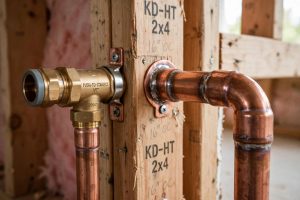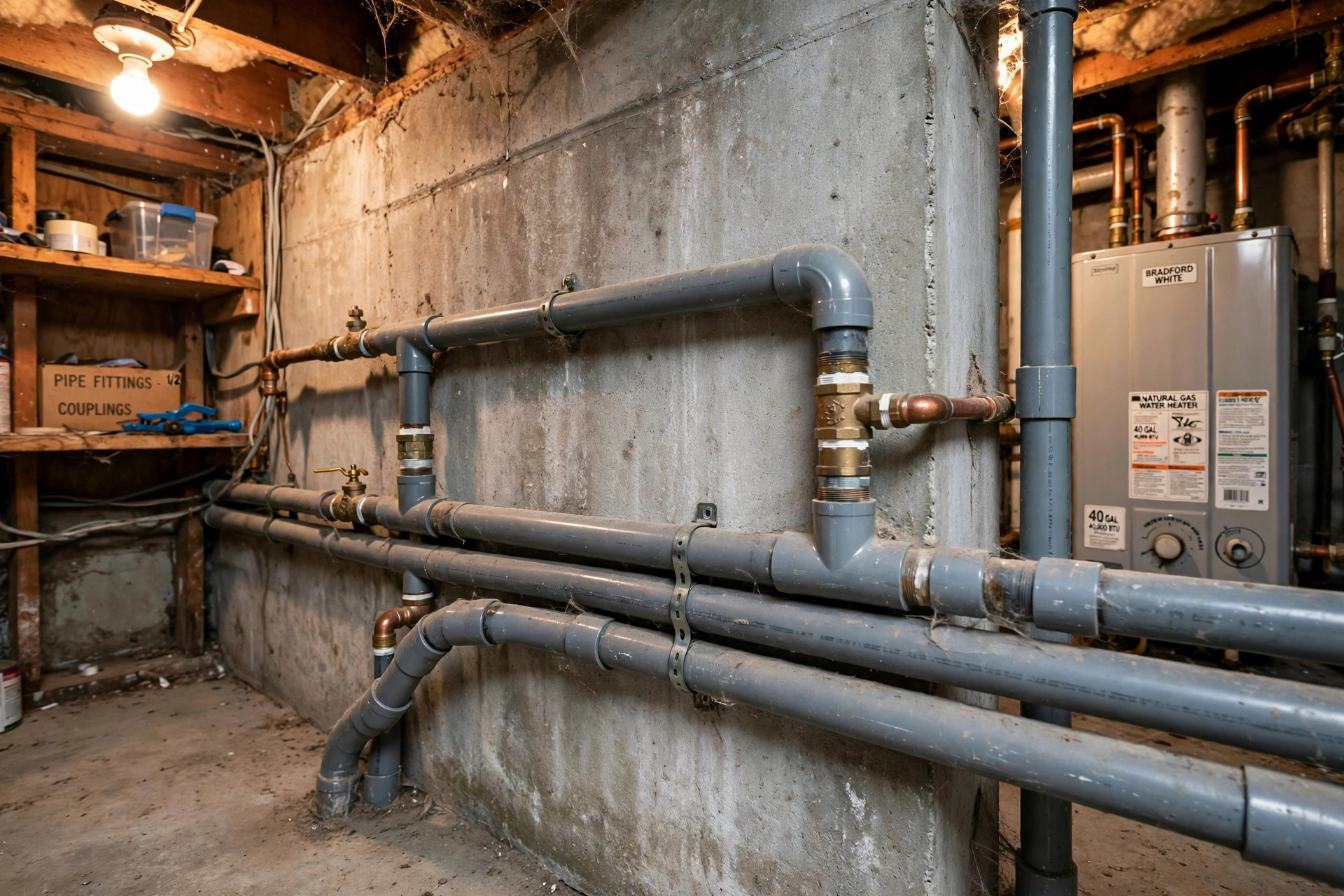

The polybutylene pipe replacement cost USA homeowners face is one of the most common plumbing bills in older American homes. Polybutylene is a gray plastic pipe used in millions of houses built between the late 1970s and the mid 1990s. Builders liked it because it was cheap and easy to run. Time showed that it fails from the inside out. Chlorine and other chemicals in treated water make the pipe brittle. It can break without warning and flood a home. That is why owners ask what full replacement costs before they buy, sell, or remodel.
A full repipe is not a small repair. It is a planned project. Knowing the real numbers helps a homeowner set a budget and compare bids. This guide walks through typical cost ranges, the factors that raise or lower the bill, pipe material choices, the work process, and care for the new system.
Why Polybutylene Pipe Replacement Matters
Polybutylene was once sold as the pipe of the future. It is a flexible gray plastic that comes in rolls and snakes through walls with few joints. From about 1978 to 1995, builders installed it in more than ten million homes. It was less costly than copper and faster to install.
Problems began within a decade. Owners reported sudden splits and leaking fittings. Research pointed to oxidants in municipal water, mainly chlorine, breaking down the plastic from the inside. The pipe looks fine on the outside until it bursts. Class action lawsuits followed, and insurers grew wary of the material. Some carriers refuse to cover water damage in homes that still have polybutylene. Others charge higher premiums.
Replacement matters for three plain reasons. First, it removes the risk of sudden failure. A burst supply line can release gallons per minute and ruin floors, walls, and cabinets. Second, it restores insurability and resale value. Buyers and home inspectors now flag polybutylene as a defect. Third, it ends the worry. A home with modern pipe is simply easier to own.
If you are shopping for a whole-house project, a whole house repipe cost calculator can help you frame the numbers before you call a plumber.
How Much Does Polybutylene Pipe Replacement Cost?: Polybutylene Pipe Replacement Cost Usa
The polybutylene pipe replacement cost USA wide typically falls between $4,000 and $15,000 for a full house repipe. Most owners of average homes pay between $6,000 and $10,000. Larger homes, homes with two or more full baths, and homes where pipes are hard to reach can push the total toward $20,000.
On a per-foot basis, plumbers often charge $4 to $10 per linear foot, with labor making up the largest share. A simple one-story ranch with easy attic or basement access sits at the low end. A two-story home on a slab sits at the high end. Drywall repair, tile repair, and repainting add to the bill. Many plumbers quote the pipe work alone and list wall repair as a separate line. Always ask what the quote includes.
Geography moves the number as well. Labor rates in large coastal cities run higher than in small towns. Local permits and inspection fees also vary by city and county. These are modest costs, often a few hundred dollars, but they belong in the budget.
What Drives the Cost Up or Down
Several factors set your final price. The size of the home is first. More bathrooms, more kitchen fixtures, and a laundry room mean more pipe and more connections. A three-bath house needs far more work than a one-bath cottage.
Access is second. Pipes that run through an open basement or crawlspace are quick to replace. Pipes buried in a concrete slab or sealed behind finished walls take more time. Time is labor, and labor is most of the bill.
The replacement material is third. PEX tubing is the most common choice for repipes today. It is flexible, freeze resistant, and relatively fast to install. Copper costs more in both material and labor. It is rigid, so it needs more fittings and more wall openings. A copper repipe can cost 30 to 50 percent more than a PEX repipe.
Fixtures and extras are fourth. If the job includes new shutoff valves, a new water heater connection, or a pressure regulator, the price rises. A burst pipe repair cost near me search shows how emergency calls differ from planned work; planned repipes are almost always cheaper per foot than rush repairs after a flood.
Finally, the condition of the home counts. Older homes with lath and plaster walls need more careful patching than homes with modern drywall. Homes with radiant floor heat or post-tension slabs need a plumber with special skill, and the bid should show it.
Types of Replacement Pipe
Homeowners usually choose between two main materials. Each has real strengths.
PEX Tubing
PEX, or cross-linked polyethylene, is the workhorse of modern repipes. It bends around corners, so a plumber can pull long runs with few joints. Fewer joints mean fewer places to leak. It handles freezing better than copper because it can expand slightly and return to shape. It costs less in material and installs faster. Most repipes in the United States today use PEX. Manufacturers publish guidance on installation, temperature limits, and fitting systems that a licensed plumber will follow.
Copper Pipe
Copper has served American homes for a century. It is strong, it handles heat well, and it resists the chemical breakdown that doomed polybutylene. It is also the familiar, proven choice that many owners and some local codes prefer. The drawback is cost. Copper pipe costs several times what PEX costs per foot, and the work is slower. Soldered joints require open flame, so plumbers must take fire safety steps inside finished walls. A detailed pex repipe vs copper repipe pros cons comparison can help you weigh the two before you decide.
A third option, CPVC, still appears in some regions, but most full repipes today choose PEX or copper. Your plumber should explain which materials your local code allows and which he warranties.
How the Replacement Work Is Done
A typical polybutylene repipe follows a clear sequence. First comes the inspection. The plumber maps the existing lines, counts fixtures, and checks access points. He will note where polybutylene is visible: at the water heater, under sinks, in the attic, or near the main shutoff.
Next comes the bid and the permit. A good bid lists the material, the number of fixtures, what gets opened and patched, and the timeline. The plumber pulls a permit where the city requires one.
The work itself usually takes two to five days. The crew shuts off the water, drains the lines, and cuts strategic openings in walls and ceilings. They pull the old polybutylene and run the new pipe. New shutoff valves go in at each fixture, which is a real upgrade for future maintenance. Then the system is pressurized and tested. Only after a clean test does the patching begin.
Drywall repair and painting may come from the same crew or a separate contractor. Clarify this in writing. A repipe that leaves rough patches in every room is not finished. Some companies offer one-package pricing that includes paint-ready walls. Both are fine if the scope is clear up front.
Cost and Price: Building Your Budget
Start with three bids from licensed plumbers. Ask each one the same questions. What material will you use and why? How many wall openings do you expect? Who patches and paints? How many days will the water be off? What warranty covers labor and materials? Comparing answers is more useful than comparing the bottom line alone.
A sample budget for a 2,000 square foot home might look like this. Pipe and fittings: $1,500 to $3,000. Labor for the repipe: $4,000 to $8,000. Permit and inspection: $150 to $500. Drywall and paint repair: $1,000 to $3,000. Add a ten percent contingency for hidden problems, such as rotted wood behind a slow leak or corroded valves.
Ask about financing if the number is large. Some plumbing companies offer payment plans. A home equity loan or a home improvement loan may carry a lower rate.
Timing also affects price. Emergency work after a flood costs far more per hour and adds water damage restoration on top. Planning ahead is the cheapest option.
Choosing the Right Plumber
The plumber matters as much as the pipe. Look for a licensed, insured contractor with clear repipe experience. Ask how many whole-house repipes he completes each year.
Check the license with your state board and confirm that insurance is current. Read reviews, but read them with care. A pattern of complaints about leaks after the job is a warning.
Get the scope in writing. It should name the pipe material and brand, the number of fixtures, valve upgrades, testing steps, permit handling, patch scope, cleanup, and the warranty term. A written scope protects both sides. Avoid any contractor who asks for full payment up front. A typical schedule is a deposit, a progress payment at rough-in, and the balance at final inspection.
Resources from established home improvement publishers and plumbing manufacturers can help you prepare questions before the first visit. Guides on This Old House and Family Handyman explain repipe basics in plain terms, and manufacturer sites such as Moen, Kohler, and Delta Faucet describe the valves and fixtures your new system will use.
Care and Upkeep of the New System
A new PEX or copper system needs little care, but a few habits extend its life. Know where your main shutoff valve is and test it once a year. A valve that turns freely in a calm moment is a gift during an emergency.
Watch your water pressure. High pressure stresses pipes, valves, and appliances. A simple gauge on an outdoor spigot tells the story. Most homes should run between 40 and 80 pounds per square inch.
Insulate exposed pipes in unheated spaces. Foam sleeves are cheap and easy to fit. In cold regions, this step is basic winter care. Advice on protecting plumbing through the seasons appears in guides from retailers such as Home Depot and Lowe’s.
If your water is hard or carries heavy sediment, consider treatment. Hard water shortens the life of water heaters and fixtures. A whole-house filter or softener, described by makers like Aquasana, can protect the investment you just made. The EPA publishes plain-language information on drinking water quality and home treatment options.
Finally, fix small leaks fast. A drip at a valve or supply line is cheap to repair today and costly to ignore. New pipe deserves the same watchful eye as old pipe.
Safety During and After the Job
Repiping is construction inside your home, so basic safety rules apply. Keep children and pets clear of open walls, tools, and pipe offcuts. If the crew solders copper, confirm they use fire cloths and keep a fire watch after hot work. Dust from cutting drywall calls for masks and ventilation. A reputable crew handles these steps as routine.
Water safety matters too. After the new lines go in, the plumber should flush the system before you drink from it. Run each tap for a few minutes to clear air, flux residue, and fine debris. If the water looks cloudy, let it settle and run it longer. This is normal and short-lived.
Long term, the new system is safer than polybutylene by a wide margin. PEX and copper both carry long manufacturer warranties, and both are approved under modern plumbing codes. Keep your permit card and inspection record with your house papers. Future buyers will ask about them.
Frequently Asked Questions
How can I tell if my home has polybutylene pipe?
Look for gray plastic pipe where water lines are visible. Common spots are near the water heater, under sinks, at the main shutoff, and in unfinished basements or crawlspaces. The pipe is usually gray, but some runs are black or blue for outdoor use. Fittings may be plastic or copper. If you are unsure, a plumber can identify the material in one short visit.
Is a partial replacement enough?
Most plumbers advise against it. Polybutylene fails throughout the system, not in one weak section. A full repipe costs more up front but solves the problem once. Partial fixes can also complicate insurance and resale.
How long does a full repipe take?
A typical single-family home takes two to five working days for the plumbing. Patching and painting add another few days. Large or complex homes can run longer. Your contractor should give a written schedule and explain when the water will be off each day. Most crews restore water service at the end of each workday.
Will the plumber have to open many walls?
Some openings are unavoidable, but an experienced repipe crew keeps them small and few. They cut at fixture locations, behind access panels, and along the shortest new routes. PEX needs fewer openings than copper because it bends through cavities. Ask each bidder how many openings he expects and who repairs them.
Does homeowners insurance cover polybutylene replacement?
Almost never. Standard policies do not pay to replace worn or defective pipe. They may pay for water damage from a sudden burst, minus your deductible, but the repipe itself is the owner’s cost. Replacing the pipe can also be the key to keeping or getting a policy.
Can I stay in the house during the repipe?
Yes, in most cases. The water is off during work hours and usually back on each evening. Most owners stay put without trouble.
A Short Final Word
The polybutylene pipe replacement cost USA homeowners pay is real money, but it buys real peace of mind. Get three bids, choose proven materials, hire a licensed plumber with repipe experience, and keep the scope in writing. Done well, the project takes less than a week and protects the home for decades.
References
Aquasana. (n.d.). Water filtration systems. https://www.aquasana.com Delta Faucet. (n.d.). Kitchen and bathroom faucets. https://www.deltafaucet.com Family Handyman. (n.d.). DIY home repair and maintenance. https://www.familyhandyman.com Kohler. (n.d.). Bathroom and kitchen fixtures. https://www.kohler.com Lowe’s. (n.d.). Home improvement products. https://www.lowes.com Moen. (n.d.). Faucets and plumbing fixtures. https://www.moen.com The Home Depot. (n.d.). Home improvement products. https://www.homedepot.com This Old House. (n.d.). Home renovation guidance. https://www.thisoldhouse.com U.S. Environmental Protection Agency. (n.d.). Protecting human health and the environment. https://www.epa.gov
Was this guide helpful?

About Robert Taylor
The My Garden US editorial team writes practical, in-depth home and garden guides for American homeowners — tested advice, no fluff.
You May Also Like

Single Hole vs Widespread Faucet Comparison
May 4, 2026 0 views
Salt Free Water Softener Reviews for Hard Water
May 16, 2026 0 views
The Best Soaking Tub for a Small Bathroom: A USA Buyer Guide
October 5, 2026 1 views