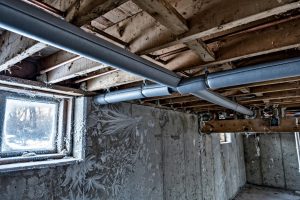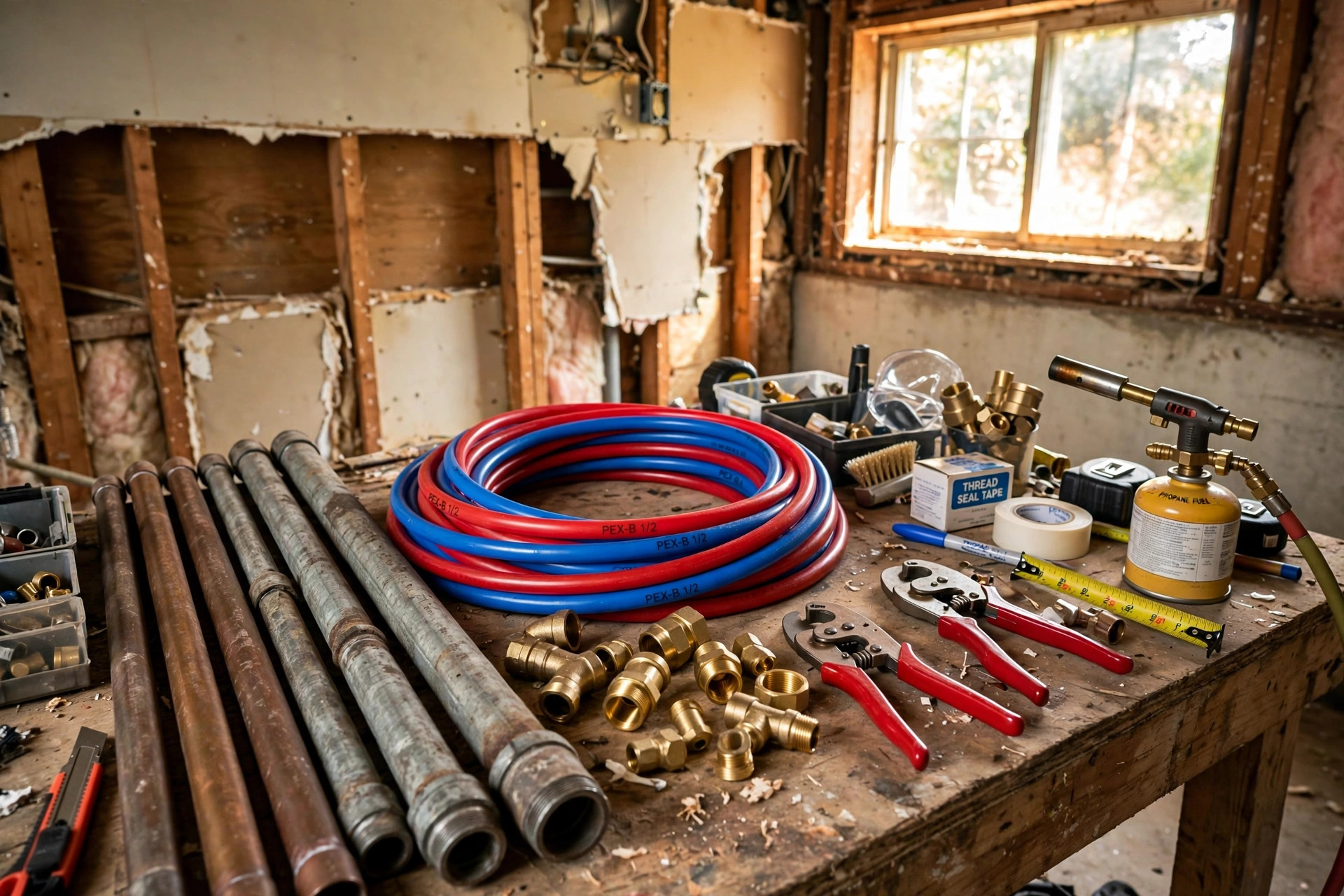

A whole house repipe cost calculator USA is a tool that helps a home owner plan the price of replacing all the water pipes in a home. It takes in facts like the size of the house, the number of bath rooms, and the type of pipe, and it gives a price range. The tool does not give a firm quote. It gives a start point for a budget.
A full repipe is a large job. It means new pipes in the walls, under floors, and in the crawl space or attic. The old pipes stay in place or are taken out. The home owner pays for the pipe, the fittings, the labor, and the repair of walls after. A reliable guide on how to find a good plumber can help when the time comes to get real bids.
This guide explains how such a cost tool works. It shows the average price in the United States, the parts that change the price, and how to read the number the tool gives.
Why a Whole House Repipe Cost Calculator Matters
Pipes do not last forever. Galvanized steel pipes last about forty to fifty years. Polybutylene pipes often fail much sooner. Copper can last fifty years or more, but it can still wear out in areas with hard water. When the time comes, the home owner must replace the whole system at once. It is a rare job, and most people have no sense of the cost.
A calculator helps in three ways. First, it sets a budget before bids come in. Second, it shows how choices, like copper versus PEX, change the price. Third, it keeps the home owner from being shocked by a low bid that later grows with extras. A number from a trusted source like This Old House or Family Handyman can confirm that the estimate is in the right range.
A cost tool is also useful for planning. Some home owners repipe when they remodel. Others must act fast after a leak. In both cases, a rough price from a calculator makes the next step easier.
How a Whole House Repipe Cost Calculator USA Tool Works
Most tools ask for the same set of facts. They take these inputs and apply a price model built from national data.
The Inputs the Tool Needs
A good calculator asks for square footage of the home, the number of bath rooms, the number of floors, the type of pipe now in the home, and the type of pipe wanted. Some tools also ask about the region, since labor rates differ across the country. A few ask about a crawl space, a slab, or a basement, because access changes labor time.
The Formula Behind the Number
The tool multiplies the cost of pipe and fittings by the amount needed. Then it adds labor hours at a local rate. Then it adds permit fees and drywall repair. The result is a range, not one number. The range is honest, because no tool can see inside your walls.
Average Whole House Repipe Cost in the USA
In 2026, a full repipe of a typical single family home costs between $4,000 and $15,000. A small one story home with one bath may run near $3,500 to $6,000. A larger two story home with three baths may run $10,000 to $18,000. These are installed prices from licensed plumbers.
The calculator will place your home in this range. A home with a crawl space is easier to work in, so it lands near the low end. A home with a slab floor and many walls to open lands near the high end.
Labor is the largest part of the bill. It often makes up half to two thirds of the total. Materials cost far less than the time of the crew.
Pipe Material: The Biggest Choice
The type of pipe changes the price more than any other choice. The three common types are copper, PEX, and CPVC. A look at a pex vs copper plumbing cost comparison usa gives a fuller picture of the trade offs.
Copper Pipe
Copper is the old standard. It lasts a long time, and it resists heat. It is the most costly choice. A copper repipe can cost two to three times as much as a PEX repipe. Copper also takes more labor, since joints must be cut, cleaned, and soldered. Many home owners still pick copper for its long track record.
PEX Pipe
PEX is a flexible plastic pipe. It is the most common choice for a full repipe today. It costs less than copper, and it goes in faster. Its flexibility means fewer joints inside walls. That means fewer places where a leak can start. Most calculators use PEX as the default choice. The pros and cons of pex repipe vs copper repipe are worth a careful read before you decide.
CPVC Pipe
CPVC is a rigid plastic pipe. It costs about the same as PEX. It is less common for a full repipe, but some regions use it a lot. It handles heat well. It is easy to cut and glue.
What Changes the Price
Several facts move the number up or down. A calculator weighs most of these.
Size of the Home
More square feet means more pipe. Each bath room adds supply lines and valves. Each floor adds time, since the crew must run lines up and through the house.
Number of Bath Rooms and Fixtures
A bath room has a toilet, a sink, a tub or shower, and sometimes more. Each fixture needs hot and cold lines. A powder room costs less to repipe than a full bath. Kitchens, laundry rooms, and outdoor spigots add more lines.
Access to the Pipes
Pipes in a crawl space or an open basement are easy to reach. Pipes inside walls and under a concrete slab are hard to reach. Hard access means more labor hours and more drywall repair.
Local Labor Rates
A plumber in a large city costs more per hour than one in a small town. Coastal states often run higher than the midwest. A guide to plumber hourly rates near me 2026 usa shows how rates vary. Some tools adjust for your zip code.
Permits and Inspections
Most cities require a permit for a full repipe. The fee is often $100 to $500. An inspection follows the rough in work. The tool should add this to the total.
Wall and Ceiling Repair
A repipe opens walls and ceilings. Some plumbers include the patch work in the bid. Others leave it to a drywall crew. Repair can add $500 to $2,000. Ask what the bid covers.
How to Use the Number From the Calculator
Treat the number as a planning figure. Use it to set a budget range. Then get at least three bids from licensed plumbers. Real bids will land above or below the calculator number. That is normal.
Compare bids on the same basis. Each bid should name the pipe type, the brand, the number of fixtures, the permit, and the repair work. A bid that is far below the calculator number may skip the permit or the wall repair. A bid far above may include premium fixtures or a full drywall crew.
Keep a buffer of ten to fifteen percent above the calculator number. Old homes hide surprises. A plumber may find rotted wood, bad valves, or a water heater that must be moved. The buffer keeps the job from stalling.
Cost of Replacing Special Pipe Types
Some old pipe types force the job sooner. Polybutylene is the main one. It was used in millions of American homes in the 1980s and early 1990s. It can fail without warning. A polybutylene pipe replacement cost usa guide covers that case in full.
Galvanized steel is another case. It rusts from the inside. Water pressure drops. Water may turn brown. When a home has galvanized steel, a repipe is not a choice. It is a must.
Signs Your Home Needs a Full Repipe
A calculator is only useful when the time is right. Watch for these signs. Low water pressure in many fixtures points to rusted pipes. Discolored water points to corrosion. Frequent leaks point to a system at the end of its life. Pipes that are fifty years old or more should be checked by a plumber.
A partial fix can make sense for one leak. When leaks come one after another, a full repipe costs less in the long run than many small repairs.
Steps in a Full Repipe Job
The job follows a set order. The plumber shuts off the water and maps the old lines. Then the crew opens walls and runs new pipe. Old lines are cut and capped. New lines are tied to the water heater and the main shut off. The system is tested under pressure. Then an inspector checks the work. Last comes the wall repair and paint.
Most jobs take two to five days for the plumbing work. Drywall repair and paint take longer. Water is off for much of the work, but a good crew keeps a bath room working when they can.
Safety During the Job
A repipe is safe work when done right, but the home owner should take care. Dust from old walls can carry lead paint in homes built before 1978. The crew should test and handle it with care. Water to the home will be off at times, so plan for meals and bathing. Keep the work area clear of children and pets. The U.S. Consumer Product Safety Commission offers guidance on home safety during major work.
Old homes may have asbestos around pipes. A pro will spot it and call a licensed abatement crew. Do not let a plumber tear through suspect material without a test.
Care and Upkeep After a Repipe
New pipes need little care. That is one of the rewards of the job. A few habits keep the system sound for decades.
First, know where the main shut off valve is, and turn it once a year to keep it free. Second, check under sinks twice a year for damp spots. Third, drain the water heater once a year to clear sediment. Fourth, watch the water pressure. A gauge on an outdoor spigot should read between 40 and 80 pounds per square inch. High pressure wears out pipes and valves.
If the home has hard water, a softener can stretch the life of copper and fixtures. A look at Moen and Delta Faucet product pages shows fixtures built for long service. For water quality concerns, the EPA site has plain facts on drinking water standards.
Getting Real Bids After Using the Calculator
The calculator is step one. Step two is bids. Call plumbers with good reviews and a valid license. Ask for a written bid, not a verbal one. Ask how long the job will take and who does the wall repair. Ask about the warranty on work and on pipe.
Do not pick on price alone. A fair bid with a clear scope beats a low bid with vague terms. A plumber who answers questions in plain words is a good sign. Retailers like Home Depot, Lowe’s, Kohler, and Aquasana list products and prices that can help you check material costs named in a bid.
Frequently Asked Questions
How much does a whole house repipe cost in the USA?
A typical range is $4,000 to $15,000 for a single family home. Small homes land near $3,500 to $6,000. Large homes with three baths can reach $18,000. PEX jobs cost the least. Copper jobs cost the most.
Is a whole house repipe cost calculator USA accurate?
It is a planning tool, not a quote. It is accurate enough to set a budget and to compare bids. Real bids vary by region, access, and scope. Use the number as a range and add a buffer of ten to fifteen percent.
Which pipe is best for a full repipe, PEX or copper?
PEX is the most common pick. It costs less, goes in faster, and resists scale. Copper lasts longer and handles heat well, but it costs much more. Many home owners pick PEX for a full repipe and save copper for small exposed runs.
How long does a full repipe take?
The plumbing work takes two to five days in most homes. Wall repair and paint can add a week or more. Water is off during much of the plumbing work.
Does a repipe add value to a home?
Yes. New plumbing is a strong selling point. Buyers and inspectors both like it. It can also lower insurance risk in homes with old polybutylene or galvanized pipe.
Can I live in the home during a repipe?
Most people do. The crew keeps at least one bath room working when they can. Water is off at times during the day. Plan ahead for cooking and bathing.
A Final Word
A whole house repipe cost calculator USA will not replace a licensed plumber’s bid. It will give you a fair number to work with. Use it to set a budget, to weigh pipe choices, and to read the bids when they come in. The job is large, but it is also simple in its parts: pipe, labor, permits, and repair. When you know the parts, the price makes sense. Take your time, get three bids, and pick the plumber who explains the work in plain words.
References
Aquasana. (n.d.). Water filtration systems. https://www.aquasana.com Delta Faucet. (n.d.). Kitchen and bathroom faucets. https://www.deltafaucet.com Family Handyman. (n.d.). DIY home repair and maintenance. https://www.familyhandyman.com Kohler. (n.d.). Bathroom and kitchen fixtures. https://www.kohler.com Lowe’s. (n.d.). Home improvement products. https://www.lowes.com Moen. (n.d.). Faucets and plumbing fixtures. https://www.moen.com The Home Depot. (n.d.). Home improvement products. https://www.homedepot.com This Old House. (n.d.). Home renovation guidance. https://www.thisoldhouse.com U.S. Consumer Product Safety Commission. (n.d.). Product safety information. https://www.cpsc.gov U.S. Environmental Protection Agency. (n.d.). Protecting human health and the environment. https://www.epa.gov
Was this guide helpful?

About James Carter
The My Garden US editorial team writes practical, in-depth home and garden guides for American homeowners — tested advice, no fluff.
You May Also Like
Sump Pump Installation Cost Near Me: A Plain Guide for Homeowners
March 9, 2026 0 views
Whole House Sediment Filter Installation Cost: What You Pay and Why
February 13, 2026 0 views
Single Hole vs Widespread Faucet Comparison
May 4, 2026 0 views