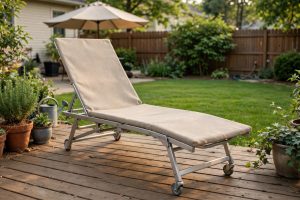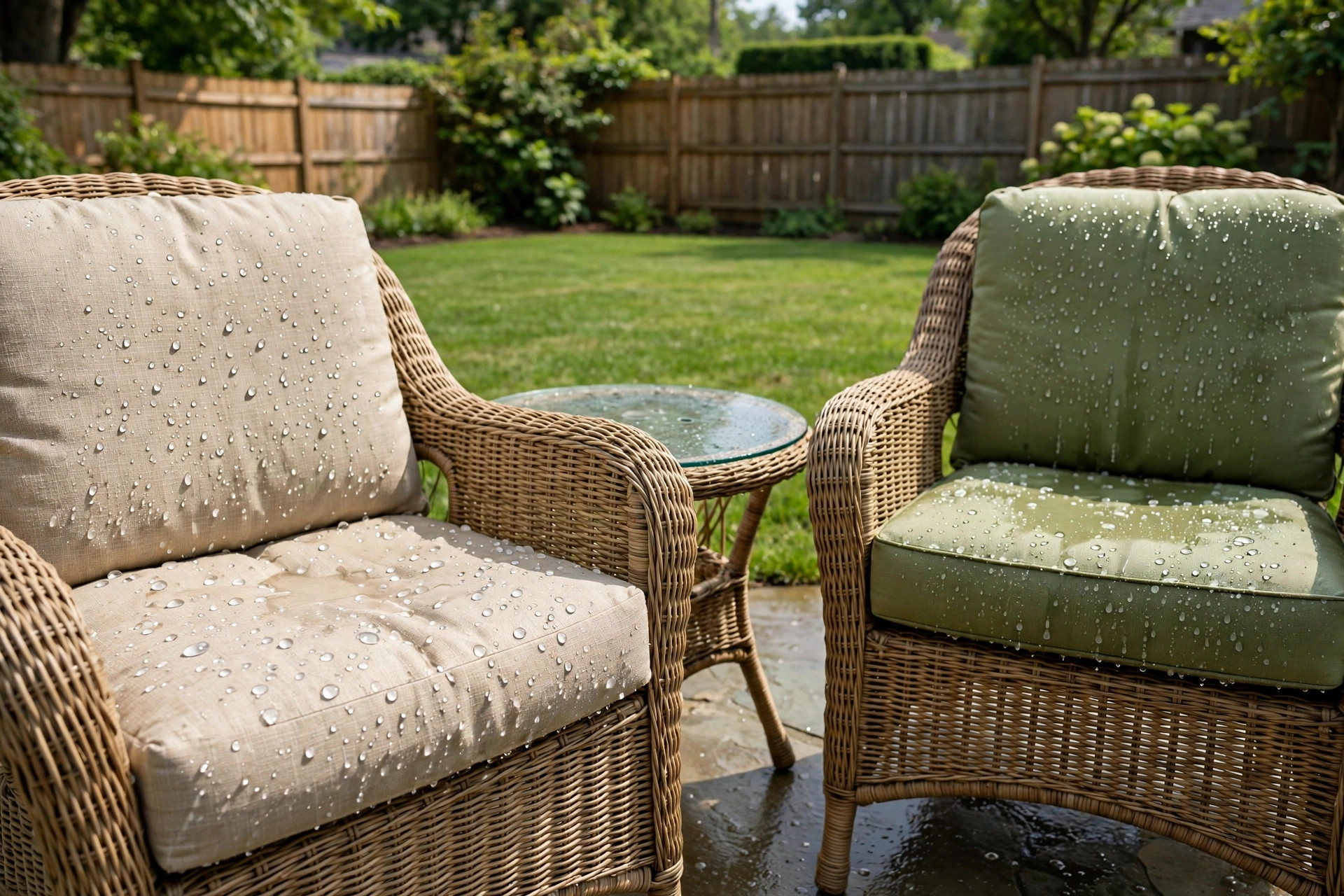
Rain is the worst enemy of patio cushions. One wet week can leave them damp, stained, and smelling of mildew. This guide shows how to waterproof outdoor furniture cushions step by step. The methods are simple. The tools are cheap. With one afternoon of work, your cushions can face rain, dew, and sprinkler splash without soaking through.
Why Waterproofing Matters
Outdoor cushions are made to take some water. Most are built with foam that drains fast and fabric that dries in the sun. But no cushion is truly dry-proof from the store. Water soaks in over time. It settles in the foam core. Then mildew grows. The cushion smells sour and feels heavy.
Learning how to waterproof outdoor furniture cushions saves money. New cushions for a full patio set can cost hundreds of dollars. A can of waterproofing spray costs less than twenty dollars. A fitted cover costs about the same. One season of rain can ruin untreated cushions. Treated cushions can last five or more years.
Waterproofing also keeps colors bright. Sun and rain bleach fabric. Water beads off treated fabric instead of soaking in. Dirt and bird droppings sit on the surface. You wipe them away with a damp cloth. The fabric keeps its color longer.
There is a health angle too. Mildew in damp cushions can bother people with allergies. A dry cushion is a clean cushion. That matters when guests sit down for a summer dinner on the patio.
What to Look for in Waterproofing Products: How to Waterproof Outdoor Furniture Cushions
Read the Label First
Not every spray fits every fabric. Check what your cushions are made of. Common fabrics include polyester, acrylic, and olefin. Canvas and Sunbrella-type fabrics are common on nicer sets. Most sprays work on all of these. Some work best on natural fibers like cotton canvas. Read the can before you buy.
Look for a product made for outdoor fabric. Car wax or shoe spray may seem like a good idea. They are not. They can stain fabric or leave it stiff. Use a spray built for patio furniture.
Pick a Breathable Treatment
Good waterproofing keeps water out but lets air move. This matters. Cushions trap sweat and heat. A treatment that seals the fabric shut can trap moisture inside. That can cause mildew in the foam. Look for words like “breathable” or “water repellent” on the label. Water repellent fabric sheds water but still breathes.
Choose Between Spray and Brush-On
Sprays are the most popular choice. They are easy to use. They coat the fabric in a thin, even layer. One can usually treats two to four chair cushions. Brush-on products exist too. They give a thicker coat. They take longer to apply. For most people, a spray is the right pick when learning how to waterproof outdoor furniture cushions.
Types and Options for Waterproofing Cushions
Waterproofing Sprays
Fabric guard sprays are the standard tool. You spray them on clean, dry cushions. They form a clear shield on the fibers. Water beads up and rolls off. Most sprays last one season. You reapply in spring.
To use a spray, work outside on a calm day. Wind will carry the mist. Lay cushions on a tarp or old sheet. Hold the can about six inches from the fabric. Spray in slow, even passes. Cover all sides. Let the cushions dry for two to four hours. Some products ask for a second coat. Read the directions on your can.
Fabric Covers and Wraps
A fitted cover is the strongest defense. You pull it over the cushion like a pillowcase. It blocks rain from touching the cushion at all. Covers work well for chairs that sit out all season. They also help with sun fade.
Covers come in standard sizes. Measure your cushions before you buy. A cover that is too loose will fill with water at the bottom. A cover that is too tight will be hard to put on. Look for covers with a drawstring or zipper. They stay on in wind.
Cushion Storage Boxes
For heavy storms, nothing beats putting cushions away. A deck box keeps them dry in driving rain. It also keeps them clean in winter. Many boxes hold four to six seat cushions. They double as a bench or side table.
A box is not a daily answer for most people. But it is smart to have one. Use it when a storm is coming. Use it for the off season. Your cushions will last years longer.
Waterproof Cushion Liners
Some people add a plastic liner inside the cushion cover. The liner wraps the foam core. If water gets through the fabric, the liner stops it from reaching the foam. This is a good trick for old cushions. It is also useful in places with very heavy rain.
Liners can be as simple as a large plastic bag. Special liners made for cushions are sold too. They fit better. The trade-off is comfort. Plastic liners can feel warm and make a crinkling sound. Most people get used to it.
How to Waterproof Outdoor Furniture Cushions: Step by Step
Here is the full process in order. It takes about two hours for a set of four chairs, plus drying time.
Step 1: Clean the Cushions
Waterproofing works best on clean fabric. Dirt blocks the spray. First, shake off loose dust. Then wash each cushion with warm water and mild dish soap. Use a soft brush for stains. If your set needs a deeper clean, read a guide on how to clean outdoor furniture cushions before you start.
Rinse well with a hose. Soap left in the fabric can stop the spray from sticking. Let the cushions dry in full sun. They must be fully dry. Do not spray damp fabric.
Step 2: Set Up Your Work Area
Pick a calm, dry day. A light breeze is fine. Strong wind is not. Lay a tarp on the lawn or driveway. Place the cushions on the tarp. Keep pets and kids away while you spray. Wear gloves and, if you can, a simple dust mask. Spray fumes are mild but not pleasant.
Step 3: Test on a Small Spot
Spray a small hidden area first. The back or bottom of a cushion works well. Wait thirty minutes. Check for color change or stiffness. Most products cause no change. If you see a problem, stop and pick a different product.
Step 4: Apply the Spray
Hold the can six to eight inches from the fabric. Press the nozzle and move in steady rows. Overlap each row a little. Do not soak one spot. A thin, even coat is the goal. Turn the cushion and spray the sides and back. Do all cushions this way.
Step 5: Let It Dry
Leave the cushions on the tarp. Keep them out of rain and dew. Most sprays dry to the touch in one hour. They cure fully in about four hours. Some ask for a second coat after the first dries. Check your can. A second coat adds real protection.
Step 6: Test the Beading
Sprinkle a little water on a treated cushion. It should form round beads that roll off. If the water sinks in, you need another coat. This test takes ten seconds. Do it before you put the cushions back on the furniture.
Cost and Price
Waterproofing cushions is cheap. Here is what each option costs in plain numbers.
A can of fabric guard spray costs between ten and twenty dollars. One can treats about two to four seat cushions. A full patio set with six chairs may need two cans. Budget thirty to forty dollars for the spray.
Fitted cushion covers cost eight to twenty dollars each. A set of four runs thirty to eighty dollars. Heavy-duty versions cost more. They also last longer.
A deck storage box costs sixty to two hundred dollars. The price depends on size and material. Resin boxes cost less. Teak boxes cost more. One box serves the whole set for many years.
Cushion liners cost five to fifteen dollars each. They are the cheapest fix for old cushions.
Compare this to new cushions. A single good seat cushion costs forty to one hundred dollars. A full set replacement can run three hundred to one thousand dollars. Waterproofing pays for itself many times over.
If you own a teak patio set, the same math applies. The frames may last twenty years. The cushions will not, unless you protect them.
Care and Upkeep Through the Season
Waterproofing is not a one-time job. It wears off. Sun, rain, and use break it down. Plan to reapply spray once a year, in spring. Do it before the rainy season starts. This keeps the shield strong all summer.
Between treatments, do small things. Brush off leaves and dirt each week. Stand cushions on end after heavy rain. This lets water drain from the bottom. Do not fold wet cushions. They will mildew in the fold.
At the end of the season, store cushions dry. A clean, dry storage box is best. If you must leave cushions outside in winter, cover the whole set with a heavy-duty furniture cover. Covers block snow and ice. They keep the spring cleanup short.
Check cushions in early spring. Look for flat spots, torn seams, or thin fabric. Fix small tears with fabric glue or a patch. Re-spray every spring. This simple rhythm keeps cushions fresh for years.
Safety Notes
Read every label. Spray outdoors only. Never spray near an open flame or grill. The mist can catch fire. Keep the can away from children. Store it in a cool place, not in a hot shed.
Wear gloves. Most sprays can irritate skin. Wash your hands after the job. If spray gets in your eyes, rinse with clean water. Call a doctor if the sting does not stop.
Let cushions cure fully before use. A cushion that is still tacky can stain clothes. Four hours of dry time is the safe rule. Six hours is better on a humid day.
If someone in the house has breathing problems, keep them away during spraying. The fumes fade fast outdoors. Wait until the smell is gone before they sit down.
For general product safety facts on home goods, the Consumer Product Safety Commission posts plain guidance. Large retailers like Wayfair and IKEA list care instructions on their cushion product pages. Read them before you buy a new set.
FAQ
How long does waterproofing spray last on cushions?
One season is normal. Most sprays hold up for six to twelve months. Heavy rain and strong sun wear it down faster. Reapply each spring. A quick water-bead test in midsummer tells you if you need a touch-up.
Can I waterproof cushions that are already wet or mildewed?
Dry them first. Spray will not stick to wet fabric. If mildew has set in, wash the cushions with soap and water. Add a cup of white vinegar to the wash water. Rinse well. Let them dry in full sun. Then spray. Severe mildew may not come out. In that case, replace the cushion.
Will waterproofing spray change the color of my cushions?
On most fabrics, no. The spray dries clear. Dark fabrics can look a shade darker for a day or two. This fades as the product cures. Always test on a hidden spot first. If the test spot looks fine, the rest will too.
Do I still need covers if I use waterproofing spray?
Spray handles light rain and dew. It will not stop a hard storm. For heavy weather, covers or storage are still smart. Think of spray as a raincoat and a cover as an umbrella. Both help. Together they work best.
Is it safe to sit on cushions right after spraying?
No. Wait until they are fully dry and cured. This takes about four hours. Some products ask for six. Sitting too soon can rub the wet product onto clothes. It can also leave bare spots on the fabric. Plan the job for a morning so cushions are ready by evening.
Can I use the same spray on my patio umbrella and rugs?
Often yes. Most fabric guard sprays work on any outdoor fabric. Umbrellas, rugs, and hammocks can all be treated. Check the label to be sure. Do not use it on plastic or metal furniture. It will not stick and may leave marks.
A Short Final Word
Knowing how to waterproof outdoor furniture cushions is a small skill with a big payoff. Clean the cushions. Spray them on a calm day. Let them cure. Test the beading. Repeat each spring. Your cushions will stay dry, bright, and comfortable through many summers. The work is simple. The savings are real. Start this weekend and your patio will thank you.
References
Consumer Product Safety Commission. (n.d.). Home safety guidance. https://www.cpsc.gov Wayfair. (n.d.). Outdoor furniture and patio cushions. https://www.wayfair.com IKEA. (n.d.). Outdoor furniture and cushions. https://www.ikea.com Consumer Reports. (n.d.). Product reviews and buying guides. https://www.consumerreports.org
Was this guide helpful?

About Michael Thompson
The My Garden US editorial team writes practical, in-depth home and garden guides for American homeowners — tested advice, no fluff.