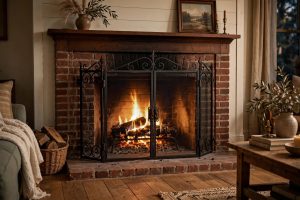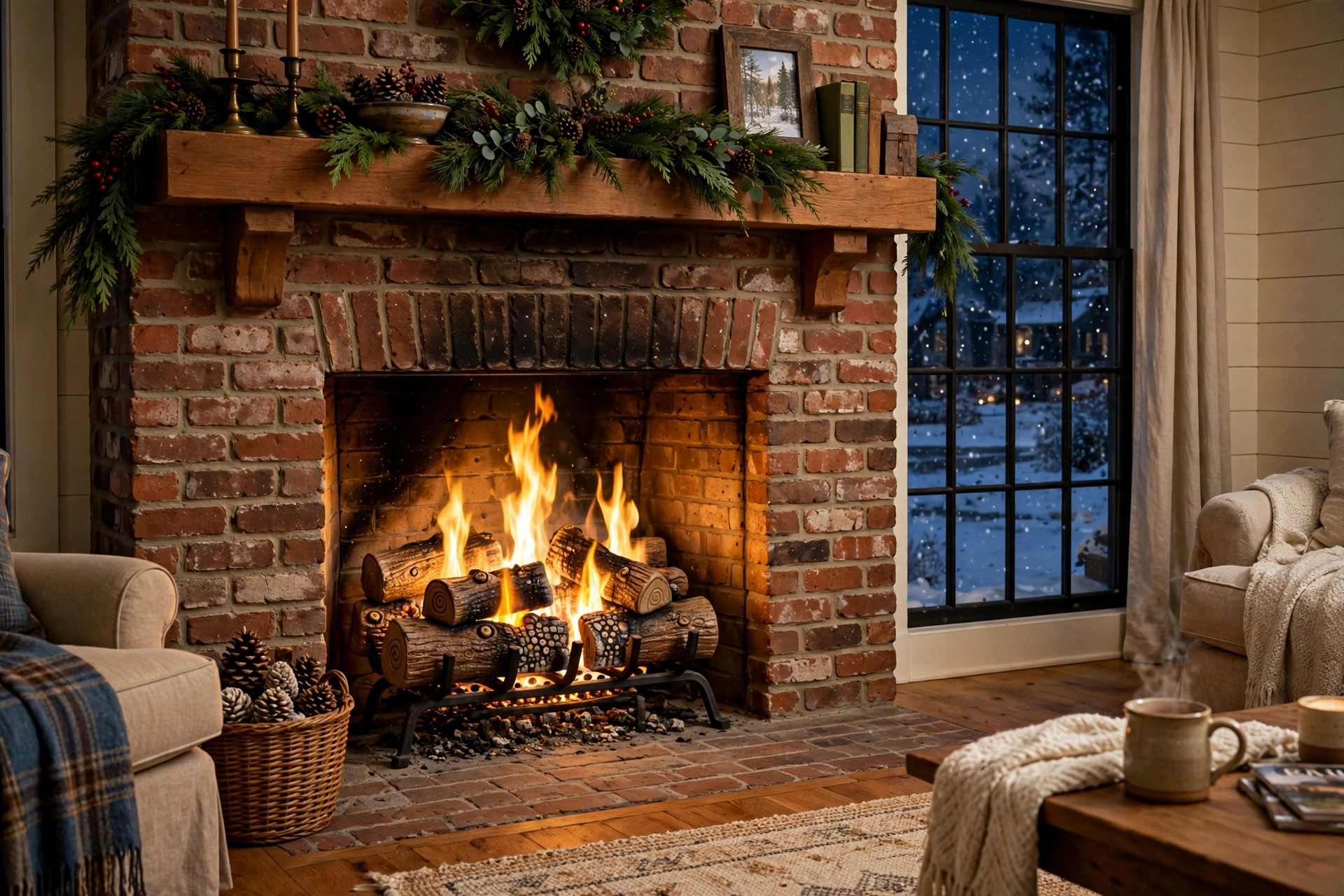

Winter in the Midwest is long and hard. The wind cuts across the plains, snow piles against the doors, and the thermometer sits below freezing for weeks at a time. A warm fire can make those dark evenings feel short and kind. The best gas log sets for Midwest homes give you that fire without the work of real wood. There is no wood to cut. There is no ash to carry out. You flip a switch, and the room fills with light and heat.
A gas log set is a group of ceramic logs that sits inside your fireplace. Gas flows through a burner under the logs. When you light it, the flames dance around the logs and make them glow. It looks much like a real wood fire.
Why Gas Log Sets Make Sense in the Midwest
The Midwest is gas country. Natural gas lines run through most towns and suburbs in Illinois, Ohio, Indiana, Michigan, Wisconsin, Iowa, and Missouri. Gas is cheap and steady here. A gas log set taps into that fuel and turns it into comfort.
A wood fire is fine, but it asks a lot of you. You must buy or cut wood. You must stack it and keep it dry. You must haul it inside through the snow. You must clean the ash the next morning. A gas log set asks almost nothing. You press a button or turn a knob, and the fire starts at once. When you are done, you turn it off. The logs stay clean. The hearth stays clean.
Gas log sets also give steady heat. On a bitter January night, you do not want to wait for a wood fire to catch. A gas fire is at full strength in seconds. Many families use it as extra heat for the family room while the furnace handles the rest of the house. This can cut the strain on the furnace and lower the gas bill.
There is one more point. Midwest winters bring power cuts. Ice storms knock down lines. A gas log set with a standing pilot can burn even when the power is out. It will not heat the whole house, but it will keep one room warm and bright.
Vented or Ventless: The First Choice You Must Make: Best Gas Log Sets for Midwest Homes
Every gas log set is either vented or ventless. This is the most important choice you will make. The two types work in very different ways.
Vented gas log sets must be used with the chimney damper open. Most of the heat goes up the chimney, just as it does with a wood fire. The flames are tall, loose, and very lifelike. They look like the real thing because they burn much like the real thing. The drawback is plain: they waste heat. A vented set is mostly for show and mood. It warms the room a little, but it is not a strong heater.
Ventless gas log sets burn the gas almost fully. Very little heat escapes. Almost all of it stays in the room. They are fine heaters for one room. The flames are smaller and bluer, and they look less like a wood fire. Ventless sets have an oxygen sensor that shuts the gas off if the air in the room gets low. They also add water vapor to the air, which can be a plus in dry winter houses but can fog windows in a tight home.
Here is the catch. Some states and cities limit or ban ventless gas logs. California bans them outright. A few Midwest towns have their own rules. Before you buy, check your local code. A quick call to your city office or fire department will give you the answer. The U.S. Environmental Protection Agency’s Burn Wise program also offers plain guidance on safe home heating with gas and wood.
If you want the most lifelike fire and you already have a working chimney, a vented set is the classic pick. If you want real room heat and your local code allows it, a ventless set may serve you better. Some shoppers also compare high-efficiency gas log sets for sale when heat output matters most to them.
What to Look for When You Choose
Start with your firebox. Measure it with care. Write down the width at the front, the width at the back, the depth, and the height. Gas log sets come in fixed sizes, most often 18, 24, and 30 inches. The set must fit with room to spare. A set that is too large will crowd the firebox and burn poorly. A set that is too small will look lost in a big fireplace.
Next, check your gas type. Most Midwest homes burn natural gas. Homes in the country may use propane from a tank. The two gases are not the same. A set made for natural gas cannot burn propane safely, and the reverse is also true. Most sets come in two versions. Order the one that matches your home. If you are not sure which gas you have, ask your gas company.
Look at the heat rating. It is given in BTUs. A small ventless set may give 20,000 BTUs. A large one may give 40,000. For a family room of 400 to 600 square feet, 30,000 BTUs is often enough to feel the difference. Do not buy far more heat than the room can hold. Too much heat will drive you out of the room.
The ignition type matters too. The simplest sets use a match or a long lighter. You turn on the gas and light it by hand. The next step up is a standing pilot with a knob. You turn the knob and the pilot lights the burner. The easiest sets have electronic ignition with a remote control or a wall switch. You press a button and the fire starts. Electronic sets cost more, but they are a joy to use on a cold night.
Study the logs themselves. Good logs are made of ceramic fiber or refractory cement. They are molded from real wood, so they show bark, knots, and cracks. Some sets add glowing embers made of special fibers that shine in the flame. The more lifelike the logs, the more you will enjoy the fire. Brands like Napoleon and Heatilator show clear photos of their log styles online so you can judge the look before you buy.
Types of Gas Log Sets
Vented sets are the most common. They sit in an open fireplace with the damper open. Their flames are tall and yellow. They are the best choice when looks matter most.
Ventless sets are the heaters of the group. They sit in a firebox with the damper closed, or in a special ventless firebox. They give strong heat with small, neat flames. Shoppers in small spaces sometimes look at premium vented gas log sets for small apartments to compare the look of vented models at a smaller scale.
See-through sets are made for fireplaces that open into two rooms. They can be seen from both sides. They cost more, but they serve two rooms at once.
There are also sets made for outdoor fireplaces. They use stainless steel burners that stand up to rain and snow. If your patio fireplace sits idle all winter, an outdoor-rated set can bring it back to life.
A cousin of the gas log set is the gas fireplace insert. An insert is a sealed metal box that slides into the fireplace opening. It is far more efficient than an open gas log set. If heat is your main goal, read a gas fireplace inserts buying guide before you decide.
Cost and Price
A gas log set itself often costs between $200 and $800. Simple match-light vented sets sit at the low end. Large ventless sets with remote control sit at the high end. Fancy hand-painted logs cost more than plain ones.
Installation is a separate cost. A licensed plumber or gas fitter will charge $150 to $500 to hook up the set to your gas line. If there is no gas line at the fireplace yet, running one can add $300 to $800. Most Midwest homes already have gas near the fireplace, so this extra cost is rare.
All told, a typical project runs $500 to $1,500 from box to first fire. Big-box stores like Home Depot and Lowe’s carry many sets in this range, and their sites list both the set price and common add-ons like remotes and ember kits.
Running costs are low. Natural gas is cheap in the Midwest. A 30,000 BTU set burning for three hours a night may add only a few dollars a week to the gas bill in deep winter. Ventless sets cost even less to run because little heat is lost.
Cold-Climate Care and Upkeep
Midwest winters punish anything left uncared for. Give your gas log set a little care each fall, and it will serve you well.
Have the set checked once a year. A gas technician can clean the burner, test the pilot, and look for worn parts. The best time is early fall, before the first cold snap. This Old House and Family Handyman both publish simple fall fireplace checklists that walk you through what a pro will inspect.
Keep the logs in place. Do not move them around. The maker arranged them so the flames touch the right spots. If a log gets bumped, set it back as the manual shows. Clean the logs once a season with a soft brush. Never use water or soap on them.
For vented sets, keep the chimney clear. Birds and squirrels love to nest in warm chimneys over the summer. A blocked chimney can push fumes into the room. A yearly chimney sweep solves this. For ventless sets, keep the room’s air path open. Do not block vents or returns near the fireplace.
Put a carbon monoxide detector in the room and one near the bedrooms. Test them each fall when you change the smoke alarm batteries. This is a small step, but it is the most important one in this whole guide.
Safety Rules Every Homeowner Should Know
Gas is safe when it is treated with respect. Have a licensed pro make the gas hookup. Do not try to run gas pipe yourself unless you are trained and your code allows it. A leak is no joke.
Keep the area clear. Rugs, papers, and blankets should stay at least three feet from the fireplace opening. Tell children that the glass and the logs get very hot. A simple screen or gate keeps little hands safe.
Never leave a ventless set burning while you sleep. Turn it off at bedtime. Never leave any gas fire burning when no adult is home. These rules are simple, and they prevent almost every accident.
Watch for warning signs. A strong gas smell means you should leave the house and call the gas company from outside. Yellow, lazy flames on a ventless set can mean it needs service. Soot on the logs or the firebox means something is wrong. Turn the set off and call a technician.
The U.S. Environmental Protection Agency reminds homeowners that even clean gas heat needs fresh air and working detectors. Guides at The Spruce and Bob Vila also cover basic gas fireplace safety in plain terms.
Frequently Asked Questions
Will a gas log set heat my whole house?
No. A gas log set is zone heat. It warms one room well. Your furnace still heats the house. Think of the gas logs as a comfort boost for the room where your family gathers on winter nights.
Can I install a gas log set myself?
You can set the logs in place yourself. The gas hookup is another matter. Most codes require a licensed pro to connect gas pipe. Even where it is allowed, gas work is not a good first project. Pay a pro and sleep well.
Which is better for a Midwest winter, vented or ventless?
It depends on what you want. Vented sets look the most like real wood fires but give little heat. Ventless sets give strong heat but look less real. Many Midwest buyers pick vented sets for the living room look and let the furnace do the heating work.
Will my gas log set work in a power outage?
A set with a standing pilot will light and burn without power. A set with electronic ignition needs power to start. If outages worry you, a standing pilot or battery backup is worth having.
How long do the logs last?
With normal use, ceramic logs last five to ten years. The burner and valves can last much longer. Keep the set clean and have it serviced each year, and it will age well.
Do I need a chimney for a gas log set?
Vented sets need a working chimney with the damper open. Ventless sets do not need a chimney, but your local code must allow them. When in doubt, ask your city or a local installer.
A Final Word
The best gas log sets for Midwest homes are the ones that fit your firebox, match your gas type, meet your local code, and suit how you live. Measure first. Choose vented for beauty or ventless for heat. Have a pro make the hookup. Then, when the first snow falls and the wind picks up, you can press a button and watch the flames rise. That is what winter evenings are for.
Independent buying advice from sources like Consumer Reports can help you compare brands side by side before you spend. Take your time, read the reviews, and pick the set that feels right for your home.
References
Bob Vila. (n.d.). Home improvement advice. https://www.bobvila.com Consumer Reports. (n.d.). Product reviews and ratings. https://www.consumerreports.org Family Handyman. (n.d.). DIY home repair and maintenance. https://www.familyhandyman.com Heatilator. (n.d.). Fireplaces and fireplace products. https://www.heatilator.com Lowe’s. (n.d.). Home improvement products. https://www.lowes.com Napoleon. (n.d.). Fireplaces, grills, and heating products. https://www.napoleon.com The Home Depot. (n.d.). Home improvement products. https://www.homedepot.com The Spruce. (n.d.). Home and garden advice. https://www.thespruce.com This Old House. (n.d.). Home renovation guidance. https://www.thisoldhouse.com U.S. Environmental Protection Agency. (n.d.). Protecting human health and the environment. https://www.epa.gov
Was this guide helpful?

About James Carter
The My Garden US editorial team writes practical, in-depth home and garden guides for American homeowners — tested advice, no fluff.
You May Also Like
Ventless Gas Fireplace Inserts with Free Shipping: A Buyer’s Guide
August 25, 2026 0 views
Energy Efficient Tile Fireplace Surrounds Buying Guide
May 25, 2026 0 views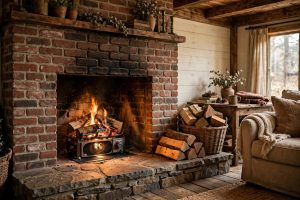
Buy Fireplace Blowers and Fans Online in Texas: A Complete Guide
March 29, 2026 0 views