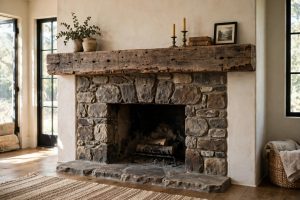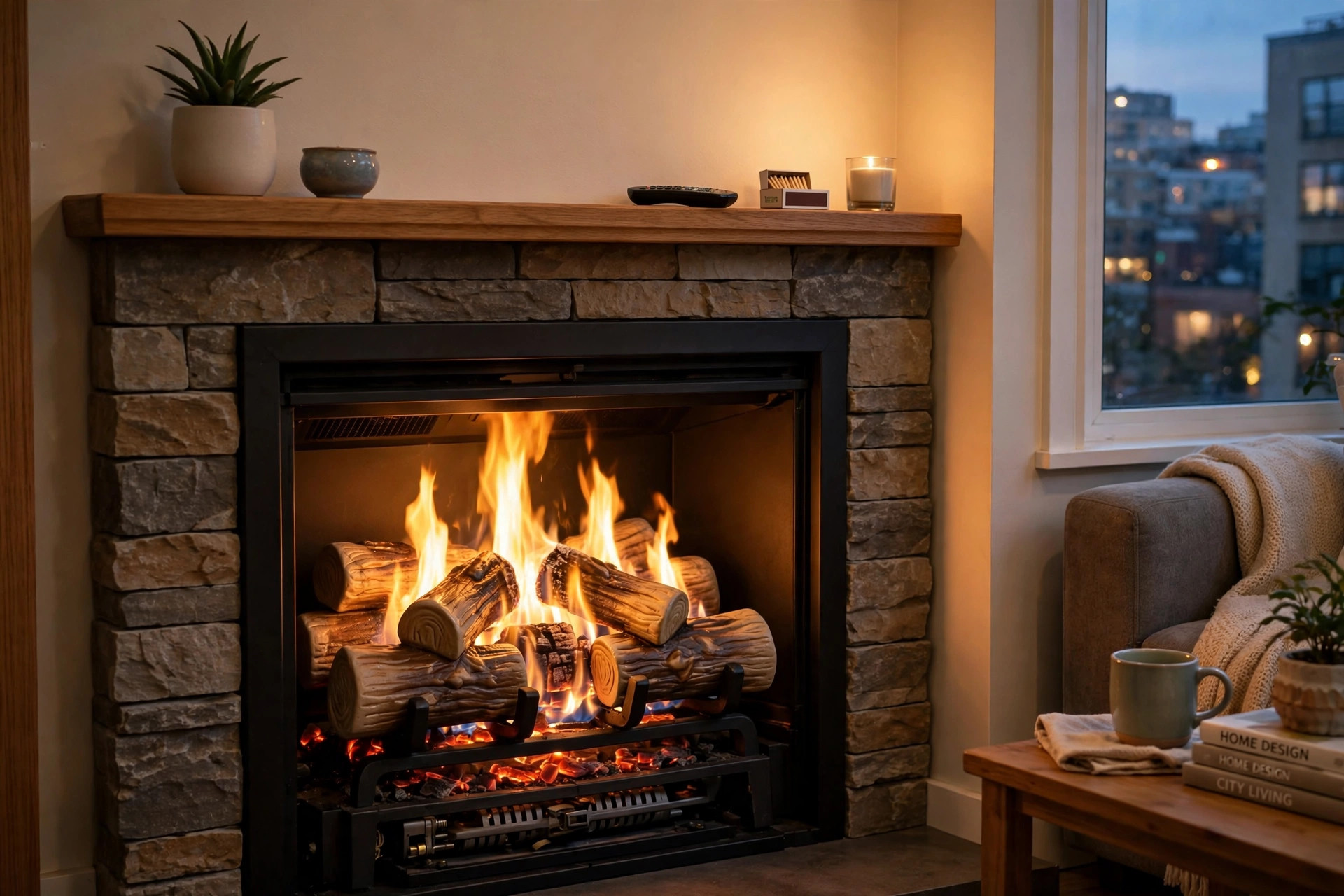

Many apartment dwellers dream of a real fire. They want the warm glow, the soft crackle, and the comfort of a hearth in the evening. Yet most apartments do not have a wood fireplace. Wood is messy. It needs storage space. It needs a chimney that stays clean. For a small apartment, wood heat is rarely practical. This is where premium vented gas log sets for small apartments come in. They give a real flame, a real look, and a touch of old charm, all from a set of logs that burns natural gas or propane.
These sets are made for renters and owners of small homes alike. They fit into an existing fireplace firebox. A gas line feeds the burner, and the logs sit on top, shaped and colored to look like split oak, birch, or pine. When lit, the flames dance between the logs and up the chimney. The result is a fire that looks close to wood, but starts with the turn of a knob or the push of a button.
This guide explains why these sets matter, what to look for, what types are on the market, what they cost, how to keep them in good shape, and how to use them safely in a small space. It also answers common questions at the end.
Why It Matters
A fireplace changes how a room feels. A small apartment can feel cold or plain in winter. A fire makes it feel like home. Guests notice it. On a dark evening, the light from a fire is warmer than any lamp. Studies of home comfort often point to the hearth as the center of the house. Even in a small flat, that holds true.
Premium vented gas log sets for small apartments matter because they make a real fire possible where wood cannot work. Many apartments have a small fireplace that was built for wood but is now unused. Some have a decorative fireplace with no working flue at all. A vented gas log set needs a working chimney or flue, since the smoke and fumes must go up and out. This is the main trade-off: vented sets look more real than vent-free sets, but they need proper venting.
For small apartments, a premium set also makes sense because it is compact. Manufacturers now make log sets in 18-inch and 24-inch sizes that fit narrow fireboxes. The flame height is lower and the heat output is modest, which suits a small room. A large fire in a small room would make it too hot. A small, well-made set gives charm without overheating the space.
There is also the question of ease. Lighting a wood fire takes time and skill. A gas log set lights in seconds. For a person who comes home tired after a long day, that ease matters a great deal. Many sets come with a remote control, so the fire can be lit from the couch. Some models work with a wall switch or a smart thermostat, which adds more comfort still.
What to Look For: Premium Vented Gas Log Sets for Small Apartments
Choosing the right set takes some care. The first thing to check is size. Measure the inside of the firebox: the width at the front, the width at the back, the depth, and the height. A log set should be smaller than the firebox on every side. If the logs touch the walls, the flames may hit the masonry and soot will build up fast. Most premium vented gas log sets for small apartments come in 18-inch sizes, which fit the small fireboxes found in many apartments.
The second thing to check is the fuel type. Most apartments that have gas service use natural gas. Some use propane from a tank. The set must match the fuel in the home. A natural gas set will not burn right on propane, and the reverse is also true. Burner orifices are sized for one fuel only. Always buy the set rated for the fuel you have.
The third point is the burner style. Premium sets often use a dual burner or a pan burner with a wide bed of sand or vermiculite. The flames rise through the material and look full and soft. Cheaper burners make thin, blue flames that look like a stove top. Look for words like “realistic flame pattern” and “hand-painted logs.” The logs in a premium set are cast from real wood molds and painted by hand to show bark, grain, and char marks.
The fourth point is the ignition type. Basic sets use a standing pilot light or a match-lit system. Better sets use electronic ignition with a remote. Electronic ignition saves gas because there is no pilot burning all day. In a small apartment, that saving adds up over a heating season.
The fifth point is heat output. A vented set sends much of its heat up the chimney, which is the price of a real-looking flame. Typical output is 20,000 to 40,000 BTUs. For a small apartment, the lower end of that range is enough. Some cities and building codes limit the size of gas appliances in rental units, so check local rules before buying.
Finally, look at the warranty and the maker. A premium set should carry a warranty of at least two to five years on the logs and the burner. Makers with a long history in the hearth industry tend to stand behind their goods. You can read general buying advice and hearth basics from trusted home improvement sources such as This Old House and Family Handyman before you shop.
Types and Options
There are a few main types of vented gas log sets, and each suits a different need.
Standard vented log sets. These are the most common. A burner pan holds sand or ember material, and ceramic fiber or refractory cement logs sit on top. They must be used with the damper fully open. They give the most realistic flame of any gas log type. Most premium vented gas log sets for small apartments fall into this group.
See-through sets. These are made for fireplaces that are open on two sides, often between a living room and a dining room. The logs are shaped to look good from both sides. They cost more and need a larger firebox, so they are rare in small apartments.
Outdoor-rated sets. These are built to stand up to rain and weather. They are not meant for indoor use. Do not buy one for an apartment fireplace, even if the price looks good.
Combination sets with glowing embers. Many premium sets add a bed of glowing ember material under the logs. When the gas burns, the embers glow orange and pulse like real coals. This small detail adds a great deal of realism and is worth the extra cost in a premium set.
Beyond the logs themselves, there are options for control. A simple on/off remote is the most popular. A thermostatic remote holds the room at a set temperature and turns the burner up or down. A wall switch is a good choice if remotes tend to get lost. For shoppers comparing control options and prices, large retailers like Lowe’s and The Home Depot list many models with full specs.
Log styles also vary. Oak is the classic look, with thick bark and deep grain. Birch has pale bark with dark marks and suits a modern room. Pine and driftwood styles look lighter and more casual. The style does not change how the set works, so choose the one that fits the room.
If your apartment has no working flue, a vented set is not the right choice. In that case, a high efficiency gas log set made for vent-free use, or one of the best direct vent gas fireplaces for california apartments, may be a better fit. Direct vent units are sealed and vent through a wall, which suits many apartments. Always check with your landlord before changing any fireplace.
Cost and Price
Premium vented gas log sets for small apartments cost more than basic sets, but the price range is still fair for most budgets. A small 18-inch premium set often sells for between $400 and $900 for the logs and burner alone. Larger or more detailed sets can reach $1,200 or more.
Installation is a separate cost. A licensed gas fitter or hearth professional should install the set and connect the gas line. In many areas, this costs $200 to $500, depending on how far the gas line must run and whether a new gas stub is needed in the firebox. Some apartments already have a gas line in the fireplace, which keeps the cost down. Never try to connect a gas line yourself. Gas work done wrong can leak, and a leak in a small apartment is very dangerous.
Running costs are modest. Natural gas is one of the cheapest heating fuels in most of the country. An 18-inch vented set burning for three hours in the evening might use about a dollar’s worth of gas, depending on local rates. Because vented sets send heat up the flue, they are not efficient heaters. Think of the cost as the price of comfort and looks, not as a heating bill saver.
There are also small extra costs. A fireplace screen or glass doors add $100 to $300 and keep sparks and heat where they belong. A carbon monoxide detector is a must in any home with a gas appliance and costs about $25. A yearly chimney inspection and cleaning runs $100 to $200 in most cities.
Shoppers who want to compare prices across brands can browse maker sites such as Napoleon and Heatilator, which show full product lines and dealer locators. For general background on fireplace types and costs, The Spruce keeps up-to-date guides written for homeowners.
Care and Upkeep
A gas log set needs far less care than a wood fire, but it still needs regular attention. The logs themselves should be handled as little as possible. The ceramic material is strong but can crack if dropped or bumped. When you clean, use a soft brush to dust the logs. Do not use water or cleaners on them.
Once a year, have a professional service the set. The technician will check the burner ports for blockages, look at the gas connections for leaks, and make sure the pilot or igniter works well. Spiders and dust love to nest in burner tubes during the summer months. A blocked port makes the flame uneven and can cause soot.
The chimney or flue needs care too. Even though gas burns cleaner than wood, some soot and moisture still go up the flue. A yearly chimney inspection keeps the flue clear and safe. If the damper is rusted or stuck, have it fixed before the heating season starts. A vented set must always run with the damper fully open.
Keep the area around the fireplace clear. Do not store paper, cleaning fluids, or other flammable items near the hearth. In a small apartment, storage space is tight, but the space in front of the fireplace must stay open. A good rule is three feet of clear space in every direction from the firebox opening.
If the flames start to look odd — too tall, too yellow, or touching the logs — turn the set off and call a professional. Odd flames can mean a blocked burner or the wrong gas pressure. Do not try to fix gas parts on your own.
For safety rules and clean-air guidance on home combustion appliances, the U.S. Environmental Protection Agency publishes clear fact sheets that every fireplace owner should read.
Safety
Safety comes first with any gas appliance, and a small apartment leaves less room for error. The points below are the most important.
First, get written permission from your landlord before you install anything. Many leases bar changes to fireplaces and gas lines. Installing without permission can break the lease and void your renter’s insurance.
Second, use a licensed professional for installation. The installer should test for gas leaks with a proper gauge and check that the flue draws well. Ask for a copy of the permit or inspection record if your city requires one.
Third, install carbon monoxide detectors on every level of the apartment, and test them monthly. Carbon monoxide has no color and no smell. A vented set in good shape should not make carbon monoxide in the room, but a blocked flue or a cracked heat path can change that fast.
Fourth, keep the damper open whenever the set is burning, and leave it open until the logs are fully cool. Some sets come with a damper clamp that keeps the damper from closing all the way. This is a smart safety add-on for a household where someone might forget.
Fifth, never leave the fire burning when no one is home or while sleeping, unless the set is rated and installed for that use and local code allows it. Most makers advise against unattended use.
Sixth, keep children and pets away from the glass and the hearth. The logs and the metal around them get very hot. A sturdy fireplace screen is a cheap and simple guard.
Seventh, know the signs of trouble: a strong gas smell, soot on the logs or the fireplace face, headaches or nausea when the fire is lit, or a pilot light that will not stay lit. If you smell gas, do not light anything. Leave the apartment, and call the gas company from outside.
Renters who want a top rated stone fireplace surround for small apartments to dress up the hearth should make sure the surround material is rated for heat and does not block air flow to the firebox.
FAQ
Can I install a vented gas log set in a rental apartment? You can only do it with your landlord’s written permission. The lease may also require a licensed installer and proof of insurance. Many landlords say yes because a gas set is safer and cleaner than wood, but get it in writing first.
Do I need a chimney for a vented gas log set? Yes. A vented set must vent through a working chimney or flue with the damper open. If your fireplace has no flue, or the flue is blocked or damaged, a vented set is not safe to use. A chimney sweep can inspect the flue before you buy.
How much heat will an 18-inch set give my apartment? An 18-inch vented set usually puts out 20,000 to 30,000 BTUs, but much of that heat goes up the chimney. It will warm a small living room nicely and take the chill off nearby rooms, but it will not heat a whole apartment on a very cold night.
Are vented sets better looking than vent-free sets? Most people say yes. Vented sets make taller, more natural flames because they are not tuned for clean indoor burning the way vent-free sets are. The trade is lower efficiency and the need for a chimney.
Can I convert my set from natural gas to propane later? Only if the maker offers a conversion kit for that exact model, and only a professional should do the work. In many cases it is simpler and safer to buy the set in the right fuel type from the start. A high efficiency gas log set for sale in your fuel type is the safer buy.
How long do the logs last? Ceramic logs in a premium set can last 10 to 15 years or more with normal use. The burner and valves may need service sooner. Keep the logs dry, do not move them around, and have the set serviced each year to get the longest life.
A Short Final Word
Premium vented gas log sets for small apartments bring the heart of a real fire into a small home. They are easy to light, simple to keep, and kind to a busy schedule. The keys to a good result are simple: measure the firebox, match the fuel, hire a licensed installer, keep the flue open and clean, and put safety first. Do those things, and the small fireplace in the corner of the room can become the warm center of the home for many winters to come.
References
Family Handyman. (n.d.). DIY home repair and maintenance. https://www.familyhandyman.com Heatilator. (n.d.). Fireplaces and fireplace products. https://www.heatilator.com Lowe’s. (n.d.). Home improvement products. https://www.lowes.com Napoleon. (n.d.). Fireplaces, grills, and heating products. https://www.napoleon.com The Home Depot. (n.d.). Home improvement products. https://www.homedepot.com The Spruce. (n.d.). Home and garden advice. https://www.thespruce.com This Old House. (n.d.). Home renovation guidance. https://www.thisoldhouse.com U.S. Environmental Protection Agency. (n.d.). Protecting human health and the environment. https://www.epa.gov
Was this guide helpful?

About Emily Rodriguez
The My Garden US editorial team writes practical, in-depth home and garden guides for American homeowners — tested advice, no fluff.
You May Also Like
Premium Fireplace Screens With Doors Buying Guide
June 6, 2026 0 views
Best Floating Fireplace Mantels for New England Homes
January 12, 2026 0 views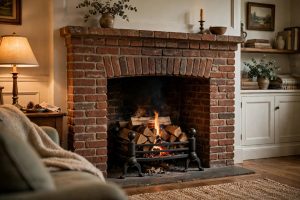
High Efficiency Andirons for Fireplaces Buying Guide
March 30, 2026 0 views